


0 Ring Size Chart For Kids Overview
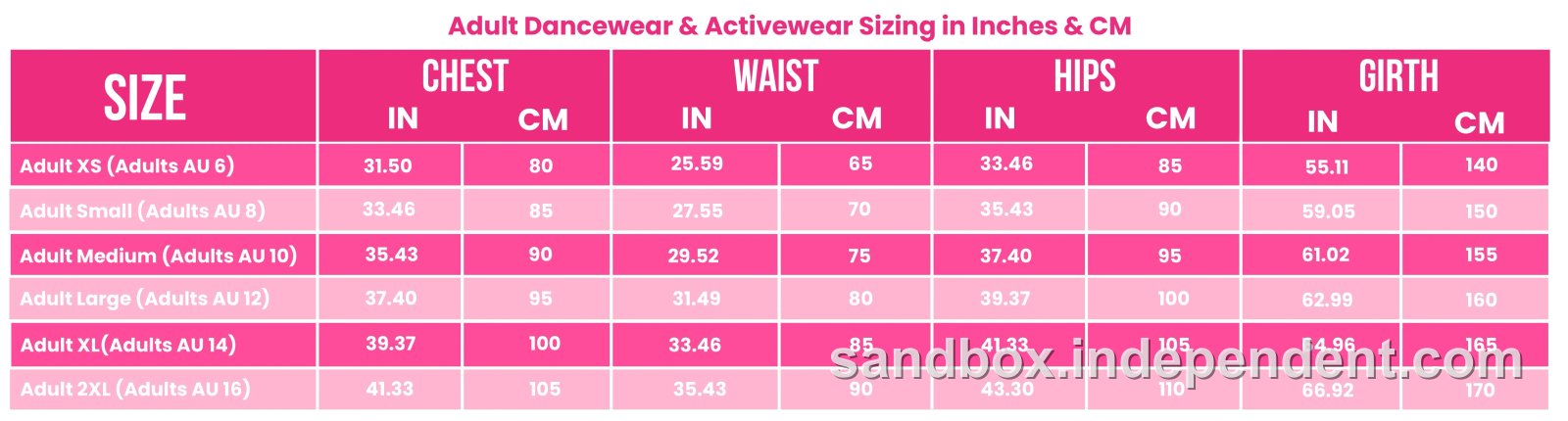
Many people often overlook the importance of a frame size chart and its accuracy, assuming it's a simple guide that can be ignored. But, trust me, this chart is your friend and a crucial tool for getting the right fit! A frame size chart is an essential reference, offering a quick and easy way to find your ideal size, whether it's for a bike frame or even clothing. It's a simple yet powerful tool, and getting it right can make all the difference. These charts provide a clear visual, often with metric and imperial measurements, to ensure you choose the correct size, avoiding any potential discomfort or performance issues.
Understanding the Frame Size Chart
A frame size chart is your go-to guide for determining the right size of a frame, whether it's for a bike, a piece of clothing, or any other item with standardized dimensions. This chart provides a quick and easy reference to ensure you get the perfect fit. It's like having a personal assistant who knows your measurements and preferences!
Comparing Common Frame Types and Standards
Frame size charts can vary depending on the type of frame and the industry standards they follow. For example, bike frame dimensions often use different measurements and categories compared to clothing size charts. The metric and imperial systems also come into play, so it's essential to know which standard your chart is based on. Some charts may even offer conversions between these systems.
Choosing the Right Size: A Step-by-Step Guide
Identify the Type: Determine what kind of frame you need, whether it's for a bike, clothing, or another item. This step is crucial as it sets the foundation for accurate sizing.
Find the Right Chart: Locate the specific frame size chart relevant to your chosen frame type. Ensure it follows the correct standard (metric or imperial) for your region or preferences.
Measure and Compare: Take your measurements or refer to existing ones (like your shirt size). Compare these measurements to the values on the chart. Most charts will provide a range of sizes, so find the one that best matches your dimensions.
Adjust for Comfort: Consider your personal preferences and comfort level. Some charts may offer guidance on adjusting the size slightly to ensure a perfect fit. For example, you might prefer a slightly larger frame for a bike to allow for more leg extension.
Double-Check: Always verify the specifications with the manufacturer or retailer, especially for critical items like bike frames. This ensures you get the exact dimensions and tolerances required.
Common Misreadings and How to Avoid Them
One common mistake is assuming all frame size charts are universal. As mentioned, they can vary based on frame type and standards. Always confirm the chart's applicability to your specific needs. Another pitfall is neglecting to measure accurately. Take precise measurements to ensure the chart provides an accurate recommendation.
Factors Affecting Accuracy and Real-World Use
Various factors can influence the accuracy of a frame size chart. These include the tolerance levels allowed by manufacturers, which can vary slightly between brands. Additionally, personal preferences and body types play a role. What might be a perfect fit for one person could feel too tight or loose for another. It's essential to consider these factors when using a frame size chart and make adjustments as needed.
Well, there you have it! A frame size chart is a handy tool, but it's important to remember that it's just a guide. Always check the specific details and requirements for your project, as the exact values might differ slightly between sources and standards.
Take a moment to ensure you've considered all the unique aspects of your situation before you finalize your choices. And, as always, feel free to explore our other guides and resources for more practical tips and insights. Happy measuring!
Related: Unravel the Mystery: Hook Size Chart
You're here, searching for a hook size chart, probably for your next fishing adventure or a craft project. These charts are a handy tool, offering a quick and easy way to find the right hook size for your needs. Whether you're a seasoned angler or a beginner, having a reliable reference like this is essential. The great thing about hook size charts is their simplicity; they provide a clear guide, and while the values may vary slightly depending on your location or the brand you use, they offer a consistent framework to work with.
Understanding the Chart: A Quick Overview
The hook size chart is a handy tool for anglers, providing a simple visual guide to choosing the right hook size for your fishing needs. It's a reference tool that displays hook sizes, often in a table format, to help you select the appropriate hook for your fishing line, bait, and target fish.
Comparing Hook Size Standards and Formats
Hook size charts can vary depending on the standard or region. For instance, the American system uses numbers, while the European system employs letters. These charts typically show hook sizes in a range, such as 2/0, 1/0, 1, 2, 4, 6, and so on, with smaller numbers indicating larger hooks. Some charts may also include additional information like hook type and recommended line strength.
Choosing the Right Hook: A Step-by-Step Guide
To use a hook size chart effectively:
- Identify your target fish species. Different fish require different hook sizes.
- Determine your fishing method: fly fishing, bait fishing, or other techniques.
- Check the chart for the recommended hook size based on your fish and technique.
- Consider the bait you're using; larger baits may require bigger hooks.
- Select a hook size that aligns with the chart's recommendations.
- Always double-check the exact specifications, especially for specialized fishing techniques.
Common Misreadings and How to Avoid Them
It's important to note that hook size charts provide general guidelines. Factors like hook brand, bait size, and personal preference can influence your choice. Misreading the chart might lead to selecting a hook that's too small or too large for your needs. Always consider the context and adjust accordingly.
Factors Affecting Accuracy: Key Considerations
Hook size and fish: Different fish species have varying mouth sizes and feeding habits, influencing the hook size required.
Hook size and line: The strength of your fishing line should match the hook size to ensure a secure connection.
Hook size and bait: The size of your bait plays a role; larger baits may need bigger hooks to support them.
Personal preference: Anglers may have their own preferences based on experience, so the chart serves as a guide, not a strict rule.
Some key factors that can cause variations include:
- Water conditions: Turbulent waters might require larger hooks to handle the current.
- Fish behavior: Active fish may need smaller, more subtle hooks.
- Hook material: Different hook materials can affect the hook's strength and size.
Adapting the Chart for Specific Needs
While the hook size chart provides a standard guide, anglers can adapt it for their unique situations. If you prefer a specific hook brand, you might need to adjust the size based on its unique characteristics. Specialized fishing techniques, like ice fishing or deep-sea fishing, may require custom hook size charts. Always consider the context and adjust the chart to fit your specific fishing needs.
Well, there you have it! A handy hook size chart is a simple yet effective tool to ensure your hook choices are spot on. Remember, while this guide offers a comprehensive overview, it's always wise to double-check the specific requirements of your project. Exact values can vary, so it's best to be prepared and ensure you're using the right reference for your needs.
Feel free to explore our other guides and resources; we've got plenty of practical tips and tricks to offer. Happy hook-choosing, and we hope you find the perfect fit for your next adventure!
Related: How to Read a Cap Size Chart?
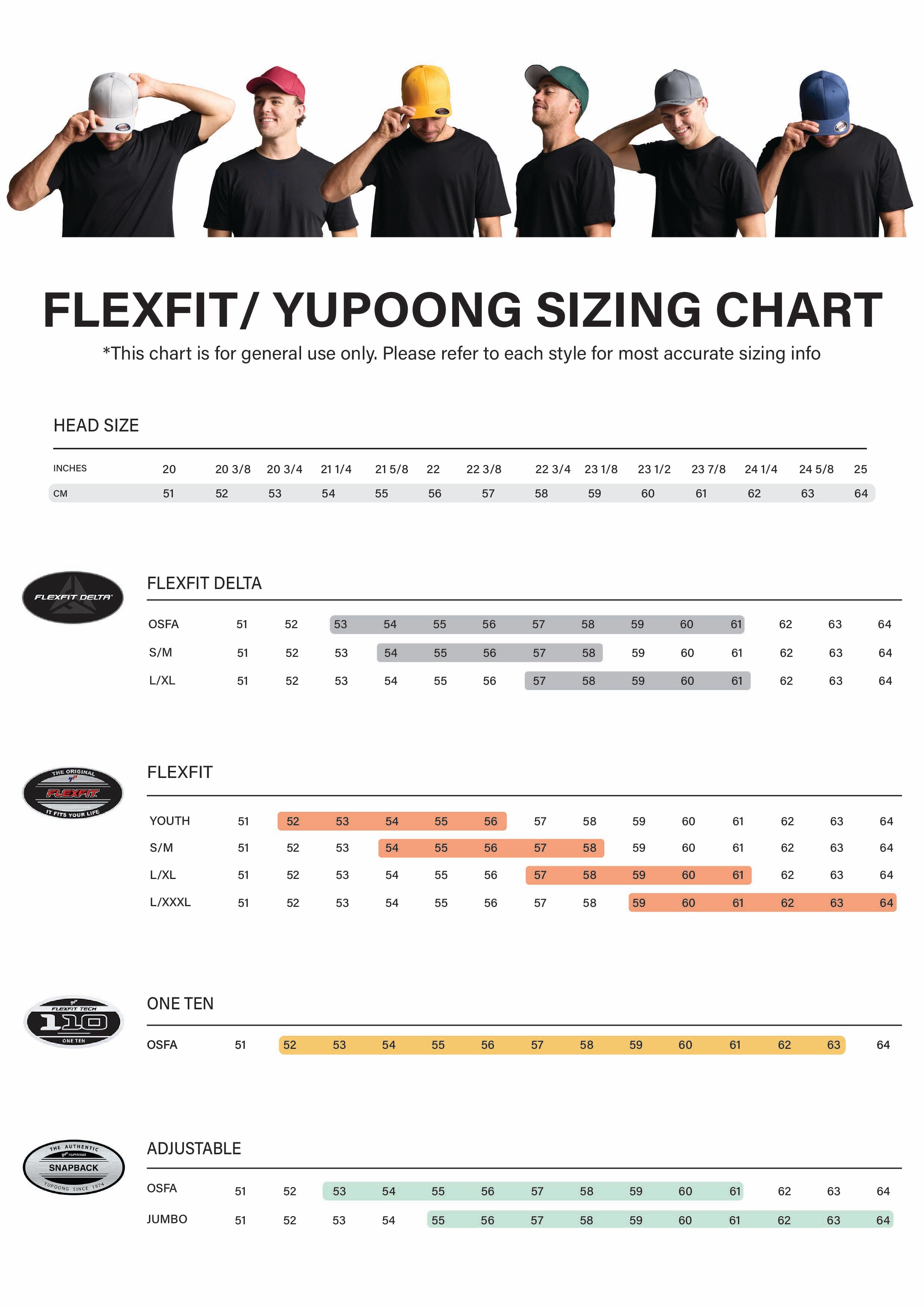
You're probably here because you need a quick fix, a simple solution to a sizing dilemma. Well, you've come to the right place! The cap size chart is your handy tool, a quick reference guide to ensure you get the perfect fit every time. It's a straightforward way to measure and match your head size to the right cap, and it's a lifesaver when you're in a rush or shopping online. This chart offers a simple solution, and it's worth familiarizing yourself with, especially if you want to avoid those pesky sizing mistakes!
Understanding the Chart: A Quick Overview
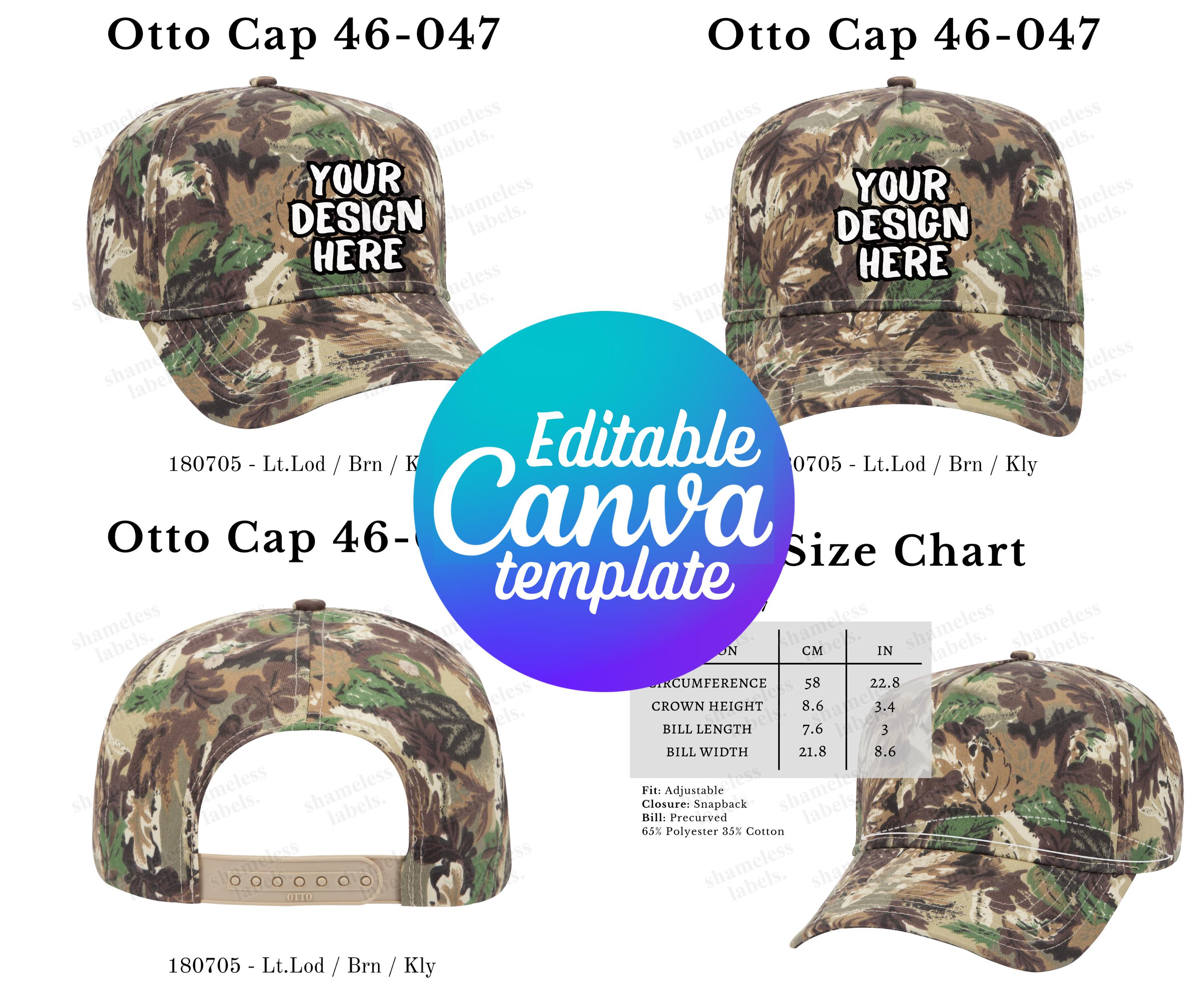
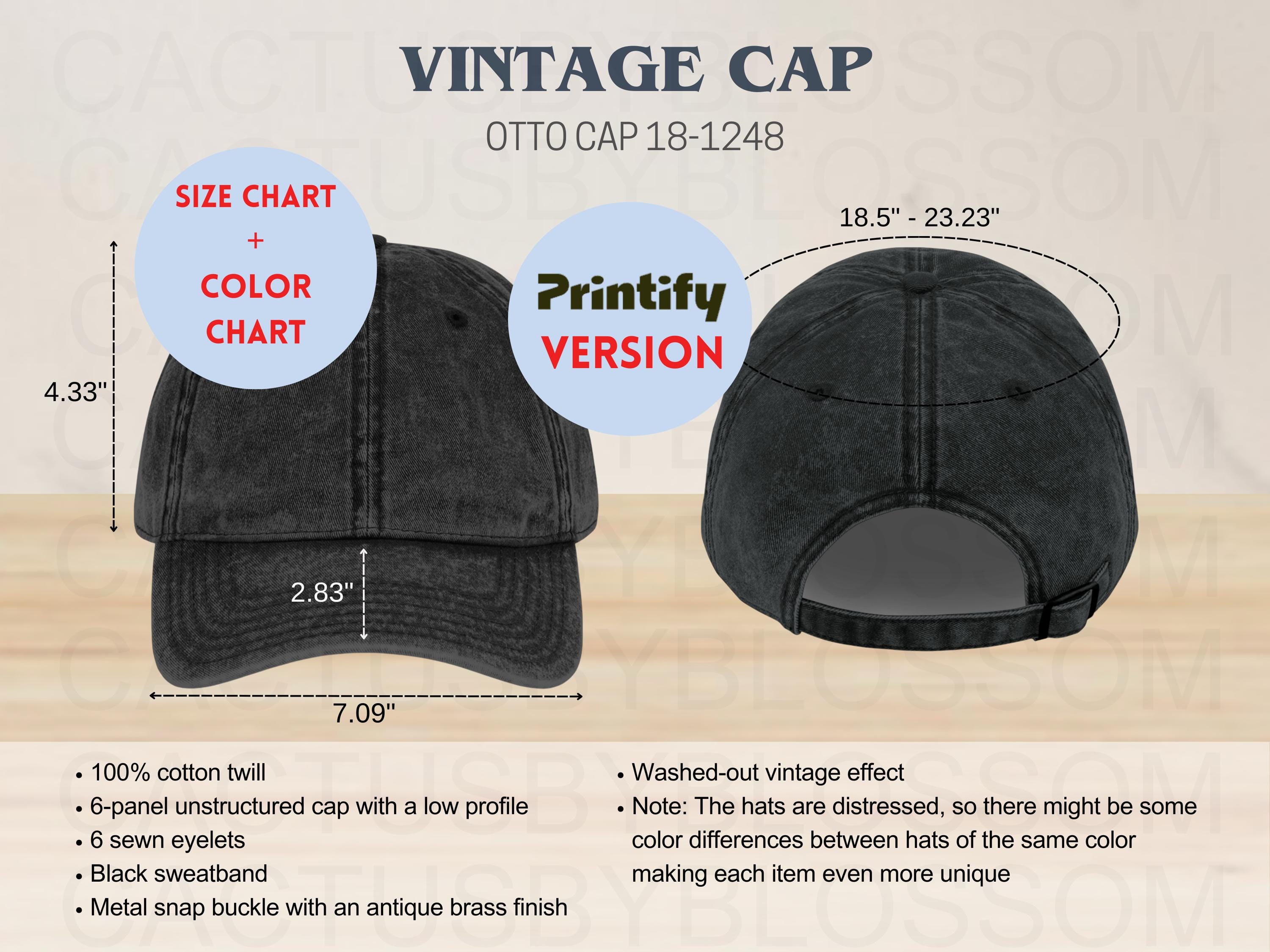
The cap size chart is a handy tool that helps you find the perfect fit for your headwear. It's a simple guide, often presented as a table or diagram, that matches your head measurements to the right cap size. This chart ensures your caps are neither too tight nor too loose, providing a comfortable and secure fit.
Comparing Common Cap Sizes and Standards
Cap size charts typically use two main standards: metric and imperial measurements. The metric system is widely used internationally and offers precise measurements in centimeters. On the other hand, the imperial system, common in the US, uses inches. These standards determine the cap circumference, which is the key measurement for finding your ideal cap size.
Step-by-Step Guide to Using the Cap Size Chart
Measure your head circumference: Take a flexible tape measure and wrap it around your head, just above your ears and across your forehead. Ensure it's not too tight or too loose. Note down the measurement in either centimeters or inches, depending on your preference or the chart's standard.
Refer to the cap size chart: Look for the column or row that corresponds to your head circumference measurement. The chart will provide you with a recommended cap size based on this measurement.
Adjust for comfort: While the chart offers a guide, personal preference plays a role. If you prefer a looser fit, consider going up a size. For a snugger fit, especially for activewear, you might want to choose a slightly smaller size.
Check the hat sizing chart: Some charts provide additional information, such as hat sizing. This can be useful if you're looking for a specific hat style and want to ensure it fits well.
Avoiding Common Misreadings and Pitfalls
It's important to remember that the cap size chart is a guide, and individual preferences may vary. While it provides a reliable starting point, you might need to make slight adjustments to find your perfect fit. Always double-check the chart's measurements and ensure they align with your head size guide. If you're between sizes, consider trying both and choosing the one that feels most comfortable.
Key Factors Affecting Accuracy and Real-World Use
Several factors can influence the accuracy of the cap size chart. Firstly, the chart's measurements may vary slightly depending on the manufacturer and the intended use of the cap. For instance, a baseball cap might have different sizing standards compared to a beanie. Additionally, personal factors like hair volume and style can impact the fit. If you have thick hair or a hairstyle that adds volume, you might need to adjust the size accordingly. Always consider these factors and refer to the specific cap's instructions or sizing guidelines for the most accurate fit.
Well, that's a wrap on our cap size chart adventure! We've covered a lot of ground, from understanding the different options to nailing down the key steps for accurate measurements.
Remember, when it comes to getting the right fit, always double-check your specific needs and the guidelines for your chosen standard or source. Exact values can vary slightly, so it's good to be aware of that.
Consider bookmarking this page for future reference; it's a handy tool to have at your fingertips when you need it most!