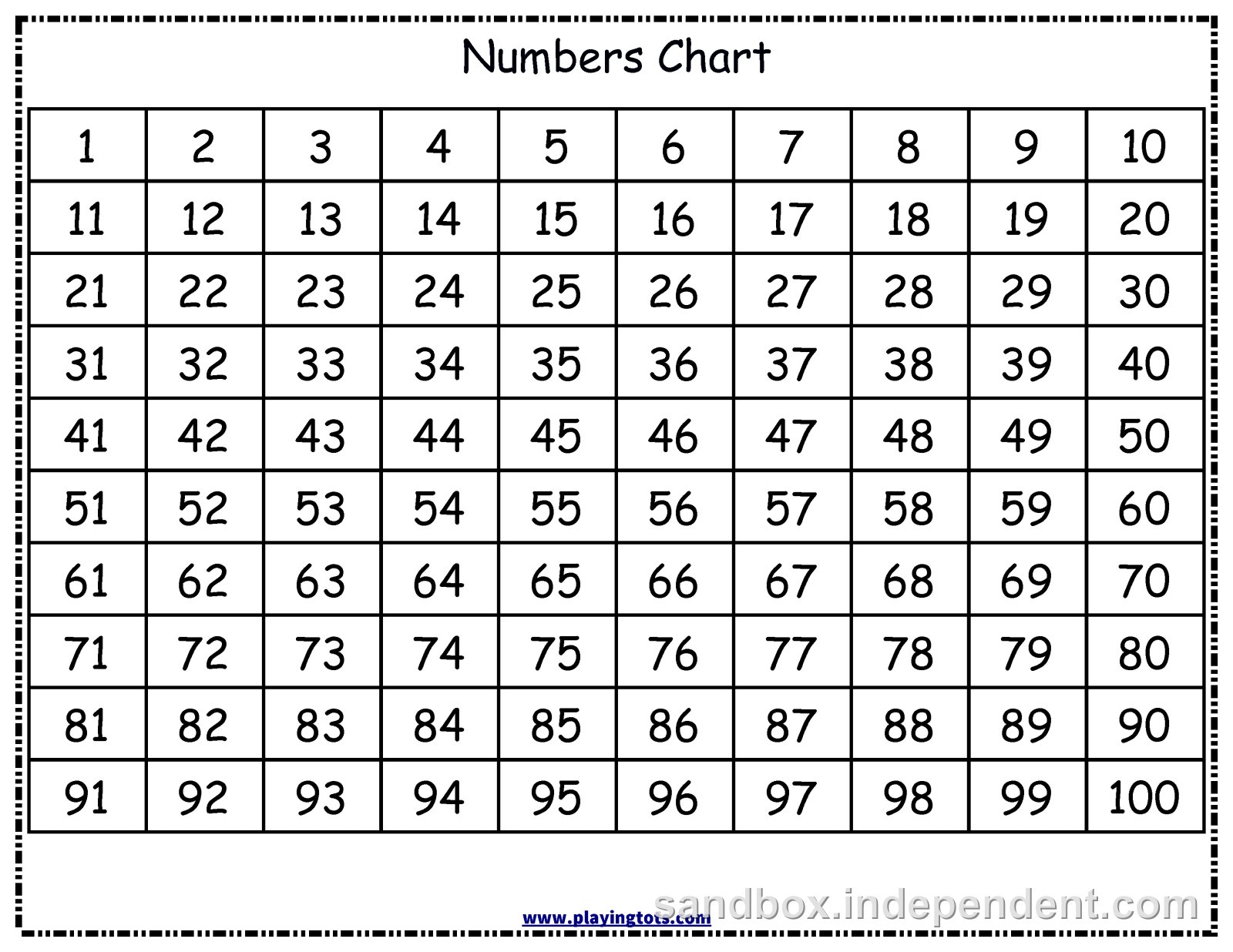



1 100 Number Chart Free Printable Overview
A girth size chart is a handy tool, a simple yet effective way to visualize and understand measurements. This guide will show you how to navigate and utilize these charts efficiently, as they can vary in format and detail.
Whether you're dealing with circumference guides or size charts for various applications, knowing how to read and interpret them is key. Standard units and metric conversions may differ, so being able to quickly reference and understand these charts is a useful skill.
Understanding the Girth Size Chart: A Quick Overview
The girth size chart is a handy reference tool that provides a visual representation of various girth measurements and their corresponding sizes. It offers a simple way to understand and compare different girth dimensions, making it an essential guide for various applications.
Comparing Standards and Formats: Girth Size Chart vs. Circumference Guide
While the terms girth size chart and circumference guide are often used interchangeably, they can refer to slightly different formats. A girth size chart typically presents a range of measurements with their corresponding sizes, often in a table or diagram format. In contrast, a circumference guide may provide more detailed information, including specific circumference values and their equivalent sizes, which can be particularly useful for precise measurements.
Step-by-Step: Reading and Using a Girth Size Chart
To effectively use a girth size chart, follow these simple steps:
Identify the type of measurement you need to make. For example, you might need to measure the girth of a tree trunk, a person's waist, or the circumference of a pipe.
Locate the relevant section on the chart. Girth size charts often categorize measurements by type, such as body measurements, industrial applications, or natural objects.
Measure the girth accurately using the appropriate tool, such as a tape measure or calipers. Ensure you follow any specific instructions for the measurement, such as where to place the tape measure or how to account for any irregularities.
Find the measured value on the chart. Some charts may provide a scale or ruler for direct measurement, while others may require you to estimate the closest value.
Read the corresponding size or category. The chart will provide a clear indication of the size associated with the measured girth. This can be a numerical value, a size category (e.g., small, medium, large), or a specific application-related term.
Common Misreadings and How to Avoid Them
Misreading a girth size chart can lead to inaccurate results and potential issues. Here are some common pitfalls and how to avoid them:
Ensure you are using the correct chart for your specific application. Different charts may have varying scales, units, or categories, so double-check the chart's intended use.
Be aware of the units of measurement. Some charts may use imperial units (inches, feet), while others use metric units (centimeters, meters). Convert your measurements accordingly to ensure accuracy.
Pay attention to the scale or ruler provided on the chart. Misinterpreting the scale can lead to significant errors. If you're unsure, estimate the value or use a separate measuring tool to verify.
Consider any tolerances or allowances specified on the chart. Some applications may have specific tolerances, especially in industrial or technical fields. Ensure you understand and account for these tolerances in your measurements.
Factors Affecting Accuracy: Variations and Averages
The accuracy of a girth size chart can be influenced by various factors, including:
Regional standards and conventions: Different countries or regions may have specific measurement standards and units, so ensure you're using the appropriate chart for your location.
Application-specific variations: Girth measurements can vary significantly depending on the application. For example, measuring the girth of a tree trunk at different heights may yield different results, impacting the accuracy of the chart.
Averages and ranges: Some charts may provide average values or ranges to account for natural variations. Understanding these averages can help you interpret the chart more effectively, especially when dealing with organic or irregularly shaped objects.
By considering these factors and following the step-by-step process, you can accurately use a girth size chart for a wide range of applications, from everyday measurements to technical specifications.
Well, there you have it! A handy guide to help you navigate the world of girth size charts. Remember, while we've covered the basics, the exact details might shift a little based on your specific needs and the standards you follow.
So, keep this page bookmarked for a quick reminder, and feel free to explore our other guides for more practical tips and insights. Happy measuring!
Related: Read and Understand the Round Lake Charter
You're probably here because you need a quick guide to understanding Round Lake Charter and its key elements. It's a handy tool for anyone navigating the waters, offering a snapshot of essential information. This simple reference, often a diagram or table, provides insights into lake depths, navigation aids, and more, all in one place.
What is the Round Lake Charter?
The Round Lake Charter is a detailed guide and diagram that provides essential information for navigating and understanding the unique features of Round Lake. It offers a comprehensive overview, helping boaters and outdoor enthusiasts explore the lake safely and efficiently.
Key Details and Categories
This charter includes a variety of critical data, presented in a clear and standardized format. It displays depth contours, which are lines connecting points of equal depth, helping users visualize the lake's bottom topography. Other crucial elements include navigation aids, such as buoys and markers, and important landmarks. The chart also features a legend, explaining the various symbols and abbreviations used.
Reading and Applying the Round Lake Charter
To read and interpret the Round Lake Charter, follow these steps:
- Begin by familiarizing yourself with the legend. Understand the symbols and their meanings, as they provide vital information about hazards, restrictions, and facilities.
- Observe the depth contours. These lines indicate different depth zones, helping you identify shallow areas and potential hazards.
- Note the scale of the chart. This will help you estimate distances and plan your route effectively.
- Pay attention to navigation aids and markers. They guide you and warn of potential dangers, such as restricted areas or obstacles.
- Identify landmarks and notable features. These can assist in orientation and provide reference points for your journey.
Variations and Differences
It's important to note that Round Lake Charter may vary depending on the standard or region. Depth contours, for instance, can be presented differently, with varying intervals and color codes. Additionally, symbols and abbreviations might differ slightly between charts, so it's crucial to refer to the specific legend provided.
Common Mistakes and How to Avoid Them
One common mistake is assuming that all charts follow the same conventions. Always refer to the legend and understand the unique features of each Round Lake Charter. Another pitfall is ignoring depth contours, which can lead to potential hazards. Always pay attention to these lines and plan your route accordingly. Lastly, failing to account for scale can result in inaccurate distance estimations, so always consider this factor when navigating.
Practical Tips for Accurate Results
To ensure accurate navigation, always double-check the specific details and tolerances of your Round Lake Charter. Keep in mind that charts may have limitations and exceptions, especially in dynamic environments like lakes. Regularly update your charts to access the most current information, and consider using additional resources, such as GPS or local knowledge, to complement your navigation.
Hey there! I hope this guide has given you a clear understanding of the Round Lake Charter. Remember, while the basics remain the same, the exact details can slightly differ depending on your specific context or the standard you're working with.
Feel free to explore our other guides for more practical insights and tips. And don't forget to bookmark this page for a quick refresher when you need it. Happy navigating!
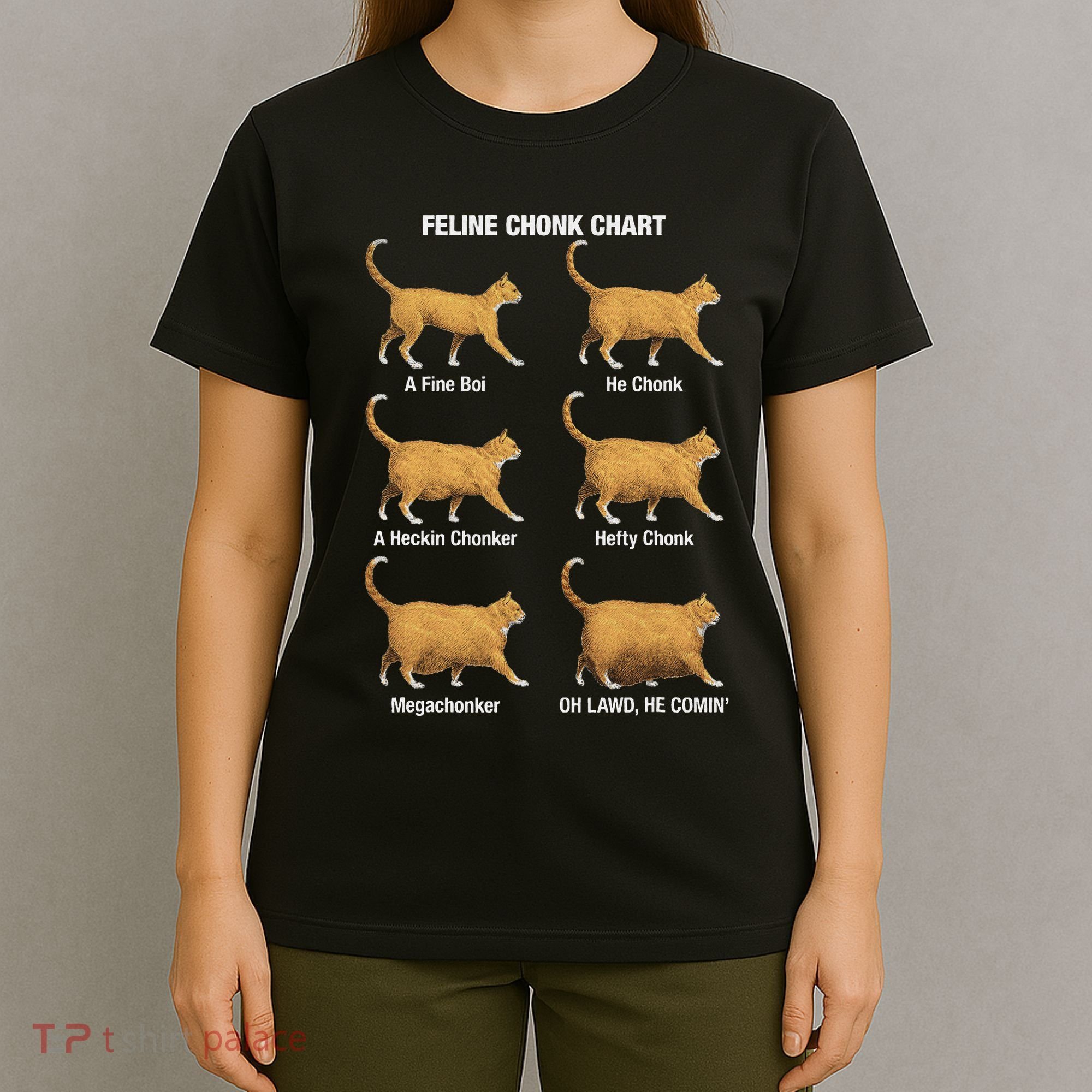
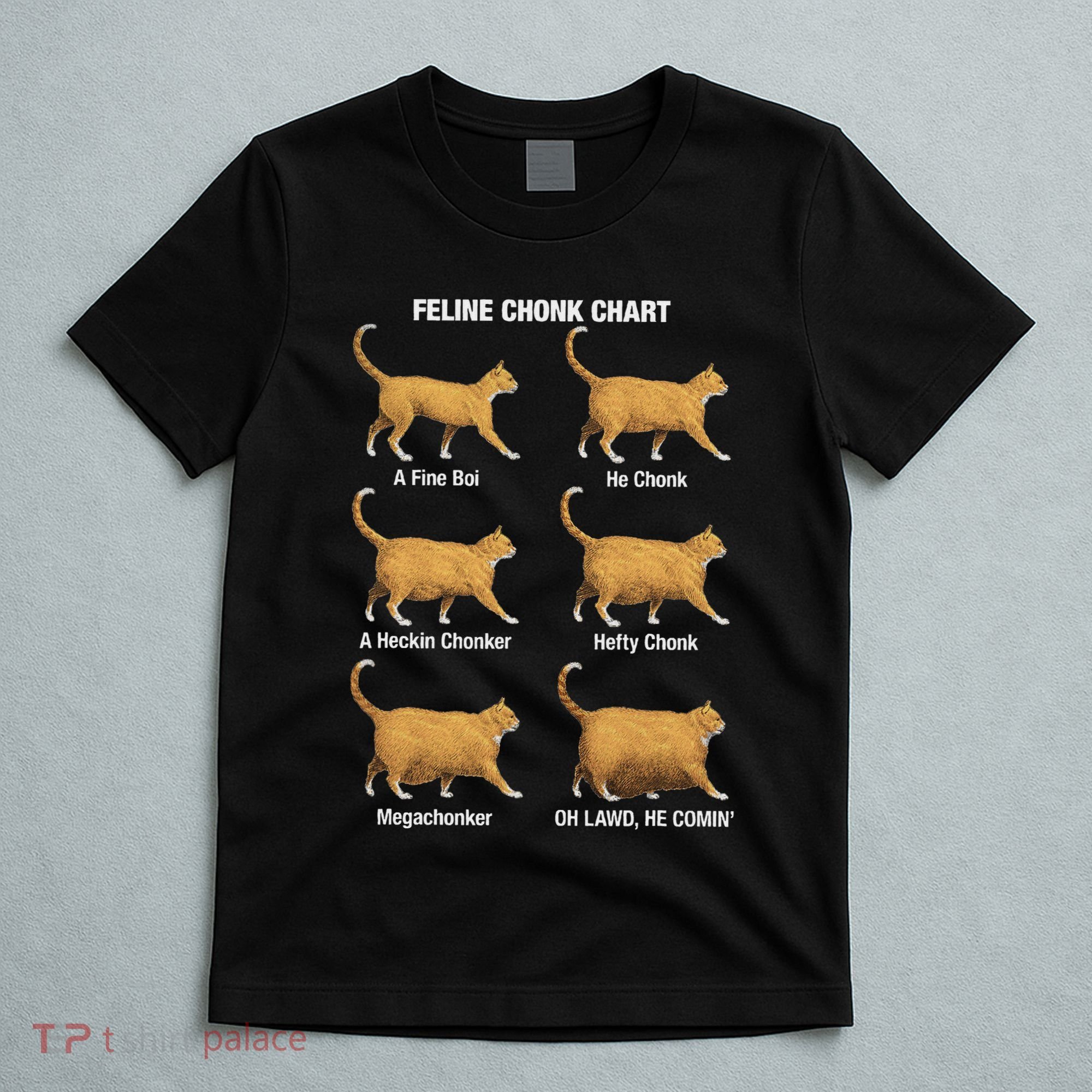
Related: How to use the cat chonk chart?
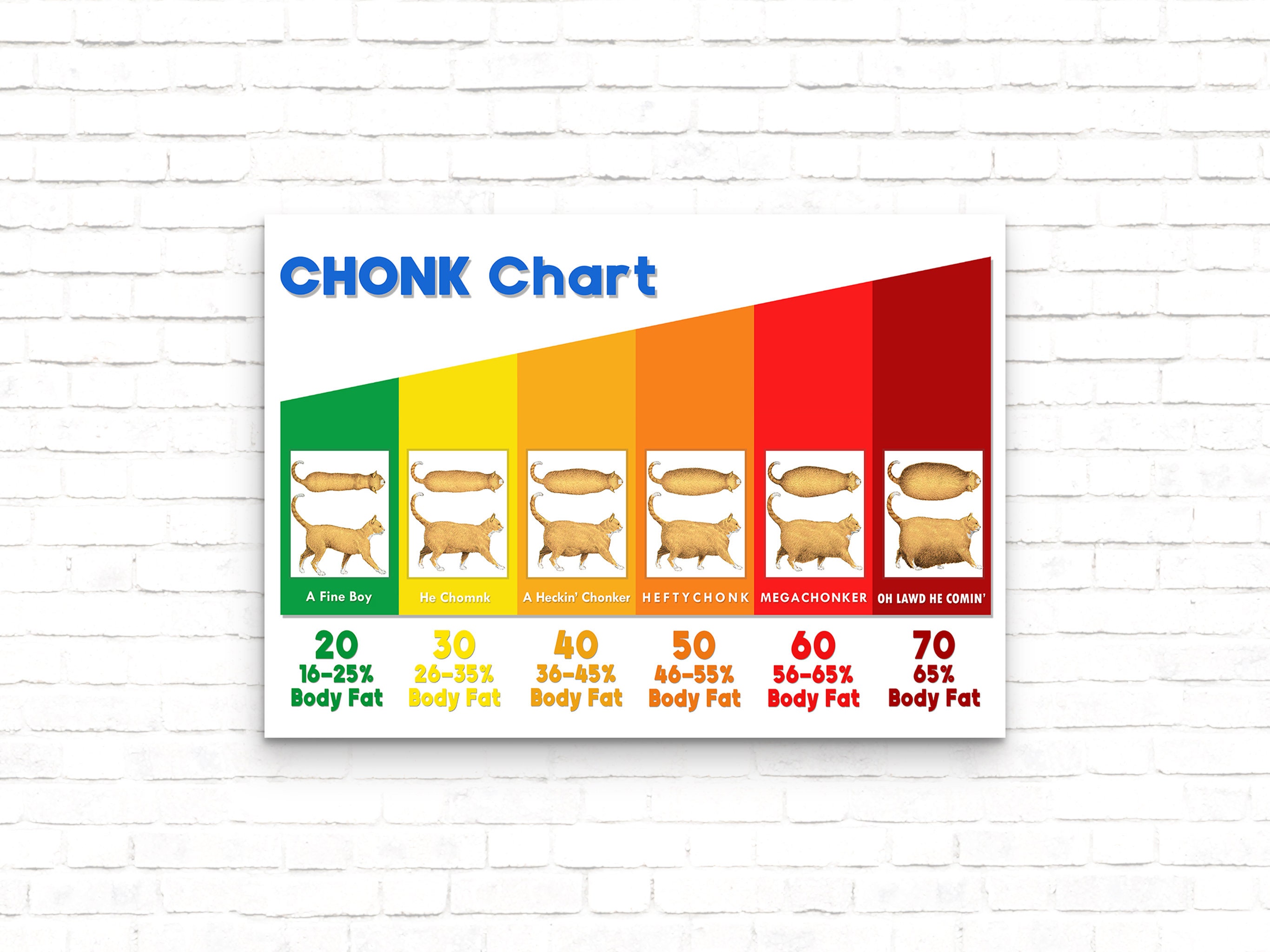
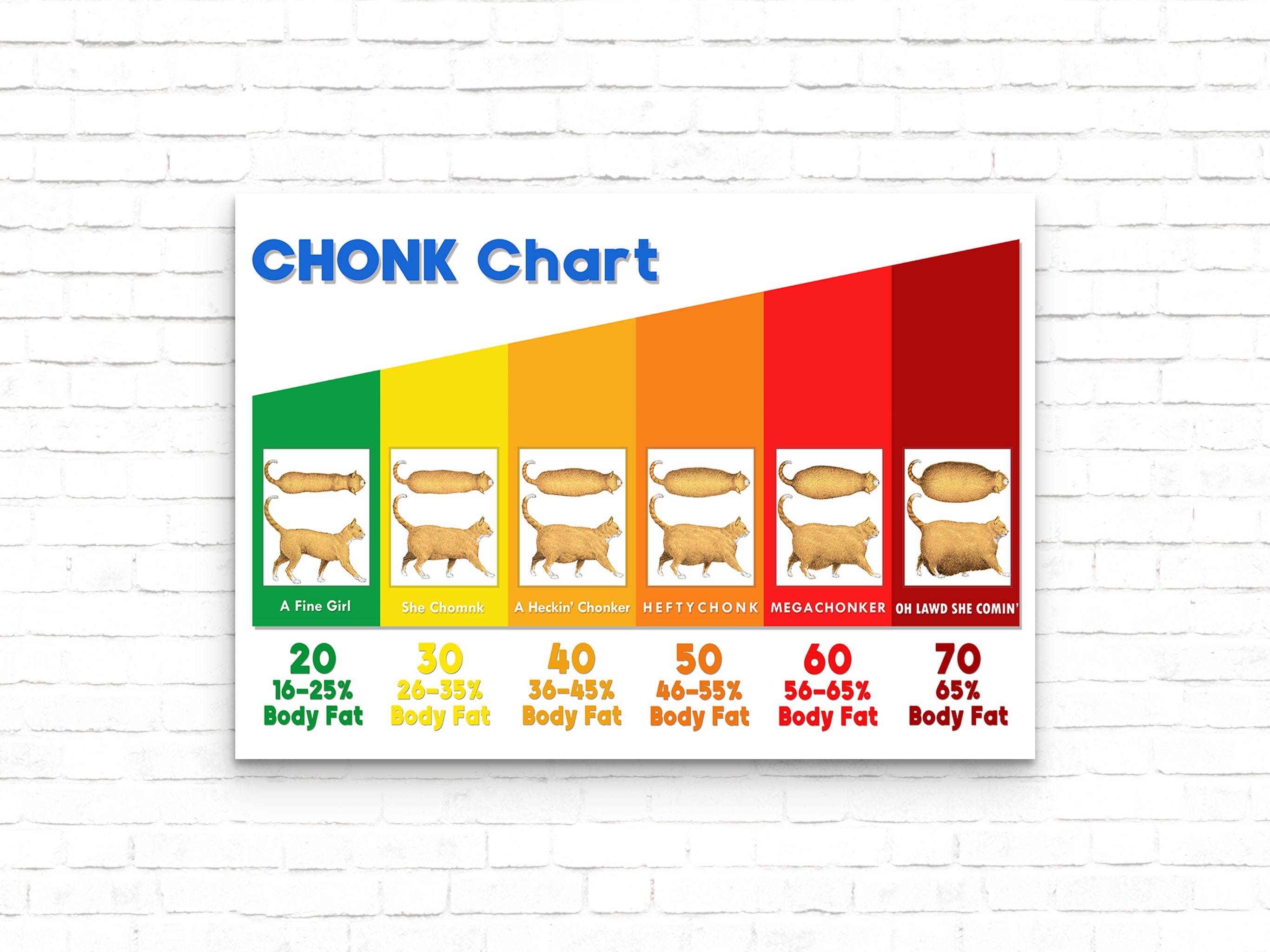
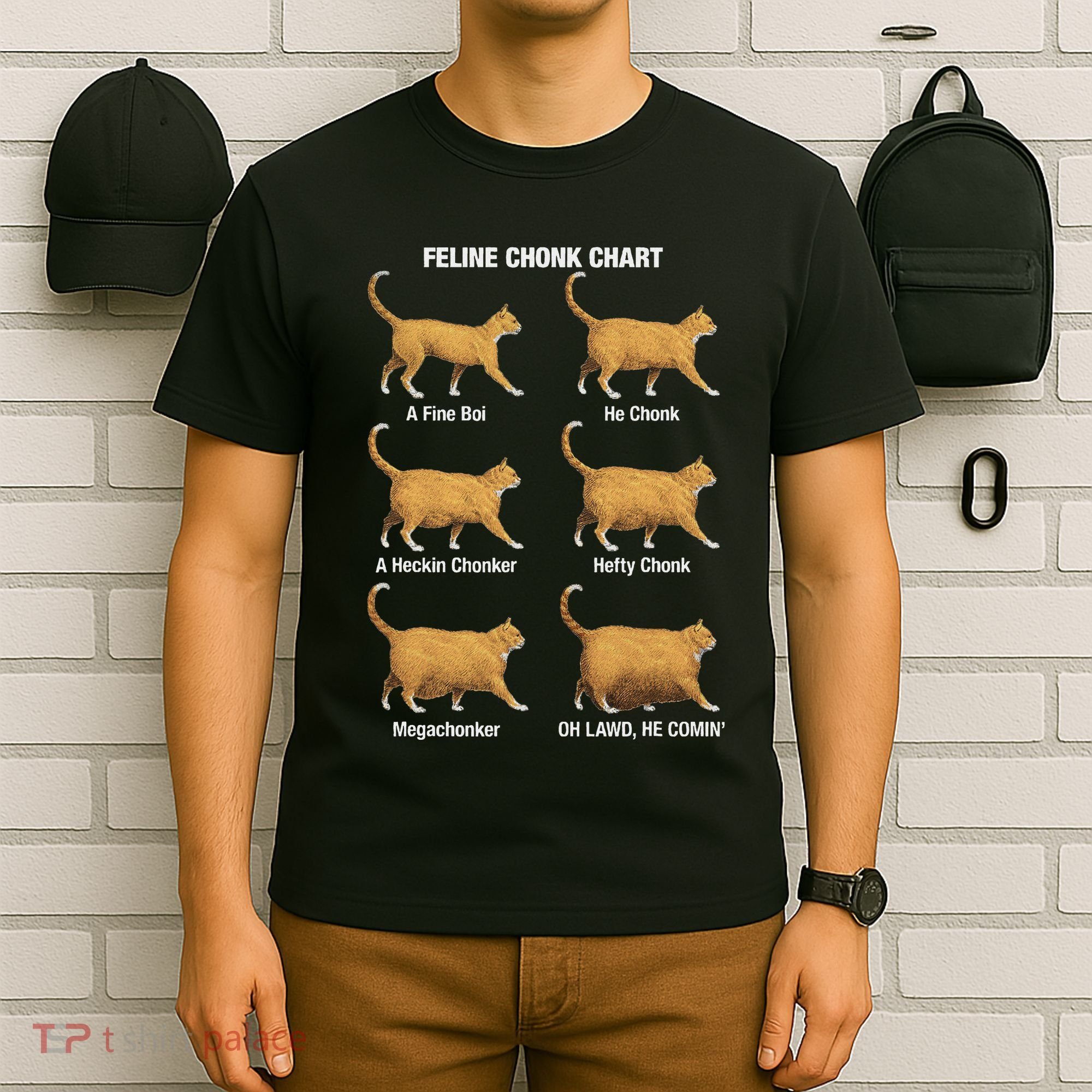
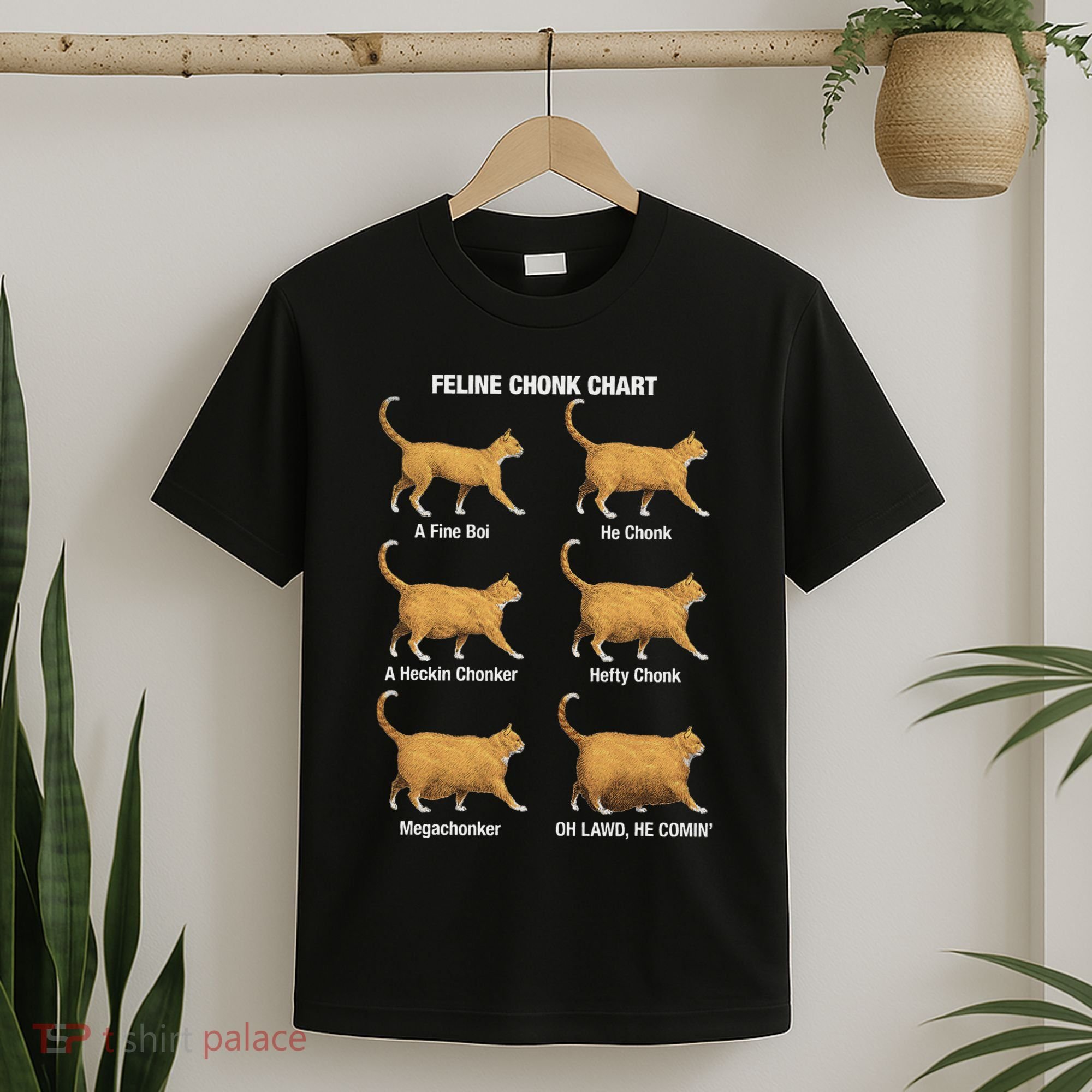
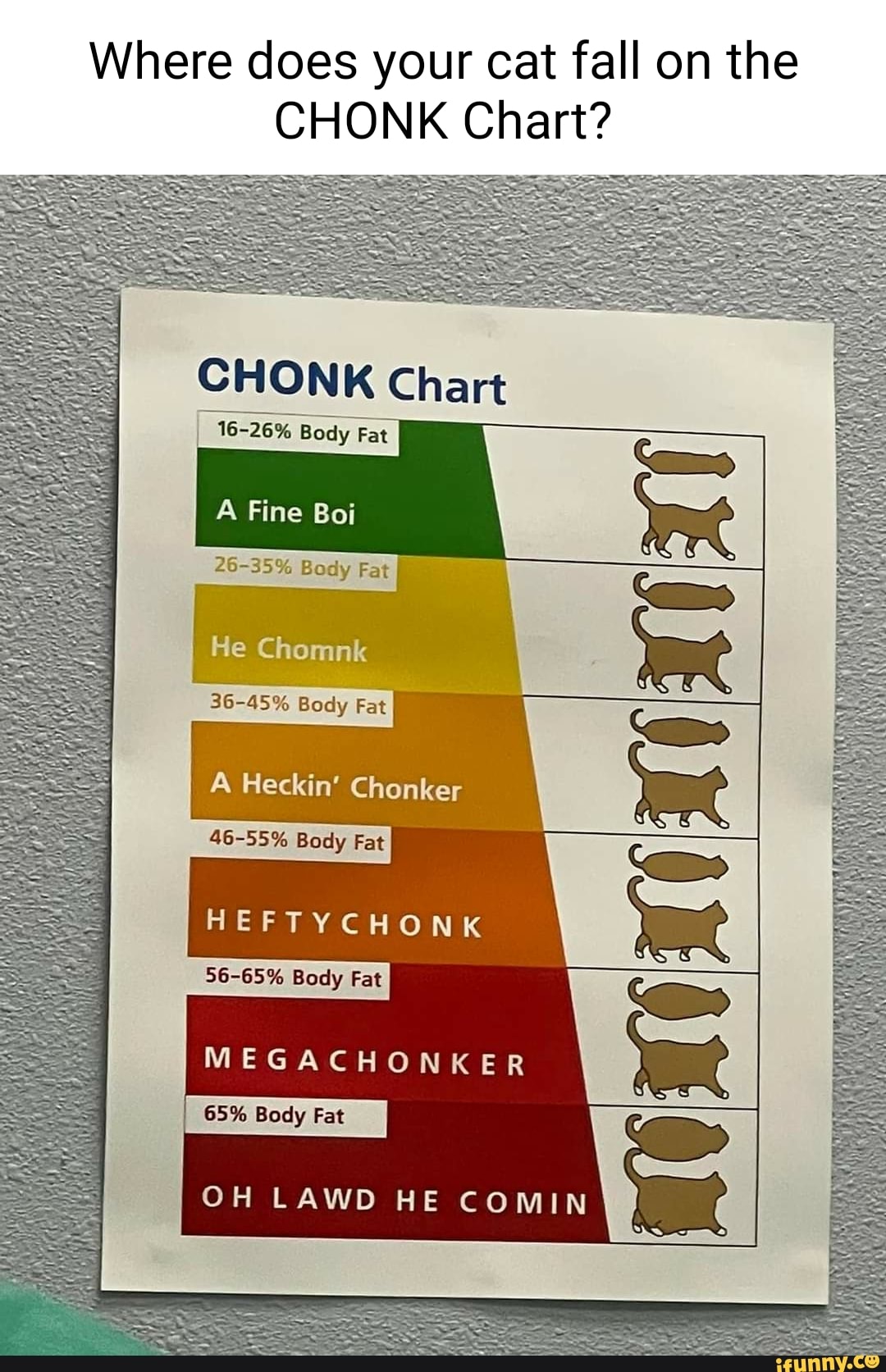
A common misconception about the cat chonk chart is that it's solely about judging a cat's appearance; however, this visual tool serves a much more practical purpose. The cat chonk chart, or feline weight chart, is an essential reference for cat owners, providing a clear guide to assess a cat's body condition and overall health. It offers a simple yet effective way to understand and monitor your cat's weight, ensuring they maintain an ideal and healthy size.
Understanding the Cat Chonk Chart
The cat chonk chart is a valuable tool for cat owners and veterinary professionals to assess a cat's body condition and determine if they are at a healthy weight. It provides a visual representation of different body types and helps identify if a cat falls within the ideal weight range. This chart is a simple yet effective way to monitor a cat's health and make informed decisions about their diet and lifestyle.
Key Details and Categories
The cat chonk chart typically consists of a reference grid or a series of images depicting cats with varying body conditions. It often includes categories such as "Underweight," "Ideal Weight," "Overweight," and "Obese." These categories are further divided into sub-ranges, providing a more detailed assessment. The chart may also feature additional information, such as breed-specific considerations and guidelines for different life stages. It is essential to note that the chart's accuracy depends on the standard used; some charts follow international guidelines, while others may be region-specific.
Interpreting Results: A Step-by-Step Guide
To use the cat chonk chart accurately, follow these steps:
- Familiarize yourself with the chart's layout and categories. Understand the visual representations and their corresponding weight ranges.
- Assess your cat's body condition by feeling their ribcage, spine, and hips. These areas should have a slight covering of fat but not be overly padded.
- Compare your cat's body condition to the images or descriptions on the chart. Look for similarities in terms of body shape, muscle definition, and overall appearance.
- Determine which category your cat falls into. If your cat's body condition aligns with the "Ideal Weight" category, they are likely at a healthy weight. If they are on the border or slightly above, it may indicate a need for weight management.
- Consult with a veterinarian if you have concerns or need further guidance. They can provide personalized advice and help you create a plan to maintain or improve your cat's health.
Variations and Differences Across Standards
It is important to note that cat body condition score charts may vary depending on the standard or region. Different organizations and veterinary associations may have slightly different criteria and weight ranges. Additionally, breed-specific considerations and individual factors can influence the interpretation of the chart. For instance, certain breeds may have naturally larger or smaller frames, affecting their ideal weight range. Always refer to reputable sources and consult professionals to ensure you are using the most appropriate chart for your cat's needs. While the cat chonk chart provides a helpful framework, it is essential to consider each cat's unique characteristics and consult experts for accurate weight management.
While the chart provides a clear and concise guide, it's important to remember that the specifics may differ slightly based on individual circumstances. Each cat is unique, and their health and weight journey is a personal one. So, keep an eye on your furry friend's progress and adjust as needed.
If you're keen to explore more practical guides like this, feel free to browse our other resources. We've got a range of topics covered, so you're sure to find something useful. Happy reading and here's to healthy, happy cats!