

1 100 Number Chart Template Overview
Many people overlook the importance of a sock size chart and its accuracy, often leading to ill-fitting socks and discomfort. This simple tool is your secret weapon against blisters and sore feet!
A sock size chart is a straightforward reference, yet it can vary depending on the brand and region. It's a quick guide to ensure you choose the right size, and it's especially useful when buying online. Think of it as a map to finding the perfect fit, guiding you through the process of matching your foot measurements to the right sock size.
Understanding the Sock Size Chart
A sock size chart is your go-to guide for finding the perfect fit for your feet. It's a simple tool that helps you match your foot measurements to the right sock size, ensuring comfort and avoiding any awkward bunching or slipping.
Key Details and Categories
The chart typically displays two main categories: foot length and sock size. Foot length is usually measured in centimeters (cm) or inches, and it's the distance from the heel to the tip of your longest toe. Sock size, on the other hand, is a standardized measurement that corresponds to this foot length. It's important to note that sock size charts can vary slightly depending on the region and manufacturer, so it's good to check if you're using an international sock size chart or one specific to your country.
How to Read and Apply the Chart
Using a sock size chart is straightforward:
Measure your foot length. Place your foot on a flat surface and use a ruler or measuring tape to get the distance from your heel to the longest toe.
Find your foot length on the chart. Look for the column or row that matches your measured foot length.
Identify the corresponding sock size. The intersecting row or column will give you the recommended sock size.
Choose your socks. Now you can confidently pick your socks, knowing they'll fit comfortably and snugly.
Variations and Differences
While sock size charts provide a standardized guide, there can be variations across different brands and manufacturers. Some may have slightly different size ranges or use unique sizing systems. It's always a good idea to check the brand's specific size guide, especially if you're ordering online or trying a new brand. Additionally, the type of sock (e.g., crew, ankle, or no-show) can also impact the fit, so consider the style you prefer.
Common Mistakes and How to Avoid Them
One of the most common mistakes is not measuring your foot length accurately. Ensure you're standing up and placing your foot flat on the measuring surface. Another pitfall is assuming all sock size charts are the same. Always double-check if you're using an international or regional chart, especially when shopping online or across borders. Lastly, remember that foot shape and width can also affect the fit, so consider trying on socks if possible, or opting for a brand that offers a generous return policy.
Well, that's a wrap on our sock size chart adventure! You now have the tools to ensure you're always getting the perfect fit, which is a win-win for your comfort and style.
Remember, while this guide offers a solid framework, exact values can vary slightly between different standards and sources. So, take a moment to double-check the specific requirements or guidelines relevant to your context. And there you have it—a simple yet effective way to ensure your socks are always a snug and cozy fit!
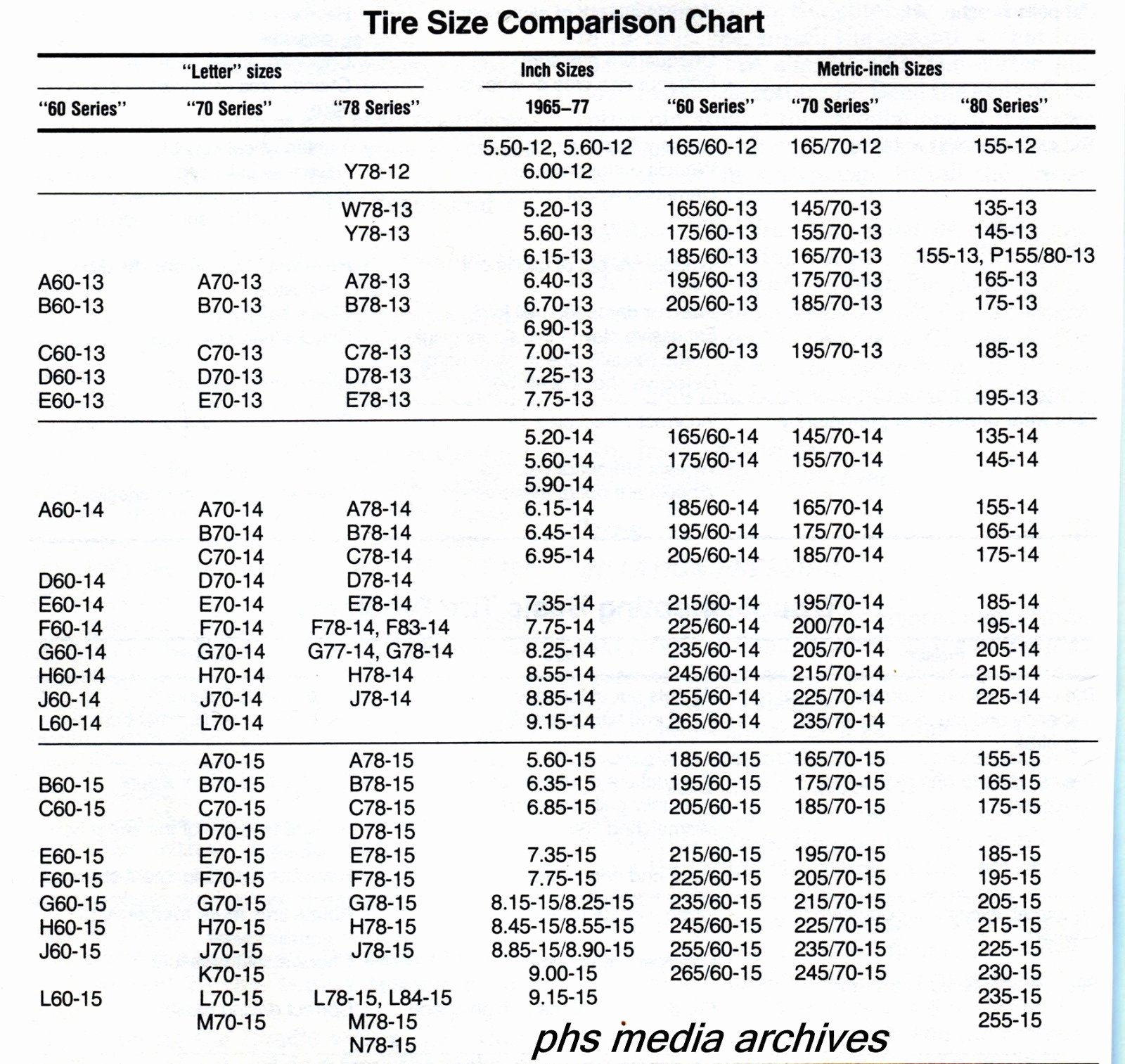
Related: Find Your Perfect Tire Size: A Comprehensive Chart
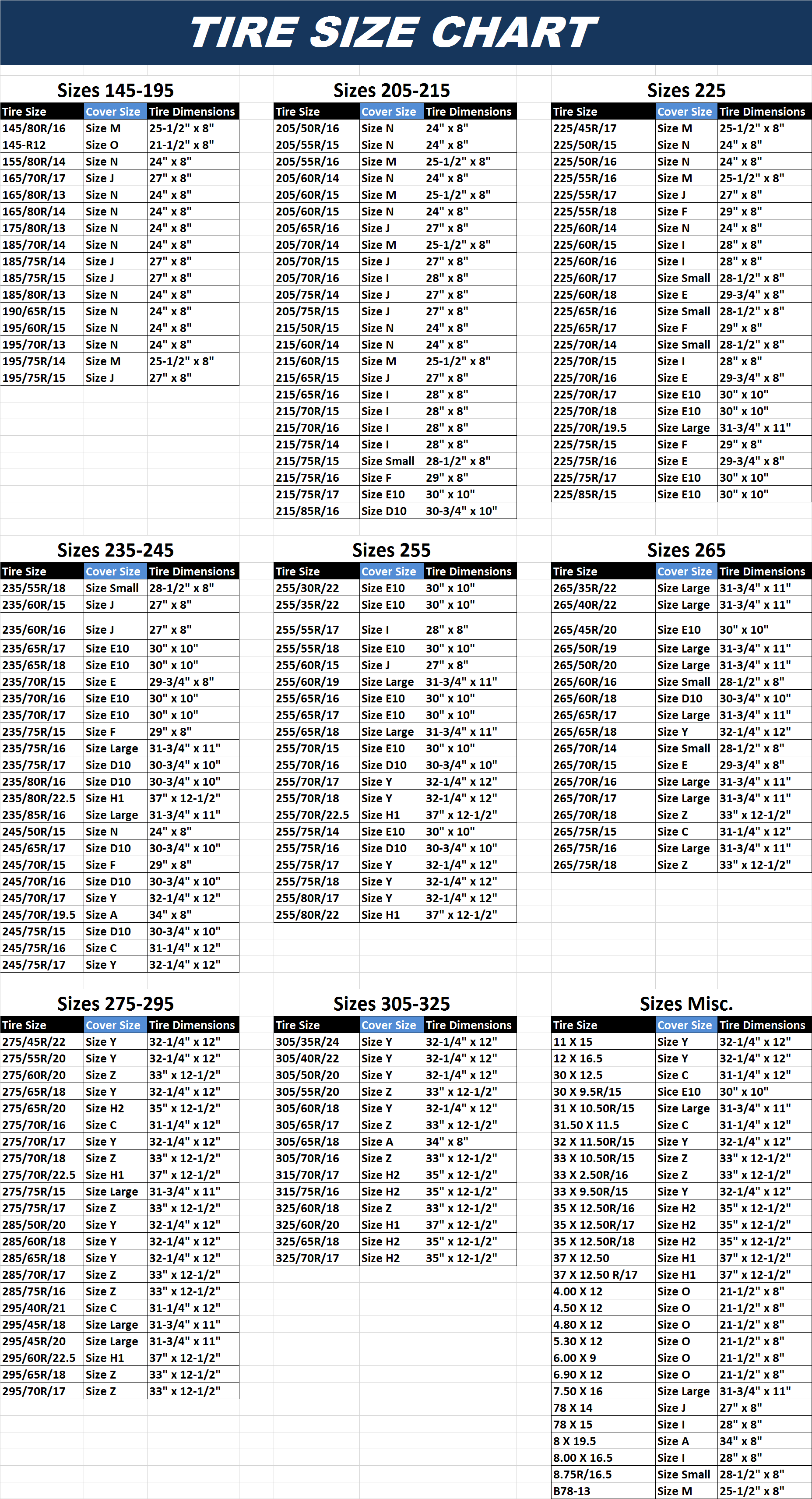
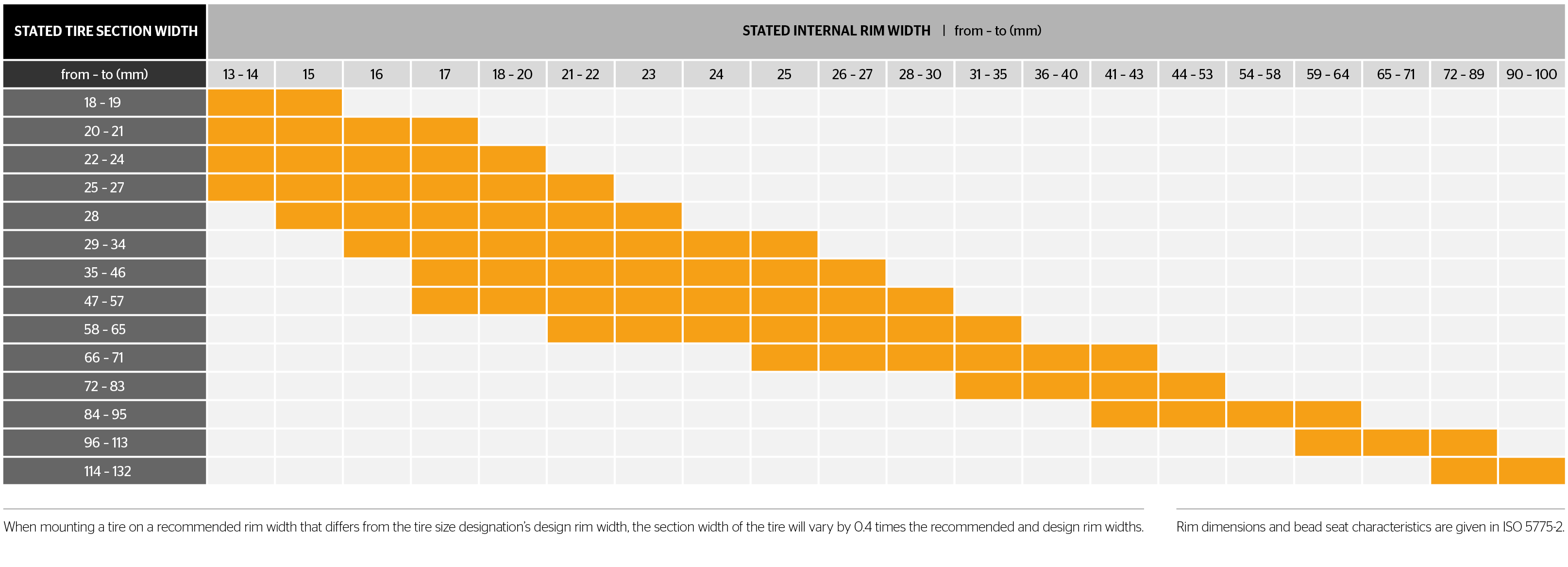
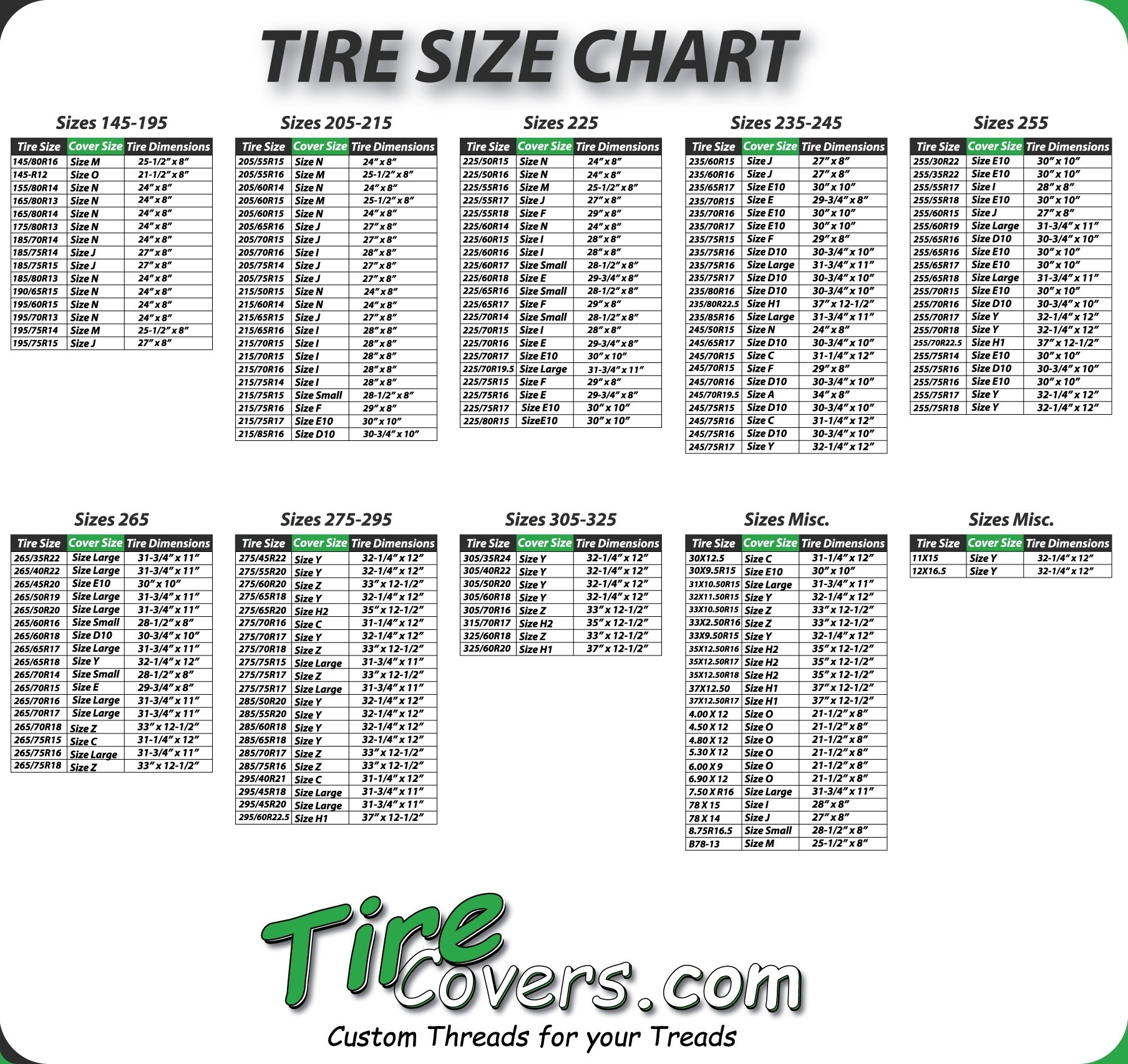
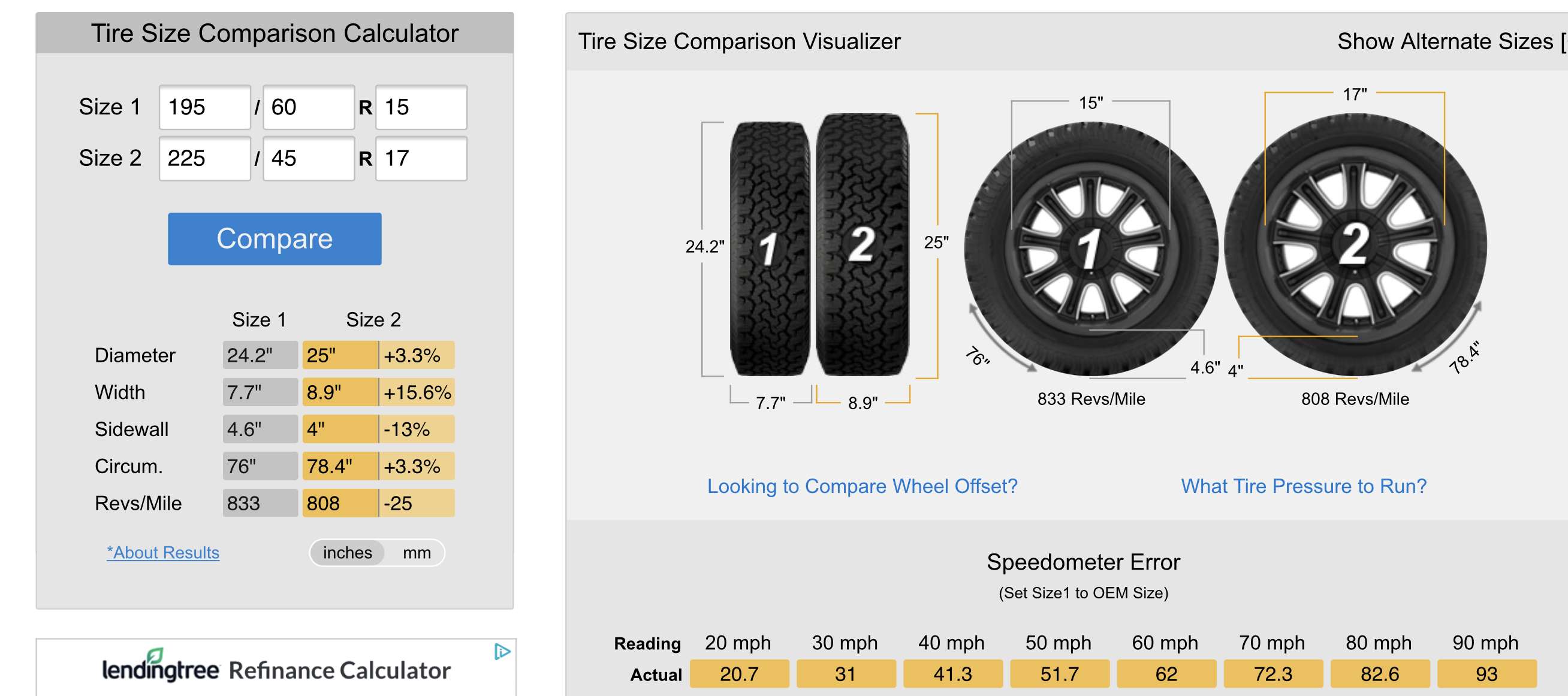
Finding the right tire size can be a straightforward process with the right tools. A tire size chart is an essential reference, offering a clear overview to help you make an informed decision. This chart, a simple yet powerful tool, provides a quick and reliable way to match your needs with the right tire specifications. From tire diameter charts to rim size guides, these resources offer a comprehensive view, ensuring you find the perfect fit for your vehicle.
Understanding Tire Size Charts: A Quick Overview
A tire size chart is an essential tool for anyone dealing with tires, offering a comprehensive guide to tire dimensions and specifications. It provides a clear, visual representation of various tire sizes, helping you make informed choices for your vehicle.
Comparing Tire Size Chart Standards and Formats
There are different standards and formats for tire size charts, primarily the metric tire size chart and the one based on imperial units. The metric system is widely used internationally, while the imperial system is more common in the US. These charts may also vary based on the tire manufacturer's specific guidelines.
Practical Guide to Reading Tire Size Charts
To use a tire size chart accurately, follow these steps:
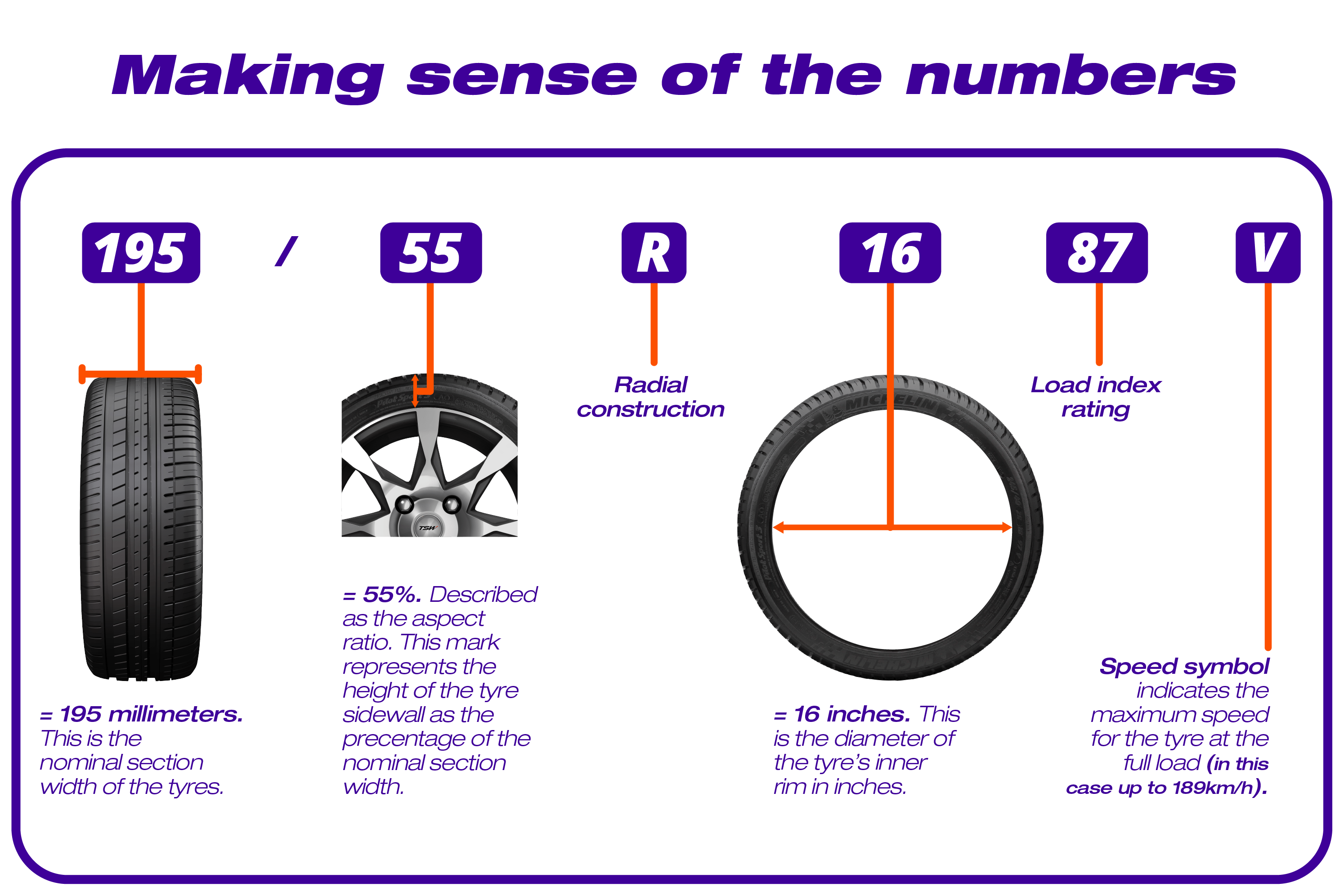
Identify the tire size code on your existing tire. This code typically starts with a letter (e.g., P for passenger vehicle) followed by numbers indicating the width in millimeters, aspect ratio, and rim diameter in inches.
Locate the corresponding size on the chart. Most charts are organized with tire width on one axis and aspect ratio on the other, with rim sizes indicated along the edges.
Cross-reference the size code with the chart to find the tire's diameter, load index, and other relevant specifications.
Ensure the tire size you choose is compatible with your vehicle's make and model, as well as the intended use (e.g., off-road vs. highway driving).
Common Misreadings and How to Avoid Them
Tire size charts can be misinterpreted if you confuse the tire width with the rim size. Always check the chart's labels to ensure you're reading the correct values.
Aspect ratio, which represents the tire's sidewall height, is often misunderstood. It's a percentage of the tire width, not an absolute value.
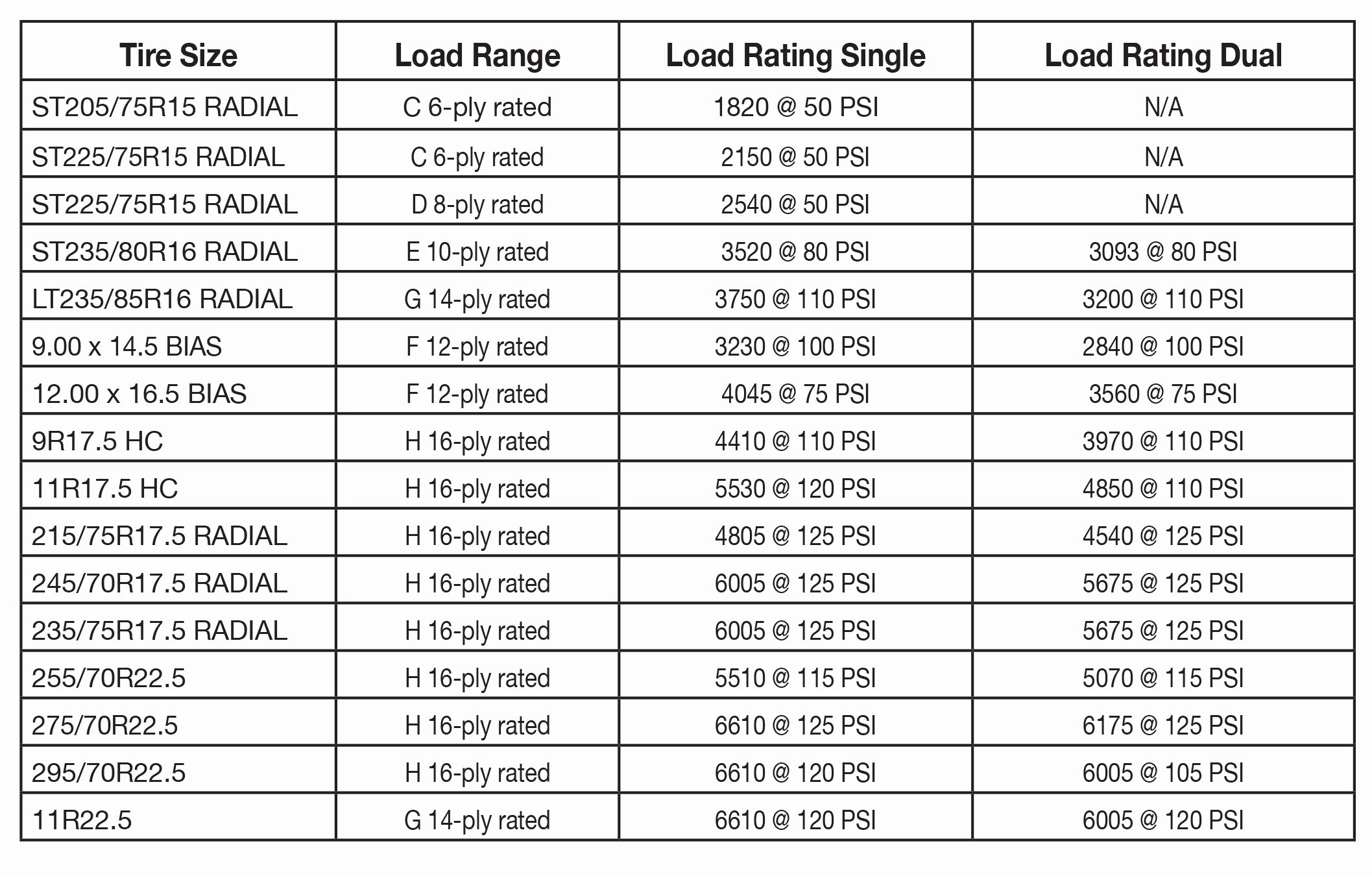
Load index, indicating the maximum weight a tire can carry, is another critical specification. Ensure you understand the load index range for your vehicle and choose tires within this range.
Remember, while tire size charts provide valuable guidance, they may not cover every possible variation. Always double-check exact specifications, especially when dealing with specialized tires or unique vehicle requirements.
While the chart provides a comprehensive guide, it's important to remember that tire sizing can have slight variations, so always double-check the specifics for your vehicle. These details might differ based on your region and the tire manufacturer's standards.
Feel free to explore our other guides for more practical tips and insights. We've got a range of topics covered, so you can find the information you need to make informed decisions. Happy reading!
Related: Uncover Browns Depth Chart Insights
A browns depth chart is a valuable tool for any football enthusiast, offering a concise overview of the Cleveland Browns' team structure. This guide aims to demystify the chart, ensuring you can quickly grasp its purpose and navigate its contents with ease.
The depth chart is a snapshot of the team's player positions, providing a clear hierarchy and an understanding of the Browns' roster. While formats may vary slightly, the core purpose remains the same: to offer a practical reference for fans and analysts alike.
Understanding the Browns Depth Chart: An Overview
The Cleveland Browns depth chart is a valuable tool for fans and analysts, offering a comprehensive view of the team's player positions and their hierarchy. This chart provides an organized representation of the roster, showcasing the depth and talent within each position group. By understanding the depth chart, you can gain insights into the team's strategy, potential starting lineups, and backup options.
Comparing Standard Player Positions and Categories
The depth chart categorizes players based on their primary positions. These positions are typically divided into offense, defense, and special teams. Within each category, you'll find specific roles such as quarterback (QB), running back (RB), wide receiver (WR), defensive end (DE), linebacker (LB), and more. Each position has its own depth chart, indicating the players' rankings and roles within the team.
Reading the Depth Chart: A Step-by-Step Guide
Start by identifying the position group you're interested in. Look for the relevant category on the depth chart, which often uses clear headings or color-coding for easy navigation.
Within each position group, players are typically listed in a hierarchical order. The top player(s) are considered the starters, followed by backups, and so on. Pay attention to the arrangement, as it indicates the team's preferred lineup and depth.
Alongside each player's name, you may find additional information such as their jersey number, height, weight, and sometimes even key statistics. These details provide context and help you recognize individual players and their attributes.
Some depth charts include notes or symbols to indicate injuries, suspensions, or other relevant factors. These indicators can give you a quick glimpse into the team's current situation and potential challenges.
Common Misreadings and How to Avoid Them
One common misconception is assuming that the depth chart represents a rigid, unchanging lineup. In reality, it's a dynamic tool that reflects the team's current status and can change rapidly due to injuries, trades, or performance. Always consider the chart as a snapshot of the team's situation at a specific moment.
Another pitfall is overinterpreting the depth chart's rankings. While it provides a hierarchy, it doesn't always indicate a player's actual performance or potential. The depth chart is a tool for organizing the roster, and players' rankings can change based on various factors, including coaching decisions and individual progress.
Factors Affecting Accuracy and Real-World Use
The accuracy of the Browns depth chart, like any other team's chart, depends on several factors. Firstly, it reflects the team's official roster, which can change frequently during the season due to injuries, trades, or player performance. Thus, it's essential to refer to the most recent depth chart to ensure you have accurate information.
Additionally, the depth chart may not account for all variables. For instance, it might not reflect a player's versatility or ability to play multiple positions. Some players can be listed as backups at one position but may see significant playing time at another, especially in injury-prone positions.
Choosing the Right Format for Specific Needs
The standard depth chart format provides a clear overview of the team's roster. However, for more detailed analysis, you might consider specialized charts or tools. These can include position-specific depth charts, which offer a deeper dive into each role, or statistical charts that provide additional insights based on player performance metrics.
If you're an analyst or fantasy football enthusiast, you might prefer customizable depth charts or spreadsheets that allow you to input and track your own data and projections. These tools can be tailored to your specific needs and preferences, providing a more personalized analysis experience.
Keeping Your Reference Reliable for Next Time
To ensure you have the most up-to-date and accurate information, it's essential to stay informed. Regularly check reliable sources, such as the team's official website or reputable sports media outlets, for the latest depth chart updates. These sources will provide the most current and official information, helping you make informed decisions and analyses.
Additionally, consider setting up notifications or alerts for depth chart changes. Many sports apps and websites offer this feature, allowing you to stay informed about roster moves and depth chart adjustments as they happen. By staying vigilant and proactive, you can ensure your reference materials remain reliable and relevant.
Every depth chart is unique, and while these guidelines offer a solid foundation, your specific context may require some adjustments. The beauty of depth charts is their adaptability, so feel free to tweak and personalize as needed.
Remember, this is a reference tool, so keep it handy for future use. Bookmark this page for a quick refresh whenever you need a reliable guide. It's always good to have these practical resources at your fingertips!