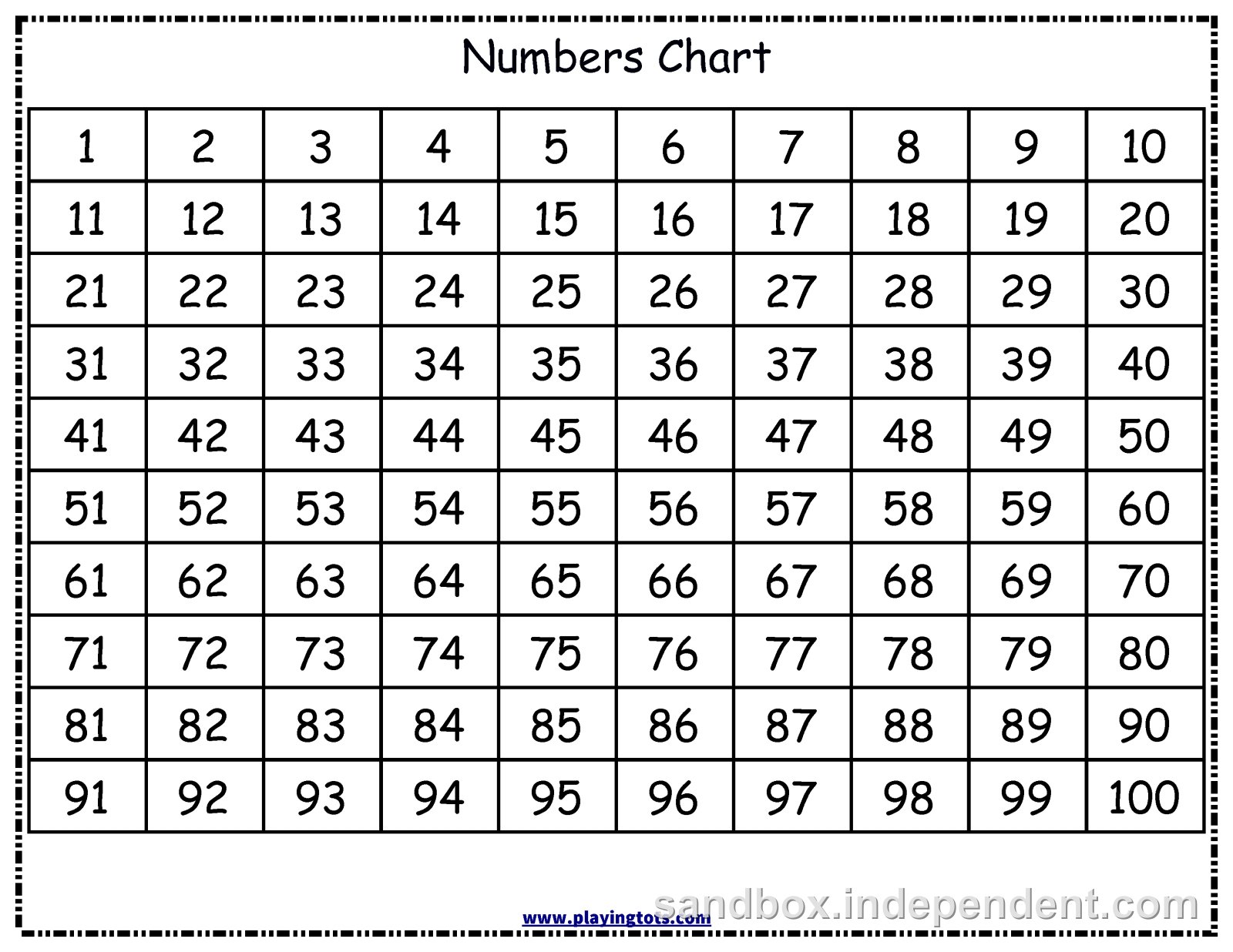


1 To 100 Chart Free Printable Overview
Many people assume that a gauges size chart is a simple, one-size-fits-all guide, but it's actually a bit more complex than that! These charts are essential tools for anyone getting or wanting ear piercings, as they ensure you get the right size jewelry.
While gauges size charts provide a standard gauge system, it's worth noting that variations exist due to different measurement standards and brands. So, it's always a good idea to double-check and ensure you're using the right chart for your needs, whether it's for ear piercing measurements or body jewelry sizing.
Understanding the Gauges Size Chart: A Quick Overview
The gauges size chart is a handy tool for anyone who wants to understand and work with different gauge sizes. It provides a clear visual representation of the various measurements used for gauge sizing, typically for body jewelry or ear piercings. This chart is your go-to reference, offering a simple way to grasp the differences between gauge sizes.
Comparing Gauge Standards and Formats
When it comes to gauge sizes, there are two main standards: the imperial and metric systems. The gauges size chart often presents these in separate columns or sections. Imperial gauges are measured in fractions of an inch, while metric gauges use millimeters. It's crucial to know which system you're dealing with to read the chart accurately.
Measuring Accurately: Step-by-Step Guide
Using the gauges size chart is straightforward:
- Identify the type of gauge you're working with - whether it's an imperial or metric gauge.
- Locate the corresponding column or section on the chart.
- Find the specific gauge size you need by matching it to the values on the chart.
- Take note of the measurements provided, ensuring you understand whether they are in inches or millimeters.
- If you need to convert between the two systems, you can use a gauge conversion chart as a helpful tool.
Common Gauge Mistakes and How to Avoid Them
A common pitfall is mixing up the imperial and metric systems. Always double-check which system your gauge size follows to ensure accurate measurements. Another mistake is assuming all gauge sizes are universal. Different manufacturers and regions might have slight variations, so always refer to the specific body jewelry sizing standards for your context.
Factors Affecting Accuracy and Real-World Use
The gauges size chart is a valuable reference, but it's important to remember that real-world applications can vary. Factors like material tolerance, manufacturing processes, and even the specific body part being pierced can influence the actual size. Always check with reputable sources or professionals for the most accurate information, especially for specialized applications.
Adapting the Chart for Your Needs
While the gauges size chart provides a standard reference, it's adaptable to different needs. If you work primarily with one gauge system, you can focus on that section for quicker reference. For those who need a more comprehensive view, combining both imperial and metric systems on one chart can be beneficial. Additionally, some charts offer additional features like conversion tools or visual aids to assist in understanding gauge sizes.
So, there you have it! A comprehensive guide to gauge size charts, covering all the bases. We've looked at the different standards, a step-by-step process for accurate readings, and even some common mistakes to avoid.
Remember, when it comes to precision, context is key. Ensure you're using the right chart for your specific needs and double-check any critical applications. With these charts as your reference, you'll be well-equipped to make informed decisions. Feel free to explore our other guides; we've got plenty of practical tips and tricks to offer!
Related: Bat Sizes Chart: A Clear Guide for Selection
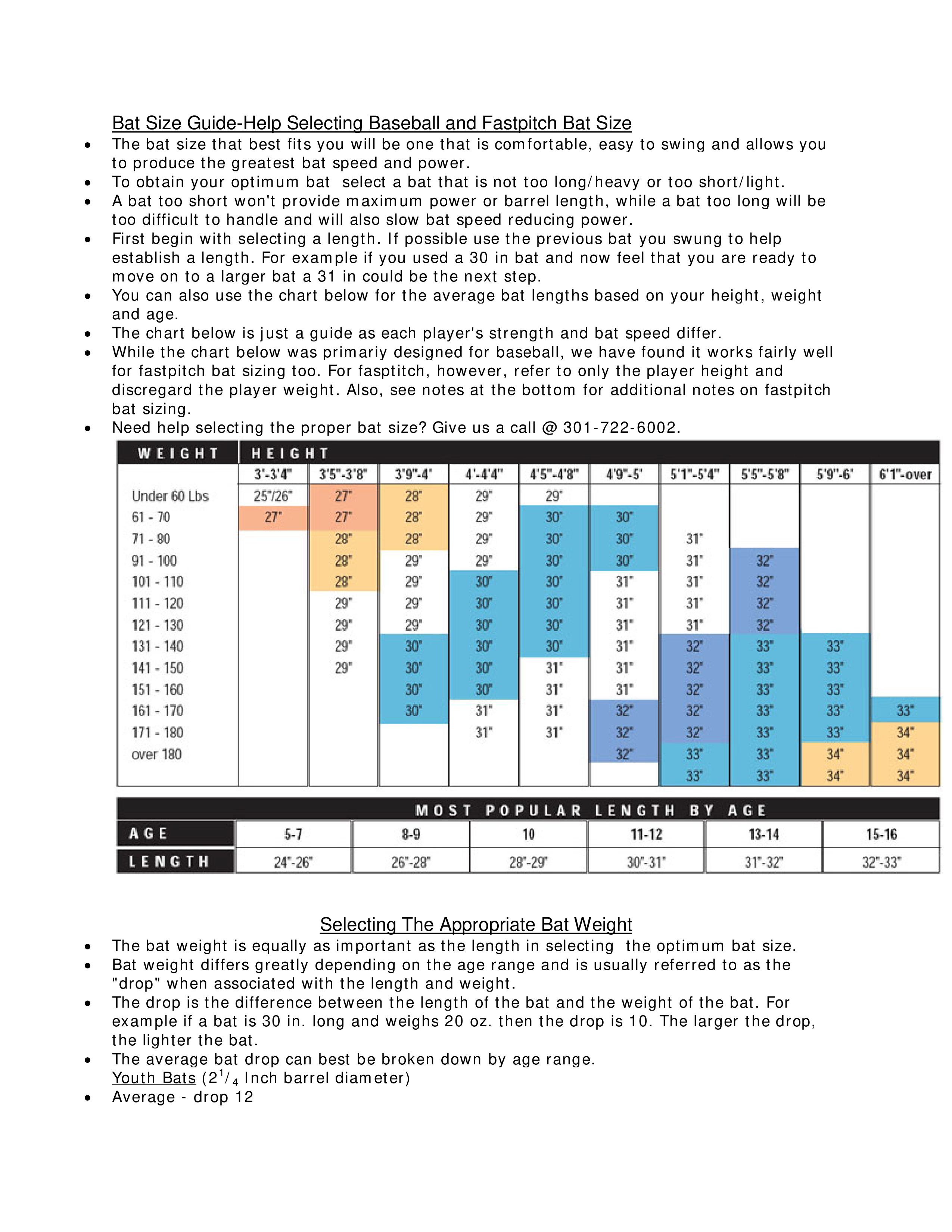
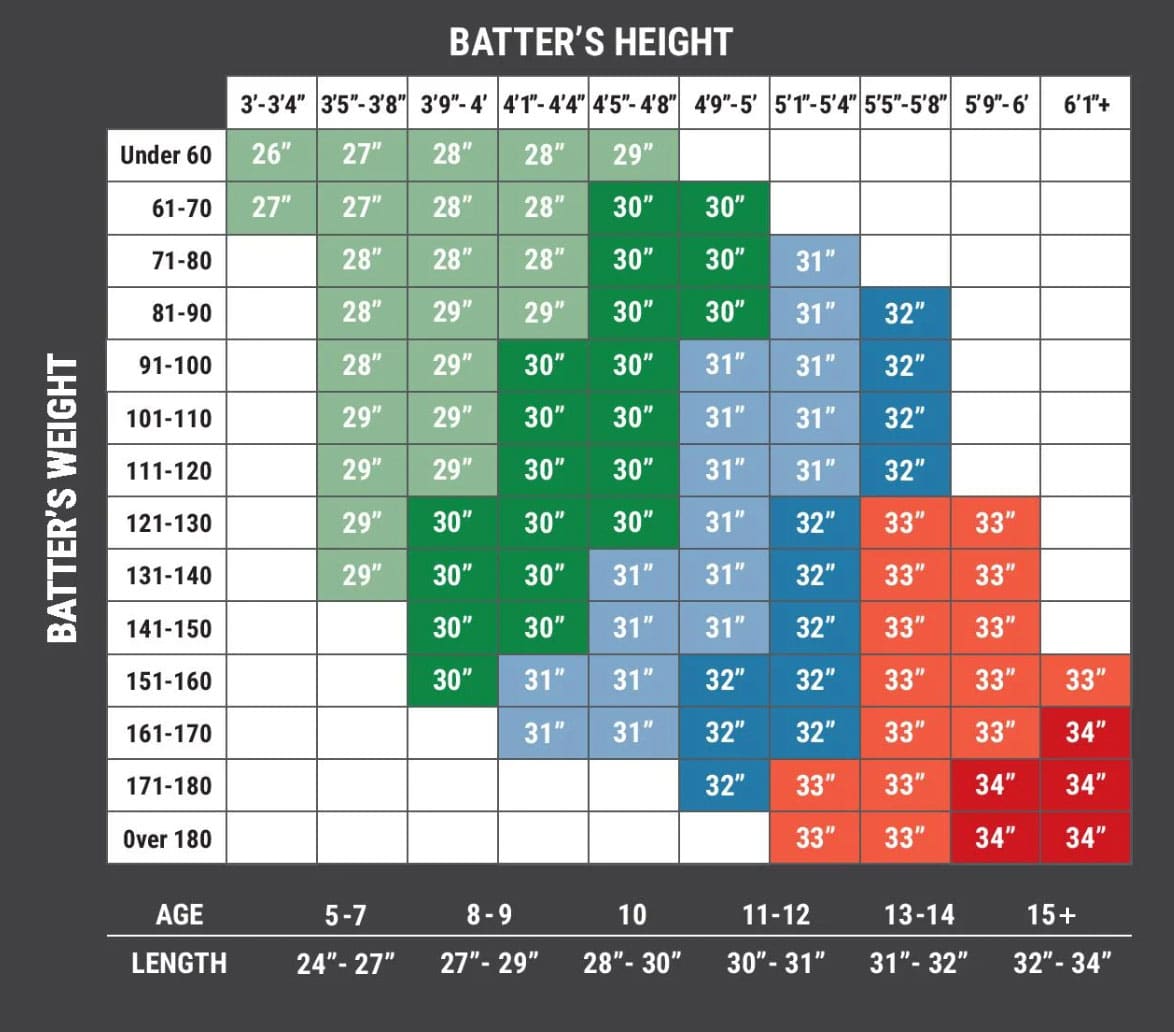
A bat sizes chart is a handy tool for anyone looking to find the perfect bat size, and it's a great starting point for your sporting equipment journey. This guide will cover the basics, showing you how to read and use these charts effectively, whether you're a baseball or softball enthusiast.
These charts provide a quick reference, offering standard bat measurements and sizes, which can vary depending on your sport and age group. It's an easy way to ensure you're on the right track when choosing equipment, and we'll explore the key factors to consider.
Understanding Bat Sizes Chart
A bat sizes chart is a helpful tool for anyone looking to choose the right bat for their needs. It provides a visual guide to help you determine the ideal length and weight of a bat based on factors like age, height, and the sport you play. This chart is a great starting point, offering a quick reference to ensure you select a bat that suits your physical attributes and playing style.
Key Details and Categories
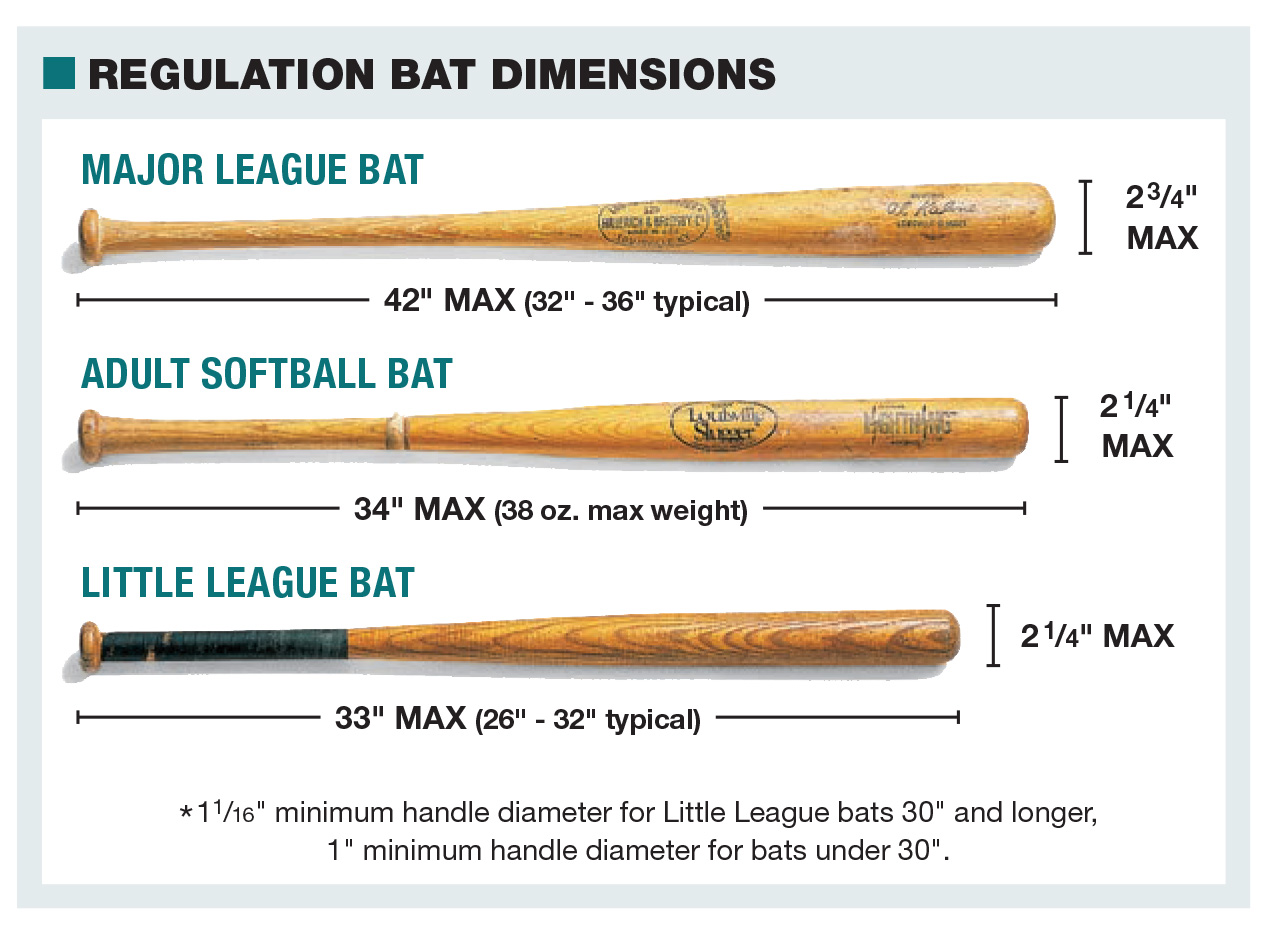
The bat sizes chart typically displays two main categories: length and weight. Length is usually measured in inches, with common sizes ranging from 24 to 34 inches. Weight is often shown in ounces, with a variety of options available. The chart may also include age and height recommendations to guide your selection. Remember, these charts are designed as a general guide, so it's important to consider individual preferences and playing experience.
How to Read and Apply the Chart
Using the bat sizes chart is straightforward. First, identify your age group or height range. Then, find the corresponding recommended length and weight ranges. For example, if you're an adult, the chart might suggest a longer and heavier bat, while youth players may need shorter and lighter options. It's essential to consider your comfort and swing speed when choosing. If you prefer a faster swing, a lighter bat might be best, even if the chart suggests a heavier one for your age.
Bat Size Variations and Differences
Bat sizes charts can vary depending on the sport and the standards used. For instance, baseball bat size charts and softball bat sizing guides may have different length and weight recommendations. Additionally, manufacturers might offer slightly different measurements or weight distributions. It's crucial to check the specific sport and brand guidelines to ensure you get the right bat for your needs. Regional variations also exist, with some countries using metric measurements, which can impact the chart's values.
Common Mistakes and How to Avoid Them
One common mistake is relying solely on the chart without considering personal preferences. Always try out a few bats to find the one that feels comfortable in your hands and allows for a smooth swing. Another pitfall is neglecting to check the latest standards and regulations, especially for competitive play. These can change over time, so it's essential to stay updated. Lastly, don't forget to measure your bat properly. Incorrect measurements can lead to an ill-fitting bat, affecting your performance. Always double-check your measurements against the chart's specifications.
Hey there, I hope this bat size chart has been helpful and easy to navigate. Remember, when it comes to choosing the right bat, it's all about finding the perfect fit for your game.
While this guide provides a solid foundation, it's always a good idea to double-check the specific requirements or regulations for your league or competition. Exact values can vary, so it's best to be prepared and ensure you're covered.
Feel free to explore more of our sports equipment guides and resources. We've got plenty of practical tips and insights to share, so stick around and discover more!
Related: Need a Seed Cycling Chart?
The seed cycling chart is a handy tool for those looking to support their menstrual cycle and hormone health naturally. It's a simple visual guide that outlines a seed cycling protocol, which involves consuming specific seeds at different phases of your cycle.
This guide will walk you through the basics, explaining how to read and use the seed cycling chart effectively. You'll discover the benefits of seed cycling, including its potential to promote hormone balancing and natural fertility. So, let's dive in and explore this fascinating and accessible practice!
Seed Cycling Chart: A Practical Guide
The seed cycling chart is a simple yet effective tool to guide you through the seed cycling protocol. It provides a visual representation of when to consume specific seeds during your menstrual cycle to support hormone balance and overall well-being. This chart is a handy reference for anyone looking to incorporate seed cycling into their daily routine.
Understanding the Phases and Categories
The seed cycling chart typically divides the menstrual cycle into two phases: the follicular phase and the luteal phase. Each phase has its own recommended seed combination. The chart will indicate which seeds to consume during these phases, usually flax and pumpkin seeds for one phase, and sesame and sunflower seeds for the other. It's important to note that the chart may vary slightly depending on the source and individual needs.
Seed Rotation Guide: Step-by-Step
Here's a simple guide on how to read and use the seed cycling chart:
- Identify your cycle: Determine the length of your menstrual cycle. The average cycle is around 28 days, but it can vary. Count from the first day of your period to the day before your next period starts.
- Divide your cycle: The follicular phase typically lasts from day 1 to ovulation, which is usually around day 14 for a 28-day cycle. The luteal phase begins after ovulation and continues until the start of your next period.
- Follow the chart: During the follicular phase, incorporate flax and pumpkin seeds into your diet. You can grind them and add them to smoothies, yogurt, or salads. For the luteal phase, switch to sesame and sunflower seeds.
- Daily intake: Aim for approximately 1-2 tablespoons of the recommended seeds each day during their respective phases. You can adjust the quantity based on your personal preference and dietary needs.
- Repeat the cycle: Continue this seed rotation with each menstrual cycle to support hormone balance and overall health.
Potential Variations and Considerations
While the seed cycling chart provides a general guide, it's important to note that individual variations may occur. Here are some factors to consider:
- Cycle length: If your cycle is shorter or longer than average, adjust the seed rotation accordingly. Consult a healthcare professional for personalized advice.
- Seed allergies: Be mindful of any seed allergies or sensitivities. Always introduce new foods gradually and monitor for any adverse reactions.
- Storage and preparation: Proper storage and preparation are key. Store seeds in a cool, dry place, and consider grinding them fresh for maximum nutritional value.
- Dietary supplements: Seed cycling is a natural approach, but it may be combined with other dietary supplements for additional support. Consult a healthcare provider for guidance.
Remember, the seed cycling chart is a tool to support your overall health and well-being. It's always a good idea to seek professional advice, especially if you have specific health concerns or conditions.
Hey there, we hope this seed cycling chart has been a helpful tool for you! While the basics remain the same, you might find that the exact details can differ slightly depending on your specific needs and sources.
So, keep this guide handy and feel free to explore our other practical reference articles for more quick tips and tricks. We're here to make your life easier, one chart at a time!