


10 Commandments Coloring Pages Overview
My McLaren Chart is a handy tool, a quick-reference companion for anyone working with McLaren data. This guide will show you how to make the most of this chart, ensuring you can navigate and utilize it effectively. It's a simple yet powerful resource, offering a clear overview and a great starting point for your McLaren-related tasks. Whether you're a pro or new to McLaren, this chart has you covered, providing standard measurements and a visual guide to get you started.
A Quick Glimpse at the McLaren Chart
The McLaren Chart is a handy reference tool that provides a visual representation of various measurements and specifications. It offers a quick and practical guide to understand and compare different aspects, making it a valuable resource for many industries and everyday tasks.
Comparing Options: A Visual Breakdown
This chart presents a range of options, typically in a tabular or graphical format. It allows you to see the differences and similarities between various standards, formats, or categories. For instance, it might compare the dimensions of different McLaren models, helping you choose the right one for your needs.
Step-by-Step Guide: Using the McLaren Chart
- Identify the Purpose: Determine what you want to achieve by referring to the chart. Are you comparing sizes, selecting a suitable model, or checking specifications?
- Locate the Relevant Section: The chart is organized into sections or columns. Find the specific area related to your query. For example, if you're interested in wheel sizes, navigate to the "Wheel Dimensions" section.
- Read the Values: Each entry on the chart represents a specific value or measurement. Ensure you understand the units used, whether it's inches, centimeters, or any other standard unit.
- Compare and Analyze: Compare the values side by side to identify the differences. The chart often uses colors, shading, or patterns to highlight variations, making it easier to spot differences at a glance.
- Make Informed Decisions: With the information from the chart, you can now make informed choices. Whether it's selecting the right McLaren model or understanding the specifications of a particular component, the chart provides a quick and reliable reference.
Common Pitfalls and How to Avoid Them
While the McLaren Chart is a useful tool, it's important to be aware of potential pitfalls. One common mistake is misreading the units. Always double-check the unit of measurement, especially when comparing values across different sections. Additionally, remember that the chart provides general guidelines and may not account for every unique situation. If you require precise specifications, consult the original manufacturer's data or seek expert advice.
Factors Affecting Accuracy and Real-World Use
The accuracy of the McLaren Chart depends on several factors. Firstly, the chart may use different standards or units, so ensure you're referring to the correct version for your region or industry. Secondly, while the chart provides a comprehensive overview, it might not cover every possible variation or exception. In such cases, it's essential to cross-reference with other reliable sources or consult experts to ensure accuracy. Lastly, remember that real-world conditions can vary, so always consider the specific context and environment when applying the chart's information.
Well, there you have it! A handy guide to your McLaren chart, covering all the bases. We've looked at the options, walked through the process, and even tackled some common pitfalls.
Remember, while this guide provides a solid framework, the specifics might shift a little based on your unique context. So, feel free to adapt and make it your own! And if you're keen to explore more, why not check out our other guides? We've got a whole host of practical resources to help you on your way. Happy charting!
Related: Jersey Size Chart: A Quick Reference Guide
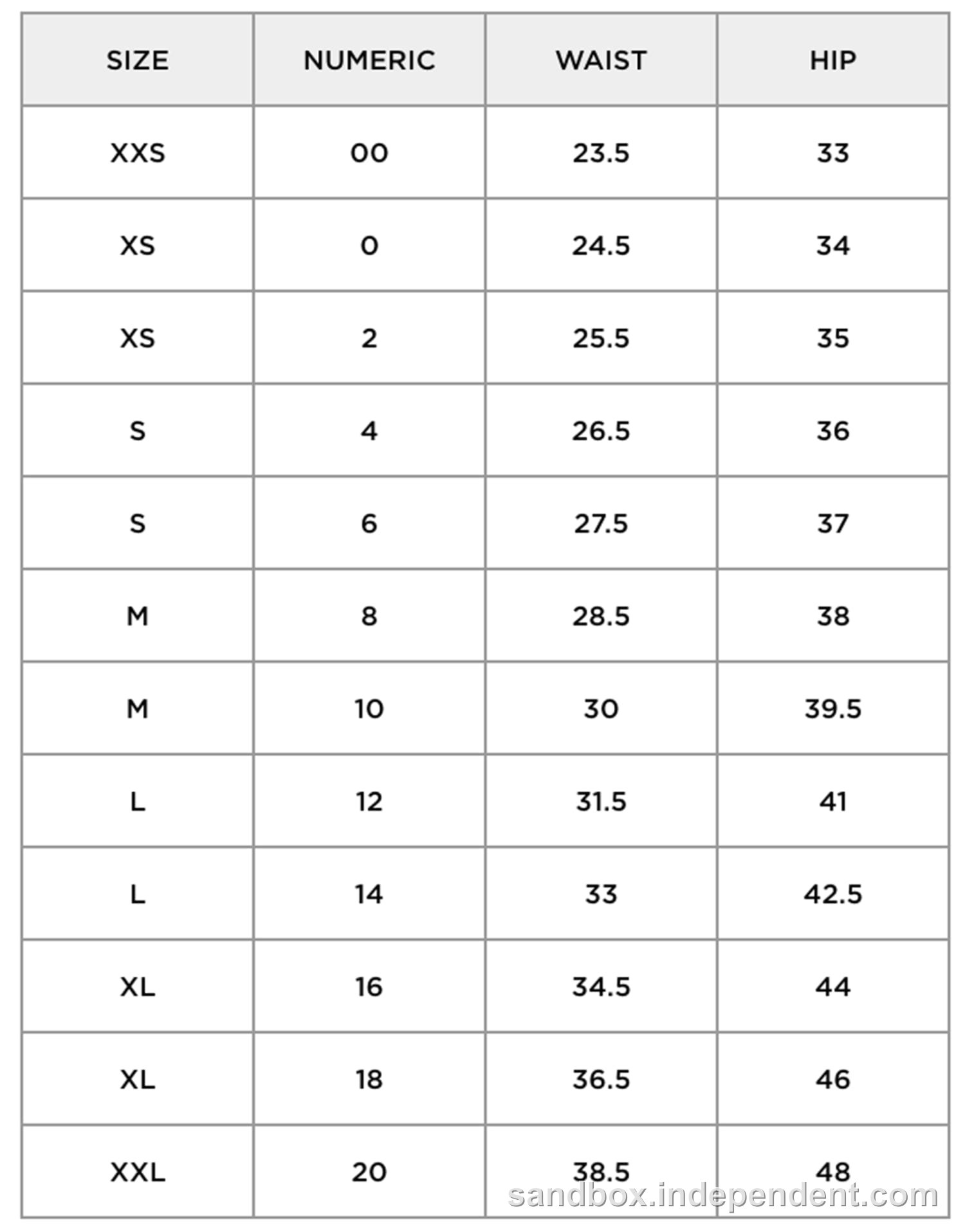
A jersey size chart is a handy tool for anyone looking to ensure a perfect fit when ordering clothing online or understanding garment measurements. This guide will provide an overview of these charts, covering their purpose and the key information they offer.
They offer a quick reference, typically presenting measurements for various body parts and the corresponding clothing sizes. While standards can vary, a good chart will provide a reliable starting point for finding your ideal size, whether you're shopping for men's, women's, or kids' apparel.
Understanding the Jersey Size Chart
A jersey size chart is an essential tool for anyone looking to purchase clothing, especially online. It provides a standardized guide to help you choose the right size for your body measurements. This chart ensures a perfect fit and can save you from the hassle of returns and exchanges.
Key Details and Categories
The jersey size chart typically includes measurements for chest, waist, and hip circumference, as well as height. These measurements are presented in a table format, with sizes categorized by numerical values or alphabetical letters, depending on the standard being used. For example, the US standard may use numerical sizes like 32, 34, 36, etc., while the European standard might use letters such as S, M, L, XL, and so on. It's important to note that these sizes can vary slightly between brands and manufacturers, so always refer to the specific jersey size chart provided by the retailer or brand you're purchasing from.
Step-by-Step Guide: Reading the Chart
To use the jersey size chart accurately, follow these steps:
Measure your body: Take accurate measurements of your chest, waist, hips, and height. Ensure you follow the guidelines provided on the chart for proper measuring techniques.
Find your size: Locate your measurements on the chart. For instance, if your chest measurement is 38 inches, look for the column or row that corresponds to this value.
Check other measurements: Ensure that your waist and hip measurements also align with the size you've chosen based on your chest measurement. If there's a significant discrepancy, you may need to choose a different size or consider a custom-fit option.
Consider the fit: Different brands and styles may offer various fits, such as slim, regular, or relaxed. Refer to the chart's notes or additional guidelines to understand how these fits may impact the overall size.
Size Variations and Differences
Size charts can vary across brands and regions due to different standards and preferences. For instance, a size medium in one brand might fit like a large in another. This is why it's crucial to refer to the specific jersey size chart for the brand you're purchasing from. Additionally, some brands may offer size guides with detailed measurements for each size, providing a more precise fit.
Common Mistakes and How to Avoid Them
One common mistake is assuming that your size remains constant across all brands. Always refer to the jersey size chart for each brand to ensure an accurate fit. Another mistake is neglecting to measure yourself properly. Ensure you follow the guidelines provided on the chart to get the most precise measurements.
Tips for a Perfect Fit
To achieve the best fit, consider these tips:
Measure yourself regularly, especially if you're purchasing clothing after a significant weight change or growth spurt.
If you're between sizes, choose the larger size for a more comfortable fit or the smaller size for a tighter, more fitted look.
Pay attention to the fabric and style of the jersey. Some fabrics may have more or less stretch, impacting the overall fit.
Don't be afraid to try on multiple sizes if you're unsure. Many online retailers offer free returns, so take advantage of this to find your perfect fit.
Well, there you have it, a comprehensive guide to jersey size charts. With this knowledge, you can confidently navigate the world of sizing and ensure a perfect fit every time. Remember, while this guide provides a solid foundation, exact values can vary, so always refer to the specific guidelines provided by the brand or manufacturer for the most accurate results.
Feel free to explore our other resources on sizing and fitting guides; we've got plenty of practical tips to ensure your wardrobe choices are always spot on. Happy shopping, and don't forget to measure twice (or thrice) to ensure that perfect fit!
Related: How to use a kitten age chart?
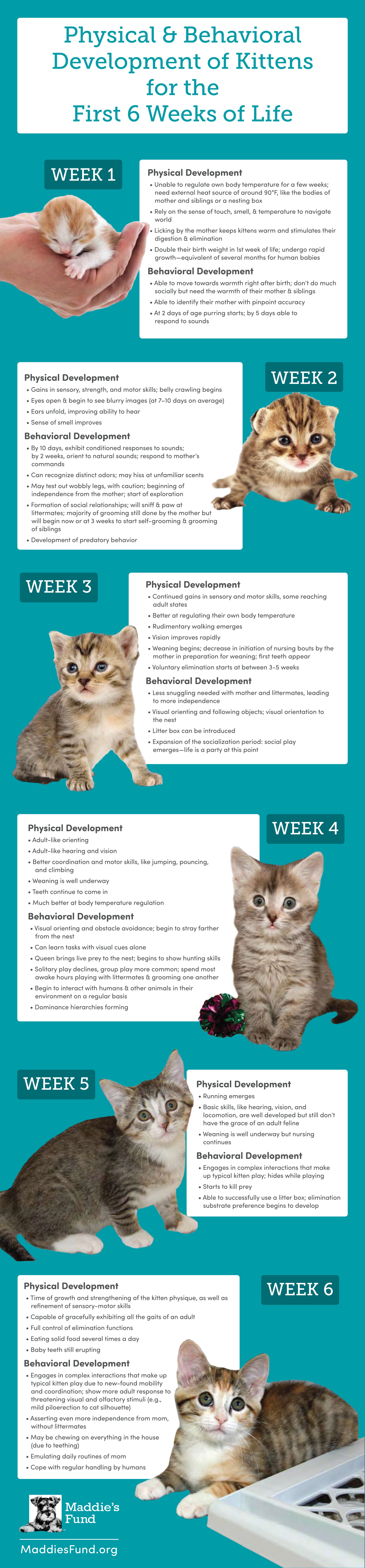
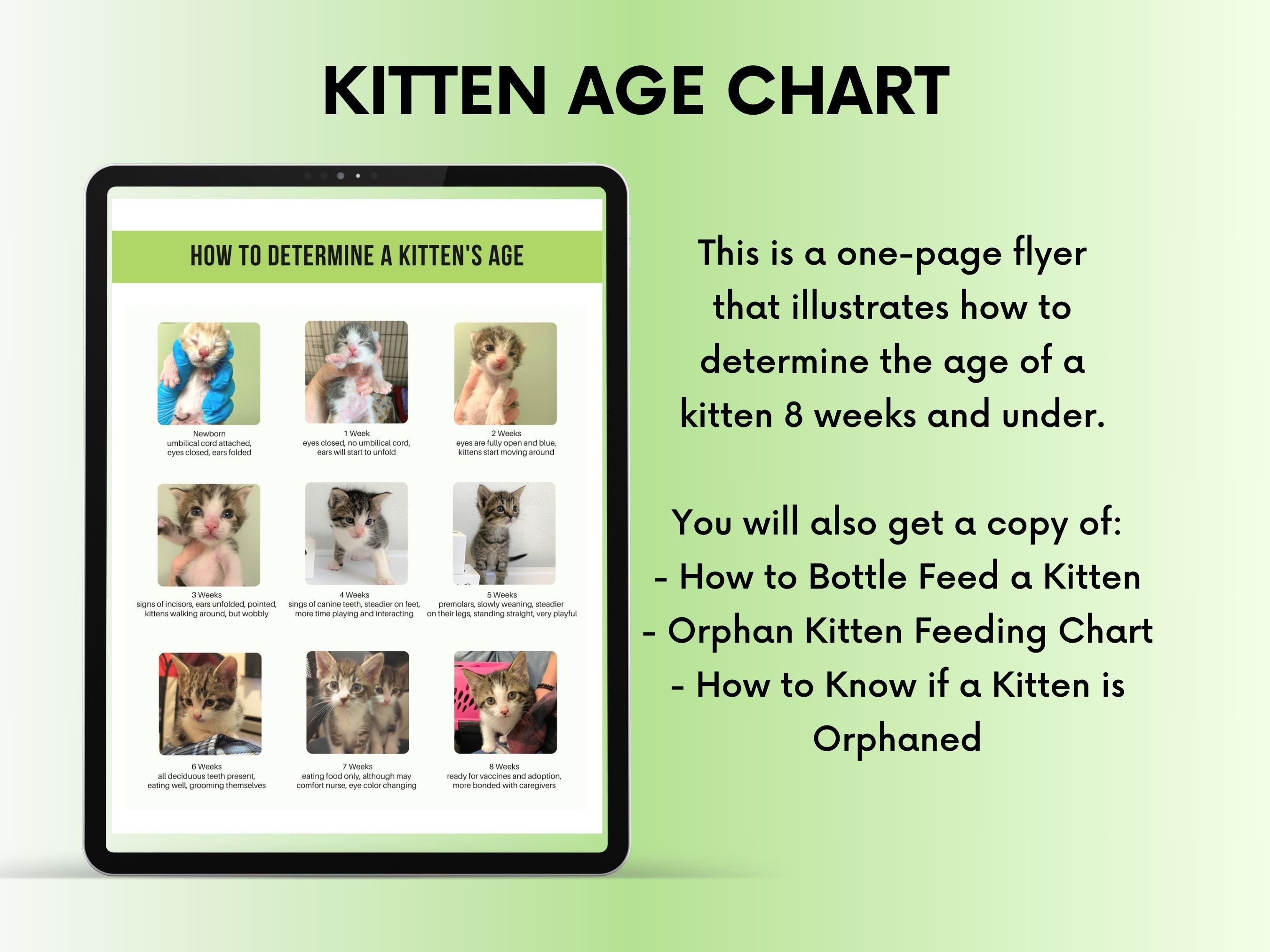
A kitten age chart is a handy tool for any cat lover or owner, offering a quick glimpse into a kitten's growth and development. This guide will cover the essentials, providing you with the knowledge to interpret and utilize a kitten age chart effectively.
From weeks to months, these charts outline standard milestones and common development stages, giving you an overview of your kitten's progress. While values may vary slightly depending on factors like breed and region, the charts offer a reliable reference point for cat enthusiasts and owners alike.
Understanding the Kitten Age Chart
The kitten age chart is a valuable tool for cat owners and enthusiasts, offering a visual representation of a kitten's growth and development over time. This chart provides a practical guide to understanding a kitten's age and the associated milestones.
Key Details and Categories
The kitten age chart typically presents age in weeks or months, with corresponding physical and behavioral changes. It covers a kitten's journey from birth to adulthood, usually up to one year. The chart may vary slightly depending on the standard used, but it generally follows a consistent format.
Reading and Applying the Chart
To use the kitten age chart accurately, follow these steps:
- Identify the age of your kitten in weeks or months.
- Locate the corresponding age range on the chart.
- Review the physical and behavioral characteristics listed for that age range.
- Compare these characteristics to your kitten's development.
- Note any significant variations or delays, which may indicate the need for veterinary attention.
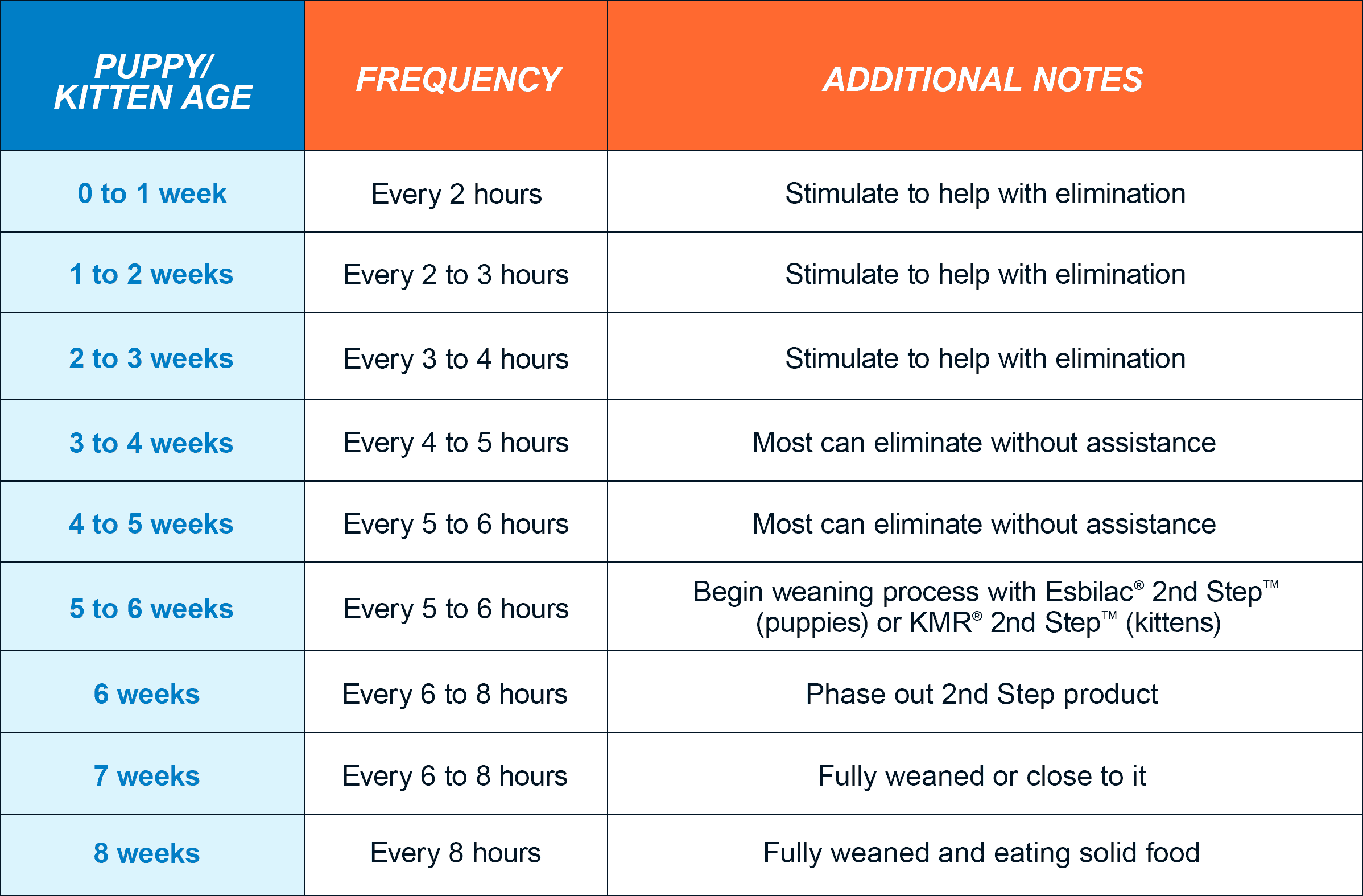
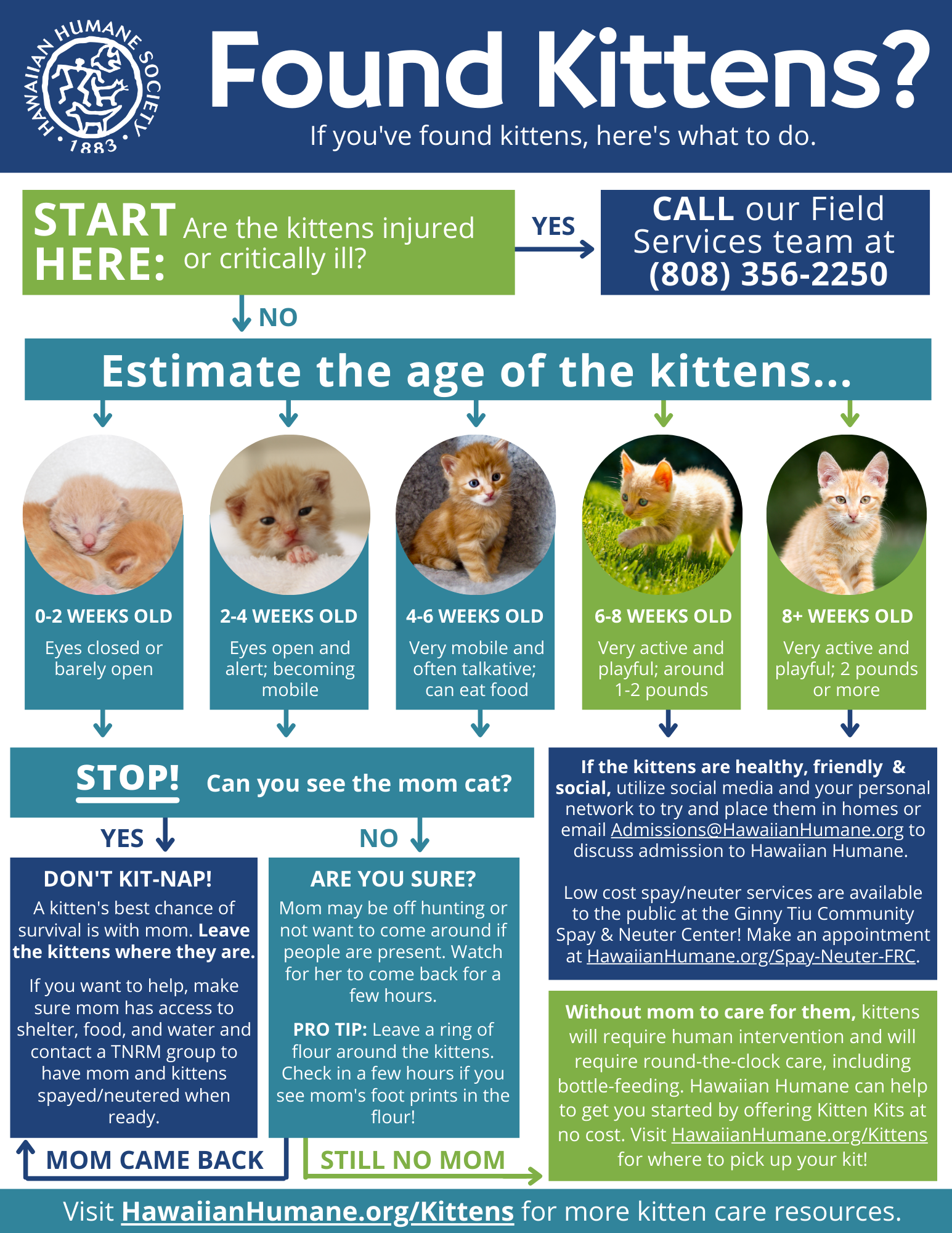
For instance, a four-week-old kitten should be gaining weight steadily, with eyes and ears opening, and initial attempts at walking. By eight weeks, kittens should be fully weaned and showing more independence.
Variations in Growth
It's important to note that every kitten is unique, and growth rates can vary. Factors such as breed, nutrition, environment, and overall health can influence a kitten's development. Here are some key variations to consider:
- Breed: Different cat breeds have distinct growth patterns. For example, larger breeds may take longer to reach maturity.
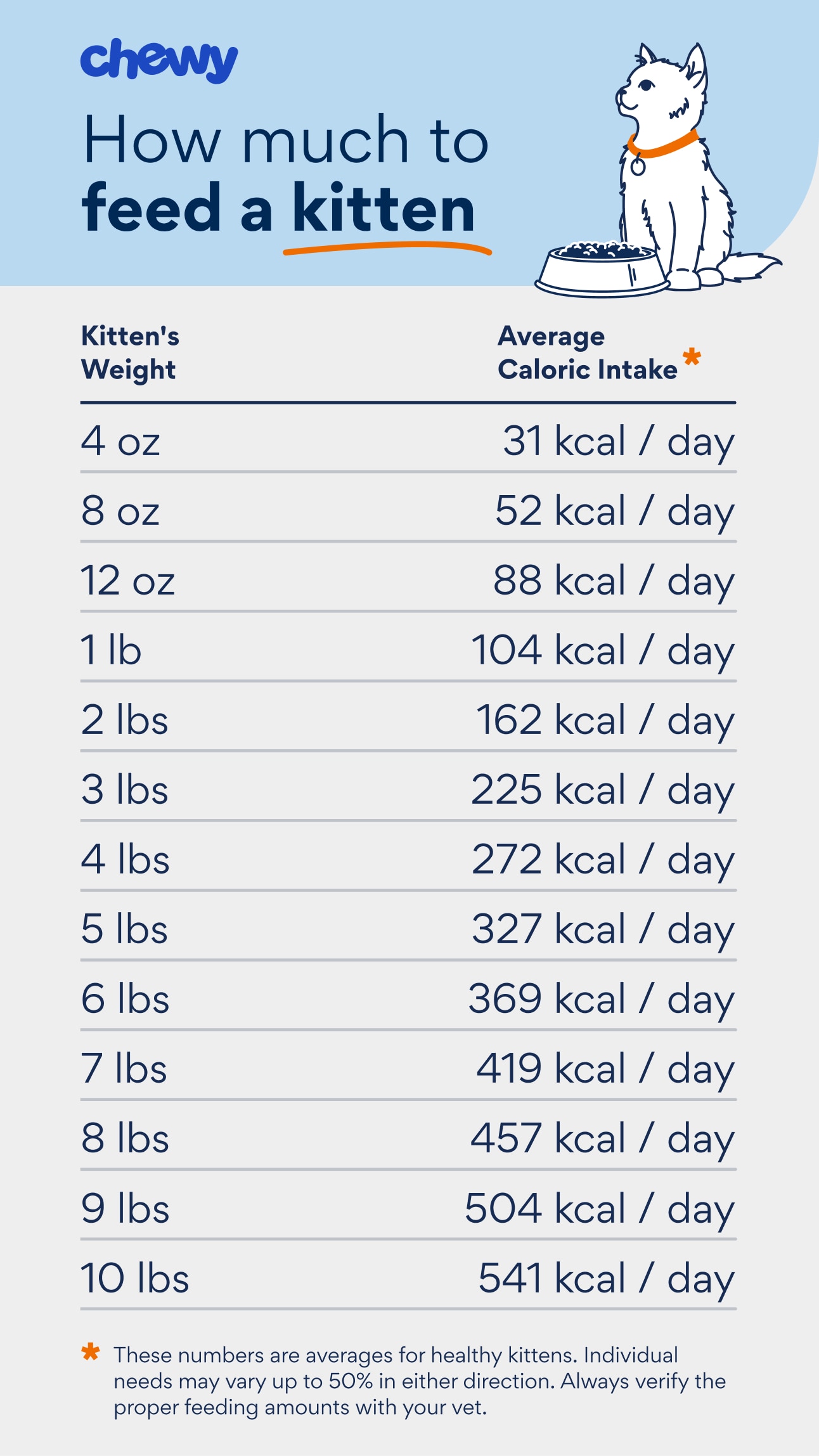
- Nutrition: A well-balanced diet is crucial for healthy growth. Malnutrition can lead to stunted development.
- Environment: A stimulating and safe environment promotes healthy growth. Stress or lack of stimulation can impact a kitten's development.
- Health: Underlying health issues can affect growth. Regular veterinary check-ups are essential to identify and address any concerns.
Remember, the kitten age chart provides a general guide, and individual kittens may develop at their own pace. If you have concerns about your kitten's growth, consult a veterinarian for personalized advice.
Remember that while this chart provides a great starting point, the exact details may differ slightly based on your kitten's unique development and the specific guidelines you follow. Every kitten is an individual, so keep an eye on their progress and adjust your expectations accordingly.
Feel free to explore our other guides for more practical tips and insights into the wonderful world of kitten care. You'll find a wealth of information to support you and your furry friend through every stage of their growth and development.