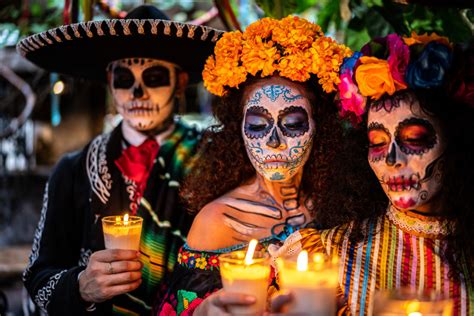
As the sun sets on October 31st, the eve of Dia de los Muertos, or Day of the Dead, begins to unfold. This ancient Mexican holiday is a time to honor and celebrate the lives of loved ones who have passed away. The tradition is rooted in the belief that on this day, the souls of the deceased return to earth to visit with their families and loved ones. To welcome these souls, families and friends create elaborate altars, decorate them with vibrant flowers, candles, and photographs, and prepare a feast of traditional foods.
One of the most significant aspects of Dia de los Muertos is the creation of the ofrenda, or altar. This is a sacred space where families display photographs, mementos, and personal items that belonged to their loved ones. The ofrenda is adorned with marigolds, known as “flowers of the dead,” which are believed to guide the spirits back to their altars. Families also leave offerings of food, drink, and other items that their loved ones enjoyed in life, such as cigarettes, liquor, or favorite snacks.
In addition to the ofrenda, many families participate in traditional activities and rituals to honor their loved ones. For example, they may hold a vigil, known as a velorio, where they gather around the altar to share stories, sing songs, and pray for their loved ones. Others may visit the cemetery, where they clean and decorate the graves of their loved ones with flowers, candles, and other offerings.
One of the most meaningful aspects of Dia de los Muertos is the opportunity to connect with loved ones who have passed away. Many people believe that on this day, the veil between the living and the dead is at its thinnest, allowing for a deeper sense of communication and connection. Families may leave notes, letters, or other messages for their loved ones, expressing their love, gratitude, and memories.
As the night wears on, the celebration becomes more vibrant and festive. Families gather to share traditional foods, such as pan de muerto, tamales, and moles, and to drink hot chocolate or other beverages. They may also play music, dance, and sing, creating a joyful and lively atmosphere that honors the lives of their loved ones.
In many communities, Dia de los Muertos is a time for public celebration and remembrance. Parades, processions, and other events are held to honor the dead, and altars are created in public spaces, such as parks, plazas, and town squares. These events bring people together, fostering a sense of community and solidarity in the face of death and loss.
Dia de los Muertos is also a time for children to learn about and connect with their cultural heritage. Many schools and community organizations offer workshops, classes, and other activities that teach children about the history and significance of the holiday. Kids can learn how to make traditional crafts, such as sugar skulls and papier-mâché skeletons, and how to prepare traditional foods and drinks.
As the celebration comes to a close, families and friends gather to reflect on the lives of their loved ones and the significance of the holiday. They may share stories, memories, and anecdotes, and express their gratitude for the time they had with their loved ones. The holiday is a powerful reminder of the importance of love, family, and community, and the need to honor and celebrate the lives of those who have come before us.
In the end, Dia de los Muertos is a celebration of life, love, and remembrance. It is a time to come together with family and friends, to share stories and memories, and to honor the lives of those who have passed away. As the holiday comes to a close, families and friends say goodbye to their loved ones, knowing that they will return again next year, and that their memories and spirits will continue to live on.
What is the significance of the ofrenda in Dia de los Muertos?
+The ofrenda, or altar, is a sacred space where families display photographs, mementos, and personal items that belonged to their loved ones. It is believed to be a bridge between the living and the dead, and is adorned with marigolds, candles, and other offerings to guide the spirits back to their families.
What are some traditional foods and drinks that are prepared for Dia de los Muertos?
+Traditional foods and drinks include pan de muerto, tamales, moles, and hot chocolate. These items are often left as offerings for the deceased, and are also shared among family and friends as part of the celebration.
How do families honor their loved ones during Dia de los Muertos?
+Families honor their loved ones by creating an ofrenda, holding a vigil, visiting the cemetery, and sharing stories and memories of their loved ones. They may also leave notes, letters, or other messages for their loved ones, and engage in traditional activities and rituals to connect with them.
What is the significance of marigolds in Dia de los Muertos?
+Marigolds, known as "flowers of the dead," are believed to guide the spirits back to their altars. They are often used to adorn the ofrenda, and are also used to create a path for the spirits to follow.
How does Dia de los Muertos differ from other holidays that honor the dead?
+Dia de los Muertos is unique in its focus on celebrating the lives of loved ones, rather than simply mourning their death. It is a time for families and friends to come together, share stories and memories, and honor the lives of those who have passed away.
What is the significance of the velorio, or vigil, in Dia de los Muertos?
+The velorio, or vigil, is a time for families and friends to gather around the ofrenda, share stories and memories, and pray for their loved ones. It is a powerful way to connect with those who have passed away, and to honor their lives and legacy.
In conclusion, Dia de los Muertos is a rich and vibrant holiday that celebrates the lives of loved ones who have passed away. Through the creation of the ofrenda, the sharing of traditional foods and drinks, and the participation in traditional activities and rituals, families and friends can connect with their loved ones and honor their memories. As a celebration of life, love, and remembrance, Dia de los Muertos is a powerful reminder of the importance of family, community, and cultural heritage.
According to a study by the National Institute of Anthropology and History, Dia de los Muertos is celebrated by over 40 million people in Mexico alone. The holiday has also gained popularity in the United States, where it is celebrated by many Latinx communities.
In many ways, Dia de los Muertos is a celebration of the cycle of life and death. It is a reminder that death is a natural part of life, and that it is something to be accepted and honored. By celebrating the lives of loved ones who have passed away, families and friends can find closure, healing, and a deeper sense of connection to their cultural heritage.
As the holiday comes to a close, families and friends say goodbye to their loved ones, knowing that they will return again next year. The memory of their loved ones will live on, and their spirits will continue to guide and inspire them. In the end, Dia de los Muertos is a powerful reminder of the importance of love, family, and community, and the need to honor and celebrate the lives of those who have come before us.
Creating an Ofrenda: A Step-by-Step Guide
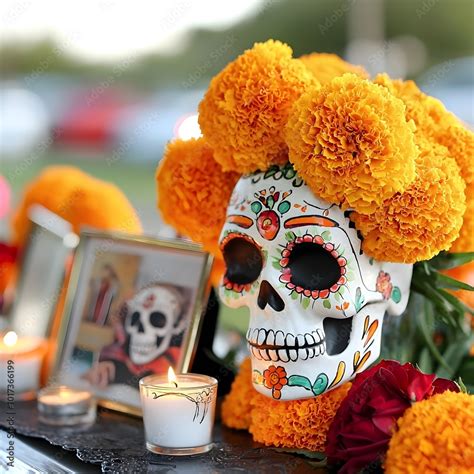
- Gather photographs, mementos, and personal items that belonged to your loved one.
- Choose a location for your ofrenda, such as a table or shelf.
- Adorn the ofrenda with marigolds, candles, and other offerings.
- Leave a path of marigolds for the spirits to follow.
- Include traditional foods and drinks, such as pan de muerto and hot chocolate.
- Share stories and memories of your loved one with family and friends.
In the end, Dia de los Muertos is a celebration of life, love, and remembrance. It is a time to come together with family and friends, to share stories and memories, and to honor the lives of those who have passed away. As a holiday that is steeped in tradition and cultural heritage, Dia de los Muertos is a powerful reminder of the importance of family, community, and love.
| Year | Number of Participants | Location |
|---|---|---|
| 2020 | 1 million | Mexico City |
| 2019 | 500,000 | Guadalajara |
| 2018 | 200,000 | Los Angeles |
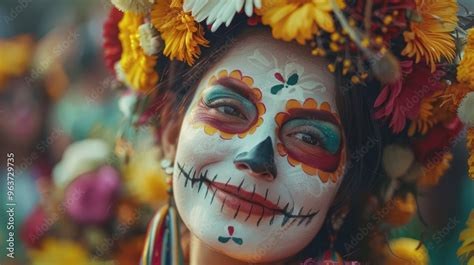
As the holiday continues to grow in popularity, it is clear that Dia de los Muertos is a celebration that is here to stay. With its rich cultural heritage, vibrant traditions, and meaningful rituals, it is a holiday that will continue to captivate and inspire people around the world. Whether you are a long-time participant or just discovering the holiday, Dia de los Muertos is a celebration that is sure to touch your heart and soul.
The Pros and Cons of Celebrating Dia de los Muertos
Pros:
- A celebration of life and love
- A time to connect with family and friends
- A way to honor and remember loved ones who have passed away
Cons:
- Can be a sad and emotional experience
- May be unfamiliar to those who are not part of the Latinx community
- Can be expensive to create an ofrenda and participate in traditional activities
In conclusion, Dia de los Muertos is a holiday that is rich in tradition, culture, and meaning. Whether you are a long-time participant or just discovering the holiday, it is a celebration that is sure to touch your heart and soul. With its vibrant traditions, meaningful rituals, and emphasis on family and community, Dia de los Muertos is a holiday that will continue to captivate and inspire people around the world.