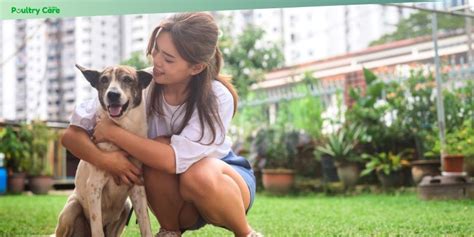
As the sun rises over the horizon, casting a warm glow over the landscape, many of us are preparing for a day filled with adventure, relaxation, or a mix of both. For dog owners, this means considering the needs and wants of their furry friends, ensuring they have a day as enjoyable as theirs. The concept of “dog days” often refers to the hottest period of the summer, but for dog lovers, every day can be a “dog day” if it means spending quality time with their pets. Here are 10 diary tips for making your pup’s day as happy and fulfilling as possible, whether you’re lounging around the house or exploring the great outdoors.
1. sunrise Strolls
Starting the day with an early morning walk can be incredibly beneficial for both you and your dog. The cooler morning air makes for a more comfortable walk, and the peaceful atmosphere can be very therapeutic. It’s also a great way to get some exercise before the day gets busy. As you stroll, observe your dog’s behavior and reactions to different sights, smells, and sounds. This can provide valuable insights into their personality and preferences, helping you tailor your interactions and activities to better suit their needs.
2. Playtime Prioritization
Dogs are natural players, and play is an essential component of their daily routine. Whether it’s a game of fetch, tug-of-war, or hide-and-seek, playtime not only provides physical exercise but also mental stimulation. It’s a chance for your dog to engage their natural instincts, challenge themselves, and bond with you. Prioritize playtime in your daily schedule, ensuring that your dog gets the physical and mental activity they need to stay happy and healthy.
3. Nutrition and Hydration
A balanced diet is crucial for your dog’s health and happiness. Ensure that their meals are nutritious and appropriate for their age, breed, and health conditions. Additionally, access to fresh, clean water at all times is essential. Consider monitoring their eating habits and adjusting their diet as necessary to prevent obesity, a common issue in dogs that can lead to various health problems. Also, be mindful of human foods that are toxic to dogs and keep them out of reach.
4. Grooming Sessions
Grooming is not just about keeping your dog clean and looking good; it’s also a way to strengthen your bond and provide them with a sense of comfort and security. Regular grooming sessions can help reduce shedding, prevent matting, and improve your dog’s overall appearance. It’s also an opportunity to inspect your dog’s body for any signs of illness or injury, such as skin irritations, ear infections, or tooth decay.
5. Socialization Opportunities
Socialization is critical for dogs, helping them become confident and calm in the presence of people, other animals, and new environments. Arrange playdates with other dogs, visit dog parks, or simply take your dog on outings to places with a lot of activity. Positive social experiences can significantly impact your dog’s happiness and ability to adapt to different situations.
6. Training and Learning
Engaging your dog’s mind is just as important as exercising their body. Training sessions, whether they’re focused on basic obedience, tricks, or agility, provide mental stimulation and challenge your dog to learn and grow. Use positive reinforcement techniques, such as praise, treats, and affection, to encourage good behavior and build a strong, trusting relationship.
7. Relaxation Time
Just like humans, dogs need time to relax and unwind. Create a comfortable and quiet space where your dog can retreat when they feel overwhelmed or need a break. This could be a cozy dog bed in a peaceful corner of your home or a shaded area in your yard. Respect their need for solitude and ensure they have the opportunity to rest and recharge.
8. Outdoor Adventures
For many dogs, there’s no greater joy than exploring the outdoors. Plan hikes, visits to the beach, or simple walks around your neighborhood to give your dog a chance to experience new sights, smells, and sounds. Always keep your dog on a leash unless you’re in a securely fenced area, and be mindful of potential hazards such as toxic plants, wild animals, and extreme weather conditions.
9. Interactive Toys
Interactive toys and puzzle toys are excellent ways to keep your dog engaged and stimulated when you’re not directly interacting with them. These toys challenge your dog to figure out how to get a treat out, providing mental stimulation and slowing down eating, which can help prevent gulping and reduce the risk of bloat.
10. Evening Cuddles
End the day with some quality cuddle time. Whether your dog prefers to snuggle up beside you on the couch or enjoys a good belly rub, this time together can be incredibly comforting for both of you. It’s a chance to unwind, reflect on the day’s adventures, and strengthen your bond. As you settle in for the night, consider what you’re grateful for and look forward to the next day’s opportunities for fun and connection with your furry friend.
How often should I take my dog for a walk?
+The frequency of walks depends on your dog's age, breed, and health. Generally, dogs need at least one walk per day, but puppies and high-energy breeds may require more frequent walks. It's also important to consider the duration and intensity of the walks based on your dog's individual needs and limitations.
What are some signs that my dog is happy and healthy?
+Signs of a happy and healthy dog include a shiny coat, clear eyes, a wagging tail, and an overall energetic and playful demeanor. They should also be responsive to commands and interactions, and show no signs of pain or distress. Regular veterinary check-ups can help identify any health issues early on and ensure your dog receives the care they need to thrive.
How can I keep my dog mentally stimulated?
+Mental stimulation is crucial for preventing boredom and stress in dogs. Provide your dog with a variety of toys, especially puzzle toys filled with treats, which challenge them to figure out how to get the treats out. Engage in training sessions, play hide-and-seek, and consider scent work or agility training for more mentally demanding activities.
Incorporating these tips into your daily routine can significantly enhance your dog’s quality of life, ensuring they lead happy, healthy, and fulfilling lives. Remember, every dog is unique, so observe your dog’s preferences and adjust your approach accordingly. With patience, love, and the right guidance, you can create a tailored regimen that meets your dog’s specific needs and brings joy to both your lives.