
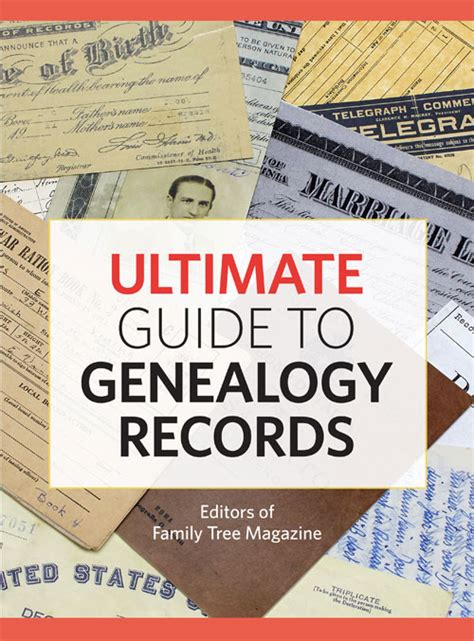
Uncovering the stories of our ancestors can be a thrilling journey, and one of the most valuable resources for genealogists is the obituary record. These records, often overlooked, hold a wealth of information that can help piece together the puzzle of our family histories. However, navigating and extracting the most from obituary records requires a combination of skill, patience, and knowledge of where to look and what to look for. Here are 10+ essential secrets for genealogists to maximize their use of obituary records.
1. Understanding the Variability of Obituary Records
Obituary records can vary greatly in terms of the information they provide. Some may offer detailed accounts of a person’s life, including their birth and death dates, marriage information, names of surviving relatives, and even the cause of death. Others might be brief, containing only the most basic information. Genealogists must be prepared to encounter this variability and know how to make the most of whatever information is available.
2. Utilizing Online Archives and Databases
The internet has revolutionized the way genealogists can access obituary records. Websites such as Ancestry.com, Newspapers.com, and GenealogyBank offer extensive collections of historical newspapers and obituaries. Learning how to effectively search these databases, using filters and specific keywords, can significantly streamline the research process.
3. Mining Local Libraries and Historical Societies
While online resources are invaluable, local libraries and historical societies often possess unique collections of obituary records, especially for smaller towns and communities. These institutions may offer access to original newspapers, compiled obituary indexes, or even volunteer assistance in locating hard-to-find records.
4. Analyzing Content Beyond the Basics
Obituaries often contain more than just names and dates. They can include information about a person’s occupation, military service, community involvement, and even personal characteristics. Analyzing this content can provide a richer understanding of an ancestor’s life and context, potentially leading to new avenues of research.
5. Verifying Information
It’s crucial to verify the information found in obituaries with other sources whenever possible. Obituaries, especially those written by family members or based on second-hand information, can contain inaccuracies or omissions. Cross-referencing with census data, birth and marriage certificates, and other primary sources can help ensure the accuracy of the information.
6. Considering the Time Period and Location
The information included in obituaries and the way they are presented can vary significantly depending on the time period and geographical location. For example, older obituaries might not include as much detail as more recent ones, while obituaries from certain cultural or religious communities might emphasize different aspects of a person’s life. Understanding these contextual factors is essential for effective research.
7. Looking for Obits in Unexpected Places
Not all obituaries will be found in traditional newspapers or expected online databases. Genealogists should also consider looking in community newsletters, church bulletins, and even social media platforms, where modern obituaries might be posted.
8. Using Obituaries to Connect with Living Relatives
Obituaries can provide names of surviving relatives, which can be a doorway to connecting with living family members. Reaching out to these individuals can lead to the sharing of family stories, photographs, and other genealogical treasures that might not be accessible through public records.
9. Creating a Comprehensive Family Profile
Each obituary found should be considered a piece of a larger puzzle. By compiling information from multiple obituaries, along with other genealogical records, researchers can build comprehensive profiles of their ancestors and their families. This approach helps in creating a more nuanced understanding of family history.
10. Organizing and Preserving Obituary Records
Finally, it’s essential to have a system for organizing and preserving the obituary records found. This might involve creating digital catalogues, transcripts of the obituaries, and ensuring that these records are safely stored for future generations.
11. Embracing the Storytelling Aspect
Beyond the factual information they contain, obituaries tell stories of lives lived, loves, losses, and legacies. Genealogists should embrace the storytelling aspect of obituaries, using them to bring their ancestors to life and to understand the human side of their family’s history.
12. Continuous Learning and Skill Development
The field of genealogy, and specifically the use of obituary records, is constantly evolving. New databases become available, and new technologies offer improved search and analytical tools. Genealogists must commit to continuous learning, staying updated on the latest resources and methodologies to maximize their research efforts.
In conclusion, obituary records are a treasure trove of information for genealogists, offering insights into the lives of our ancestors that might not be found elsewhere. By understanding the secrets to effectively using these records, researchers can unlock new pathways in their genealogical journey, enriching their understanding of family history and the stories that define us.
What are some common challenges faced by genealogists when using obituary records?
+Common challenges include the variability and sometimes lack of detail in obituaries, the need to verify information found in obituaries with other sources, and the potential for inaccuracies or biases in the information provided.
How can genealogists use obituary records to connect with living relatives?
+Genealogists can use the names of surviving relatives listed in obituaries to reach out and connect with living family members. This can lead to the sharing of additional family information, photos, and stories.
What role can local libraries and historical societies play in accessing obituary records?
+Local libraries and historical societies can provide access to original newspapers, compiled obituary indexes, and other local records that might not be available online. They may also offer research assistance or guidance on where to find specific records.
With the right approach and knowledge, obituary records can be a powerful tool in genealogical research, helping to uncover the stories, struggles, and triumphs of our ancestors in a way that brings them closer to us across the distances of time and memory.

