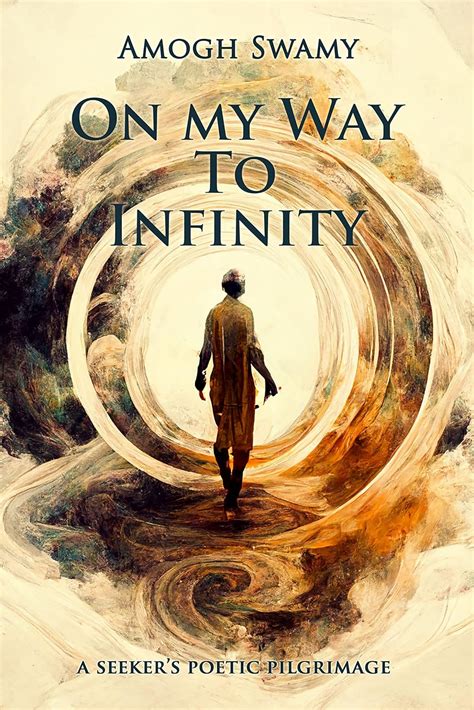
Embarking on a journey of self-discovery and inner peace is a path that many have traversed, seeking solace in the pages of novels that whisper truths of the soul. Poetic novels, with their lyrical prose and profound insights, offer a gateway to understanding the human condition, guiding readers through the labyrinth of their own hearts. Here are ten poetic novels that have been treasured for their ability to inspire introspection, soothe the spirit, and illuminate the journey towards inner peace:
“The Alchemist” by Paulo Coelho: A fable about spiritual quest, self-discovery, and listening to one’s heart, Coelho’s masterpiece is a poignant reminder of the importance of following one’s dreams and the universe’s plan for each individual. The novel’s prose is as gentle as a summer breeze, yet as profound as the mysteries of the universe, making it a compelling read for those seeking inner peace.
“The Little Prince” by Antoine de Saint-Exupéry: This timeless tale of a young prince’s journey from his own small planet to the universe, exploring themes of love, friendship, and what truly matters in life, is a poignant reminder of the beauty and simplicity of human connection. The novel’s poetic and philosophical approach to life’s big questions is both a reflection of our deepest longings and a guide to finding inner peace amidst the chaos of the world.
“Siddhartha” by Hermann Hesse: A classic novel of thespiritual journey of self-discovery, “Siddhartha” tells the story of a man’s search for enlightenment in ancient India. Hesse’s poetic prose weaves a narrative that is both intensely personal and universally relatable, offering insights into the nature of the self and the path to inner peace.
“The Night Circus” by Erin Morgenstern: This enchanting tale of magic, love, and mystery, set against the backdrop of a mysterious circus that appears at night, is a celebration of imagination, creativity, and the power of dreams. The novel’s poetic language and vivid descriptions transport readers to a world of wonder, reminding them of the magic that lies within and around them, and guiding them towards the peace that comes from embracing life’s enchantments.
“The Brief Wondrous Life of Oscar Wao” by Junot Díaz: This Pulitzer Prize-winning novel is a sweeping tale of love, family, identity, and culture, set against the backdrop of the Dominican Republic’s tumultuous history. Díaz’s vibrant, poetic prose brings to life the struggles and triumphs of the human spirit, offering a powerful exploration of the search for identity, community, and inner peace.
“The House on Mango Street” by Sandra Cisneros: This poignant coming-of-age novel, told through vignettes, explores themes of identity, culture, and belonging through the eyes of a young Latina girl. Cisneros’s lyrical prose and the protagonist’s journey of self-discovery offer a powerful reminder of the importance of embracing one’s true self and finding peace in the simplest moments of life.
“The Picture of Dorian Gray” by Oscar Wilde: While often viewed as a philosophical exploration of vanity, morality, and the human condition, Wilde’s classic novel also offers profound insights into the pursuit of beauty, youth, and happiness, and the true cost of these pursuits on one’s inner peace. The novel’s poetic dialogue and Wilde’s wit make for a compelling read that challenges readers to reflect on their own values and the path to inner peace.
“The God of Small Things” by Arundhati Roy: Set in Kerala, India, this novel is a powerful exploration of family, love, and social hierarchy, told through the experiences of twin siblings. Roy’s poetic prose weaves a narrative that is both a celebration of life’s beauty and a mournful elegy for its cruelties, offering a profound exploration of the human search for justice, love, and inner peace.
“The Namesake” by Jhumpa Lahiri: This beautifully crafted novel tells the story of the Ganguli family, exploring themes of identity, culture, and belonging as they navigate life between India and America. Lahiri’s poetic touch brings depth and nuance to the narrative, making it a moving exploration of the search for one’s place in the world and the peace that comes from embracing one’s heritage and individuality.
“One Hundred Years of Solitude” by Gabriel García Márquez: This magical realist masterpiece follows the fortunes and misfortunes of the Buendía family in the fictional town of Macondo. García Márquez’s poetic and dreamlike prose creates a world that is both fantastical and familiar, offering insights into the cyclical nature of time, the inevitability of solitude, and the elusive nature of inner peace.
“The Wind-Up Bird Chronicle” by Haruki Murakami: This surreal and dreamlike novel follows a man’s search for his missing wife and his own identity, delving into themes of love, identity, and redemption. Murakami’s poetic and often surreal prose transports readers to a world that is both strange and familiar, offering a profound exploration of the human search for connection, meaning, and inner peace.
Each of these novels, with its unique blend of poetic prose and profound insights, offers a pathway to inner peace, reminding readers of the beauty, complexity, and depth of the human experience. Through their characters’ struggles and triumphs, these stories guide us towards embracing our own journeys, finding solace in the wisdom of the ages, and discovering the peace that lies at the heart of our existence.
What makes a novel poetic?
+A poetic novel is characterized by its use of lyrical prose, vivid imagery, and a deep exploration of the human condition. It often employs metaphors, symbolism, and other literary devices to convey complex emotions and ideas, creating a narrative that is both beautiful and profound.
How can reading poetic novels contribute to inner peace?
+Reading poetic novels can contribute to inner peace by offering readers a deeper understanding of themselves and the world around them. Through the characters’ experiences and the authors’ insights, readers can gain perspective on their own struggles, find solace in the shared human experience, and develop a greater appreciation for the beauty and complexity of life.