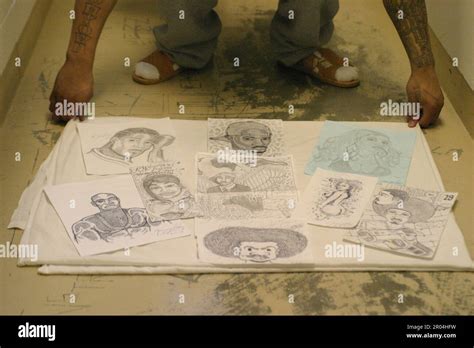
The power of art to convey the depth of human emotion and experience is perhaps nowhere more poignant than in the context of incarceration. Prison sketches, created by those who have lived through the harsh realities of life behind bars, offer a unique window into the psychological, emotional, and physical challenges faced by inmates. These sketches are not merely artistic expressions but serve as testimonies to resilience, hope, and the unyielding human spirit. They raise critical questions about justice, rehabilitation, and the human condition, prompting viewers to reflect on the complexities of the prison system and its impact on individuals and society.
The Evolution of Prison Art
Prison art, including sketches, has a long history that reflects the evolving nature of incarceration and societal attitudes towards crime and punishment. From the early days of penitentiaries, where solitude and hard labor were meant to reform the soul, to modern correctional facilities that aim to rehabilitate through education and therapy, the environment and conditions of prisons have significantly influenced the art produced within them. Prison sketches often depict the stark realities of prison life, including overcrowding, violence, and the struggle for dignity in a system designed to strip it away.
Sketches as Stories of Survival
Many prison sketches are more than just drawings; they are stories of survival, tales of how individuals maintained their sanity and humanity in environments designed to break them. They portray daily life, from the mundane routines of meal times and lockdowns to the profound moments of reflection and connection with fellow inmates. These sketches also serve as a form of resistance, a way for inmates to reclaim their narratives and present their experiences on their own terms, challenging the stereotypes and stigma associated with incarceration.
Raising Awareness Through Art
The impact of prison sketches extends far beyond the prison walls, serving as a powerful tool to raise awareness about the realities of incarceration. By humanizing those behind bars, these artworks prompt discussions about criminal justice reform, the need for rehabilitation programs, and the importance of reintegrating ex-offenders into society. They highlight the inadequacies of a system that often prioritizes punishment over rehabilitation, leaving many without the skills or support necessary to lead productive lives upon release.
Examples of Powerful Prison Sketches
- “Hope” by [Artist’s Name]: A sketch of a bird in flight, symbolizing freedom and the enduring hope for a life beyond prison.
- “Reflections” by [Artist’s Name]: A poignant self-portrait that explores the inner turmoil and introspection that often characterize prison life.
- “Unity” by [Artist’s Name]: A drawing of inmates from different backgrounds coming together, highlighting the bonds of solidarity and humanity that can form in the most unlikely of places.
- “Isolation” by [Artist’s Name]: A haunting depiction of solitary confinement, capturing the psychological toll of prolonged isolation.
- “Rebirth” by [Artist’s Name]: A sketch symbolizing the transformation and personal growth that can occur through education, therapy, and a commitment to change.
The Role of Art in Rehabilitation
Art programs in prisons have been recognized for their therapeutic benefits, providing an outlet for expression, a means to process trauma, and a way to develop skills that can be used upon release. These programs demonstrate that even in the most restrictive environments, creativity and personal growth are possible. By supporting and exhibiting prison art, we not only acknowledge the humanity of those incarcerated but also encourage a more nuanced understanding of the issues surrounding crime and punishment.
Conclusion
Prison sketches are more than mere drawings; they are windows into the souls of those who have been touched by the criminal justice system. They stand as testaments to the power of the human spirit, capable of producing beauty, insight, and hope in the darkest of places. As we view these sketches, we are reminded of our shared humanity and the need for empathy, understanding, and action towards creating a more just and equitable society for all.
What is the significance of prison sketches in raising awareness about incarceration?
+Prison sketches serve as a powerful medium to convey the personal and emotional aspects of incarceration, humanizing those behind bars and prompting discussions about criminal justice reform and rehabilitation.
How do art programs in prisons contribute to the rehabilitation of inmates?
+Art programs provide a therapeutic outlet for inmates, helping them process their experiences, develop emotional intelligence, and acquire skills that can aid in their reintegration into society upon release.
What message do prison sketches convey about hope and resilience?
+Prison sketches often depict themes of hope, resilience, and the human desire for freedom and redemption, showcasing the unbreakable spirit of those incarcerated and their aspirations for a better future.
Prison sketches are a compelling reminder of the complex interplay between justice, punishment, and rehabilitation. They challenge us to consider not just the crimes committed, but the individuals who commit them, their stories, and their potential for change and growth.
Steps Towards Understanding and Action
- Education: Learn about the criminal justice system, the conditions of prisons, and the challenges faced by inmates and ex-offenders.
- Engagement: Support organizations that work towards prison reform and rehabilitation, and consider volunteering or donating to causes that provide educational and therapeutic programs for inmates.
- Advocacy: Use your voice to advocate for policies that prioritize rehabilitation over punishment, and support initiatives that aim to reduce recidivism and promote successful reintegration into society.