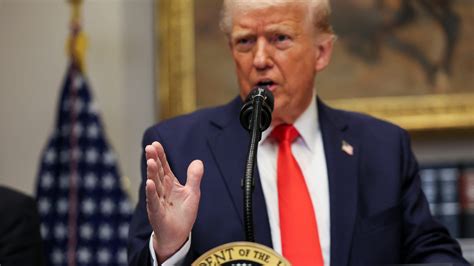
As the world grapples with the complexities of political leadership, understanding the intricacies of a president’s tenure is crucial for informed decision-making. The presidency of Donald Trump, the 45th President of the United States, has been marked by numerous significant events, policies, and controversies that have shaped both domestic and international perceptions of his leadership. Here, we delve into ten key facts about Donald Trump’s presidency, aiming to provide a comprehensive overview that can inform voters and interested individuals about the implications of his political legacy.
Economic Policies and Impact: One of the cornerstone policies of the Trump administration was the Tax Cuts and Jobs Act of 2017. This legislation aimed to stimulate economic growth by reducing corporate and individual tax rates. The outcomes were multifaceted, with proponents arguing it boosted business investments and critics highlighting increased national debt and uneven distribution of benefits. Understanding the economic philosophies behind such moves can offer insights into a leader’s vision for economic prosperity and its potential long-term effects.
Immigration and Border Security: Trump’s presidency was also defined by a strong stance on immigration, particularly concerning the U.S.-Mexico border. The administration’s efforts to build a border wall, alongside stricter immigration policies, were highly controversial and reflected deep divisions within the country. These policies not only had immediate humanitarian impacts but also sparked debates on national identity, security, and the role of the U.S. in the global community.
Environmental Policies: The Trump administration was notable for its withdrawal from the Paris Climate Agreement, a move that was widely criticized by environmentalists and many nations. This decision, along with the rollback of numerous environmental regulations, underscored a shift in U.S. environmental policy. Understanding the reasoning behind such decisions—often tied to economic and energy independence arguments—can be crucial for evaluating a leader’s priorities regarding climate change and conservation.
Foreign Policy and Diplomacy: Trump’s approach to foreign policy was characterized by a mix of unconventional diplomacy and a strong emphasis on American interests. This included high-profile meetings with leaders of nations like North Korea and significant tensions with traditional allies, particularly within NATO. Evaluating these diplomatic maneuvers can reveal a leader’s strategic vision for global engagement and conflict resolution.
Healthcare and the Affordable Care Act (ACA): The Trump administration attempted to repeal and replace the ACA, also known as Obamacare, though these efforts were met with significant resistance and ultimately unsuccessful. The implications of such policy endeavors highlight the complexities and challenges of healthcare reform and the importance of understanding the potential consequences of significant changes to healthcare systems.
Supreme Court Appointments: During his term, Trump appointed two Supreme Court justices, Neil Gorsuch and Brett Kavanaugh, and a third, Amy Coney Barrett, just before the 2020 election. These appointments have had lasting impacts on the judicial branch, influencing decisions on abortion, gun rights, and other critical issues. The process and outcomes of these appointments underscore the lasting legacy a president can have on the judicial system and, by extension, the country’s legal and social landscape.
Response to COVID-19: The Trump administration’s handling of the COVID-19 pandemic was highly controversial, marked by debates over lockdowns, mask mandates, and the development and distribution of vaccines. The federal response to the pandemic highlighted challenges in crisis management, public health policy, and the balance between economic and health considerations.
Social Media and Presidential Communications: Trump was known for his prolific use of Twitter and other social media platforms, through which he often bypassed traditional media to communicate directly with the public. This approach to presidential communication has raised questions about the role of social media in politics, the nature of presidential transparency, and the impact on public discourse.
Investigations and Controversies: Trump’s presidency was also marked by several high-profile investigations, including the Mueller investigation into Russian interference in the 2016 election and impeachment proceedings related to his dealings with Ukraine. These events have contributed to ongoing discussions about presidential accountability, the rule of law, and the balance of powers within the U.S. government.
Legacy and Impact on the Republican Party: Finally, considering the broader legacy of Donald Trump’s presidency, it’s essential to examine how his policies, style, and controversies have influenced the Republican Party and American politics as a whole. The extent to which his vision and leadership style have reshaped political discourse, voting patterns, and the future direction of conservative politics in the U.S. remains a subject of significant interest and analysis.
In conclusion, the presidency of Donald Trump has been a complex and multifaceted period in American political history, marked by significant policy initiatives, controversies, and a distinct approach to governance. As voters and global citizens seek to understand the implications of his legacy, examining these ten key facts can provide a deeper insight into the challenges, opportunities, and enduring questions that his presidency has posed for the United States and the world at large.
How did Trump's economic policies affect the average American?
+Trump's economic policies, such as the Tax Cuts and Jobs Act, had varied effects on different segments of the population. While corporate tax cuts led to increased business investments and potential job creation, the benefits of individual tax cuts were more unevenly distributed, with higher-income earners often seeing more significant reductions. Additionally, the national debt increased substantially during his presidency, which could have long-term implications for economic stability and social programs.
What were the key environmental policies of the Trump administration?
+The Trump administration was characterized by a rollback of environmental regulations and a withdrawal from international agreements like the Paris Climate Accord. These moves were often justified as measures to promote American energy independence and reduce regulatory burdens on businesses. However, critics argued that such policies would have detrimental effects on climate change mitigation efforts and environmental conservation.
How did Trump's presidency influence the Supreme Court?
+Trump's appointments of Neil Gorsuch, Brett Kavanaugh, and Amy Coney Barrett to the Supreme Court have had a lasting impact on its judicial makeup. These appointments have shifted the Court in a more conservative direction, which could influence decisions on a wide range of issues, including abortion rights, gun control, and LGBTQ+ rights, for decades to come.
Understanding the complexities and implications of these aspects of Trump’s presidency can offer valuable insights into the nature of political leadership, policy-making, and the ongoing evolution of American society and its place in the world.