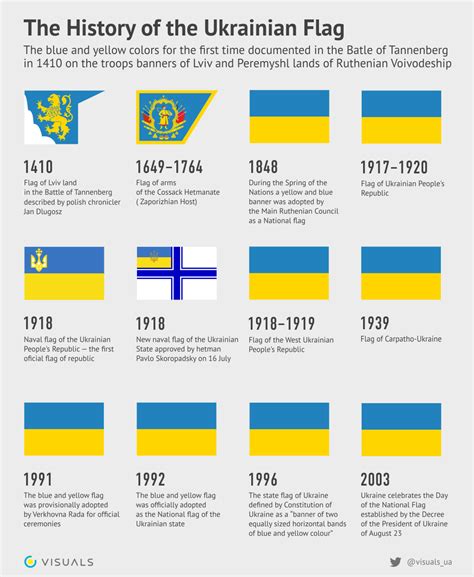
The Ukrainian flag, a symbol of national pride and identity, consists of two horizontal stripes of blue and yellow, colors that have significant historical and cultural meaning to the Ukrainian people. Delving into the history and significance of the Ukrainian flag reveals a rich tapestry of symbolism, struggle, and national identity. Here are 10 key facts about the Ukrainian flag that offer a deeper understanding of its importance and the story it tells about Ukraine and its people.
Historical Roots: The use of blue and yellow as the national colors of Ukraine dates back to the medieval period. The Principality of Galicia-Volhynia, a precursor to the modern Ukrainian state, used these colors in its coats of arms and symbols. The blue and yellow colors have been interpreted in various ways over the centuries, with blue often symbolizing the sky and the endless steppes of Ukraine, and yellow representing the wheat fields that are so characteristic of the Ukrainian landscape.
National Revival: The modern Ukrainian flag, with its distinctive blue and yellow stripes, emerged during the national revival of the late 19th and early 20th centuries. This period saw a resurgence of interest in Ukrainian culture, language, and history, which ultimately contributed to the flag’s adoption as a national symbol. The flag became a powerful emblem of Ukrainian identity and a beacon for those fighting for independence.
Independence and Sovereignty: The Ukrainian flag was officially adopted on January 28, 1992, shortly after Ukraine declared its independence from the Soviet Union in 1991. This act marked a significant milestone in Ukraine’s journey towards sovereignty, with the flag serving as a tangible representation of the nation’s newfound independence. The adoption of the flag was a moment of immense pride for the Ukrainian people, symbolizing their freedom and self-governance.
Symbolism: The colors of the Ukrainian flag are imbued with deep symbolism. The blue stripe, which is positioned at the top, represents the sky and the faith of the Ukrainian people, as well as their aspiration for peace and tranquility. The yellow stripe, at the bottom, symbolizes the richness of the Ukrainian soil, the sun, and the hope for a brighter future. This dichotomy reflects the dual nature of Ukrainian society, balancing between the spiritual and the earthly, the sky and the land.
International Recognition: The Ukrainian flag is recognized internationally as the symbol of Ukraine. It is flown at diplomatic missions, international events, and is a common sight during ceremonies and festivities that involve Ukrainian participation. The flag’s recognition on the international stage is a testament to Ukraine’s growth as a sovereign nation and its integration into the global community.
Protocol and Etiquette: There are strict protocols regarding the display and handling of the Ukrainian flag. For instance, the flag should be raised at sunrise and lowered at sunset, and it is considered disrespectful to allow the flag to touch the ground. These protocols underscore the reverence with which the Ukrainian flag is held, reflecting its status as a sacred national symbol.
Variations and Derivatives: While the national flag consists of two horizontal stripes of blue and yellow, there are variations and derivatives used by different entities within Ukraine, such as the presidential standard and the flags of the Ukrainian armed forces. These variations often include additional symbols or modifications to the basic design, signifying different branches of government or military services.
Historical Precedents: The design of the Ukrainian flag has historical precedents. The flag’s colors are reminiscent of the banners used by the Zaporozhian Cossacks, who were instrumental in Ukraine’s struggle for independence against various invaders. This historical connection ties the modern Ukrainian flag to a legacy of resistance and the fight for freedom, honoring the brave men and women who fought for Ukraine’s sovereignty.
Cultural Significance: Beyond its political significance, the Ukrainian flag holds deep cultural meaning. It is often displayed during cultural festivals and is a popular symbol in Ukrainian art, literature, and music. The flag’s colors are frequently incorporated into traditional clothing and handicrafts, further intertwining the flag with the fabric of Ukrainian culture.
Unity and Identity: Perhaps most importantly, the Ukrainian flag serves as a unifying symbol for the Ukrainian people, both within Ukraine and in the diaspora. It represents a shared history, culture, and identity, transcending regional and linguistic differences. In times of crisis or celebration, the flag is a potent reminder of Ukrainian unity and solidarity, symbolizing the nation’s enduring spirit and its people’s unwavering commitment to their heritage.
In conclusion, the Ukrainian flag is more than a simple symbol of national identity; it is a complex tapestry woven from threads of history, culture, and the unwavering aspirations of the Ukrainian people. Each of its elements, from the choice of colors to the protocols surrounding its display, tells a story of struggle, resilience, and the unrelenting pursuit of sovereignty and peace. As Ukraine continues to evolve and grow, its flag remains a steadfast emblem of national pride, a beacon of hope, and a reminder of the nation’s indomitable spirit.
What do the colors of the Ukrainian flag represent?
+The blue color represents the sky and the faith of the Ukrainian people, while the yellow symbolizes the richness of the Ukrainian soil and the hope for a brighter future.
When was the modern Ukrainian flag officially adopted?
+The modern Ukrainian flag was officially adopted on January 28, 1992, following Ukraine’s declaration of independence from the Soviet Union in 1991.