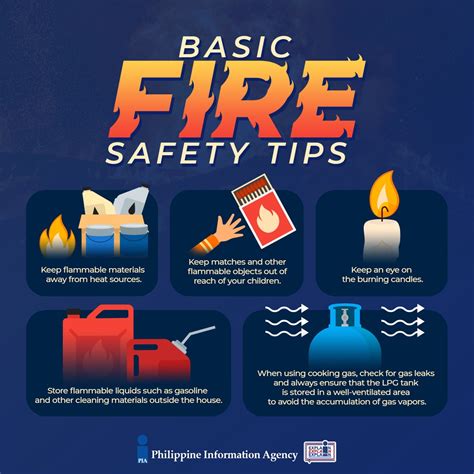
The serenity of a lake can be a perfect getaway from the hustle and bustle of daily life, offering a tranquil atmosphere that rejuvenates the mind and body. However, like any other environment, lakesides come with their unique set of challenges, particularly when it comes to fire safety. The presence of water might seem like a natural safeguard against fires, but the realities of camping, cooking, and enjoying the outdoors near a lake necessitate a thoughtful approach to preventing and managing fires. Here are 12 fire safety tips tailored for your next lakeside adventure:
1. Understand Local Regulations
Before you start your trip, it’s crucial to understand the local fire safety regulations and restrictions. Many areas, especially during dry seasons, may have specific rules about campfires, including designated fire pits, permits, and complete fire bans. Ignoring these regulations not only poses a significant risk to the environment and others but can also result in hefty fines.
2. Choose Safe Campfire Locations
When selecting a spot for your campfire, ensure it’s far away from flammable materials such as leaves, branches, and other combustible vegetation. If you’re in a designated campsite, use the fire pits provided. These are designed to contain fires and are typically surrounded by a firebreak. If you’re in a more remote area without designated fire pits, create a fire ring using rocks.
3. Keep Water Nearby
Always have a bucket of water or a fire extinguisher nearby. This is crucial in case the fire gets out of control. It’s also a good practice to have a shovel for throwing dirt on the fire if it starts to spread. Remember, water alone might not be enough to extinguish a fire that has started to spread to vegetation, so be prepared to use a combination of water and dirt.
4. Monitor Weather Conditions
Weather conditions can quickly escalate a small fire into a significant threat. Pay attention to wind directions and speeds, as winds can quickly spread embers to nearby flammable materials. Avoid building fires during strong winds or when there’s a forecast for thunderstorms, as lightning can ignite fires.
5. Build Safe Campfires
When building your campfire, start with tinder (e.g., dry leaves, grass, or small twigs), add kindling (small sticks), and then larger logs once the fire is going well. Keep your fire small and manageable. A large fire is not only more dangerous but also harder to control and extinguish.
6. Supervise Children and Pets
Children and pets should be kept at a safe distance from campfires. Educate children on the basics of fire safety and ensure they understand the dangers of playing with fire. Pets, especially those that might not understand the danger of fire, should be kept on a leash or in a secure area away from the fire.
7. Be Mindful of Flammable Materials
Ensure that any flammable materials such as tents, sleeping bags, and clothing are kept far away from the fire. It’s also wise to avoid wearing loose clothing that could potentially catch fire from sparks.
8. Use Flashlights Instead of Lanterns
While lanterns can add a cozy ambiance to your campsite, they can also pose a fire hazard, especially in dry conditions. Opt for flashlights instead, as they are safer and don’t pose a risk of starting a fire.
9. Fully Extinguish Campfires
Before leaving a campfire unattended, ensure it’s fully extinguished. The method to fully extinguish a campfire is often remembered by the phrase “drown, stir, and repeat.” Drown the fire with water, stir the ashes to ensure everything is wet, and repeat the process until the fire is out. Ensure the ashes are cool to the touch before leaving the campsite.
10. Respect Fire Restrictions
Sometimes, due to dry conditions or other factors, areas may be under fire restrictions or bans. Respect these restrictions even if it means not having a campfire during your trip. The risk of starting a wildfire is too great, and the consequences can be devastating.
11. Keep a Firebreak
If you’re camping in an area without a designated campsite, create a firebreak around your campfire. This can be done by clearing a circle of about three feet in diameter of any leaves, grass, or other combustible materials. If it’s a particularly dry season, consider widening this circle.
12. Be Prepared for Emergencies
Finally, always be prepared for emergencies. Know what to do in case of a wildfire, including having an evacuation plan in place. Stay informed about the local fire danger rating and any fire restrictions in the area. Being prepared and vigilant is key to enjoying the outdoors safely.
In conclusion, enjoying the beauty of a lake while ensuring fire safety requires a balanced approach of awareness, preparation, and responsibility. By understanding the risks and taking proactive steps to mitigate them, you can have a safe and enjoyable time by the lake, preserving the natural beauty for generations to come.
What should I do if I accidentally start a wildfire?
+If you accidentally start a wildfire, act quickly and responsibly. First, try to contain the fire if it’s safe to do so by creating a firebreak. However, if the fire is too large, prioritize your safety and the safety of others by moving away from the fire. Call the local emergency number or alert park rangers or nearby residents. Provide as much detail as possible about the fire’s location and size. Do not attempt to fight the fire yourself if it’s beyond your control.
How can I ensure that my campfire is fully extinguished?
+To ensure your campfire is fully extinguished, follow the “drown, stir, and repeat” method. Start by drowning the fire with water, making sure to soak the entire area. Next, stir the ashes with a shovel to ensure everything is wet. Repeat this process until the fire is out, and the ashes are cool to the touch. It’s crucial to be patient and thorough, as unseen embers can re-ignite if not fully extinguished.
Are there any specific fire safety tips for cooking near a lake?
+When cooking near a lake, especially if you’re using a portable stove or campfire for cooking, ensure that you keep a safe distance from the water’s edge. Be mindful of overhanging branches or other flammable materials near your cooking area. Keep children and pets away, and never leave cooking unattended. Also, make sure any cooking equipment is turned off and cooled down before leaving it unattended.