
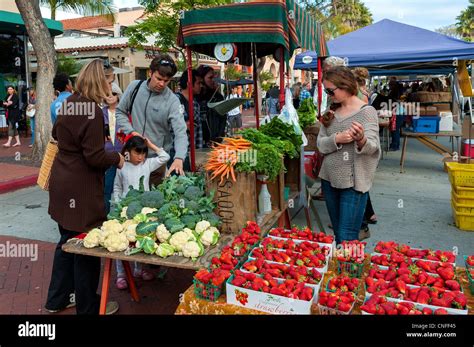
The Santa Barbara Farmers Market, a haven for foodies and bargain hunters alike. Nestled in the heart of this picturesque California town, the market offers an array of fresh produce, artisanal goods, and local specialties. However, navigating the stalls and securing the best deals can be a daunting task, especially for newcomers. Fear not, dear shoppers, for we’re about to spill 12 secrets to help you save money and make the most of your Santa Barbara Farmers Market experience.
First and foremost, it’s essential to plan your visit strategically. The market is open every Saturday, but arriving early or late can significantly impact your shopping experience. Early birds can snag the best selection, while latecomers may find discounted prices on remaining items. Consider visiting during the off-season (usually November to March) when prices tend to be lower due to reduced demand.
As you wander through the stalls, keep an eye out for “ugly” or “imperfect” produce. These gems may not meet traditional beauty standards, but they’re often just as nutritious and flavorful as their perfect counterparts – and significantly cheaper. You can also ask vendors about “seconds” or “culls,” which refer to produce that’s perfectly edible but doesn’t meet the vendor’s quality standards.
Another money-saving tip is to buy in bulk. Many vendors offer discounts for larger quantities, especially for items like nuts, dried fruits, and granola. Just be sure to ask about the discount before making your purchase, as not all vendors advertise their bulk pricing.
Seasonal shopping is another key to unlocking savings at the Santa Barbara Farmers Market. Produce that’s in season is often cheaper than out-of-season items, which may have been imported from other regions or countries. Take advantage of the market’s weekly email newsletter, which highlights the freshest and most affordable produce of the week.
In addition to produce, the market features an array of artisanal goods, from handmade soaps to small-batch jams. While these items may seem like indulgences, many vendors offer samples and tastings, allowing you to try before you buy. This not only helps you avoid costly mistakes but also discover new favorites.
Negotiation is also an art form at the Santa Barbara Farmers Market. While it’s not as common as in some other markets, many vendors are willing to haggle or offer discounts for large purchases or loyal customers. Don’t be afraid to ask if they can throw in some extra goodies or offer a discount for multiple items.
For those looking to stock up on staples, consider visiting the market’s “value vendors.” These stalls offer a range of affordable pantry items, from rice and beans to olive oil and spices. You can also find “food scraps” or “ugly fruit” boxes at some vendors, which contain a mix of imperfect produce at a significantly lower price point than individual items.
As you explore the market, keep an eye out for demos and workshops, which often feature free samples and tastings. Not only will you learn new cooking techniques and discover fresh flavors, but you’ll also get to try before you buy. Many vendors also offer loyalty programs or reward cards, which can help you accumulate points or discounts over time.
Don’t be afraid to ask questions, either. The vendors at the Santa Barbara Farmers Market are passionate about their products and happy to share their expertise. Ask about the origin of their produce, the ingredients in their artisanal goods, or the best ways to prepare their specialty items. This not only ensures you’re getting the best possible products but also helps you build relationships with the vendors.
Lastly, bring your reusable bags and containers to reduce waste and make the most of your shopping experience. Many vendors offer discounts or incentives for customers who bring their own bags, and you’ll be doing your part to support the market’s sustainability efforts.
In conclusion, the Santa Barbara Farmers Market is a treasure trove of fresh produce, artisanal goods, and local specialties. By planning your visit strategically, buying in bulk, and taking advantage of the market’s many secrets and savings opportunities, you can enjoy the best of the market without breaking the bank.
What are the best days to visit the Santa Barbara Farmers Market for savings?
+The best days to visit the market for savings are usually Saturdays during the off-season (November to March) or later in the day when vendors may offer discounts on remaining items.
Can I negotiate prices with vendors at the Santa Barbara Farmers Market?
+While negotiation is not as common as in some other markets, many vendors are willing to haggle or offer discounts for large purchases or loyal customers. Don’t be afraid to ask if they can throw in some extra goodies or offer a discount for multiple items.
What are some tips for buying in bulk at the Santa Barbara Farmers Market?
+When buying in bulk, be sure to ask about discounts before making your purchase, as not all vendors advertise their bulk pricing. You can also consider buying with friends or family to split the cost and enjoy the savings together.
How can I stay up-to-date on the freshest and most affordable produce at the Santa Barbara Farmers Market?
+Sign up for the market’s weekly email newsletter, which highlights the freshest and most affordable produce of the week. You can also follow the market’s social media accounts or ask vendors directly about their current offerings and prices.
Are there any loyalty programs or reward cards available at the Santa Barbara Farmers Market?
+Yes, many vendors offer loyalty programs or reward cards, which can help you accumulate points or discounts over time. Be sure to ask your favorite vendors about their loyalty programs and how you can participate.
Can I find “ugly” or “imperfect” produce at the Santa Barbara Farmers Market?
+Yes, many vendors offer “ugly” or “imperfect” produce, which may not meet traditional beauty standards but is often just as nutritious and flavorful as its perfect counterparts – and significantly cheaper. Ask vendors about their imperfect produce options or look for signs indicating “ugly” or “seconds” produce.


