



2025 December Calendar Printable Overview
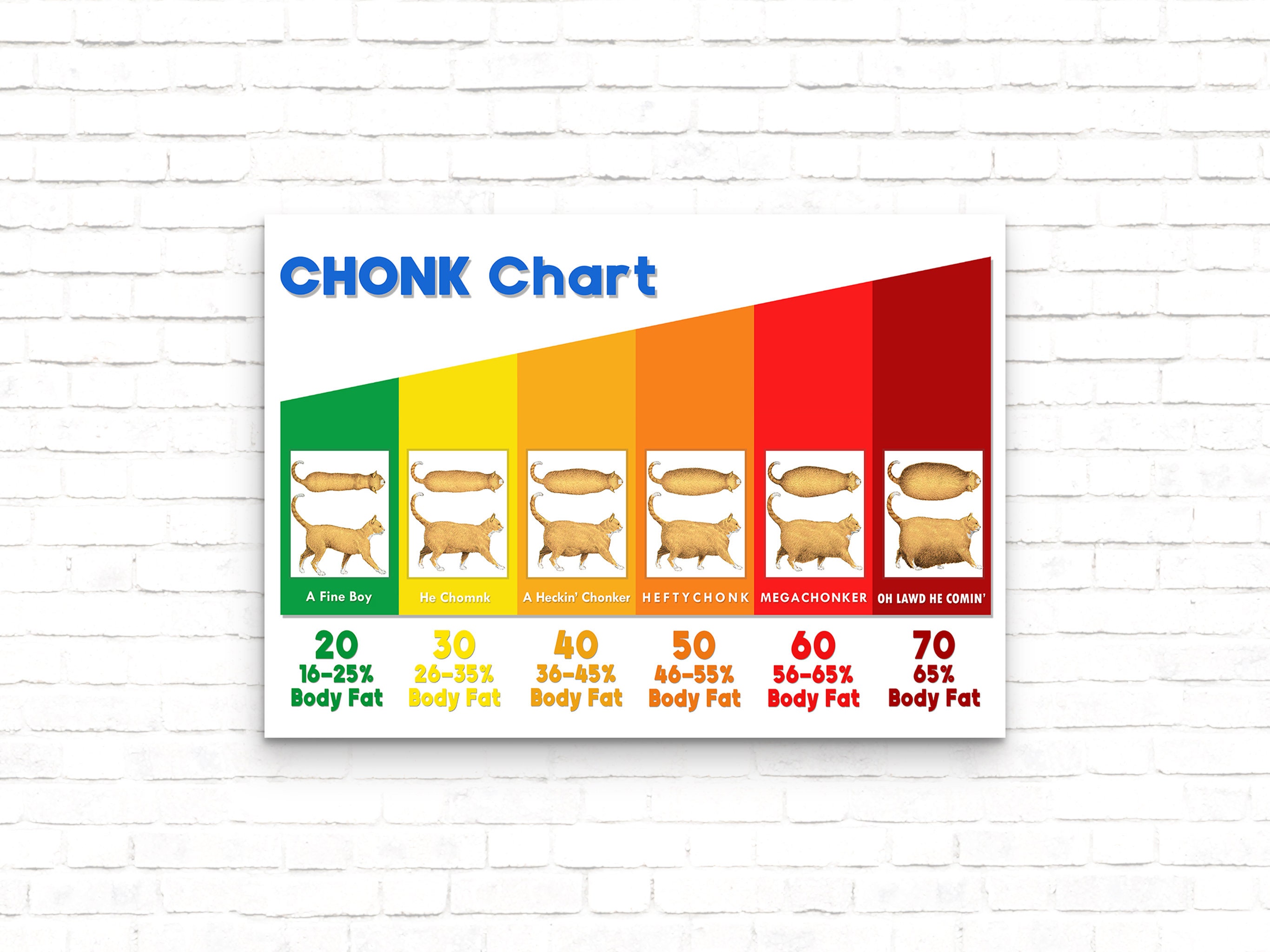
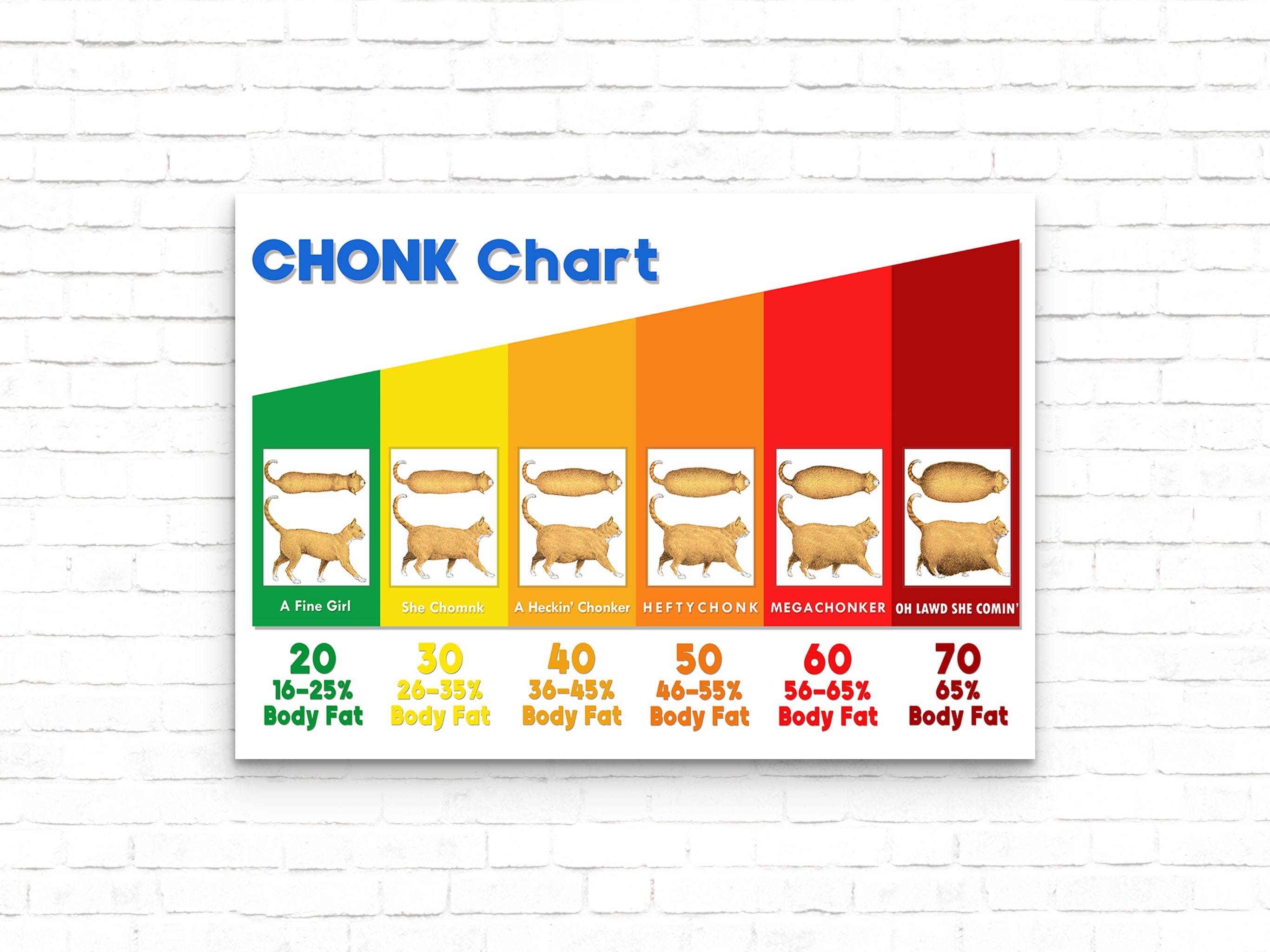
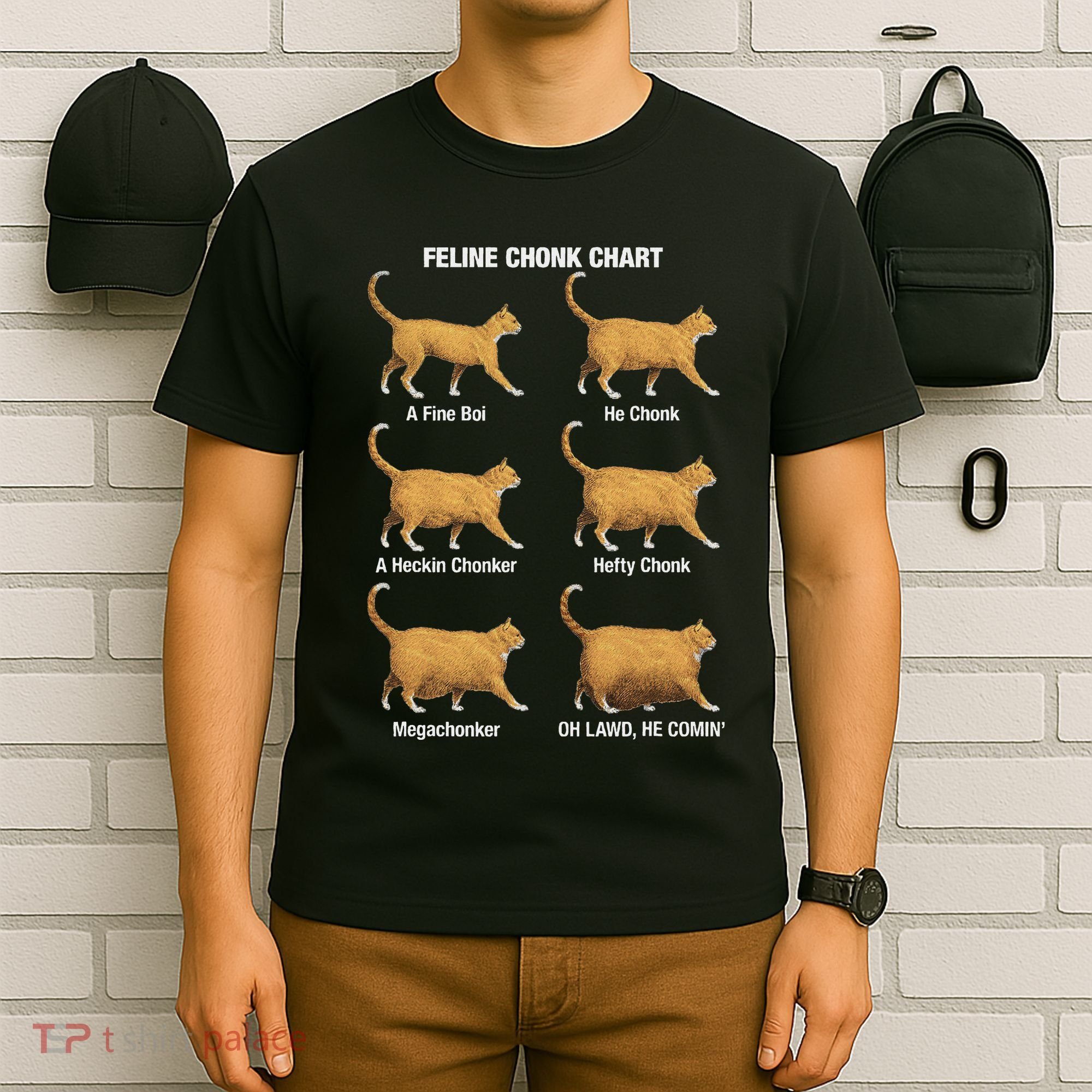
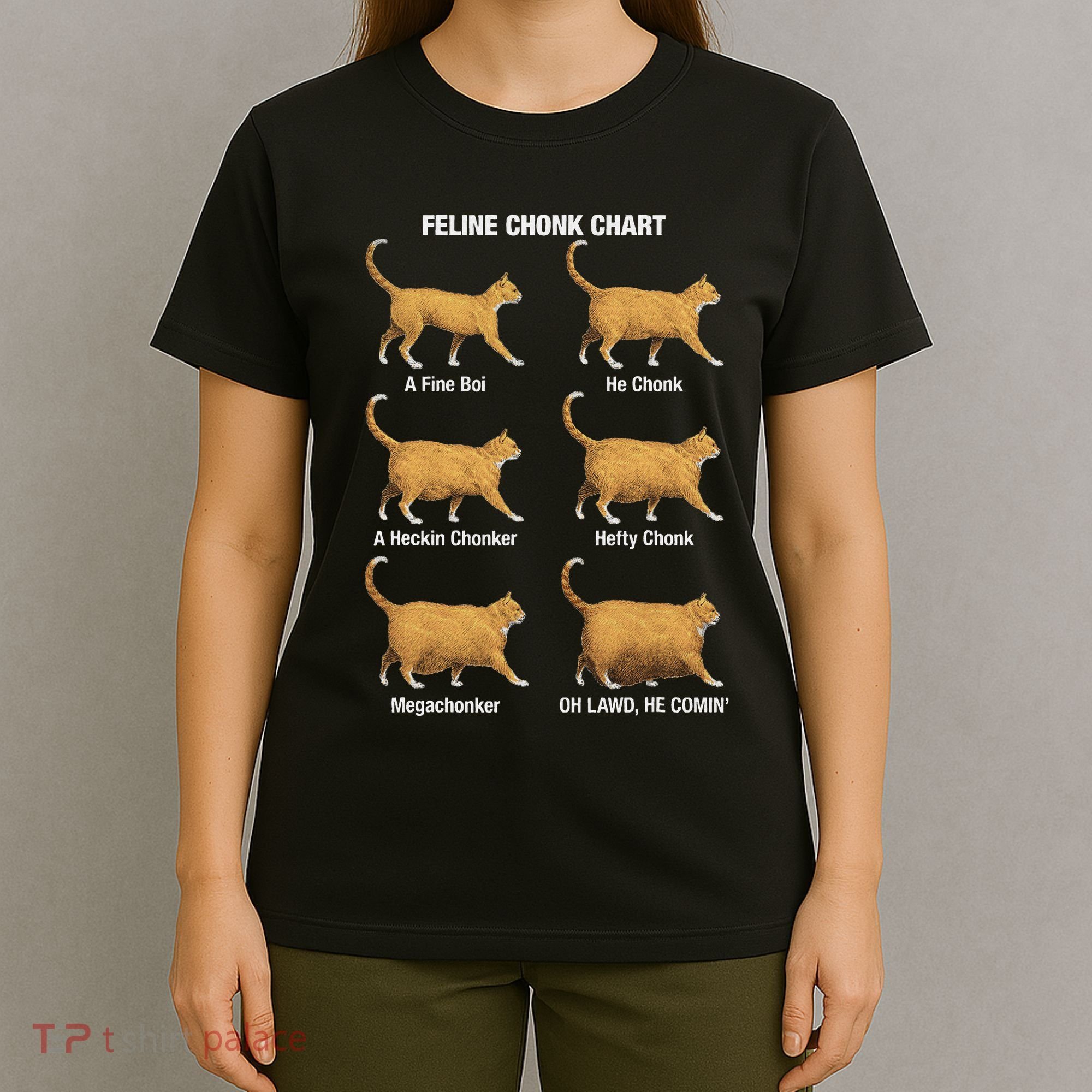
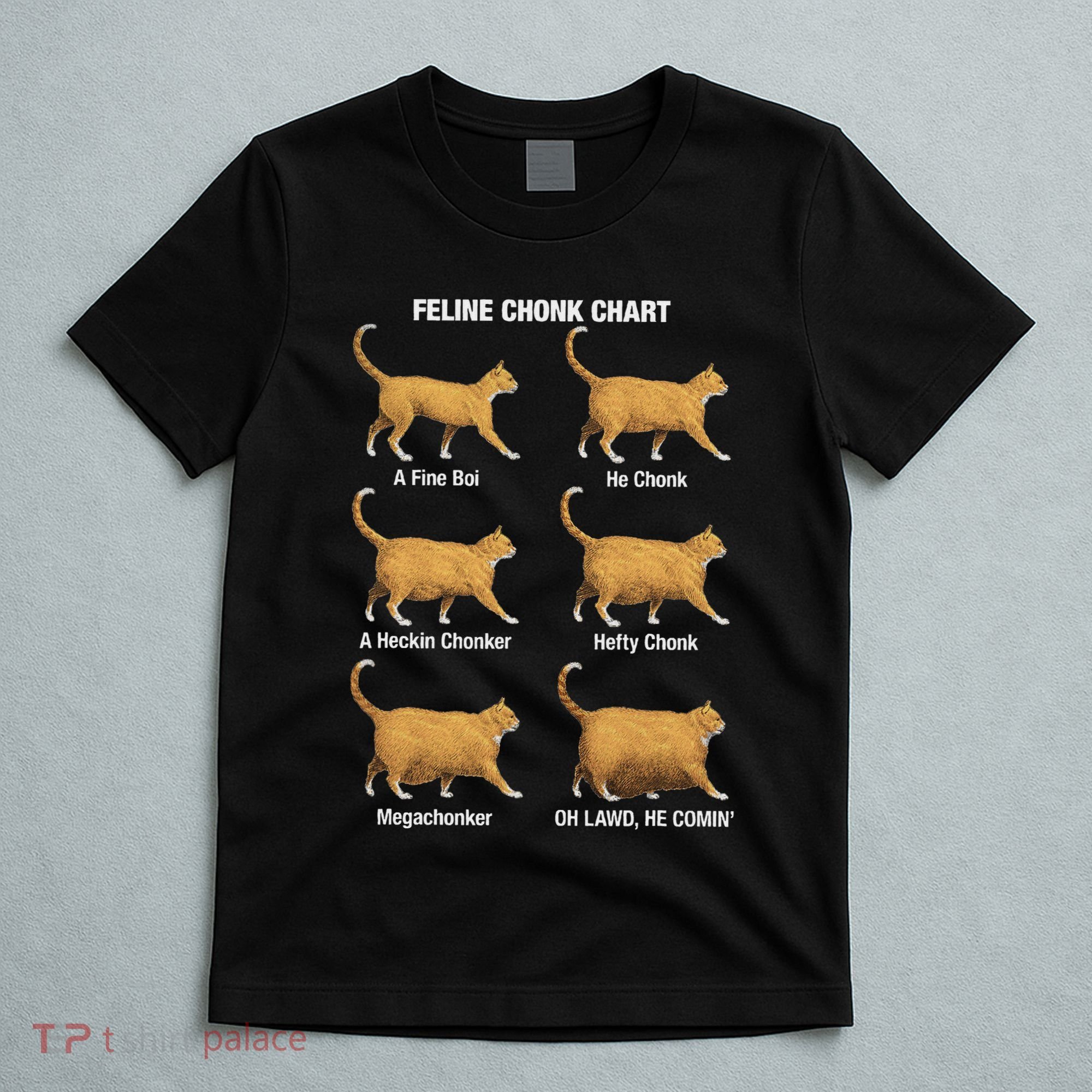
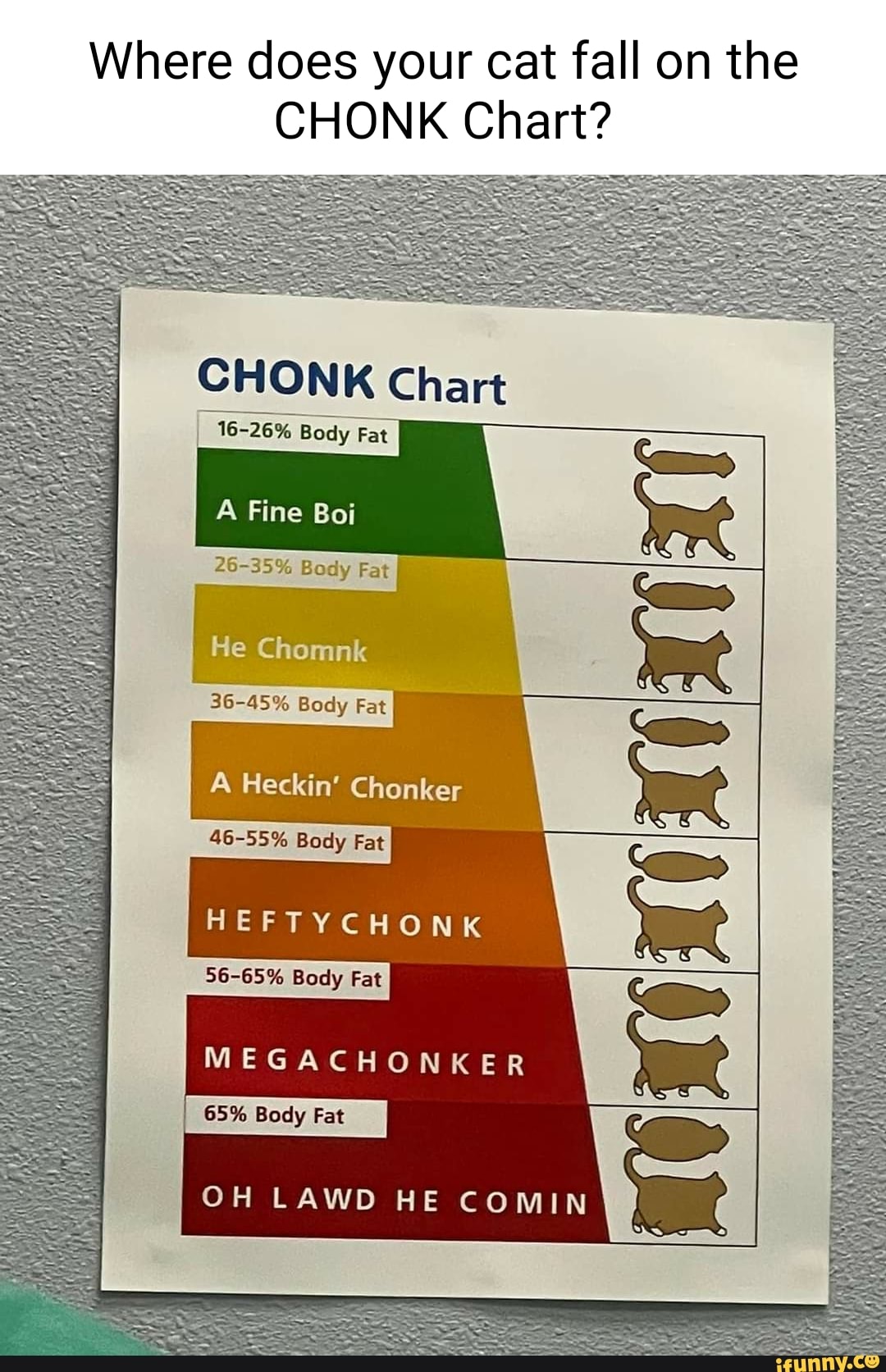
A common misconception about the cat chonk chart is that it's solely about judging a cat's appearance; however, this visual tool serves a much more practical purpose. The cat chonk chart, or feline weight chart, is an essential reference for cat owners, providing a clear guide to assess a cat's body condition and overall health. It offers a simple yet effective way to understand and monitor your cat's weight, ensuring they maintain an ideal and healthy size.
Understanding the Cat Chonk Chart
The cat chonk chart is a valuable tool for cat owners and veterinary professionals to assess a cat's body condition and determine if they are at a healthy weight. It provides a visual representation of different body types and helps identify if a cat falls within the ideal weight range. This chart is a simple yet effective way to monitor a cat's health and make informed decisions about their diet and lifestyle.
Key Details and Categories
The cat chonk chart typically consists of a reference grid or a series of images depicting cats with varying body conditions. It often includes categories such as "Underweight," "Ideal Weight," "Overweight," and "Obese." These categories are further divided into sub-ranges, providing a more detailed assessment. The chart may also feature additional information, such as breed-specific considerations and guidelines for different life stages. It is essential to note that the chart's accuracy depends on the standard used; some charts follow international guidelines, while others may be region-specific.
Interpreting Results: A Step-by-Step Guide
To use the cat chonk chart accurately, follow these steps:
- Familiarize yourself with the chart's layout and categories. Understand the visual representations and their corresponding weight ranges.
- Assess your cat's body condition by feeling their ribcage, spine, and hips. These areas should have a slight covering of fat but not be overly padded.
- Compare your cat's body condition to the images or descriptions on the chart. Look for similarities in terms of body shape, muscle definition, and overall appearance.
- Determine which category your cat falls into. If your cat's body condition aligns with the "Ideal Weight" category, they are likely at a healthy weight. If they are on the border or slightly above, it may indicate a need for weight management.
- Consult with a veterinarian if you have concerns or need further guidance. They can provide personalized advice and help you create a plan to maintain or improve your cat's health.
Variations and Differences Across Standards
It is important to note that cat body condition score charts may vary depending on the standard or region. Different organizations and veterinary associations may have slightly different criteria and weight ranges. Additionally, breed-specific considerations and individual factors can influence the interpretation of the chart. For instance, certain breeds may have naturally larger or smaller frames, affecting their ideal weight range. Always refer to reputable sources and consult professionals to ensure you are using the most appropriate chart for your cat's needs. While the cat chonk chart provides a helpful framework, it is essential to consider each cat's unique characteristics and consult experts for accurate weight management.
While the chart provides a clear and concise guide, it's important to remember that the specifics may differ slightly based on individual circumstances. Each cat is unique, and their health and weight journey is a personal one. So, keep an eye on your furry friend's progress and adjust as needed.
If you're keen to explore more practical guides like this, feel free to browse our other resources. We've got a range of topics covered, so you're sure to find something useful. Happy reading and here's to healthy, happy cats!
Related: Understanding the Zzz Rerun Chart
You're likely here because you need a quick solution, a reliable reference for your zzz rerun chart. This chart is a handy tool, a visual guide that offers practical tips and standard measurements. It's a go-to resource for those seeking accurate and efficient information. The beauty of the zzz rerun chart is its simplicity; it provides an easy-to-follow format, ensuring you can quickly grasp and apply the data. Whether you're a pro or a beginner, this chart's versatility and clarity make it an essential reference table.
What is the ZZZ Rerun Chart?
The ZZZ rerun chart is a visual guide that provides a clear and concise representation of rerun data. It offers a practical way to understand and interpret information related to rerun processes or events. This chart is a valuable tool for anyone seeking to analyze and make sense of repetitive or cyclical data.
Key Details and Categories
Before delving into the chart, it's essential to understand the basic components and categories it presents. The ZZZ rerun chart typically includes:
- Rerun Frequency: This category represents the number of times an event or process has been repeated. It is often displayed on the x-axis, showing the frequency of reruns.
- Performance Metrics: On the y-axis, you'll find various performance indicators. These could include efficiency, quality, or any other relevant metric specific to the process being analyzed.
- Standard Measurements: The chart provides standard measurements or benchmarks to compare against. These standards may vary depending on the industry or specific application.
- Categories or Groups: In some cases, the chart may divide data into categories or groups. This allows for a more detailed analysis, especially when dealing with diverse processes or variables.
Reading and Applying the Chart: A Step-by-Step Guide
- Identify the Axis: Begin by locating the x-axis (rerun frequency) and y-axis (performance metrics). Understand the scale and units used for each axis.
- Examine Data Points: Look at the data points plotted on the chart. Each point represents a specific rerun and its corresponding performance metric.
- Analyze Trends: Observe the pattern or trend formed by the data points. Is there an improvement or decline in performance as the rerun frequency increases?
- Compare to Standards: Compare the data points to the standard measurements or benchmarks provided. This helps assess whether the performance is within acceptable limits.
- Interpret Results: Based on the analysis, draw conclusions. Determine if the rerun process is efficient, if improvements are needed, or if further investigation is required.
Understanding Common Variations
Variations in ZZZ rerun chart data can occur due to several factors:
- Process Differences: Different processes or methods may yield varying results, even with the same rerun frequency.
- Environmental Factors: External influences, such as temperature, humidity, or equipment variations, can impact performance.
- Standard Deviations: The standards or benchmarks used may have slight variations across industries or regions.
- Data Collection: Inaccurate or inconsistent data collection methods can lead to discrepancies in the chart's representation.
Avoiding Common Mistakes
To ensure accurate interpretation and application of the ZZZ rerun chart, avoid these common pitfalls:
- Overgeneralization: Do not assume that trends observed on the chart apply universally. Consider the specific context and variables involved.
- Ignoring Outliers: Outlier data points may provide valuable insights. Analyze them to understand exceptional cases.
- Rushing Conclusions: Take time to thoroughly examine the chart and consider all factors before drawing final conclusions.
- Neglecting Updates: Ensure you are using the most recent and relevant standards or benchmarks for accurate comparisons.
Practical Tips for Accurate Results
For optimal use of the ZZZ rerun chart, consider these best practices:
- Consistent Data Collection: Establish a standardized data collection process to ensure reliable and comparable results.
- Regular Updates: Stay updated with the latest industry standards and benchmarks. This ensures your analysis remains relevant.
- Visual Analysis: Utilize the chart's visual representation to quickly identify patterns and trends.
- Collaborative Interpretation: Discuss the chart's findings with colleagues or experts to gain diverse perspectives and insights.
Handling Edge Cases and Exceptions
In certain situations, you may encounter edge cases or exceptions that require special attention:
- Unusual Patterns: If the data shows an unusual or unexpected trend, investigate further to identify potential causes.
- Deviations from Standards: In cases where performance significantly deviates from standards, consider conducting a detailed analysis to identify root causes.
- Contextual Factors: Always consider the specific context and variables unique to your process. This ensures accurate interpretation and decision-making.
Well, there you have it! The ZZZ rerun chart is a handy tool, offering a straightforward way to navigate and understand a complex process. Remember, while this guide provides a solid foundation, it's always wise to consider your unique situation. Exact values and details may differ slightly across various standards and sources, so double-check what applies to your specific context.
Feel free to explore our other guides and resources; we've got plenty more practical tips and tricks to offer. Happy learning, and keep those charts organized!
Related: Understand Nipple Size Chart: A Simple Guide
You're probably here because you need a quick answer, a simple guide to help you understand nipple size charts and their purpose. It's a common query, and these charts are more useful than you might think! They provide a straightforward way to measure and compare nipple sizes, often alongside other breast-related measurements. While the values may vary depending on the source, a nipple size chart can be a handy reference tool, especially when paired with a bra size guide or areola size chart.
Understanding the Nipple Size Chart
The nipple size chart is a handy reference tool that provides a standardized way to measure and categorize nipple sizes. It offers a simple and visual guide to help individuals understand their nipple dimensions and find the right products or solutions based on size. This chart is particularly useful for those seeking nipple piercings, nipple jewelry, or even nursing aids, as it ensures a comfortable and accurate fit.
Key Details and Categories
The nipple size chart typically displays nipple diameters, measured in millimeters (mm) or inches, depending on the standard being used. It categorizes nipples into size ranges, often with labels like "Small," "Medium," "Large," and so on. These categories provide a quick reference for individuals to identify their nipple size without the need for precise measurements.
Reading the Measurements: A Step-by-Step Guide
Start by locating the chart's measurement scale. This scale will typically run along one edge of the chart, indicating the nipple diameters in either mm or inches.
Next, identify the category labels. These labels, such as "Small," "Medium," or "Large," are usually positioned above or below the measurement scale, indicating the size range.
To determine your nipple size, measure the diameter of your nipple using a ruler or a specialized nipple gauge. Ensure you measure from the base of the nipple, where it meets the areola, to the tip.
Compare your measured diameter to the scale on the chart. Find the corresponding size category, and you've identified your nipple size!
Common Variations and Differences
It's important to note that nipple size charts may vary depending on the standard or region. For instance, a chart designed for the US market might use inches as the unit of measurement, while an international chart might use millimeters. Additionally, some charts may provide more detailed size categories, especially for specialized products like nipple jewelry, which require precise sizing.
Mistakes to Avoid
One common mistake is assuming that all nipple size charts are the same. Always check the units of measurement and the source of the chart to ensure it aligns with your needs. Another pitfall is relying solely on category labels without measuring your nipples. While categories provide a quick reference, precise measurements are essential for an accurate fit, especially for delicate items like piercings or jewelry.
Practical Tips for Accurate Results
When measuring your nipples, ensure you're in a relaxed state. Nipple size can vary slightly depending on factors like temperature and arousal, so it's best to measure when you're comfortable and at rest. If you're measuring for piercings or jewelry, consider consulting a professional piercer or a medical professional for guidance and to ensure you're using the correct techniques and tools.
Double-Checking and Edge Cases
While the nipple size chart provides a useful guide, it's not an exact science. Individual variations and unique anatomical features can sometimes fall outside standard size categories. In such cases, it's essential to consult a professional or the manufacturer's guidelines for specific products. They may provide additional sizing information or custom solutions to accommodate unique nipple sizes.
Hey there, we've covered a lot of ground on this topic, and I hope it's been helpful! Remember, when it comes to nipple size charts, the exact measurements can vary slightly depending on the source or standard you're using, so it's always good to double-check.
This guide aims to provide a straightforward reference, but every body is unique, and so are their measurements. So, if you ever need a quick reminder or want to explore other related topics, feel free to bookmark this page for future use. It's always handy to have these practical guides at your fingertips!