




24 Monthly Planner 5x7 Overview
Frustrated by the lack of a quick reference guide? You're not alone. That's why the praise drum chart is an invaluable tool for any musician or enthusiast. This chart, a simple yet effective visual aid, offers a clear and concise way to understand and compare various aspects of praise drums. From drum size charts to tension and tuning, it provides a snapshot of essential information. With this chart, you can quickly grasp the differences and nuances, ensuring an accurate and efficient approach to your musical needs.
Understanding the Praise Drum Chart
The praise drum chart is an essential tool for musicians and enthusiasts, offering a visual representation of key specifications for african praise drums. It provides a quick reference guide to help you choose the right drum and ensure accurate tuning.
Key Details and Categories
This chart typically includes several crucial categories: drum size, measured in both diameter and depth; drumhead tension, which affects the sound and pitch; and tuning methods, offering different approaches to achieve the desired tone. It may also feature a range of standard drum sizes, providing a starting point for your selection.
Interpreting the Chart: A Step-by-Step Guide
- Begin by identifying the drum size you require. The praise drum chart will usually list common sizes, often in both inches and centimeters, to cater to different regions and preferences.
- Next, consider the desired tension and tuning method. These factors will influence the sound and playability of your drum. The chart will provide guidance on achieving the right tension and tuning for your chosen size.
- Follow the chart's recommendations for tuning and tension adjustments. This may involve using specific tools and techniques to achieve the desired sound.
- Finally, fine-tune your drum. The chart can guide you in making minor adjustments to achieve the perfect pitch and tone.
Variations and Differences
It's important to note that praise drum charts may vary depending on the standard or region. Here are some key factors that can cause variations:
- Drum size: While some charts provide a comprehensive list of standard sizes, others may focus on specific ranges or popular dimensions.
- Tuning methods: Different cultures and musical traditions may employ unique tuning techniques, which can result in varied recommendations on the chart.
- Regional preferences: The intended audience of the chart can influence the featured sizes and tuning methods.
Common Mistakes and How to Avoid Them
- Misinterpreting the chart: Ensure you understand the units and measurements used. Some charts may use imperial units (inches), while others opt for metric (centimeters).
- Neglecting drumhead tension: Tension is crucial for the sound and playability of your drum. Don't overlook the tension recommendations on the chart.
- Assuming universality: Remember that while praise drum charts provide valuable guidance, they may not cover every possible size or tuning method. Always double-check specific drum specifications if you require precise details.
- Overlooking regional variations: Be mindful of regional differences in drum sizes and tuning preferences. If you're working with a specific cultural tradition, ensure the chart aligns with those standards.
While this guide offers a comprehensive overview, it's worth noting that specific details may differ slightly based on your unique context or the source you're referencing. Remember, every resource has its own nuances, so it's always beneficial to cross-reference and adapt as needed.
Feel free to explore our other guides for more practical insights and tips. And when you need a quick refresh, don't forget to bookmark this page for easy access!
Related: Find Your Perfect Belt Size: A Comprehensive Guide
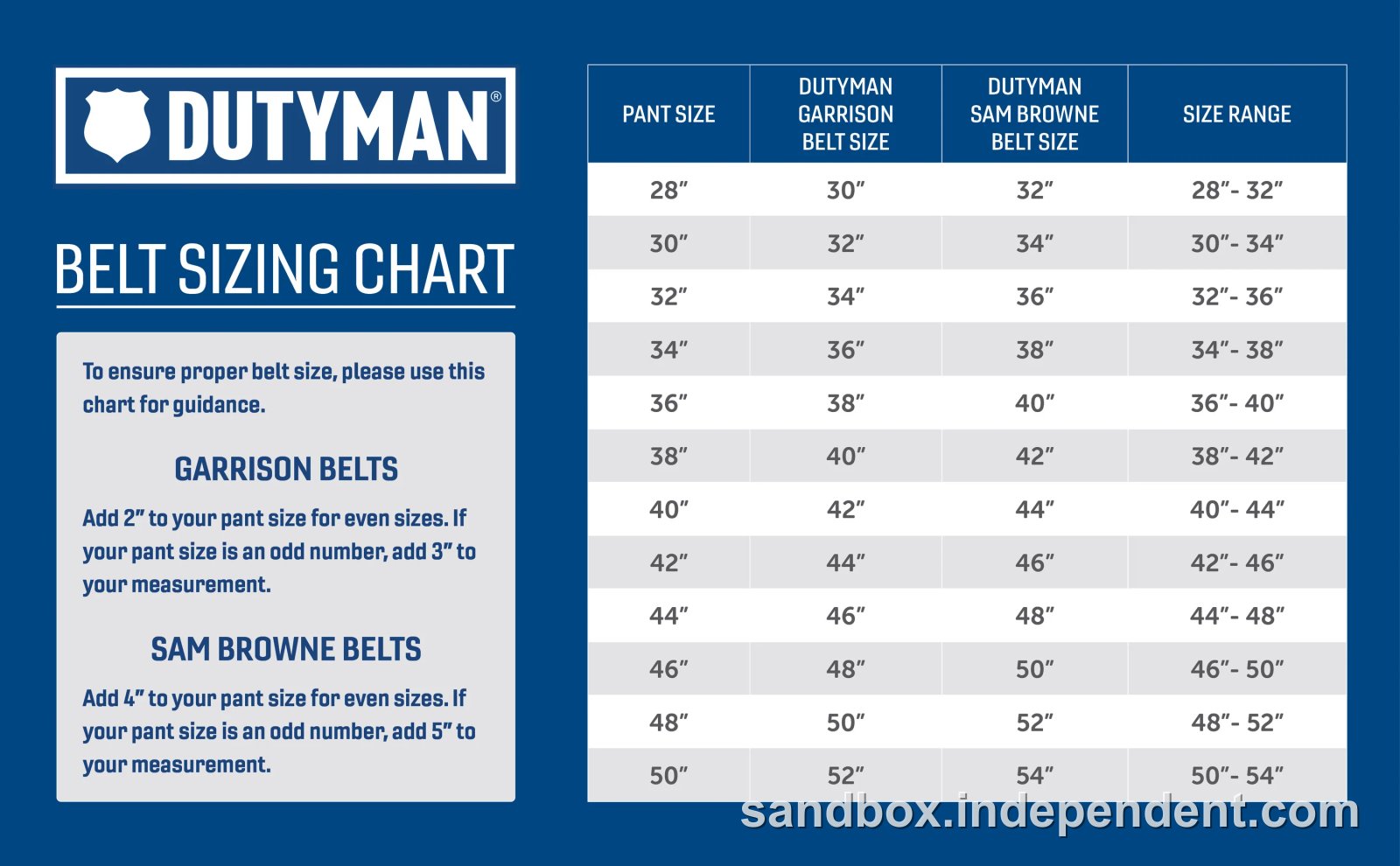
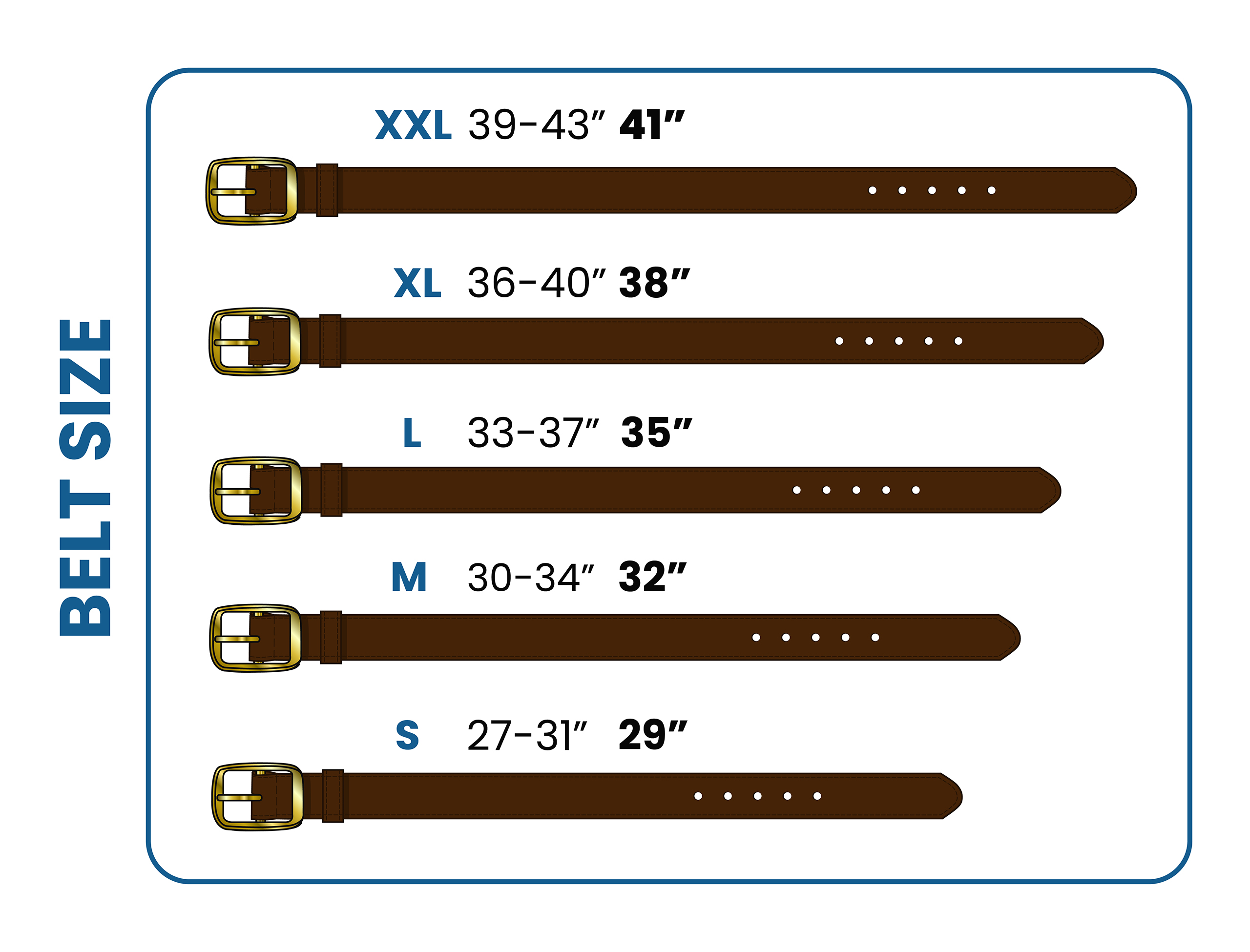
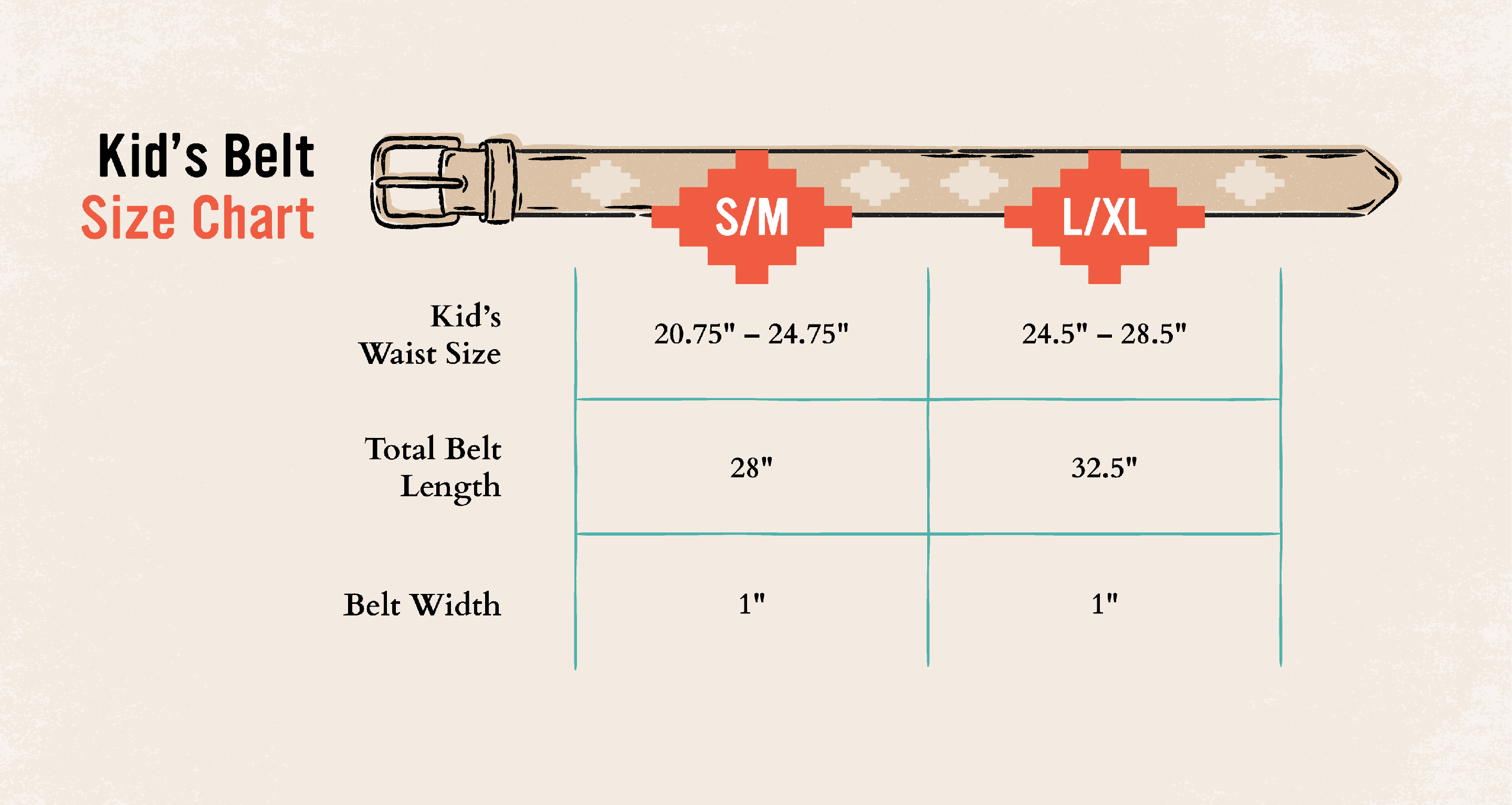
A common misconception about belt size charts is that they are one-size-fits-all, but this couldn't be further from the truth. While these charts provide a valuable reference, they can vary depending on various factors. So, it's essential to understand how to interpret them accurately. A belt size chart is a handy tool, offering a simple guide to finding the right belt length and size. It can include different measurements, such as waist size and pant size conversion, ensuring a perfect fit.
Understanding the Belt Size Chart
The belt size chart is a valuable tool for anyone looking to find the perfect belt fit. It provides a standardized way to determine your belt size, ensuring a comfortable and secure fit for your waist. This chart is an essential guide, especially when shopping for belts, as it simplifies the sizing process and helps you make an informed choice.
Key Details and Categories
The belt size chart typically displays two main categories: waist size and belt length. Waist size is measured in inches or centimeters, depending on the standard used. It represents the circumference of your waist, which is a critical factor in belt sizing. Belt length, on the other hand, is the actual length of the belt, excluding the buckle. This measurement is crucial as it determines how much the belt can be adjusted to fit your waist comfortably.
Reading and Applying the Chart
To use the belt size chart, follow these steps:
- Measure your waist: Use a flexible tape measure to find your waist size. Place the tape measure around your waist, ensuring it sits comfortably above your hip bones. Take the measurement in inches or centimeters, depending on the standard you're using.
- Find your waist size on the chart: Look for the column or row that corresponds to your waist size. This will give you a range of belt lengths suitable for your waist circumference.
- Consider your belt style: Different belt styles have varying levels of adjustment. For example, a casual leather belt with a simple buckle may offer more adjustment than a dress belt with a fixed, decorative buckle. Ensure you choose a belt length that provides enough flexibility for your preferred style.
- Adjust for comfort: The belt should fit comfortably around your waist, allowing for a couple of inches of adjustment. This ensures you can wear the belt with different outfits and still have a secure fit.
Variations and Differences
It's important to note that belt size charts may vary slightly depending on the standard used. For instance, the metric belt sizing system, often used internationally, may have slightly different measurements compared to the standard belt dimensions in the US. Additionally, manufacturers may have their own variations, so it's always a good idea to refer to the specific brand's sizing guide or consult their customer support for accurate information.
- Key factors that can cause variations include:
- Different measurement units (inches vs. centimeters)
- Brand-specific sizing standards
- Belt style and design (e.g., decorative buckles)
- Personal preference for a looser or tighter fit
Common Mistakes and How to Avoid Them
When using a belt size chart, avoid these common mistakes:
- Relying solely on pant size: Your pant size is not always an accurate indicator of your belt size. It's best to measure your waist directly for an accurate fit.
- Ignoring the belt style: Different belt styles offer varying levels of adjustment. Ensure you consider the belt's design and your personal preference for a comfortable fit.
- Overlooking the chart's limitations: While the chart provides a great starting point, it may not account for all body types or unique situations. If you have a unique waist shape or size, it's wise to double-check with the brand's specific sizing guide or seek advice from a professional.
Hey there! We hope this belt size chart and guide has been helpful in your quest for the perfect fit. Remember, while we've covered the basics, the exact details can vary slightly, so it's always a good idea to double-check with your preferred brand or standard for the most accurate information.
Feel free to bookmark this page for future reference; it's always handy to have a quick guide like this at your fingertips. We've got more practical guides like this one, so be sure to check them out if you're interested in learning more about similar topics. Happy measuring!
Related: A Simple Dog Growth Chart Guide
A common misconception about dog growth charts is that they are solely for show, a decorative element on a vet's wall. In reality, these charts are practical tools, offering valuable insights into your dog's development.
While the values and formats may vary, the purpose remains the same: to provide a quick reference guide for pet owners and professionals alike. With a dog growth chart, you can track your furry friend's progress, ensuring they are on a healthy growth trajectory. It's a simple yet effective way to monitor their well-being, especially during those crucial early months.
Understanding Dog Growth Charts
Dog growth charts are a handy tool for pet owners to monitor their furry friend's development. These charts provide a visual representation of a dog's growth journey, offering insights into their weight, height, and overall progress.
Key Details and Categories
The dog weight chart typically includes two main axes: one for age and another for weight or height. Age is often measured in weeks or months, while weight is in pounds or kilograms, depending on the standard used. Some charts also include height measurements, usually in inches or centimeters. It's essential to know your dog's breed and age to choose the right chart and interpret the data accurately.
Reading and Applying the Chart
Here's a step-by-step guide to using a dog growth chart:
- Identify your dog's breed and age. Different breeds have unique growth patterns, so ensure you're using the correct chart.
- Locate your dog's age on the chart's horizontal axis.
- Find the corresponding weight or height range on the vertical axis.
- Compare your dog's actual weight or height with the chart's values. If they fall within the range, your dog is likely growing as expected.
- Track your dog's progress over time by marking their weight or height on the chart regularly. This helps identify any deviations from the average growth rate.
Variations and Differences
It's important to note that dog growth charts are general guidelines and may not apply to every dog. Several factors can influence a dog's growth, leading to variations:
- Breed: Different breeds have distinct growth patterns and sizes.
- Gender: Male and female dogs may have slightly different growth trajectories.
- Nutrition: A dog's diet and overall health play a significant role in their growth.
- Environment: Factors like exercise and living conditions can impact development.
- Individual variations: Just like humans, dogs can have unique growth rates and milestones.
Common Mistakes and How to Avoid Them
When using a dog growth chart, avoid these common pitfalls:
- Relying solely on the chart: While charts provide valuable insights, they are not a substitute for professional advice. Consult a veterinarian if you have concerns about your dog's growth.
- Ignoring individual variations: Every dog is unique. Don't compare your dog's growth directly to another dog's; focus on their personal progress.
- Using the wrong chart: Ensure you select a chart specific to your dog's breed and age group.
- Overinterpreting data: Growth charts offer a general overview; they may not capture all nuances of a dog's development.
- Neglecting regular check-ups: Schedule routine visits to the vet to monitor your dog's overall health and growth accurately.
Remember, dog growth charts are a tool to assist, not a strict rulebook. Stay vigilant, and enjoy watching your furry companion grow and thrive!
So, there you have it, a handy guide to understanding your dog's growth and keeping track of their development. Remember, while these charts provide a great reference, every dog is unique, and growth rates can differ. It's always a good idea to consult your vet for personalized advice.
Before you go, make sure to check the specific standards and guidelines relevant to your breed and region. There's a wealth of information on our site to explore, so feel free to browse and discover more practical guides and fun reads!