



308 Drop Chart Blank Overview
You're here, searching for that fdny salary chart, probably to get a quick glimpse of the numbers and understand what you're dealing with. It's a handy reference, and these charts can vary, so it's great to have an overview. The FDNY salary structure is designed to reward experience, and you'll see that reflected in the different roles and their pay grades. From firefighters to EMS, captains, and lieutenants, each position has its own pay scale, and the fdny salary chart gives you a snapshot of these.
Understanding the FDNY Salary Chart
The FDNY salary chart is a valuable tool that provides insight into the compensation structure for firefighters and emergency medical services (EMS) personnel within the Fire Department of New York City (FDNY). It offers a clear overview of the salary ranges, rank-based pay, and benefits associated with different positions.
Key Details and Categories
When examining the FDNY salary chart, you'll notice it's organized by rank and position. The chart typically includes roles such as firefighters, lieutenants, captains, and EMS personnel. Each position is further categorized by years of service or experience, with corresponding salary ranges. Additionally, the chart may provide information on overtime pay and pension calculations, which are essential components of FDNY compensation.
Reading and Applying the Chart
To utilize the FDNY salary chart effectively, follow these steps:
- Identify your position and rank within the FDNY. This is crucial as it determines your specific salary range.
- Locate your rank on the chart and find the corresponding salary column. Ensure you're considering the correct pay grade based on your years of service.
- Review the salary range provided for your position and rank. This range typically represents the minimum and maximum earnings for that role.
- Understand that overtime pay is often calculated separately and may not be included in the base salary range.
- If you're planning for retirement, use the pension calculator section of the chart to estimate your pension benefits.
- Remember, the chart provides a general overview, so individual circumstances and factors may impact your exact compensation.
Variations and Differences
Salary variations within the FDNY can occur due to several factors:
- Years of Service: As you gain experience and progress in your career, your salary range typically increases.
- Rank and Position: Different ranks and positions within the FDNY have distinct salary structures.
- Overtime Pay: FDNY personnel may earn additional income through overtime work, which can significantly impact their overall compensation.
- Pension Benefits: Retirement benefits vary based on individual contributions and years of service.
- Special Assignments: Certain roles or assignments within the FDNY may come with unique compensation packages.
Common Mistakes and How to Avoid Them
When interpreting the FDNY salary chart, avoid these common pitfalls:
- Assuming the chart covers all aspects of compensation: Remember, it provides a general overview. Double-check with official FDNY resources for detailed information on specific benefits and allowances.
- Ignoring rank-based pay differences: Each rank has its own salary range, so ensure you're considering the correct pay grade.
- Overlooking overtime pay: Overtime work can significantly boost your earnings, so factor it into your financial planning.
- Forgetting about pension calculations: Retirement planning is crucial. Use the pension calculator to estimate your future benefits accurately.
- Not considering individual factors: Your exact compensation may vary based on personal circumstances and performance. Consult with FDNY resources for a precise understanding of your earnings.
Well, there you have it! A handy guide to understanding the FDNY salary chart. It's always good to have a clear picture of the numbers, and now you know where to start.
Remember, these figures are a great reference, but it's important to check the specifics for your situation. Exact values may differ slightly, so always double-check the official sources for your context. It's a quick and easy process, and now you have the tools to do it confidently.
Related: Unraveling the RI Tide Chart Mystery
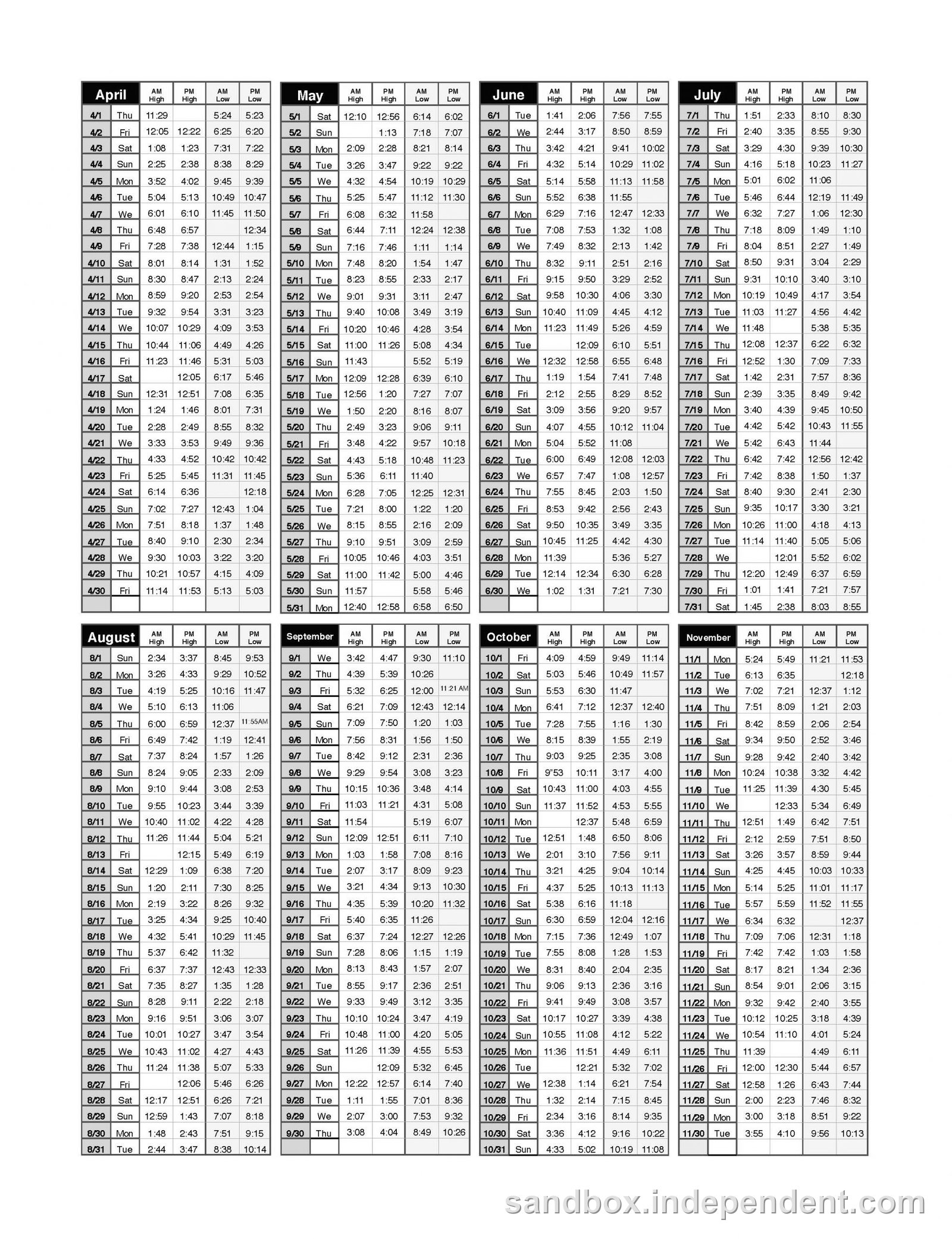
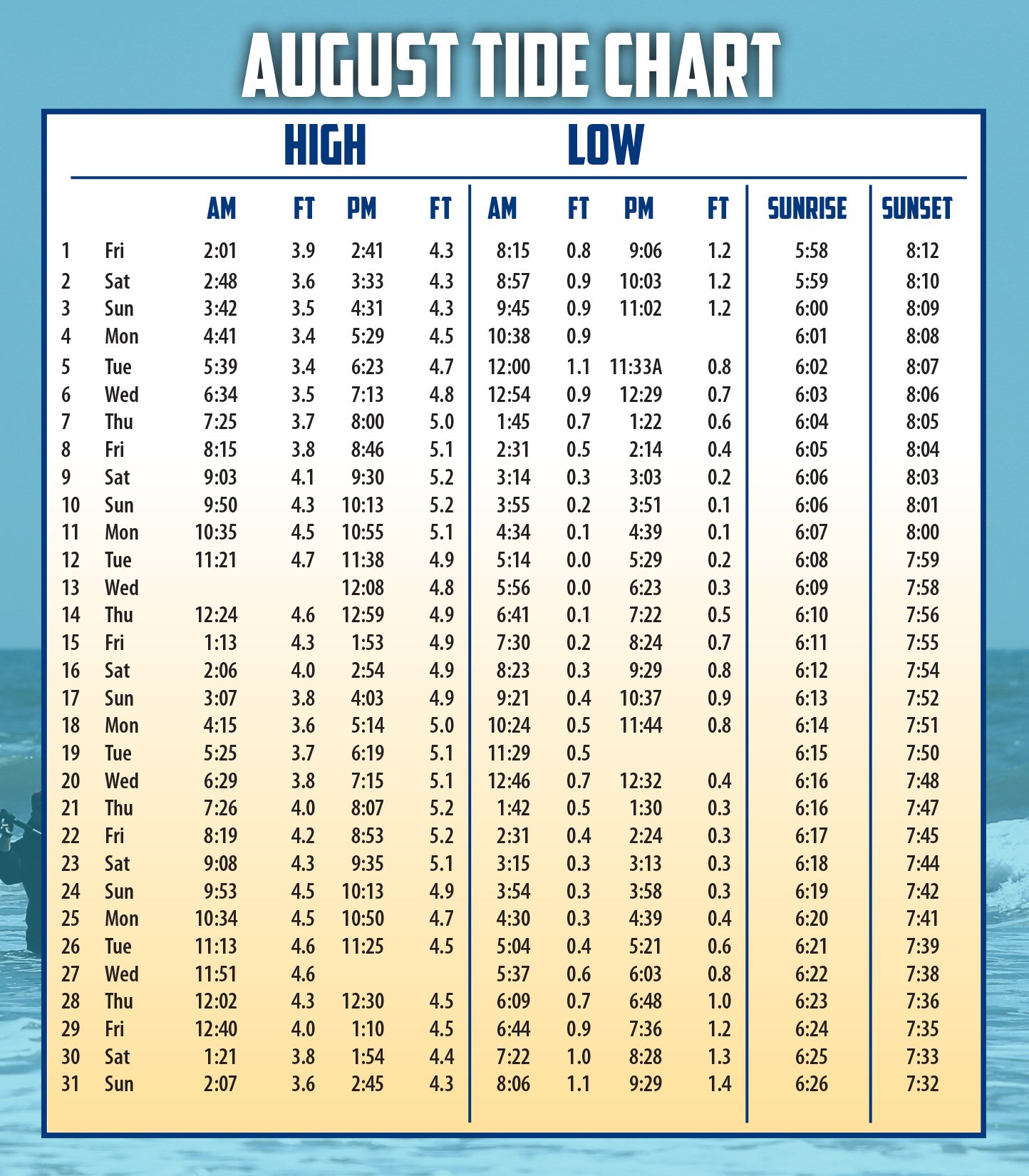
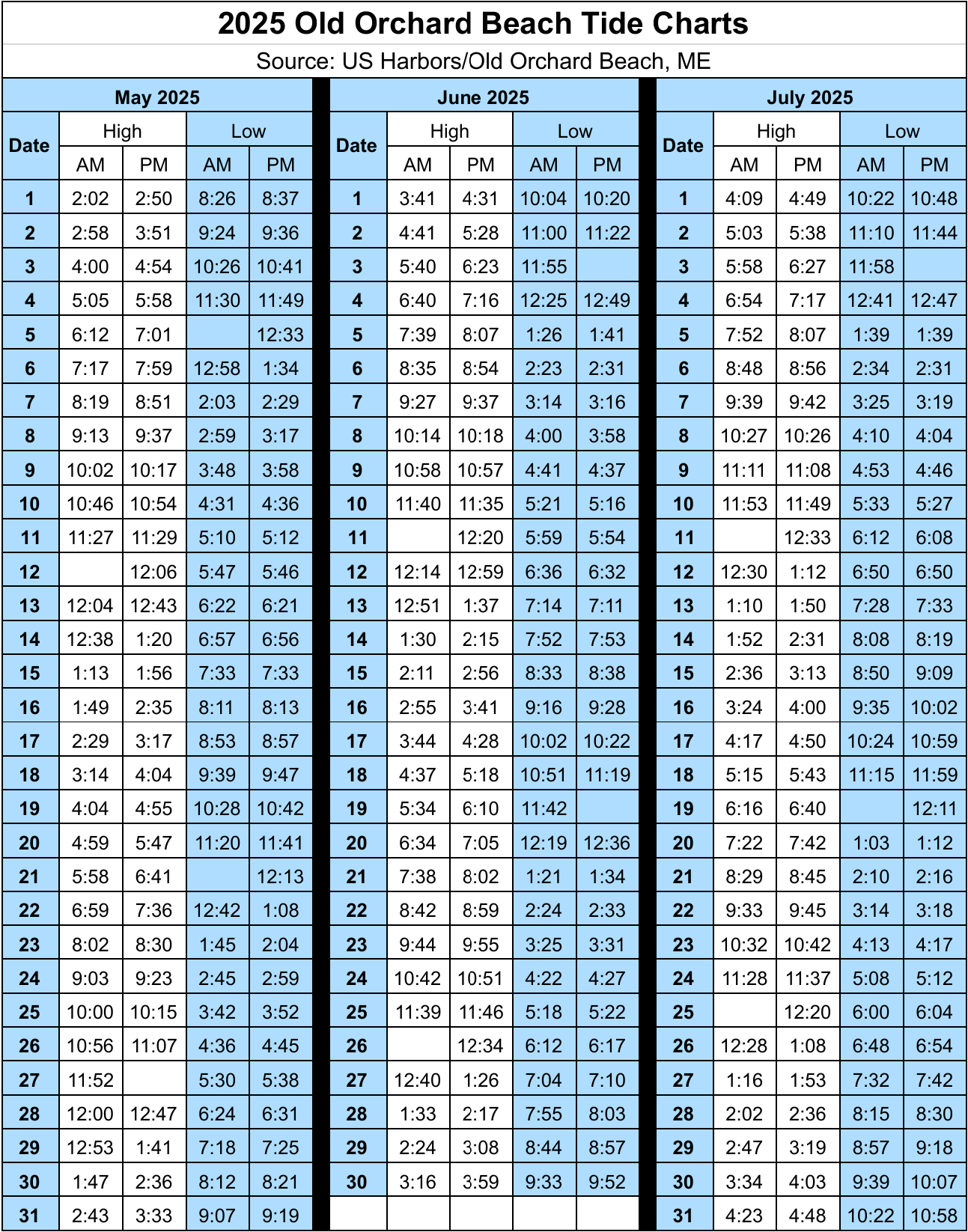
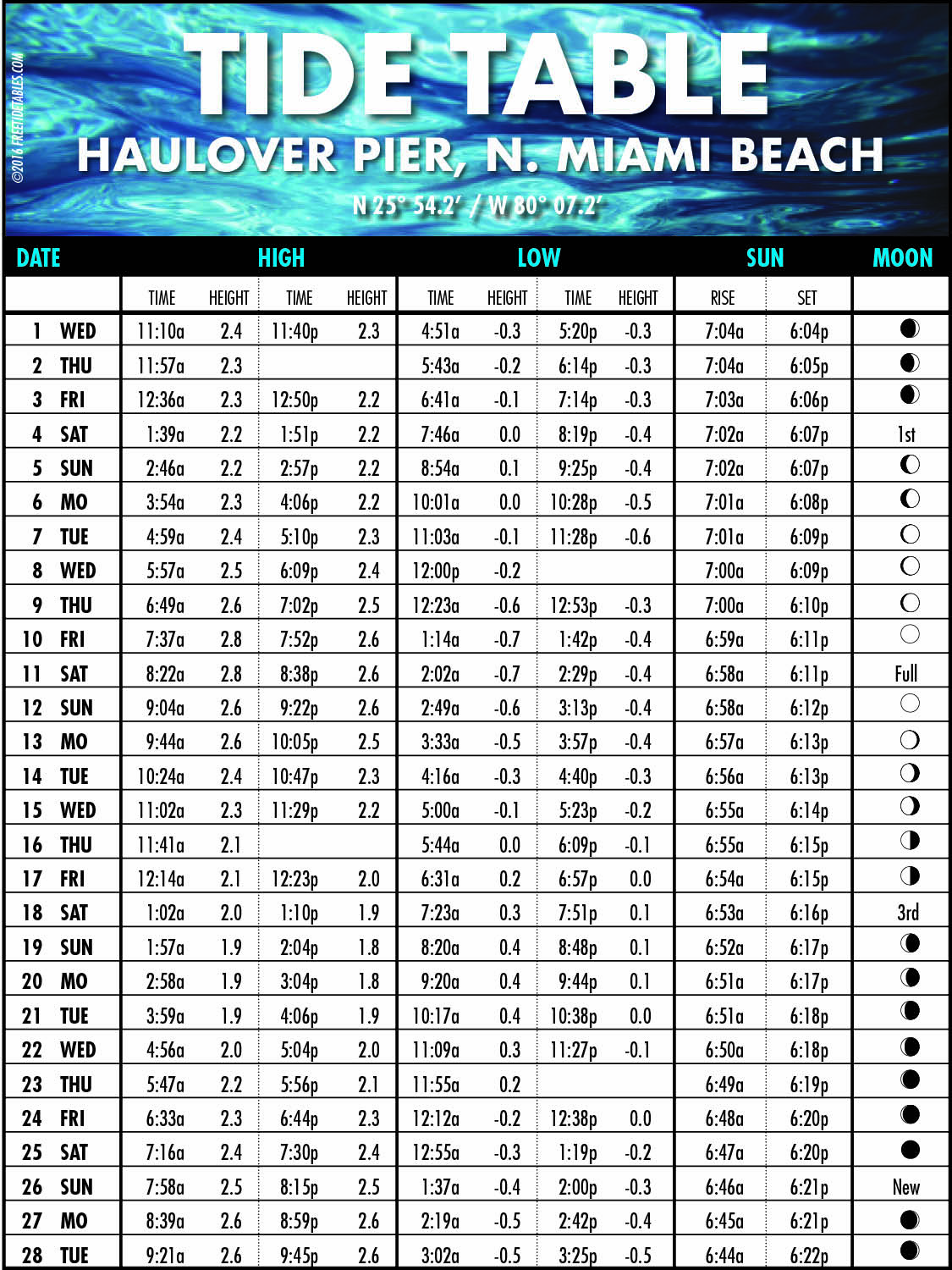
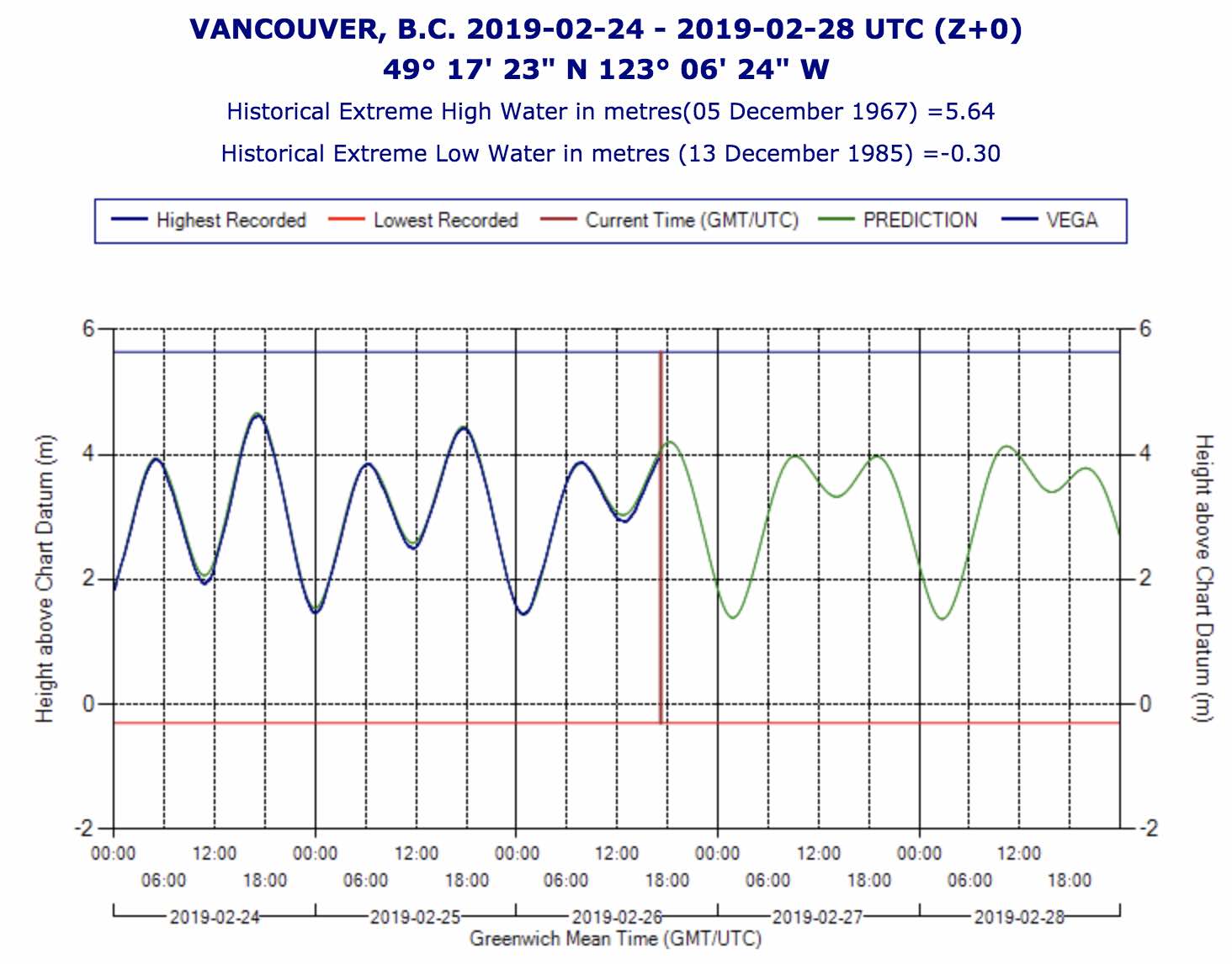
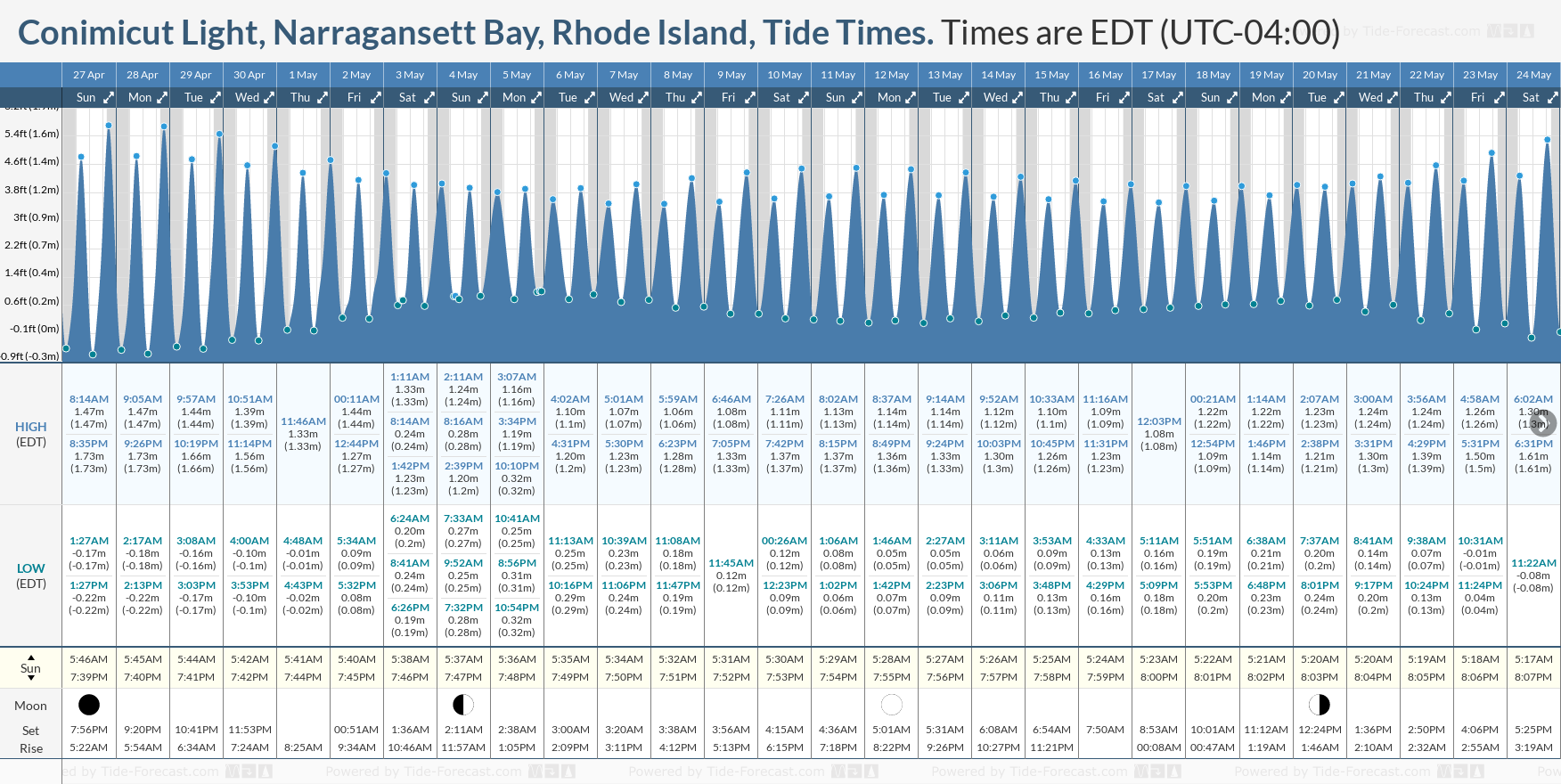
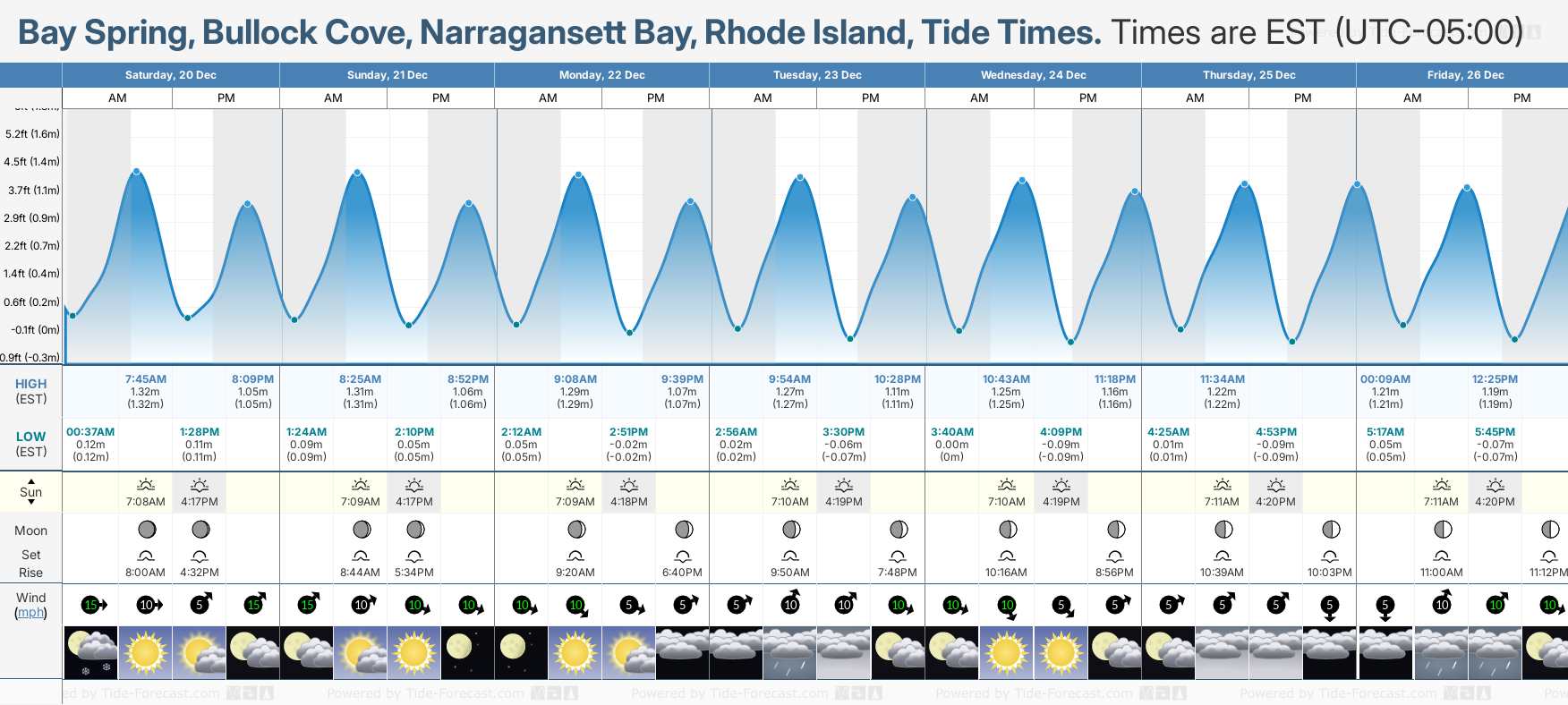
You're probably here because you need a reliable reference for your coastal adventures, and the RI tide chart is an essential tool for that. It's a simple yet powerful resource, providing a quick glimpse into the rhythm of the ocean's tides and currents. Whether you're a surfer, a fisherman, or just enjoy a walk by the shore, understanding the RI tide chart is key to making the most of your time on the water.
Understanding the RI Tide Chart: A Quick Overview
The RI tide chart is a handy tool for anyone living near or enjoying the waters of Rhode Island. It provides essential information about the water levels and current flow rates, helping you plan your activities, from boating to fishing, with ease. This chart is a visual representation of the tidal patterns, offering a simple yet effective way to understand the ocean's movement.
Comparing Tide Chart Formats: Standard vs. Metric
When it comes to tide charts, there are two main formats: the standard US system and the international metric system. The RI tide chart typically follows the US standard, which uses feet as the unit of measurement. However, it's essential to note that some charts may offer both systems, providing a conversion for easy reference. Understanding the format is key to accurate readings.
Reading the RI Tide Chart: A Step-by-Step Guide
- Locate the specific area or region you're interested in on the chart. Each area will have its own unique tidal pattern.
- Identify the time of day you plan to be on the water. The chart will show the predicted water level and current flow for that time.
- Read the values: the height of the tide is indicated in feet, and the current flow is often represented by arrows or a scale.
- Plan your activities accordingly. For instance, a higher tide might be ideal for certain water sports, while a specific current flow can impact your boating or fishing experience.
Common Misreadings and How to Avoid Them
One common mistake is assuming that the RI tide chart covers all exceptional tidal events, like storms or extreme weather. It's crucial to double-check for any special announcements or alerts, especially during unusual weather conditions. Additionally, remember that the chart provides predictions, and actual conditions may vary slightly. Always keep an eye on the water and be prepared for any unexpected changes. Lastly, ensure you're using the correct chart for your specific region, as tidal patterns can differ even within Rhode Island.
So, there you have it! A handy guide to navigating the RI tide chart, covering all the bases you need to know. We've looked at the different formats, a step-by-step process, and some common mistakes to avoid.
Remember, while this guide provides a solid foundation, your specific context matters. Double-check the details for your area and ensure you're using the right chart for your needs. It's a simple step that can make a big difference! Feel free to bookmark this page for future reference; it might come in handy when you least expect it. Happy charting!
Related: Understand Eye Shape Chart: A Quick Guide
An eye shape chart is a valuable tool for understanding and identifying the various shapes and structures of the eyes. This guide aims to provide a straightforward overview, offering insights into how these charts work and their practical applications.
The chart serves as a visual reference, categorizing eye shapes and often including measurements. It can help individuals recognize their eye type and understand the associated terminology, such as monolid or hooded. While the specifics may vary depending on the source, the eye shape chart remains a reliable starting point for self-analysis and a great foundation for further exploration.
Understanding Eye Shapes: An Eye-Opening Guide
The eye shape chart is a valuable tool for anyone seeking to learn about the diverse shapes of eyelids and eyes. This guide will help you navigate this chart, offering a clear understanding of its purpose and use.
Key Details and Categories
The eye shape chart typically categorizes eye shapes based on the appearance of the eyelid and the visible portion of the eye. Common categories include monolid, hooded, almond, round, and deep-set eyes. Each category has unique characteristics, such as the presence or absence of a visible eyelid crease or the shape of the eye itself.
Reading the Eye Shape Chart: A Step-by-Step Guide
To read the eye shape chart, follow these steps:
Start by identifying the primary features of your eyes. Look for the presence of an eyelid crease, the shape of the eye opening, and the overall contour of the eyelid.
Compare your observations to the categories on the chart. Match the visible features of your eyes to the corresponding category.
Once you've identified your eye shape, you can explore the chart further to learn more about your specific eye type. The chart often provides additional information, such as common traits, makeup tips, or even optical considerations.
Variations and Differences: Why Do They Exist?
Variations in eye shapes are a natural part of human diversity. Genetic factors play a significant role, as eye shape is often inherited. Additionally, factors like age, ethnicity, and even lifestyle can influence the appearance of the eyelids and eyes. For instance, as we age, the skin around the eyes may change, affecting the shape and visibility of the eyelid crease.
Common Mistakes and How to Avoid Them
When using the eye shape chart, it's important to avoid these common mistakes:
Relying solely on the chart: While the chart is a great guide, individual variations exist. Take it as a starting point, but consider seeking professional advice or conducting further research for a more precise understanding.
Overlooking personal features: Each person's eyes are unique. Pay attention to your specific eye traits, such as the color, size, and spacing, as these can influence the overall appearance.
Ignoring context: The eye shape chart may not cover all situations. For example, certain medical conditions or previous surgeries can alter eye shape. Always consider your personal context and consult experts when needed.
Practical Tips for Accurate Results
To ensure accurate results when using the eye shape chart, consider these tips:
Lighting: Ensure you examine your eyes in natural light or good artificial lighting to get an accurate view.
Angle and Distance: Maintain a consistent angle and distance when observing your eyes to avoid distortion.
Compare and Contrast: Compare your eyes to the chart's examples, but also contrast them with other eye shapes to gain a broader understanding.
Seek Expert Advice: If you're unsure or have specific concerns, consult an optometrist or ophthalmologist for a professional opinion.
Remember, the eye shape chart is a valuable tool, but it's just one part of understanding your unique eye characteristics.
Remember, while this guide offers a comprehensive overview, the specifics of eye shape charts can differ slightly based on individual needs and contexts. Feel free to adapt and customize the chart to suit your unique requirements.
Consider bookmarking this page for future reference. Whether you're a makeup artist, a fashion enthusiast, or simply curious about eye shapes, having this guide handy will ensure you always have a reliable resource at your fingertips.