

55 In Fraction Overview
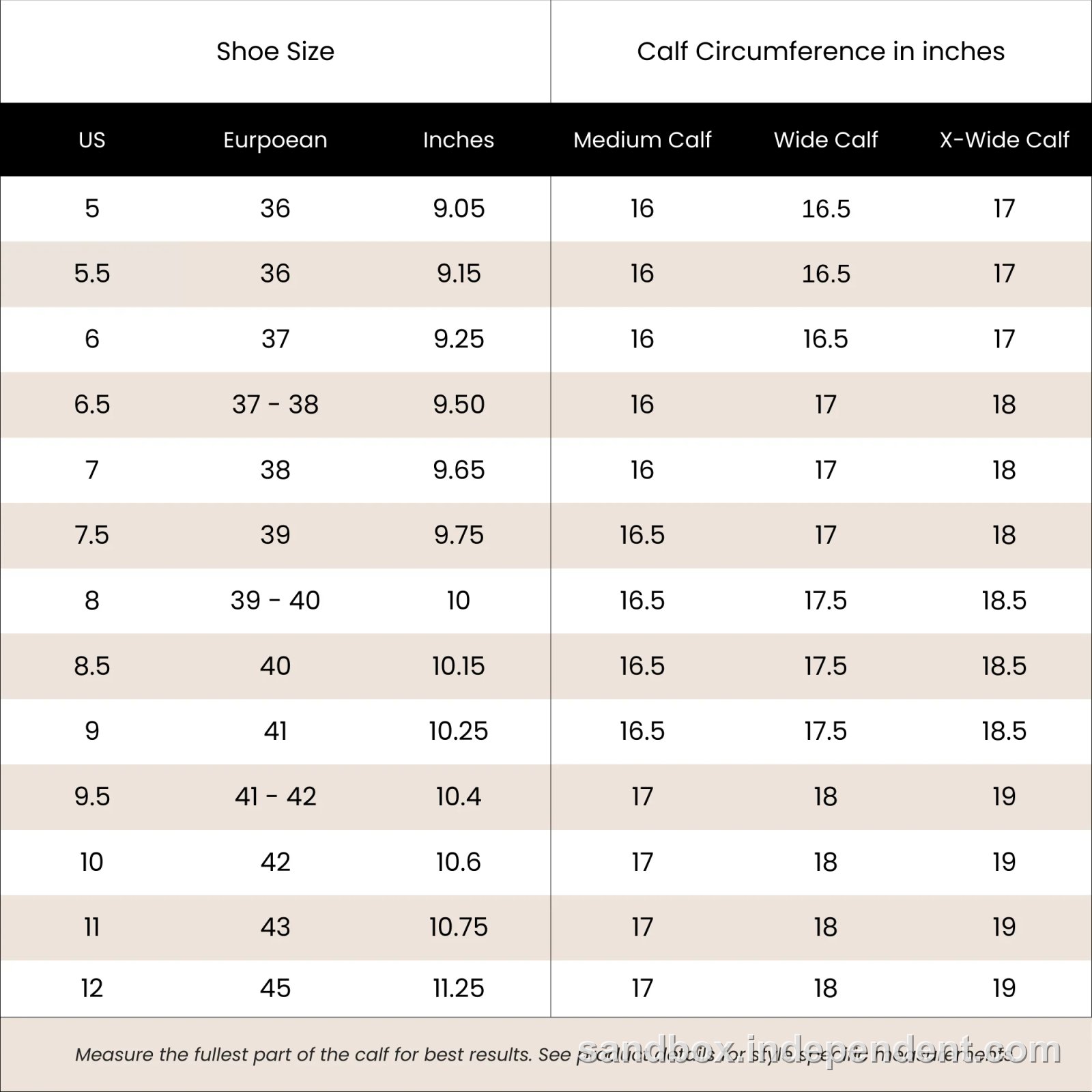
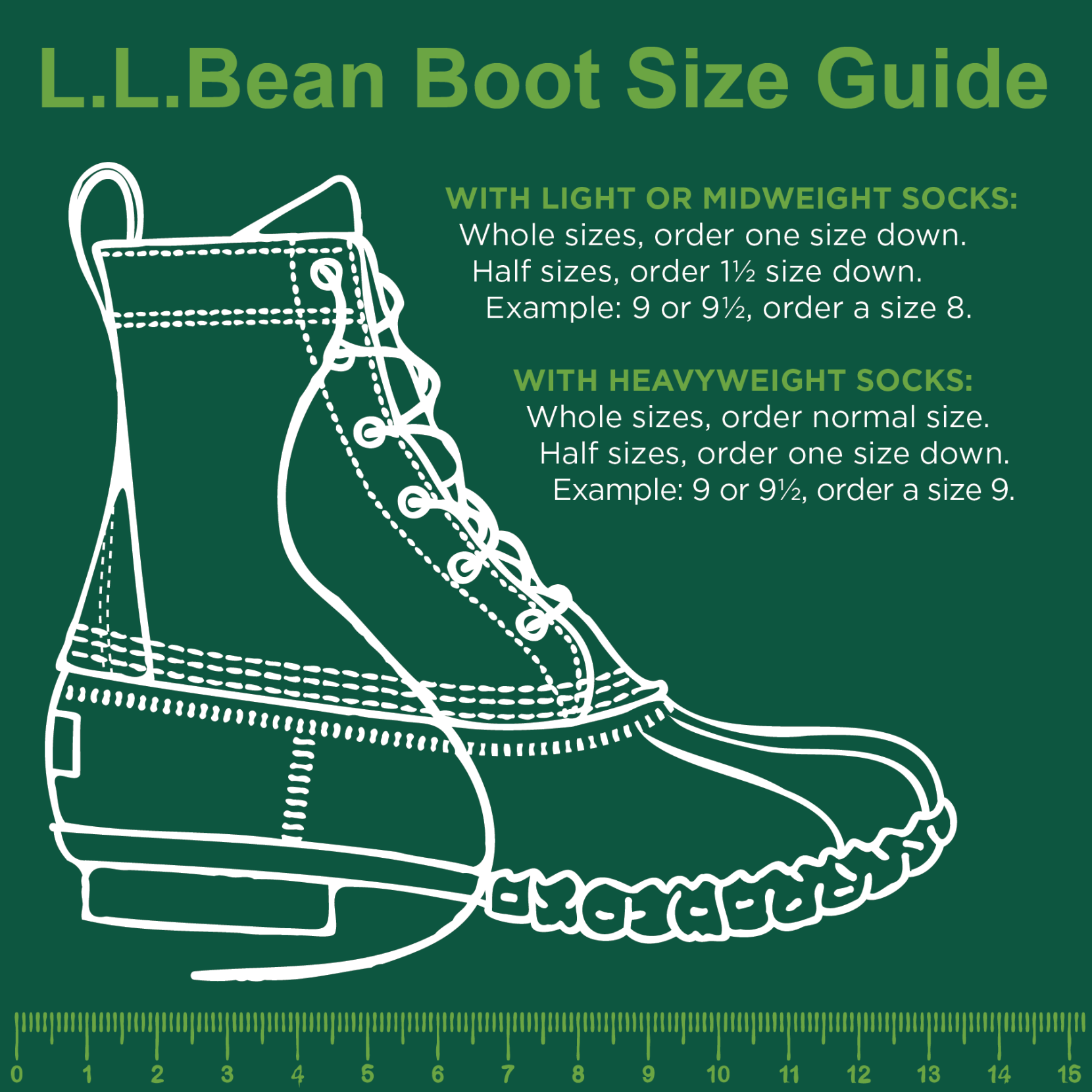
Many people overlook the importance of a simple boot size chart, assuming it's just a basic guide. But, it's a common pitfall to think that one size fits all, and this is where the chart becomes crucial. A boot size chart is your go-to tool, offering a quick and accurate way to find your perfect fit. It's not just about shoe size; it considers foot measurements and provides a reliable reference for various brands and international sizing standards.
Boot Size Chart Explained
A boot size chart is your go-to guide for finding the perfect fit for your feet. It's a handy tool that helps you understand the standard sizing systems used for boots, ensuring you get the right size every time. These charts are especially useful when shopping online or comparing different brands, as they provide a consistent reference point.
Understanding the Key Details
Before diving into the chart, let's cover some basics. Boot size charts typically display two key measurements: length and width. Length is measured in either centimeters (cm) or US sizes, and it represents the overall size of your foot. Width, on the other hand, is often indicated by letters (e.g., A, B, C) or a scale (e.g., narrow, medium, wide). It's important to note that the width scale may vary slightly between brands, so always check the specific chart for clarity.
How to Read and Use the Boot Size Chart
Using a boot size chart is straightforward:
Measure your foot length: Take an accurate measurement of your foot, following the guidelines provided on the chart. This ensures you get the right length.
Find your length category: Locate your foot length on the chart. It will typically be divided into categories, such as men's, women's, and kids' sizes, with corresponding length ranges.
Check the width: Once you've identified your length category, look for the width options available within that range. Choose the width that best suits your foot shape and comfort preferences.
Convert if needed: If the chart uses a different sizing system than you're familiar with, don't worry! Most charts provide conversion guides, allowing you to easily translate between US, UK, and EU sizes, or even cm to US size conversions.
Variations and Differences
One of the challenges with boot size charts is the variation between different standards and brands. While many brands adhere to international sizing standards, some may have slightly different measurements or use unique width scales. This is especially true for specialty boots, like hiking or skiing boots, which may have unique fit requirements. Always double-check the specific brand's sizing guide to ensure an accurate fit.
Common Mistakes and How to Avoid Them
A common mistake is assuming that all boot size charts are the same. Different charts may have slight variations, so always refer to the chart provided by the brand or retailer you're purchasing from. Another pitfall is relying solely on your usual shoe size. Boot sizes can vary, so it's best to measure your foot each time to ensure an accurate fit. Lastly, don't forget to consider the width! A boot that's too narrow or wide can cause discomfort and affect your overall experience.
Tips for Accurate Measurements and Best Practices
To ensure the most accurate results when using a boot size chart, consider these tips:
Measure your foot at the end of the day when it's slightly swollen, as this is often the time when your feet are at their largest.
If you're between sizes, err on the side of a slightly larger size. A tight fit can be uncomfortable and restrict blood flow, while a slightly larger size can be adjusted with the right sock thickness.
When trying on boots, wear the same type of socks you plan to wear with them. This ensures a true representation of the fit.
Consider the type of boot and its intended use. Some boots, like work boots, may require a different fit than casual boots, so be mindful of the activity and choose accordingly.
Remember, while boot size charts are a valuable tool, they are just a guide. Always trust your comfort and fit preferences, and don't hesitate to seek advice from experts or customer support if you need further assistance. Happy shopping and happy trails!
Well, there you have it! A boot size chart is a handy tool, but remember, it's a guide, and exact values may differ slightly between standards. Always double-check your specific needs and the manufacturer's guidelines to ensure a perfect fit.
This chart is a quick reference, so bookmark this page, and you'll always have it at your fingertips when you need to find the right boot size. Happy measuring, and may your feet always be comfortable!
Related: Understand Rim Offset Chart: A Visual Guide
A rim offset chart is a valuable tool for anyone seeking precise wheel and tire fitment information. This guide will navigate you through the essentials, ensuring you understand the chart's purpose and how to interpret its data accurately.
The chart provides a quick reference for wheel offset, a critical measurement that ensures your wheels are correctly positioned on the vehicle. While values may vary depending on standards and regional practices, the rim offset chart offers a standardized overview, often accompanied by related charts for rim size and bolt patterns, aiding in the perfect wheel fitment.
Understanding Rim Offset Charts
A rim offset chart is a valuable tool for anyone involved in automotive wheel fitment and customization. It provides a visual representation of the various offset values, helping users determine the correct rim specifications for their vehicle. This chart is an essential reference guide, offering a quick and accurate way to match rim sizes and offsets to ensure proper wheel fitment.
Key Details and Categories
The rim offset chart typically includes three critical dimensions: the offset, rim width, and wheel diameter. The offset is the distance from the wheel's centerline to the hub mounting surface. It is measured in millimeters (mm) and is a crucial factor in wheel fitment. Rim width refers to the distance between the inner and outer flanges of the rim, also measured in mm. Wheel diameter, on the other hand, is the size of the wheel, usually expressed in inches. These three measurements are the foundation of the chart, allowing users to identify the correct rim specifications.
Reading the Chart: A Step-by-Step Guide
- Start by identifying the wheel diameter you require. This is typically based on the vehicle's make and model.
- Locate the corresponding wheel diameter on the chart. The chart will often have a column or section dedicated to different wheel diameters.
- Next, find the desired rim width. Rim widths are usually listed in a separate column adjacent to the wheel diameter section.
- Once you have identified the wheel diameter and rim width, you can read the offset value. The offset is typically presented as a range of values for each combination of wheel diameter and rim width.
- Choose an offset value within the range that suits your preferences and the vehicle's requirements. A positive offset indicates the wheel is positioned towards the vehicle's exterior, while a negative offset moves it inward.
- Cross-reference the chosen offset with the rim width and wheel diameter to ensure they align. This step is crucial to avoid any fitment issues.
Variations and Differences
It's important to note that rim offset charts can vary depending on the standard being used. Different regions and manufacturers may have slight variations in their charts, so it's essential to refer to the appropriate chart for your specific needs. Additionally, some charts may provide a broader range of offset values to accommodate various vehicle modifications and customizations. Always check the chart's specifications and ensure it aligns with your vehicle's requirements.
Common Mistakes and How to Avoid Them
One common mistake is selecting an incorrect offset, which can lead to wheel interference with suspension components or improper tire wear. To avoid this, always double-check the offset value and ensure it falls within the recommended range for your vehicle. Another pitfall is neglecting to consider the overall width of the wheel and tire combination. Ensure the total width, including the tire, fits within the vehicle's wheel wells to avoid rubbing or clearance issues.
Practical Tips for Accurate Results
When using a rim offset chart, it's beneficial to have a basic understanding of wheel fitment principles. Consider the vehicle's stock offset and how modifications, such as lowering or lifting, can impact the optimal offset choice. Additionally, be mindful of the wheel and tire package's overall width and ensure it fits within the vehicle's wheel arches. Regularly consult the rim offset chart during the selection process to make informed decisions and achieve the desired look and performance.
Well, there you have it! A comprehensive guide to understanding rim offset charts and their practical applications. Remember, these charts are a valuable tool, but it's essential to consider your specific needs and the context in which you're using them.
The world of rim offsets is a fascinating one, offering precision and accuracy for those who need it. So, before you put your new-found knowledge into practice, take a moment to ensure you've got the right information for your unique situation. Consider any variations in standards or specific requirements, and you'll be all set. And don't forget, this guide is here for you whenever you need a quick refresh—just bookmark it, and it'll be at your fingertips!
Related: What's the deal with quilt sizes chart?
A quilt sizes chart can be a handy tool, but it's often misunderstood as a rigid, one-size-fits-all guide. In reality, these charts are flexible and adaptable, offering a range of standard sizes as a starting point for your quilting journey.
While the quilt sizes chart provides a great reference, it's important to remember that these dimensions can vary slightly depending on your region and personal preferences. Whether you're crafting a crib quilt size or aiming for a king-size masterpiece, understanding the chart is key to achieving your desired quilt measurements.
Understanding the Quilt Sizes Chart
The quilt sizes chart is your practical guide to creating quilts with precision and ease. It provides a clear overview of standard quilt dimensions, helping you choose the right size for your project and ensuring a perfect fit every time. This chart is a valuable resource for quilters, offering a quick reference to common quilt sizes and their measurements.
Comparing Quilt Size Categories
When exploring the quilt sizes chart, you'll notice a range of categories, each representing a specific quilt size. These categories are typically based on standard bed sizes, such as crib, twin, full, queen, and king. The chart provides the length and width measurements for each size, allowing you to select the right dimensions for your quilt. It's a simple and effective way to ensure your quilt fits its intended purpose.
Step-by-Step Guide to Using the Chart
Using the quilt sizes chart is straightforward. Here's a simple guide:
- Identify the intended use for your quilt. Are you making a crib quilt, a baby quilt, or a larger quilt for a bed?
- Refer to the chart and locate the relevant category.
- Take note of the length and width measurements provided. These are the standard dimensions for that particular quilt size.
- Measure your available space or the intended recipient's bed to ensure the quilt will fit perfectly.
- Use the chart's measurements as a guide to create your quilt pattern and ensure a comfortable and well-fitted result.
Avoiding Common Misreadings
While the quilt sizes chart is a reliable reference, it's essential to avoid common misreadings. Always double-check the units of measurement, as some charts may use imperial or metric units. Additionally, be aware that the chart provides standard measurements, and variations may exist based on personal preferences or specific projects. Always measure your space or the intended bed to ensure an accurate fit.
Factors Affecting Accuracy
Several factors can influence the accuracy of your quilt size selection. Firstly, the intended use of the quilt is crucial. A crib quilt will have different dimensions compared to a king-size bed quilt. Additionally, personal preferences and design choices can impact the final size. Some quilters may opt for a larger or smaller quilt, depending on their style and the recipient's needs. Always consider these factors when referring to the quilt sizes chart.
Adapting to Specific Needs
While the quilt sizes chart provides standard measurements, it's flexible enough to accommodate custom quilt dimensions. If you require a unique size, you can use the chart as a starting point and adjust the measurements to fit your specific needs. This adaptability allows quilters to create one-of-a-kind quilts that perfectly suit their vision and the intended recipient's preferences.
Keeping Your Reference Reliable
To ensure the continued reliability of your quilt sizes chart, it's essential to keep it updated and accessible. Regularly refer to reputable sources to verify the accuracy of the measurements, especially if you notice any significant changes in standard quilt sizes. Consider printing the chart or saving it digitally for easy reference during your quilting projects. By keeping your chart up-to-date, you'll always have a trusted guide for creating beautifully sized quilts.
Well, there you have it! A handy guide to quilt sizes, covering all the bases and giving you the tools to tackle any quilting project.
Remember, every quilter's needs are unique, so take a moment to ensure the sizes and standards you're using fit your specific project. With these tips and tricks, you'll be quilting like a pro in no time!
Feel free to explore our other guides and resources; we've got plenty of practical advice to offer, so you can keep crafting with confidence. Happy quilting!