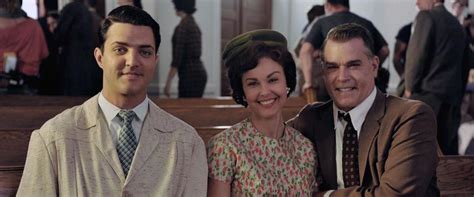
The Dallas Buyers Club, a film that premiered in 2013, is a powerful and thought-provoking drama based on the true story of Ron Woodroof, a Texan electrician and rodeo rider who becomes an unlikely AIDS activist in the 1980s. This critically acclaimed movie not only sheds light on the struggles of the AIDS epidemic during that era but also highlights the resilience and determination of the human spirit. As we delve into the world of this impactful film, here are eight key facts to consider, each providing a unique window into the making and the message of the Dallas Buyers Club.
1. True Story Adaptation
The Dallas Buyers Club is adapted from the true story of Ron Woodroof, a man who, after being diagnosed with AIDS in 1985, became a key figure in providing unapproved pharmaceuticals to fellow sufferers. This transition from a real-life narrative to a cinematic production required careful handling to honor the essence of Woodroof’s story while also conveying the broader themes of struggle, resilience, and redemption.
2. Transformative Performances
The film boasts transformative performances from its lead actors, Matthew McConaughey and Jared Leto. McConaughey’s portrayal of Ron Woodroof earned him the Academy Award for Best Actor, marking a significant milestone in his career. Jared Leto’s embodiment of Rayon, a trans woman with AIDS, also garnered him an Academy Award for Best Supporting Actor. These performances were not just acts of impersonation but deep dives into the characters’ psyches, showcasing the versatility and depth of the actors.
3. Physical Transformations
Both McConaughey and Leto underwent significant physical transformations to portray their characters accurately. McConaughey lost approximately 47 pounds to reflect the physical decline associated with AIDS, while Leto lost around 30 pounds and adopted the mannerisms and appearance of a trans woman living with AIDS. These physical transformations were not merely superficial but were integral to the actors’ methodical approach to portraying the stark realities of living with AIDS during that period.
4. Low Budget, High Impact
Despite being made on a relatively low budget of about 5 million, the Dallas Buyers Club generated over 56 million at the box office and received widespread critical acclaim. This disparity between budget and impact underscores the film’s ability to transcend financial constraints, touching upon universal themes that resonated deeply with audiences worldwide.
5. Historical Context and Accuracy
The film is set against the backdrop of the AIDS epidemic in the 1980s, a time of fear, misinformation, and stigma surrounding the disease. The Dallas Buyers Club works diligently to portray this era with accuracy, highlighting the challenges faced by those diagnosed with AIDS, including discrimination, lack of effective treatment options, and societal isolation. The attention to historical detail helps in creating a narrative that is both a tribute to those who suffered and a critique of the systemic failures that exacerbated the epidemic.
6. Impact on AIDS Awareness
The Dallas Buyers Club played a significant role in raising awareness about AIDS and the importance of access to effective and affordable treatment. By shedding light on the experiences of those living with AIDS during the 1980s, the film contributed to a broader conversation about healthcare, access to medication, and the rights of individuals with HIV/AIDS. This impact extends beyond the screen, influencing public perception and potentially informing policy discussions around healthcare access.
7. Critical Reception and Awards
The film received critical acclaim, with praise directed towards the performances of the lead actors, the direction by Jean-Marc Vallée, and the screenplay by Craig Borten and Melisa Wallack. In addition to the Academy Awards won by McConaughey and Leto, the film was also recognized with several other awards and nominations, solidifying its place as one of the standout films of 2013.
8. Legacy and Relevance
The Dallas Buyers Club leaves a lasting legacy in the cinematic world, offering a powerful exploration of themes such as survival, compassion, and the human condition. The film’s relevance extends beyond its historical context, speaking to contemporary issues of healthcare access, discrimination, and social justice. As a work of art and a piece of social commentary, the Dallas Buyers Club continues to resonate with audiences, encouraging reflection on the past while inspiring action towards a more compassionate and equitable future.
Conclusion
The Dallas Buyers Club is more than a biographical drama; it is a testament to the human spirit’s capacity to face adversity, challenge systemic injustices, and find a path towards redemption and purpose. Through its powerful storytelling, outstanding performances, and attention to historical detail, the film provides a compelling narrative that informs, educates, and inspires. As we reflect on the eight key facts outlined above, we are reminded of the importance of empathy, activism, and the relentless pursuit of justice and equality, ideals that the film embodies with profound depth and sincerity.
What were the main challenges faced by the actors in preparing for their roles in the Dallas Buyers Club?
+The actors, particularly Matthew McConaughey and Jared Leto, underwent significant physical transformations, including substantial weight loss, to accurately portray the effects of AIDS on the human body. Additionally, they had to delve deep into the emotional and psychological aspects of their characters, adopting mannerisms, behaviors, and perspectives that were far removed from their own, requiring a profound level of method acting and personal commitment.
How did the Dallas Buyers Club contribute to the broader conversation about AIDS and healthcare access?
+The film played a pivotal role in raising awareness about the AIDS epidemic, particularly during the 1980s, and the challenges faced by those diagnosed with the disease. By portraying the story of Ron Woodroof and his fight for access to effective treatment, the Dallas Buyers Club highlighted issues of discrimination, lack of access to affordable medication, and the need for compassion and understanding. This contributed to a shift in public perception and potentially influenced discussions around healthcare policy and access to treatment for HIV/AIDS patients.
What legacy does the Dallas Buyers Club leave in terms of its impact on cinema and social issues?
+The Dallas Buyers Club leaves a lasting legacy in both the cinematic world and the realm of social issues. The film’s impact on cinema is evident in its critical acclaim and the awards it received, marking a significant milestone in the careers of its lead actors and reinforcing the power of biographical dramas to captivate and educate audiences. In terms of social issues, the film’s exploration of themes such as survival, activism, and the human condition continues to resonate, encouraging viewers to reflect on the past while inspiring action towards a future characterized by greater compassion, equality, and justice.