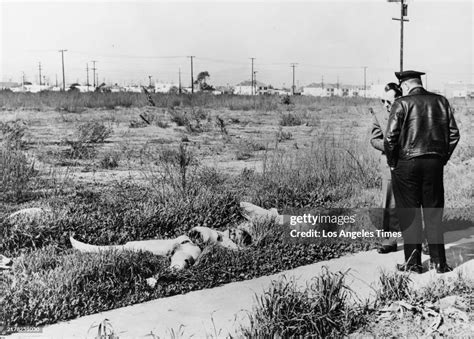
The Black Dahlia murder, which took place in Los Angeles in 1947, is one of the most infamous crimes in American history. The brutal and gruesome nature of the crime, combined with the lack of leads and the inability of the police to catch the killer, has led to a lasting fascination with the case. At the center of this fascination is the crime scene itself, where the body of 22-year-old Elizabeth Short was found. The scene yielded several key clues, each of which has been scrutinized over the years for potential leads. Here, we will delve into 8 of these clues, exploring what they are, their significance, and how they have contributed to the enduring mystery of the Black Dahlia case.
The Corpse’s Condition: One of the most striking aspects of the crime scene was the condition of Elizabeth Short’s body. She had been mutilated, with evidence of severe torture and abuse. The body was found cut in half at the waist, with signs of internal organs being removed. This extreme violence has led many to speculate about the killer’s motivations and psychological state. The sheer brutality of the crime has drawn comparisons to the work of a skilled surgeon or someone with medical knowledge, though no conclusive evidence supports this theory. Understanding the killer’s actions and the care with which they were performed could provide insight into their identity and background.
Ligature Marks and Restraints: Detailed examination of Short’s body revealed ligature marks on her wrists and ankles, indicating that she had been restrained during her ordeal. These marks suggest that the killer had complete control over the victim, prolonging her suffering. The presence of these restraints also implies a level of planning and premeditation, hinting at a killer who was calculated and possibly experienced in such crimes. The use of restraints adds another layer of complexity to the crime, suggesting a scenario where the killer had ample time and privacy to commit the atrocities without fear of interruption.
Evidence of Torture: The autopsy and subsequent forensic analysis revealed extensive evidence of torture, including cigarette burns, lacerations, and other injuries consistent with prolonged suffering. This evidence points to a killer who derived satisfaction from the victim’s pain, raising questions about their psychological motivations and potential history of similar crimes. The nature and extent of these injuries have been the subject of much speculation, with some theorizing that the killer may have been motivated by a desire for control or revenge.
The ‘Black Dahlia’ Signature: The term “Black Dahlia” was coined by the media, reportedly inspired by a local drugstore’s comment about Elizabeth Short’s dark hair and attire. However, the killer themselves left no direct signature at the crime scene. Despite this, the meticulous and gruesome nature of the crime has been seen by some as a form of signature, reflecting the killer’s ego and desire for notoriety. This perspective raises interesting questions about the psychology of serial killers and their need for recognition, even if it’s indirect.
Lack of Evidence at the Crime Scene: One of the most puzzling aspects of the Black Dahlia case is the lack of forensic evidence found at the crime scene. Despite the brutality of the crime, there were no fingerprints, footprints, or other signs of the killer’s presence that could be used to identify them. This lack of evidence has been attributed to the killer’s carefulness and possible experience in evading detection. It highlights the challenges faced by investigators in the 1940s, who lacked the advanced forensic tools available today.
The Disposal of the Body: The way in which Elizabeth Short’s body was disposed of—cut in half and placed in a visible area—has been interpreted by many as a deliberate act to shock and provoke the public and the police. This act could indicate that the killer sought to draw attention to their crime, possibly as a form of twisted communication or challenge to the authorities. The public display of the victim adds another dimension to the case, suggesting a level of arrogance or daring on the part of the killer.
Potential Link to Other Crimes: Over the years, there has been speculation about potential links between the Black Dahlia murder and other crimes, including other unsolved murders in the Los Angeles area. While no definitive connections have been proven, some investigators and theorists believe that the Black Dahlia killer may have been responsible for other victims. Investigating these potential links requires a detailed examination of MOs, victim profiles, and other forensic evidence, offering a complex puzzle that continues to intrigue and challenge researchers.
The Letters and Confessions: Following the discovery of Elizabeth Short’s body, the Los Angeles Examiner received a series of letters and calls, allegedly from the killer, claiming responsibility for the crime and promising more victims. While these communications were sensational and garnered significant public attention, their authenticity has never been confirmed. They remain a topic of debate among true crime enthusiasts, with some seeing them as genuine expressions of the killer’s mindset and others as the work of a prankster or someone seeking notoriety.
In conclusion, the 8 key clues from the Black Dahlia crime scene offer a multifaceted look into one of the most infamous crimes of the 20th century. Each clue, from the condition of the corpse to the lack of evidence and the potential links to other crimes, contributes to the complex and intriguing narrative of the case. Despite the passing of decades, the Black Dahlia murder continues to fascinate, partly due to the brutal nature of the crime and partly because the killer was never caught and brought to justice. The case serves as a reminder of the darker aspects of human nature and the challenges faced by law enforcement in solving crimes that seem to defy explanation.
What are some of the most significant challenges in solving the Black Dahlia case?
+The Black Dahlia case is marked by several challenges, including the lack of forensic evidence at the crime scene, the absence of a clear motive, and the passage of time, which has made it difficult to follow up on leads and interview witnesses. Additionally, the brutal and unusual nature of the crime has led to a multitude of theories and suspects, making it harder to discern factual leads from speculation.
How has the Black Dahlia case influenced forensic science and crime investigation?
+The Black Dahlia case, while not solved, has played a significant role in the advancement of forensic science and crime investigation techniques. It highlighted the importance of meticulous crime scene analysis, the need for more sophisticated forensic tools, and the value of psychological profiling in understanding the mindset of perpetrators. The case's impact can be seen in the development of more rigorous investigative protocols and the integration of advanced technologies in modern crime solving.
What can be learned from the public's reaction to the Black Dahlia case?
+The public's reaction to the Black Dahlia case provides insights into societal attitudes towards crime, particularly those involving young women. The extensive media coverage and public fascination with the case reflect a morbid curiosity but also a desire for justice and an end to such atrocities. Moreover, the case has spurred discussions on women's safety, the portrayal of crime in media, and the psychological effects of sensationalized violence on the public psyche.
The Black Dahlia case continues to captivate audiences with its complex interplay of horror, mystery, and intrigue. As with any unsolved crime, the desire for resolution and understanding drives the ongoing analysis and speculation surrounding the case. Through the examination of the crime scene clues and the broader context of the crime, researchers and enthusiasts alike strive to uncover the truth behind this infamous murder, emphasizing the importance of persistence and innovation in the pursuit of justice.