

9375 As A Fraction Overview
Many people struggle with the idea of a jeans size chart, assuming it's a complex and confusing tool. But it's actually a simple and handy reference, a quick guide to finding your perfect fit!
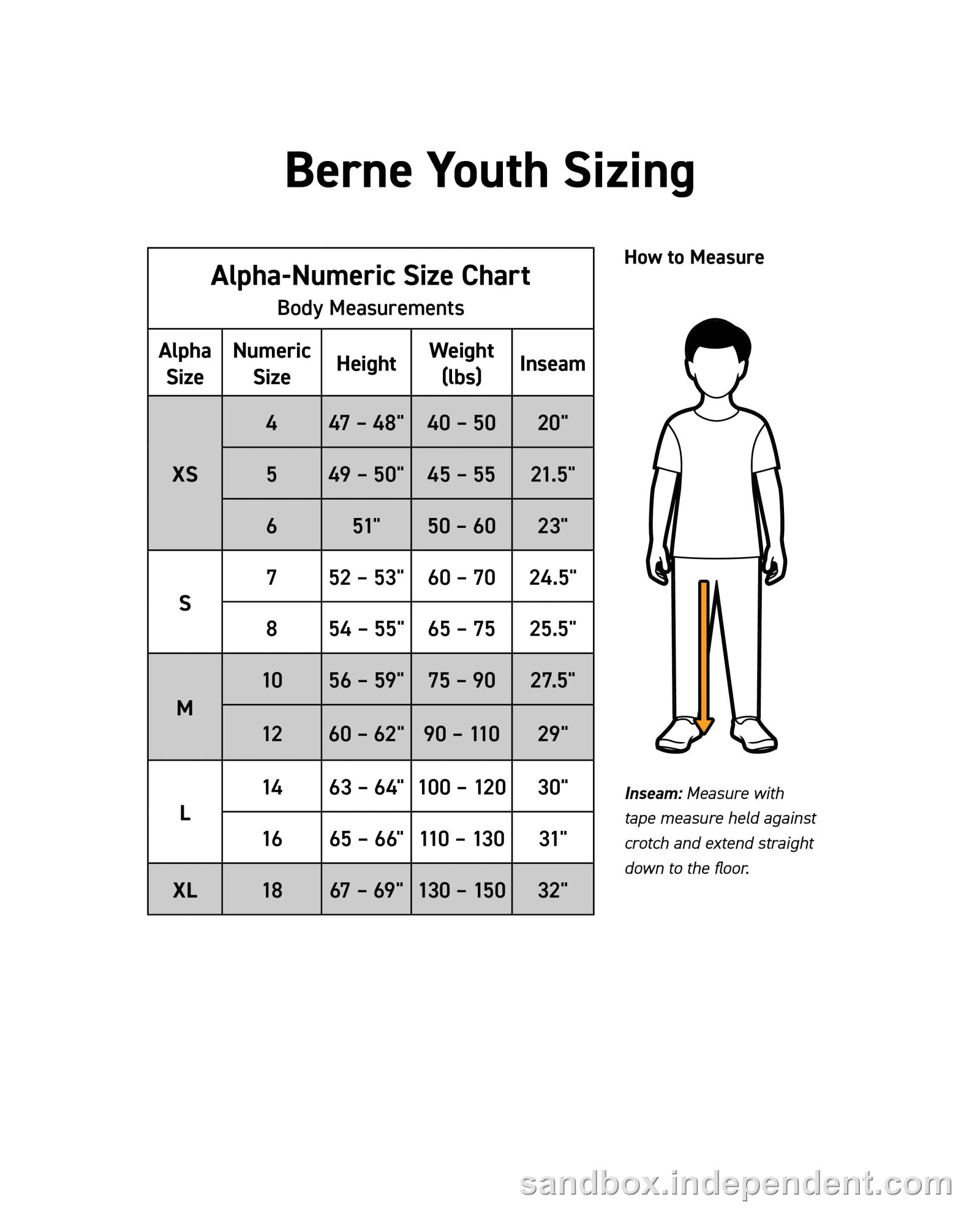
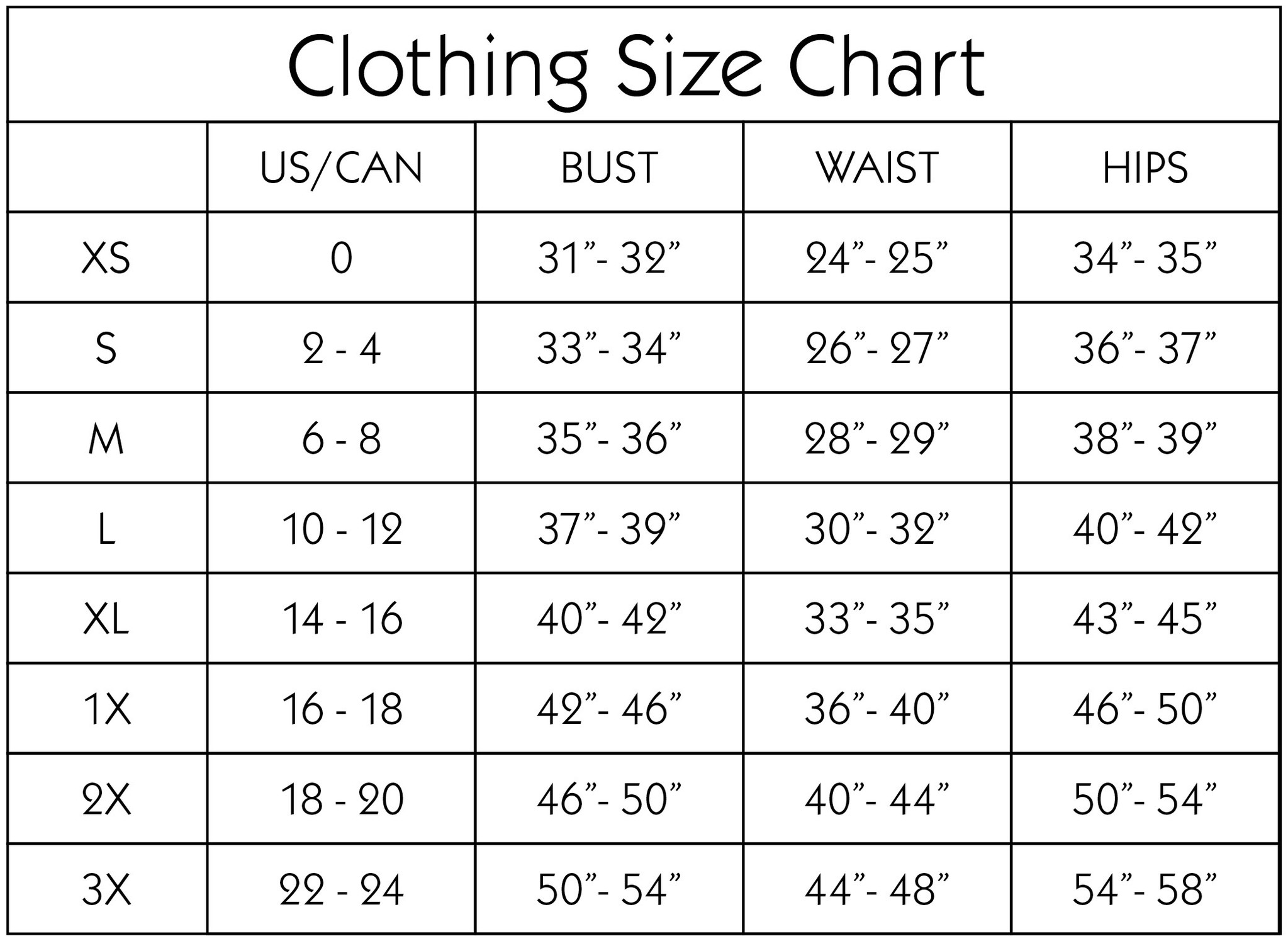
The chart offers a visual or tabular overview, providing waist and hip size measurements, along with other key details like inseam length and leg opening. While values may vary slightly between brands and regions, the jeans size chart is a reliable starting point for an accurate fit.
Understanding the Jeans Size Chart
The jeans size chart is your guide to finding the perfect fit for your denim dreams! It's a handy tool that translates your body measurements into the right jeans size, ensuring you look and feel great. This chart is like a secret code, but don't worry, it's easy to crack!
Key Details and Categories
Let's break down the chart's categories. Typically, a jeans size chart will have two main measurements: waist size and hip size. These are the most critical factors in finding a comfortable and flattering fit. You'll also find other details like inseam length, leg opening, and rise, which add precision to your choice. These measurements are usually in inches or centimeters, depending on the standard used. Always check the chart's units to ensure accuracy.
How to Read and Apply the Chart
Using the jeans size chart is a breeze! Here's a step-by-step guide:
- Measure your waist and hip sizes. Ensure you're measuring at the right points; for the waist, it's the narrowest part of your torso, and for the hips, it's the widest part.
- Find your waist and hip measurements on the chart. The chart will often have a grid or table format, with waist sizes along one axis and hip sizes on the other.
- Look for the intersection of your waist and hip measurements. This will give you your recommended jeans size. For example, if your waist is 28 inches and your hips are 36 inches, the chart might recommend a size 6.
- Consider other details like inseam length. If you prefer a specific leg length, choose a size that accommodates your desired inseam.
- Try it on! While charts are accurate, personal preferences and body shapes vary. So, it's always best to try the jeans and see how they feel and look.
Size Variations and Differences
It's important to note that jeans size charts can vary slightly between brands and manufacturers. This is because each brand might have a unique fit philosophy or use different measurement standards. Additionally, regional differences can impact size charts, with some countries using different sizing systems. Always check the brand's specific size guide or denim size chart to ensure you're using the right measurements. It's a good idea to refer to the brand's size guide when shopping online to avoid any surprises.
Finding the perfect jeans size is an adventure, and with this guide, you're equipped to navigate the jeans size chart like a pro!
Well, there you have it! A handy jeans size chart to keep on hand for all your denim adventures. Remember, these charts are a great starting point, but it's always wise to check the specific brand's size guide for any unique fits or styles.
Jeans shopping can be a fun and practical experience, and with this guide, you're well-equipped to find your perfect fit. So, happy browsing and remember to bookmark this page for future denim missions!
Related: What's the Matrix Color Chart All About?
A matrix color chart can be a powerful tool, but many people underestimate its simplicity and end up overthinking its purpose. It's not as complex as it may seem at first glance! This chart is a straightforward visual aid, offering a clear reference for anyone working with colors. Think of it as a colorimetry cheat sheet, providing an easy-to-read guide to the RGB color model and its various shades. While the specific values and formats may vary, the concept remains the same: a color chart guide to help you navigate the world of colors with confidence.
What is the Matrix Color Chart?
The matrix color chart is a reference tool that provides a visual representation of color, helping users identify and match colors accurately. It is a valuable resource for various industries, from design and printing to manufacturing and retail, where precise color matching is essential. This chart offers a standardized way to communicate and understand color, ensuring consistency across different processes and materials.
Key Details and Prerequisites
The matrix color chart typically consists of a grid or matrix, with each cell representing a specific color. The chart uses a combination of numerical values and color swatches to define each color. The numerical values often refer to the RGB color model, which represents colors using red, green, and blue components. For instance, a color might be described as RGB (255, 0, 0), indicating full red, no green, and no blue. Other color models or systems, like CMYK or HEX codes, can also be used, depending on the industry and standard.
How to Read and Apply the Matrix Color Chart
Reading the matrix color chart is straightforward. Each color is assigned a unique position on the chart, and its corresponding numerical value is listed alongside it. To use the chart, you can:
- Identify the color you need to match or specify.
- Locate the color on the chart by either its position or by comparing it to the color swatches.
- Note down the numerical values associated with that color. These values can then be used to communicate the color accurately to others or input them into design software or printing systems.
- For more precise color matching, especially in critical applications, you may also need to consider additional factors like lighting conditions and material properties.
Understanding Common Color Variations
While the matrix color chart provides a standardized reference, color variations can occur due to various factors. Different lighting conditions, such as natural light, fluorescent lighting, or LED lights, can affect how colors appear. Additionally, the material or substrate on which the color is applied can influence its perception. For example, a color may look different on paper compared to fabric or plastic. These variations are why it's essential to consider the context and intended use when matching colors accurately.
Avoiding Common Mistakes
One common mistake is relying solely on the matrix color chart without considering the specific requirements of your project. It's crucial to understand the limitations and potential variations, especially when working with different materials or lighting environments. Another pitfall is neglecting to calibrate your equipment, such as monitors or printers, which can lead to inaccurate color representations. Regular calibration ensures that the colors you see and produce are as close to the intended values as possible.
Practical Tips for Accurate Results
To achieve accurate color matching, consider the following best practices:
- Always work in a controlled lighting environment to minimize variations.
- Calibrate your devices regularly to maintain color accuracy.
- When possible, use color management systems and profiles to ensure consistency across different devices and materials.
- For critical applications, consider investing in professional color measurement tools, such as spectrophotometers, which provide precise color data.
- Stay updated with industry standards and guidelines to ensure your color references are up-to-date and relevant. By following these tips and understanding the nuances of color representation, you can effectively utilize the matrix color chart and achieve consistent, accurate color results in your projects.
Well, there you have it! A matrix color chart is an incredibly useful tool, offering a simple and visual way to navigate the world of color. It's a handy reference guide that can save you time and effort, ensuring you get the right colors every time.
Remember, while this chart provides a great starting point, it's always wise to double-check the specific requirements for your project. Exact values may vary, so it's best to ensure you're using the right standard and context. Consider bookmarking this page for future reference; it's a quick and easy way to refresh your memory when you need it most!
Related: Find Your Perfect Fit: Socks Size Chart
You've found yourself in need of a socks size chart, and who can blame you? It's a simple yet essential tool for ensuring you get the right fit. Whether you're buying socks for yourself or someone else, this chart is your go-to guide. It provides a quick and easy reference, ensuring you don't end up with socks that are too tight or too loose. While the values may vary depending on the brand or region, the socks size chart offers a reliable starting point.
Understanding the Sock Size Chart
The socks size chart is your go-to guide for finding the perfect fit for your feet. It's a simple yet practical tool that ensures your socks hug your feet comfortably and don't leave you with blisters or discomfort. This chart is like a secret code, and once you crack it, you'll never have to guess your sock size again!
Key Details and Categories
The chart typically features two main categories: sock size and shoe size. These are further divided into specific measurements and ranges. For sock size, you'll often see a numerical range, like 3-5, 6-8, and so on. These numbers represent the circumference of your foot, ensuring the sock fits snugly. Shoe size, on the other hand, is a familiar concept, often following standard shoe sizing guidelines.
Choosing the Right Fit: A Step-by-Step Guide
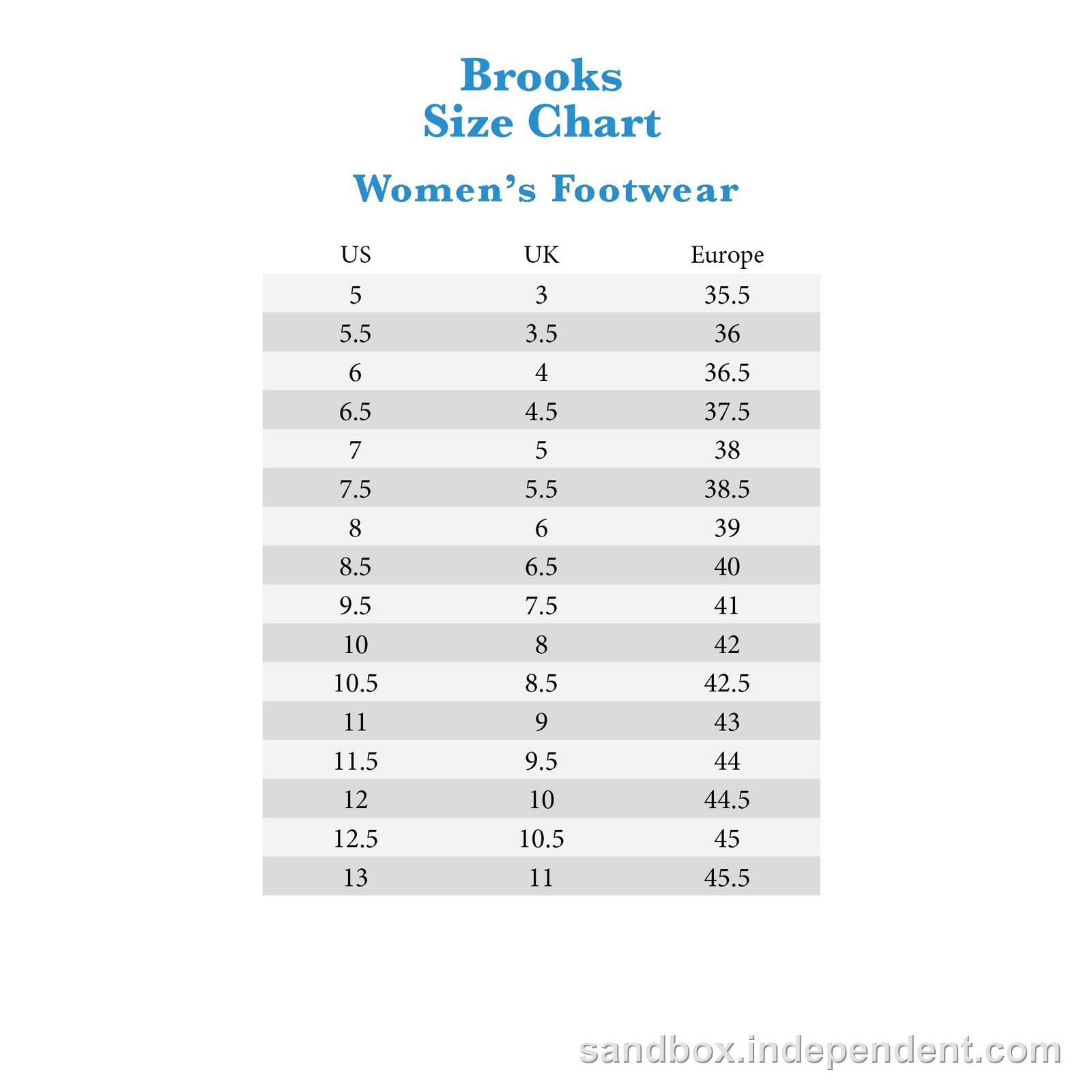
Using the socks size chart is a breeze! First, identify your shoe size. This is usually pretty straightforward, as you likely know your shoe size off the top of your head. Next, match your shoe size to the corresponding sock size on the chart. The chart will guide you to the right sock size, ensuring a perfect fit. It's as simple as that!
If you're buying socks as a gift or for someone with unique foot dimensions, you might need to measure their foot circumference. A simple tape measure will do the trick. Measure the widest part of their foot, and you're good to go!
Common Size Variations and Why They Happen
While the socks size chart is a reliable guide, variations can occur due to several factors. Different manufacturers might use slightly different standards or have unique sizing guidelines. Additionally, the material and construction of the sock can affect its stretch and fit. For instance, a thick, cozy wool sock might have a looser fit compared to a thin, athletic sock.
It's also worth noting that foot size can vary depending on factors like age, height, and even the time of day! Yes, our feet can swell slightly throughout the day, so it's best to measure or refer to the chart in the morning for the most accurate size.
Remember, while the socks size chart provides a great starting point, it's always a good idea to double-check the exact specifications and tolerances, especially for specialized socks or if you have unique foot dimensions. Happy sock shopping!
Well, there you have it! A handy guide to understanding sock sizes and how to use a size chart effectively. Remember, when it comes to sock sizes, there can be slight variations, so always check the specific guidelines or measurements provided by your preferred brand or manufacturer.
It's always a good idea to double-check, as these charts are just a general guide, and you want to ensure a perfect fit. So, take your time, measure up, and find those dream socks! And if you're keen to explore more practical guides and tips, feel free to browse our other articles. We've got you covered!