







Abcs In Bubble Letters Overview
A willy size chart is a handy tool, offering a simple visual guide to understanding penis measurements. This guide aims to demystify these charts, ensuring you can navigate and utilize them effectively.
Whether you're curious about average penis length, girth measurements, or simply need a cm to inches conversion, these charts provide a quick reference. While values may vary depending on standards and regions, the willy size chart offers a reliable starting point for understanding and comparing sizes.
Understanding the Willy Size Chart
The willy size chart is a reference guide that provides a visual representation of penis dimensions, offering a standardized way to understand and compare sizes. This chart is a valuable tool for educational purposes and can be particularly useful for those seeking information on average sizes or wanting to understand the range of variations.
Comparing Standards and Categories
When referring to a willy size chart, it's important to note that different standards and measurement systems exist. The most common standards are the US and international (metric) systems, which use different units of measurement. The chart typically displays length and girth measurements, often in both centimeters and inches, to cater to various regions and preferences.
Step-by-Step Guide to Using the Chart
To utilize the willy size chart accurately, follow these steps:
Identify the standard: Determine whether you are using the US or international standard. This information is usually indicated on the chart itself or in the accompanying documentation.
Measure accurately: Take precise measurements of your penis. For length, measure from the base to the tip when erect. Girth is measured at the widest point, usually just below the head.
Convert if needed: If your measurements are in a different unit than the chart, convert them. For example, if you measured in centimeters but the chart uses inches, use the cm to inches conversion factor (1 inch = 2.54 cm) to ensure accuracy.
Compare and understand: Place your measurements on the chart and compare them to the various categories or percentiles. This will give you an idea of how your size compares to the general population.
Common Misconceptions and Pitfalls
Willy size chart is not an exact science: While the chart provides a standardized reference, it's important to remember that penis sizes can vary greatly, and individual differences are normal.
Personal experience vs. statistics: Your personal experience may not align with the chart, especially if you have a unique size or if the chart is based on a different population.
Age and growth: Penis size can change with age, especially during puberty and early adulthood. The chart may not account for these growth stages, so it's important to consider your age when interpreting the results.
Measurement techniques: Inaccurate measurements can lead to incorrect placements on the chart. Ensure you follow proper measuring techniques to get the most accurate representation.
Remember, the willy size chart is a guide, and individual variations are normal and healthy. If you have specific concerns or questions about your sexual health, it's always best to consult a healthcare professional.
So, there you have it, a handy willy size chart to guide you through the various measurements and standards. Remember, these charts provide a general overview, and exact values may differ slightly across sources.
It's always a good idea to cross-reference and ensure you're using the right measurements for your specific needs. Feel free to explore our other guides; we've got a range of interesting topics that might pique your curiosity and provide practical insights. Happy reading!
Related: Media Room Renovation Cost Essential Guide
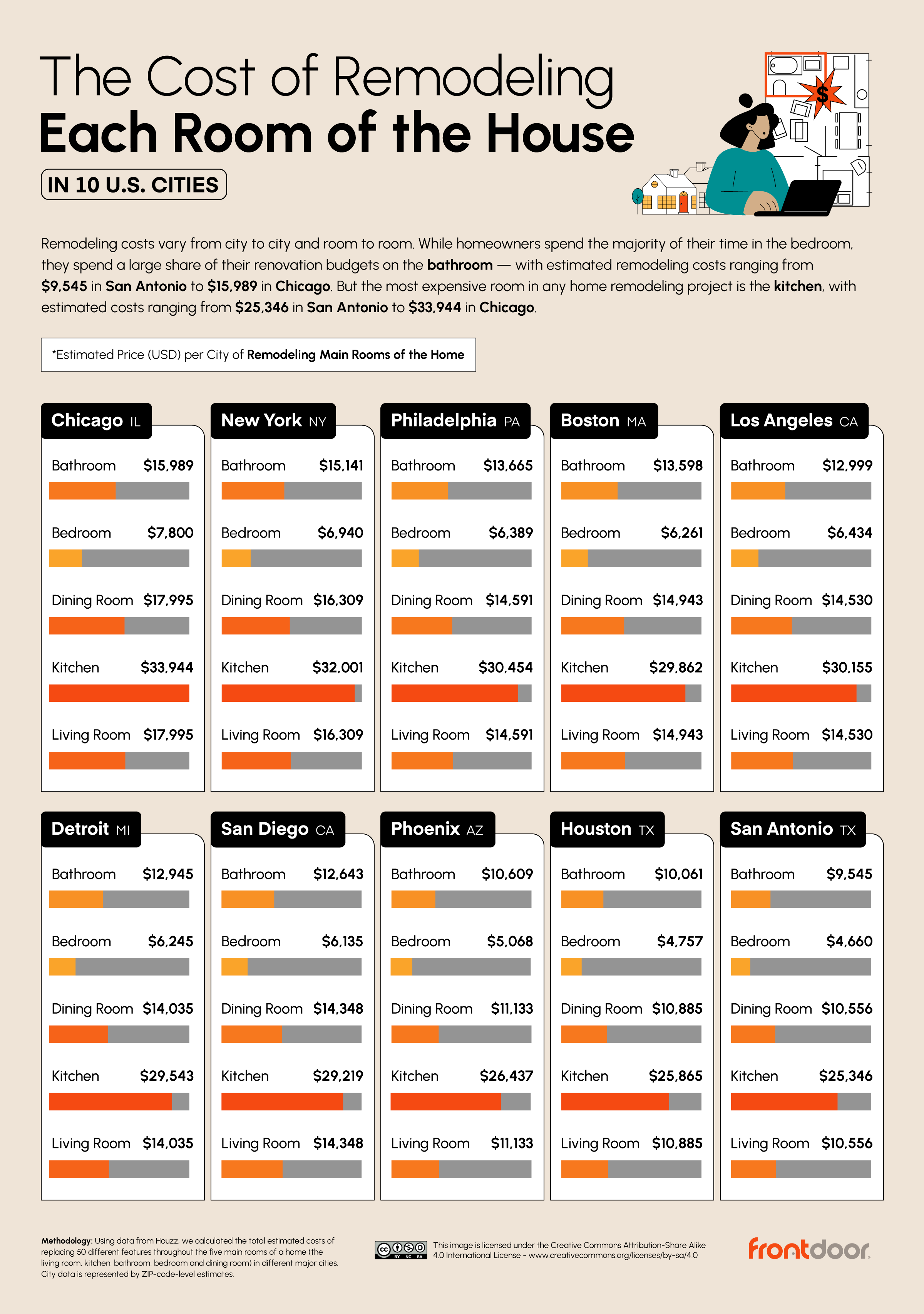
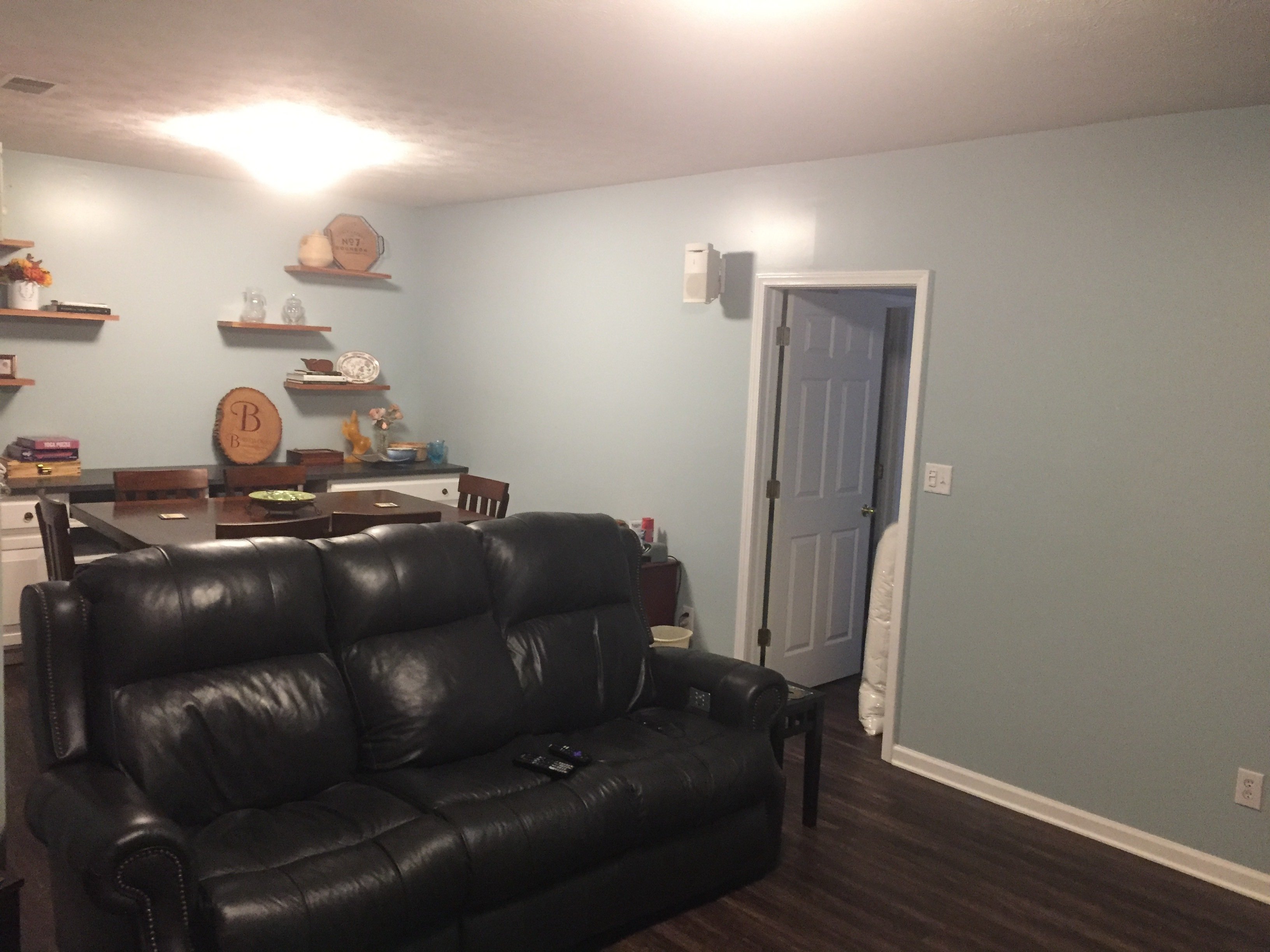
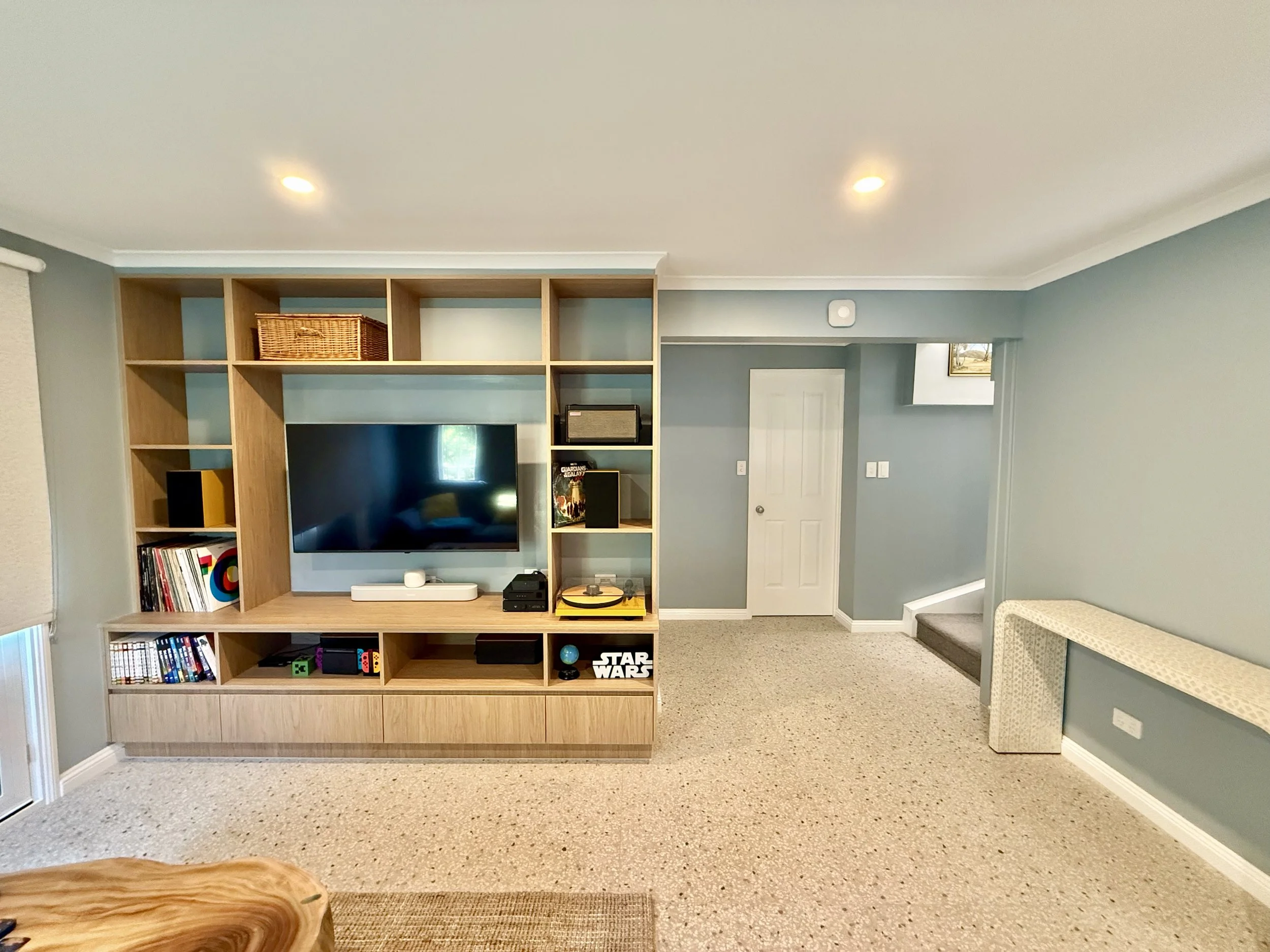
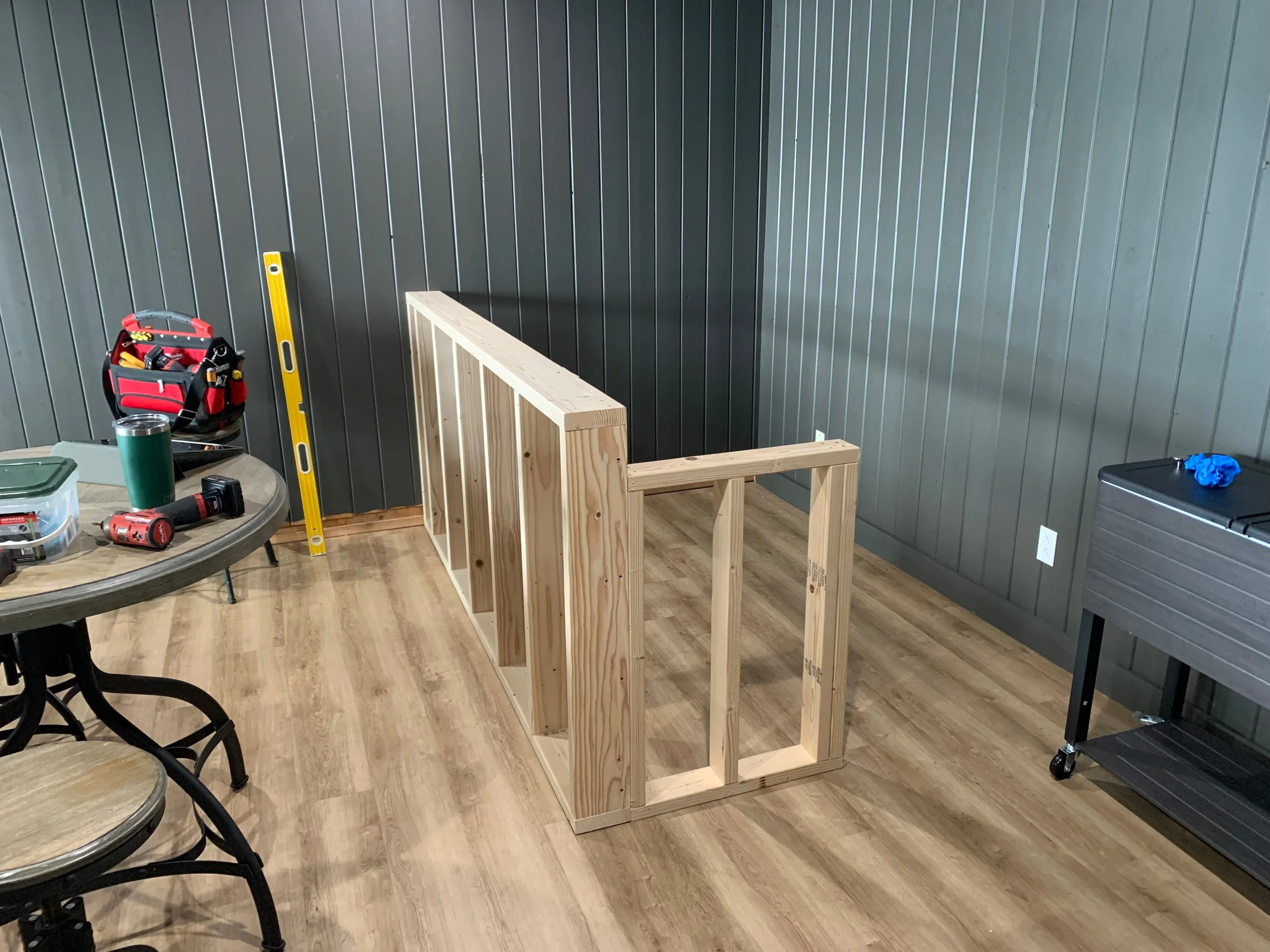
I've just finished a home project and was thinking about the next one. Media room renovation cost is something I'm curious about, as it's a big job and I want to get it right. I've heard it can be expensive, but I'm not sure what the typical costs are or how to plan for it. I need to know what to expect and how to make sure I get a good deal.
Understanding Media Room Renovation Costs
So, you're thinking about transforming your space into a media room haven? It's an exciting project, but media room renovation cost can be a big consideration. Let's break it down and explore what factors influence the price tag.
The cost of your media room renovation will depend on several key elements. Firstly, the size of the room and the scope of work required. Are you converting an existing space or starting from scratch? The more complex the design and the larger the room, the higher the cost will likely be.
Materials play a significant role too. From high-end audio-visual equipment to comfortable seating and stylish decor, the choices you make will impact the overall expense. It's a balance between your vision and your budget.
Labor costs are another crucial factor. Hiring skilled professionals to handle the electrical work, soundproofing, and installation of specialized equipment can add up. It's important to get quotes from reputable contractors to ensure a smooth and efficient renovation process.
Finding the Right Contractor
When it comes to hiring a contractor for your media room renovation, there are a few key things to consider. First, check their qualifications and experience. You want someone who specializes in home remodeling and has a proven track record. Ask for references and read reviews to get a sense of their work.
Get multiple quotes to compare prices and services. A good contractor will provide a detailed breakdown of costs, so you know exactly what you're paying for. Don't just go for the cheapest option; consider the value and quality of the work offered.
Construction Companies and Names
The construction industry is diverse, with companies of all sizes. When it comes to media room renovations, you'll likely be looking for a specialized home remodeling contractor. These companies focus on residential projects and can offer personalized services.
Choosing a name for your construction business is important. It should be memorable and reflect your brand. Some ideas could be:
- BuildCraft
- Home Innovation Group
- Remodel Pros
- Design & Build Co.
- The Renovators
- Modern Spaces
Remember to check name availability and secure the right domain and local registrations.
Industry Insights and Jobs
The construction industry offers a range of roles, from estimators who calculate costs to project managers overseeing renovations. These jobs are in demand and often involve working with various professionals.
As for salaries, they can vary based on experience and the company's size. Larger firms may offer competitive packages, while smaller businesses might provide a more personalized work environment. Job boards and industry-specific websites are great places to start your search.
Data and Tools for Estimating Costs
When it comes to estimating media room renovation cost, tools like RSMeans can be invaluable. These databases provide cost information for various construction projects, helping contractors and homeowners alike. They offer insights into material and labor expenses, ensuring accurate quotes.
For a media room renovation, you'll want to consider the cost escalation over time. This accounts for potential price increases due to market fluctuations and helps you budget effectively. It's a valuable tool for long-term planning.
Big Picture: Industry and Market
The construction industry is diverse, with a range of companies from small, family-run businesses to large corporations. Larger firms often have the resources for bigger projects and can offer competitive pricing. However, smaller companies might provide more personalized service and attention to detail.
The market outlook is an important consideration. Construction trends and economic factors can impact the industry. Staying informed about these changes can help you make smart decisions when planning your media room renovation.
Final Thoughts
Renovating a media room is an exciting project, and understanding the media room renovation cost is crucial. From materials to labor, there are many factors to consider. By researching and comparing quotes, you can make an informed decision and create your dream media room within your budget.
Related: Find the Perfect Sock Length: A Comprehensive Guide
A sock length chart is a handy tool for anyone seeking a quick reference when it comes to sock sizing and length. This guide aims to provide an overview of these charts and their usefulness, offering a simple way to understand and utilize them effectively.
The chart serves as a visual representation of standard sock measurements, offering a clear and concise way to match sock length to your shoe size. While values may vary slightly between brands and regions, the sock length chart provides a reliable starting point for anyone looking to ensure a perfect fit.
Understanding Sock Lengths: A Comprehensive Guide
The sock length chart is a handy reference tool that provides a standardized way to understand and compare sock lengths. It offers a visual representation of various sock lengths, allowing you to easily identify and choose the right sock length for your needs. This guide will walk you through the key aspects of the chart, helping you navigate it with confidence.
Common Sock Length Types and Categories
Before diving into the chart, it's essential to understand the different sock length categories. These categories are typically based on the height of the sock, ranging from ankle-length socks to over-the-calf styles. Common categories include:
- Ankle Socks: These socks sit just above the ankle and are often worn with casual footwear.
- Crew Socks: A popular choice, crew socks reach mid-calf and are suitable for various occasions.
- Knee-High Socks: As the name suggests, these socks extend up to the knee and are commonly worn with formal attire or uniforms.
- Over-the-Calf Socks: Designed to cover the entire calf, these socks are ideal for sports or activities requiring extra support and protection.
Each category has its own set of standard measurements, ensuring consistency across brands and manufacturers.
Reading the Sock Length Chart: A Step-by-Step Guide
To make the most of the sock length chart, follow these simple steps:
Identify the Sock Length Category: Locate the specific category you are interested in, such as ankle socks or knee-high socks. Each category will have its own section on the chart.
Understand the Measurement Scale: The chart typically uses a standardized measurement scale, often in inches or centimeters. This scale represents the height of the sock from the bottom to the top.
Find Your Desired Length: Within each category, you'll see a range of measurements. Choose the measurement that best aligns with your preferred sock length. For example, if you prefer ankle socks that sit slightly higher, select a measurement closer to the top end of the ankle sock category.
Convert if Needed: If you are used to a different measurement system, you may need to convert the values on the chart. Most charts provide both metric and imperial measurements for convenience.
Variations and Differences Across Standards
It's important to note that sock length charts may vary depending on the standard being used. Different regions and industries may have their own specific guidelines and measurement systems. Here are some key factors that can cause variations:
Regional Standards: Sock length standards can differ between countries, especially when it comes to metric versus imperial measurements. Always check if the chart follows the standard relevant to your location.
Manufacturer Preferences: Some brands may have slightly different interpretations of sock lengths, especially for specialty socks or those designed for specific activities.
Sock Type and Purpose: The intended use of the sock can influence its length. For instance, athletic socks may have different length categories compared to dress socks.
Common Mistakes and How to Avoid Them
To ensure accurate selection, avoid these common pitfalls:
Relying Solely on Size: While sock size is important, it's not the only factor. Always consider the length category to ensure a comfortable and appropriate fit.
Ignoring Your Shoe Type: The type of shoe you wear can impact the desired sock length. For example, high-top sneakers may require a longer sock length to avoid exposure.
Neglecting Personal Preferences: Everyone has unique preferences. Consider whether you prefer a snug fit or a more relaxed style when choosing sock lengths.
Practical Tips for Accurate Results
For the best results, keep these tips in mind:
- Try Before You Buy: Whenever possible, try on socks to ensure the length is comfortable and fits your needs.
- Consider Your Wardrobe: Think about the types of shoes and outfits you typically wear. Choose sock lengths that complement your style and ensure a polished look.
- Stay Informed: Keep an eye out for updated sock length standards or industry changes, especially if you rely on specialty socks for work or sports.
By following this guide and understanding the sock length chart, you'll be able to navigate sock lengths with ease and make informed choices. Remember, the chart is a valuable tool, but it's always beneficial to consider your personal preferences and specific requirements.
Well, there you have it! A sock length chart can be a handy tool, offering a simple yet effective way to ensure you get the right fit for your feet. Remember, while this guide provides a solid framework, exact values can vary, so it's always wise to check the specific standards or guidelines relevant to your needs.
Consider bookmarking this page for future reference. It's a quick and easy way to ensure you always have the right information at your fingertips, making sock shopping a breeze!