



Abstract Art Coloring Pages Overview
A common misconception about the NPT thread chart is that it's solely for professionals; however, this handy reference tool is accessible to anyone seeking precise thread information. The chart, often presented as a concise table or diagram, serves as a quick guide to understanding and identifying different NPT thread dimensions and standards. It's an essential resource for those working with pipes and fittings, offering a clear overview of the various thread types and their specifications.
Understanding the NPT Thread Chart
The NPT thread chart is a valuable reference tool for anyone working with pipe fittings and connections. It provides a comprehensive overview of the National Pipe Thread standards, offering a quick and accurate way to identify and select the right thread size and type for your needs. This chart is an essential guide for engineers, plumbers, and anyone dealing with fluid systems and piping.
Key Details and Categories
The NPT thread chart typically includes columns for thread size, pitch, and depth, along with other relevant specifications. Thread size refers to the nominal size of the pipe, usually in inches, and is a critical factor in ensuring a proper fit. Pitch, measured in threads per inch, indicates the spacing between threads, while depth refers to the height of each thread. Other details may include the thread's taper and the recommended sealing method. It's important to note that the chart's measurements and categories are based on the NPT standard, which is widely used in the United States.
Reading and Applying the Chart: A Step-by-Step Guide
- Identify the nominal pipe size you require. This is usually specified by the system or component you are working with.
- Locate the corresponding size on the NPT thread chart. The chart typically lists sizes in ascending order, making it easy to find.
- Check the thread pitch and depth for your chosen size. These values ensure a compatible fit with other components.
- Note any additional specifications, such as the thread's taper or sealing recommendations. These details are crucial for a secure and leak-free connection.
- Select the appropriate fittings and components based on the chart's specifications. Ensure that all parts align with the NPT standard for a proper seal.
Variations and Differences Across Standards
While the NPT thread chart provides a comprehensive guide, variations can occur due to different standards and regional practices. For instance, the NPT standard is specific to the United States, and other countries may use different thread standards, such as the metric system. Additionally, within the NPT standard, there are variations like the NPTF (dryseal) and NPSM (straight mechanical) threads, each with unique specifications. It's essential to double-check the exact standard and any specific requirements for your project to avoid compatibility issues.
Common Mistakes and How to Avoid Them
One of the most common mistakes is assuming that all pipe threads follow the NPT standard. Always confirm the thread standard for your project, especially when working internationally or with specialized systems. Another pitfall is overlooking the thread's taper, which can lead to leaks or poor connections. The NPT thread chart includes this information, so be sure to check it. Finally, remember that while the chart provides a guide, exact specifications and tolerances may vary slightly between manufacturers. Always refer to the manufacturer's documentation for precise details, especially for critical applications.
Well, that's a wrap on our guide to the NPT thread chart. We've covered a lot of ground, from the basics to the practical application, and I hope it's given you a clear understanding of this useful reference tool.
Remember, while this guide provides a solid foundation, it's always wise to verify the specific details for your unique situation. Exact values and standards can vary, so double-check the relevant sources for your project. Consider this page bookmarked for a quick refresh whenever you need a reminder!
Related: Grout Color Chart: Your Quick Reference Guide
Finding the right grout color can be a tricky task, and that's where a grout color chart comes in handy. It's a simple yet effective tool, providing a quick reference to help you choose and match the perfect shade for your tiles. With various colors and shades available, this chart ensures you get it right, offering a visual guide to navigate the world of grout color options.
Grout Color Chart: A Practical Guide to Selecting the Right Shade
The grout color chart is a handy reference tool for anyone working with tiles and grout. It provides a visual guide to help you choose the perfect grout shade for your project, ensuring a cohesive and aesthetically pleasing result. This chart is a valuable resource for both professionals and DIY enthusiasts, offering a simple way to navigate the world of grout colors.
Key Details and Categories to Know
The grout color chart typically presents a range of grout shades, often organized in a grid or palette format. Each shade is assigned a name or code for easy reference. The chart may also include additional information such as the grout type, whether it's sanded or unsanded, and sometimes even the manufacturer's brand. It's important to note that the specific categories and details can vary depending on the standard or brand you're using.
Step-by-Step Guide to Reading and Using the Chart
Using the grout color chart is straightforward. First, identify the type of grout you need - sanded or unsanded - as this will narrow down your options. Then, assess the color options available for your chosen grout type. The chart will provide a visual representation of the shades, allowing you to compare and contrast. You can also refer to the color names or codes to find the perfect match for your tiles. Once you've selected your preferred shade, simply note down the corresponding code or name to ensure you get the right grout product.
Understanding Variations and Differences
Variations in grout color charts can occur due to several factors. Different manufacturers may have their own unique color palettes, so it's essential to refer to the specific brand's chart for accurate results. Additionally, the lighting conditions and surface materials can affect how grout colors appear. It's always a good idea to view grout samples in the intended lighting and against the actual tile surface to get a true representation of the shade.
Common Mistakes and How to Avoid Them
One common mistake is relying solely on the chart without considering the actual grout sample. Always request a physical sample or visit a store to see the grout in person. Another pitfall is not accounting for lighting differences. Grout colors can appear differently under various lighting conditions, so ensure you view samples in the intended lighting environment. Lastly, be mindful of the grout type - sanded vs. unsanded - as using the wrong type can affect the final outcome.
Practical Tips for Accurate Results
To ensure you achieve the desired grout color, consider these tips. Firstly, obtain multiple samples of your chosen shade to account for any variations in lighting and surface conditions. Secondly, compare the samples side by side with your tiles to ensure a harmonious match. Thirdly, if you're working with a large area, it's advisable to purchase grout from the same batch to minimize color variations. Lastly, don't be afraid to seek advice from professionals or experienced DIYers who can offer valuable insights and recommendations.
By following these guidelines and utilizing the grout color chart effectively, you'll be able to select the perfect grout shade for your project, adding the finishing touch to your tiled space. Remember, the right grout color can enhance the overall aesthetic and create a seamless, polished look.
Well, there you have it! Grout color charts are a handy tool to have in your toolkit, and while the basics are covered here, it's always worth exploring the specific details for your project. Exact colors and shades can vary, so it's a good idea to double-check and ensure you're using the right references.
Don't forget to explore our other guides for more practical tips and tricks. We've got a whole range of topics to help you with your home improvement projects, so feel free to browse and discover more!
Related: Unraveling the 404a pt Chart: A Quick Guide
Many people often overlook the power of a simple yet effective tool like the 404a pt chart. It's an easy mistake to make, but this chart is a real game-changer for those who understand its value.
The 404a pt chart is a visual guide, and while it may seem basic, it offers a quick and reliable way to interpret important data. It's like having a secret weapon for understanding psychrometric charts and their applications, especially in the world of HVAC. So, let's unlock its potential together!
Understanding the 404a Pt Chart: A Quick Overview
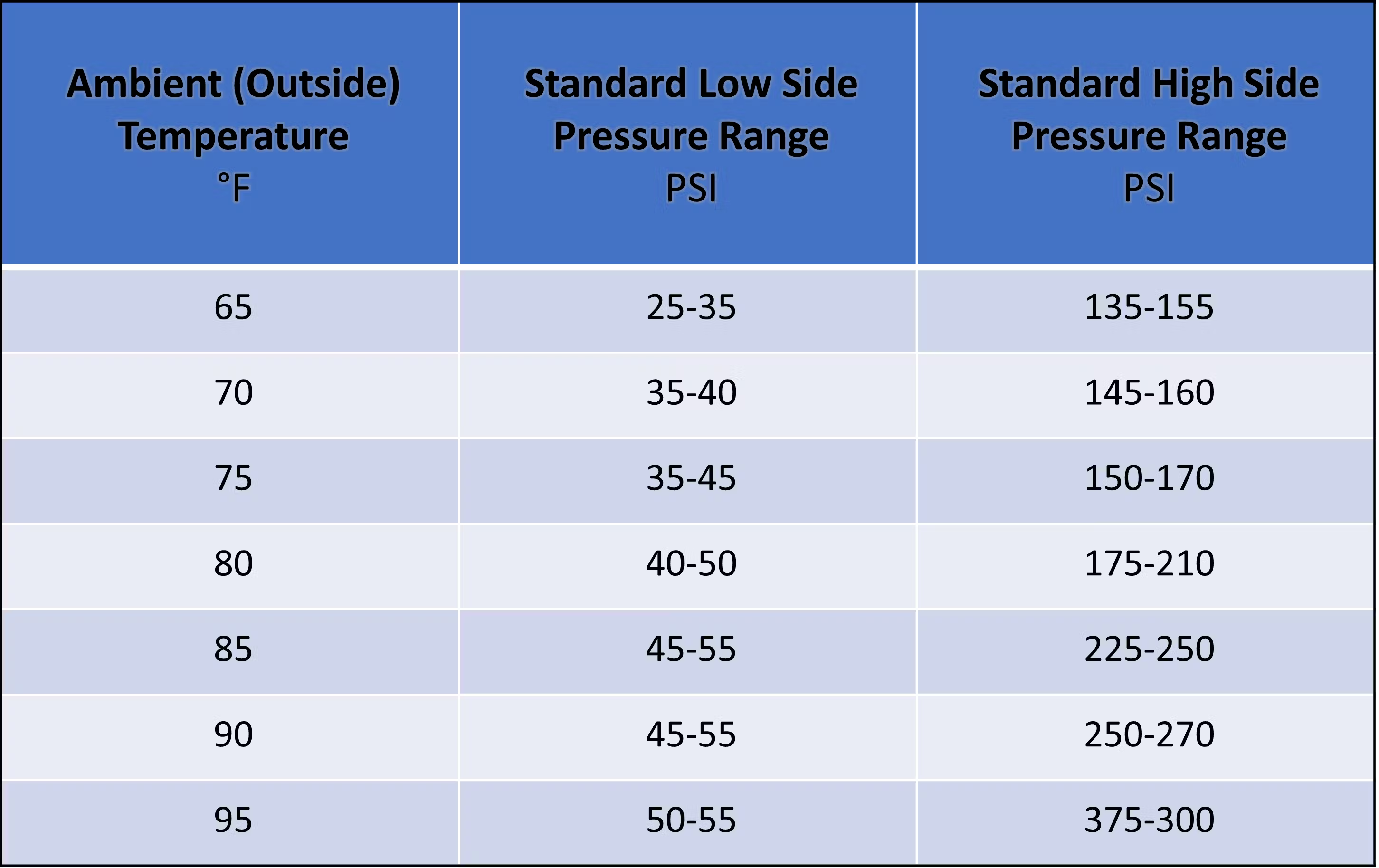
The 404a Pt Chart is a valuable tool, often used in the HVAC (Heating, Ventilation, and Air Conditioning) industry, to understand and analyze the properties of refrigerants, specifically R-404A. This chart, also known as a psychrometric chart, provides a visual representation of how this refrigerant behaves under different conditions. It's a handy reference for professionals to quickly grasp key properties like temperature, pressure, and humidity.
Comparing Chart Formats and Standards
There are variations in pt chart formats, and it's essential to know which standard you're using. The 404a Pt Chart typically follows a specific format with standard enthalpy units and measurement ranges. While the overall structure remains similar, details like temperature and pressure scales, or the inclusion of additional data, can differ based on the standard. For instance, some charts might use the metric system, while others follow US customary units. Always double-check the specific standard and unit system to ensure accurate readings.
A Step-by-Step Guide to Using the 404a Pt Chart
Using the 404a Pt Chart is straightforward once you know the basics. Here's a simple guide:
Identify the scale: Locate the temperature and pressure scales on the chart. These are typically on the vertical and horizontal axes.
Find your values: Using the scales, identify the specific temperature and pressure values you're interested in.
Read the data: The chart provides various data points, including humidity, enthalpy, and other properties. Simply read the values corresponding to your chosen temperature and pressure.
Interpret the results: Depending on your application, you can use these values to make informed decisions about system performance, energy efficiency, or maintenance needs.
Common Misreadings and How to Avoid Them
Misreading a pt chart is easy if you're not familiar with its structure. One common mistake is assuming that all charts use the same units or scales. Always check the labels and legends to understand the specific units and ranges being used. Another pitfall is ignoring the chart's limitations. Remember, while the 404a Pt Chart is a powerful tool, it provides general guidelines. For precise, application-specific data, you might need to refer to manufacturer specifications or consult experts.
Factors Affecting Accuracy and Real-World Use
The accuracy of the 404a Pt Chart depends on several factors. First, ensure you're using the correct standard and unit system. Second, consider the environmental conditions. The chart provides general data, but real-world conditions can vary. Factors like ambient temperature, humidity, and system efficiency can influence refrigerant behavior. Lastly, remember that the chart is a reference, not a replacement for expert advice. For critical applications or when dealing with unique conditions, consult professionals or refer to more detailed resources.
Hey there, I hope this guide has been helpful in understanding the 404a pt chart and its practical uses. Remember, while the basics remain the same, the exact details can differ slightly, so it's always good to refer to the most relevant and up-to-date sources for your specific needs.
There's a lot more to explore on this topic, and we've got a bunch of other guides that might interest you. Feel free to check them out and keep learning! It's always great to expand your knowledge and stay informed.