



Ac Pressure Chart Blank Overview
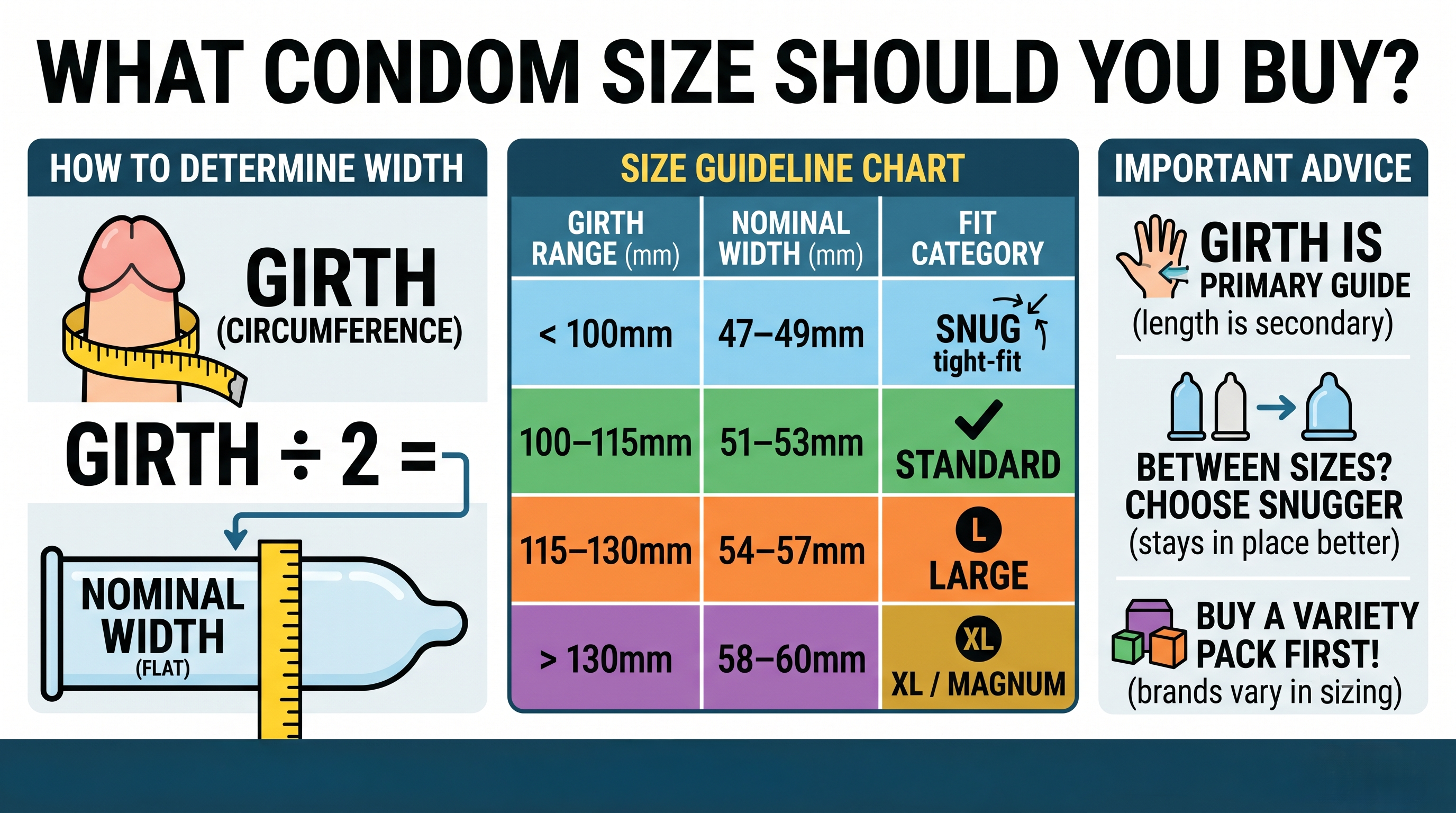
The Trojan size chart is a handy reference tool, offering a quick glance at condom sizes. This guide aims to demystify and simplify the process, ensuring you can easily navigate and understand the chart's information. It covers the essential details, providing a clear overview of standard condom sizes and their measurements. With variations in nominal width and length, the chart offers a visual representation, making it simple to find the right fit.
Understanding the Trojan Size Chart: A Quick Overview
The Trojan size chart is a valuable tool for anyone seeking a perfect fit and optimal protection when using condoms. It provides a standardized reference to help you choose the right size for your needs. This chart is designed to offer a clear and easy-to-understand guide, ensuring you can make an informed decision.
Comparing Condom Sizes: Standard Options and Formats
The Trojan size chart typically presents two key measurements: length and width. Length variations are common, and the chart accounts for this by offering a range of sizes. Width, often referred to as nominal width, is a more standardized measurement, usually given in millimeters (mm) or fractions of an inch. This dual approach ensures a comprehensive size guide.
Step-by-Step Guide to Using the Trojan Size Chart
To use the Trojan size chart accurately, follow these simple steps:
Measure your erect penis length. This is best done with a soft, flexible tape measure, ensuring an accurate and comfortable fit.
Note your girth (circumference) measurement. This is often more subjective and can be measured with a tape or string, then measured against a ruler.
Refer to the Trojan size chart and match your length and girth measurements to the closest size category.
Choose the condom size that aligns with your measurements.
Avoiding Common Misreadings and Pitfalls
One common mistake is assuming all condom brands use the same size standards. While the Trojan size chart is a great reference, it's important to note that other brands may have slightly different size categories. Always double-check the specific brand's size guide to ensure an accurate fit.
Factors Affecting Accuracy: Key Considerations
Erect length can vary, so it's essential to measure accurately and choose a condom that accommodates this range.
Girth (circumference) is a subjective measurement and can be influenced by factors like erection quality and personal comfort.
- Personal preference: Some may prefer a looser or tighter fit, which can impact the chosen size.
- Erection quality: The state of your erection can affect measurements and, consequently, the chosen size.
- Comfort and sensitivity: Consider your personal comfort and sensitivity when choosing a size.
Adapting the Trojan Size Chart for Specific Needs
The Trojan size chart offers a standard guide, but individual needs may vary. If you have specific requirements, such as a larger or smaller size, or if you prefer a particular brand, you may need to adapt the chart. Many brands offer extended size ranges, so exploring these options can ensure a perfect fit.
Keeping Your Reference Reliable for Future Use
To ensure the Trojan size chart remains a reliable reference, it's important to regularly update your measurements. Our bodies can change over time, so re-measuring periodically ensures you always choose the right size. Additionally, staying informed about any updates or changes to size standards or brand specifications will keep your reference accurate and up-to-date.
Well, there you have it, a comprehensive guide to Trojan size charts. With this knowledge, you can now approach your reference needs with confidence. Remember, while this guide provides a solid foundation, every situation is unique. It's essential to consider your specific context and requirements before making any final decisions.
Feel free to explore our other resources and guides; we have a wealth of information to help you navigate various topics with ease. Happy referencing!
Related: Unraveling the Piano Keys Chart: A Simple Guide
If you're here, you're likely seeking a piano keys chart to quickly reference or understand better. Whether it's for a music project, a performance, or simply to enhance your piano skills, having a reliable chart at hand is essential. The piano keys chart offers a clear and organized layout, providing an overview of the keyboard's layout and the notes it produces. It serves as a practical tool, especially when you need precise information about piano key lengths, standard layouts, or even the note frequencies. While the values and formats may vary slightly depending on the source, the chart's purpose remains the same: to guide and assist musicians and enthusiasts alike.
Understanding the Piano Keys Chart
The piano keys chart is a valuable tool for musicians and piano enthusiasts, offering a visual representation of the keyboard layout and its corresponding notes. This chart provides an organized overview, making it easier to identify and understand the relationship between keys, octaves, and musical notes.
Key Details and Prerequisites
Before delving into the chart, it's essential to grasp some fundamental concepts. A standard piano keyboard consists of 88 keys, with a repeating pattern of seven white keys and five black keys. These keys are organized into groups of twelve, forming an octave. Each key represents a specific note, and their arrangement follows a logical sequence. The chart typically displays the keys and their corresponding notes, often using a color-coded system for clarity.
Reading the Measurements and Layout
To read the piano keys chart, follow these steps:
Identify the Key Labels: The chart will display the names of the keys, usually in alphabetical order, with corresponding note names. Common labels include C, D, E, F, G, A, and B, along with their sharps and flats.
Understand the Octave System: Octaves are groups of twelve keys, and the chart will often highlight these divisions. Each octave starts with a C note, followed by the remaining eleven notes in sequence.
Recognize the Key Colors: Many charts use colors to differentiate between white and black keys. White keys are typically represented by a light shade, while black keys might be darker or shaded differently.
Note Frequencies: Some charts include information about the frequency of each note, measured in Hertz (Hz). This data provides insight into the pitch and can be useful for tuning and understanding the piano's range.
Key Dimensions: The chart may also provide measurements for key lengths and widths, especially for those interested in piano construction or repair.
Common Keyboard Variations and Standards
While the standard piano keyboard layout is consistent, there can be variations and differences:
Piano Key Lengths: The length of piano keys can vary slightly between manufacturers and models. Some older pianos might have slightly shorter or longer keys.
Note Frequency Chart: The frequency of notes can differ based on the tuning standard. Common standards include A440 (440 Hz for the A above middle C) and A442, with variations used in different regions and musical genres.
Octave Measurements: The exact length of an octave can vary, especially in older pianos. Modern pianos typically have a standardized octave length, but older instruments might have slight deviations.
Avoiding Common Mistakes
To ensure accurate use of the piano keys chart:
Double-check the standard being used, especially for note frequencies and octave measurements.
Be aware of potential variations in key lengths and dimensions, especially when working with older pianos.
Understand the context and purpose of the chart. For example, a chart designed for tuning might focus on note frequencies, while a construction guide might emphasize key dimensions.
Always refer to reliable sources and official specifications when dealing with specific piano models or unique situations.
By following these guidelines and understanding the layout and measurements, you can effectively utilize the piano keys chart as a practical tool for exploring the piano's vast musical potential.
Well, there you have it! A comprehensive guide to understanding piano keys and their chart. With this knowledge, you can now navigate the keyboard with ease and precision.
Remember, when it comes to applying this chart, it's essential to consider your specific needs and the context in which you'll be using it. Exact values may differ slightly, so always double-check the standard or source you're working with. It's a good idea to bookmark this page for future reference; you never know when you might need a quick reminder!
Related: Find Your Girth Size with Our Easy Chart
A girth size chart is a handy tool, a simple yet effective way to visualize and understand measurements. This guide will show you how to navigate and utilize these charts efficiently, as they can vary in format and detail.
Whether you're dealing with circumference guides or size charts for various applications, knowing how to read and interpret them is key. Standard units and metric conversions may differ, so being able to quickly reference and understand these charts is a useful skill.
Understanding the Girth Size Chart: A Quick Overview
The girth size chart is a handy reference tool that provides a visual representation of various girth measurements and their corresponding sizes. It offers a simple way to understand and compare different girth dimensions, making it an essential guide for various applications.
Comparing Standards and Formats: Girth Size Chart vs. Circumference Guide
While the terms girth size chart and circumference guide are often used interchangeably, they can refer to slightly different formats. A girth size chart typically presents a range of measurements with their corresponding sizes, often in a table or diagram format. In contrast, a circumference guide may provide more detailed information, including specific circumference values and their equivalent sizes, which can be particularly useful for precise measurements.
Step-by-Step: Reading and Using a Girth Size Chart
To effectively use a girth size chart, follow these simple steps:
Identify the type of measurement you need to make. For example, you might need to measure the girth of a tree trunk, a person's waist, or the circumference of a pipe.
Locate the relevant section on the chart. Girth size charts often categorize measurements by type, such as body measurements, industrial applications, or natural objects.
Measure the girth accurately using the appropriate tool, such as a tape measure or calipers. Ensure you follow any specific instructions for the measurement, such as where to place the tape measure or how to account for any irregularities.
Find the measured value on the chart. Some charts may provide a scale or ruler for direct measurement, while others may require you to estimate the closest value.
Read the corresponding size or category. The chart will provide a clear indication of the size associated with the measured girth. This can be a numerical value, a size category (e.g., small, medium, large), or a specific application-related term.
Common Misreadings and How to Avoid Them
Misreading a girth size chart can lead to inaccurate results and potential issues. Here are some common pitfalls and how to avoid them:
Ensure you are using the correct chart for your specific application. Different charts may have varying scales, units, or categories, so double-check the chart's intended use.
Be aware of the units of measurement. Some charts may use imperial units (inches, feet), while others use metric units (centimeters, meters). Convert your measurements accordingly to ensure accuracy.
Pay attention to the scale or ruler provided on the chart. Misinterpreting the scale can lead to significant errors. If you're unsure, estimate the value or use a separate measuring tool to verify.
Consider any tolerances or allowances specified on the chart. Some applications may have specific tolerances, especially in industrial or technical fields. Ensure you understand and account for these tolerances in your measurements.
Factors Affecting Accuracy: Variations and Averages
The accuracy of a girth size chart can be influenced by various factors, including:
Regional standards and conventions: Different countries or regions may have specific measurement standards and units, so ensure you're using the appropriate chart for your location.
Application-specific variations: Girth measurements can vary significantly depending on the application. For example, measuring the girth of a tree trunk at different heights may yield different results, impacting the accuracy of the chart.
Averages and ranges: Some charts may provide average values or ranges to account for natural variations. Understanding these averages can help you interpret the chart more effectively, especially when dealing with organic or irregularly shaped objects.
By considering these factors and following the step-by-step process, you can accurately use a girth size chart for a wide range of applications, from everyday measurements to technical specifications.
Well, there you have it! A handy guide to help you navigate the world of girth size charts. Remember, while we've covered the basics, the exact details might shift a little based on your specific needs and the standards you follow.
So, keep this page bookmarked for a quick reminder, and feel free to explore our other guides for more practical tips and insights. Happy measuring!