








Activity Sheet Border Design Overview
A quilt size chart is a handy tool for quilters and crafters, offering a quick guide to standard quilt dimensions. This simple reference ensures your projects turn out perfectly sized, every time.
The chart covers a range of common quilt sizes, from crib quilts to king-size creations. It's a useful resource, especially when you're working with different quilt patterns and want consistent results. Keep in mind that quilt sizes can vary slightly between regions and standards, so it's a good idea to check the chart's source for any specific details.
Quilt Size Chart: A Guide to Standard Sizes
Quilt size charts are a handy tool for quilters and crafters, providing a quick reference for the standard dimensions of quilts. These charts offer a practical guide to ensure your quilts fit the intended purpose, whether it's a cozy bed cover or a baby crib quilt. Let's dive into understanding this chart and how to use it effectively.
Key Details and Units
The quilt size chart typically includes a range of common quilt sizes, from crib quilts to king-size bed quilts. It provides the length and width measurements in inches, which are standard units for quilt sizes. Some charts may also include metric measurements for international use. The chart categories often cover crib, twin, full, queen, and king sizes, along with their respective dimensions.
Reading the Chart: A Step-by-Step Guide
Using the quilt size chart is straightforward. First, identify the purpose of your quilt. Are you making a baby quilt, a bed cover, or a unique size for a specific project? Once you know the intended use, locate the corresponding category on the chart. For instance, if you're making a queen-size bed quilt, find the "Queen" category. The chart will provide the recommended length and width measurements for that size. Simply follow these dimensions when cutting and assembling your quilt top, backing, and batting.
Variations and Differences
While the quilt size chart offers standard measurements, variations can occur due to different standards and contexts. For example, some regions may use metric measurements, leading to slight differences in dimensions. Additionally, quilt sizes can vary based on the intended use. A crib quilt for a baby might have different dimensions compared to a decorative wall hanging quilt. It's essential to consider the purpose and any specific requirements when using the chart.
Common Mistakes and How to Avoid Them
One common mistake is assuming that all quilts must adhere strictly to the chart's measurements. Remember, the quilt size chart provides guidelines, but your personal preferences and the project's needs may vary. Another mistake is overlooking the intended use. Always consider whether you're making a bed quilt, a throw, or a unique size for a specific purpose. Misinterpreting the chart's categories can also lead to errors. Ensure you understand the difference between crib, twin, and other sizes before selecting your measurements.
Practical Tips for Accurate Sizing
To ensure accurate sizing, double-check the specific requirements for your project. If you're making a quilt for a bed, measure the bed's dimensions and consider the desired overhang. For unique projects, measure the intended space and adjust the quilt size accordingly. It's also beneficial to have a basic understanding of fabric widths and yardage requirements. This knowledge will help you calculate the fabric needed for your quilt size accurately. Lastly, consider the quilt's purpose and any personal preferences for thickness or design elements that might impact the overall size.
By following these practical tips and understanding the quilt size chart, you'll be well-equipped to create quilts that fit perfectly for their intended use. Happy quilting!
Hey there, quilter! Now that we've covered the ins and outs of quilt sizes, remember that these details can shift a bit depending on your specific project and the resources you're using. So, keep an eye out for any variations and adapt as needed.
If you're new to quilting or just want a handy reference guide, be sure to bookmark this page for future use. It's a great way to ensure your quilts turn out perfectly sized every time!
Related: Understand the 100 Number Chart Easily
Many folks get tripped up by the 100 number chart's simplicity, but it's a powerful tool when you grasp its potential. This chart, a basic number line or grid, is often overlooked yet incredibly useful for various tasks. It's not just for counting; it's a versatile reference, and understanding its layout is key to unlocking its benefits.
Understanding the 100 Number Chart
The 100 number chart is a simple yet powerful tool for visualizing and understanding numbers from 1 to 100. It's like a map that helps you navigate the world of numbers, showing you how they relate to each other and providing a quick reference for counting, calculating, and identifying patterns.
Key Details and Categories
This chart is typically a grid with 10 rows and 10 columns, creating a hundred squares. Each square contains a number, starting from 1 in the top left and increasing sequentially to 100 in the bottom right. The numbers are arranged in a logical, ascending order, with each row representing a multiple of 10. So, the first row has numbers 1 to 10, the second row has 11 to 20, and so on.
Reading and Applying the Chart
To use the 100 number chart, you simply read the numbers as you would on a regular number line. Start at the top left and move across and down, following the natural flow of the grid. This method is particularly useful for young learners who are just starting to grasp the concept of numbers and their relationships. It helps them count, identify patterns, and understand place value. For example, they can see that the number 23 is in the same row as 13 and 33, which helps reinforce the concept of 'tens' and 'ones'.
Variations and Differences
While the basic structure of the 100 number chart remains consistent, there can be variations in how it's presented or used. Some charts might include additional features like color-coding to highlight patterns or groups of numbers. Others might have certain sections emphasized to focus on specific mathematical concepts, like prime numbers or square numbers. Additionally, the chart's size and format can vary depending on its intended use and the preferences of the user or educator. It's important to note that while the 100 number chart is a great tool for understanding numbers, it's not an exhaustive resource. For more complex calculations or specific mathematical tasks, other charts or reference tables might be more suitable. Always double-check the exact specifications and tolerances for your particular use case.
Well, there you have it! A simple and handy guide to navigating the 100 number chart. Remember, these charts are versatile tools, so always check your specific needs and ensure you're using the right one for your context.
Consider bookmarking this page for future reference. It's a quick and easy way to refresh your memory and ensure you're using the chart correctly. Happy charting!
Related: Ten Construction Companies Essential Guide
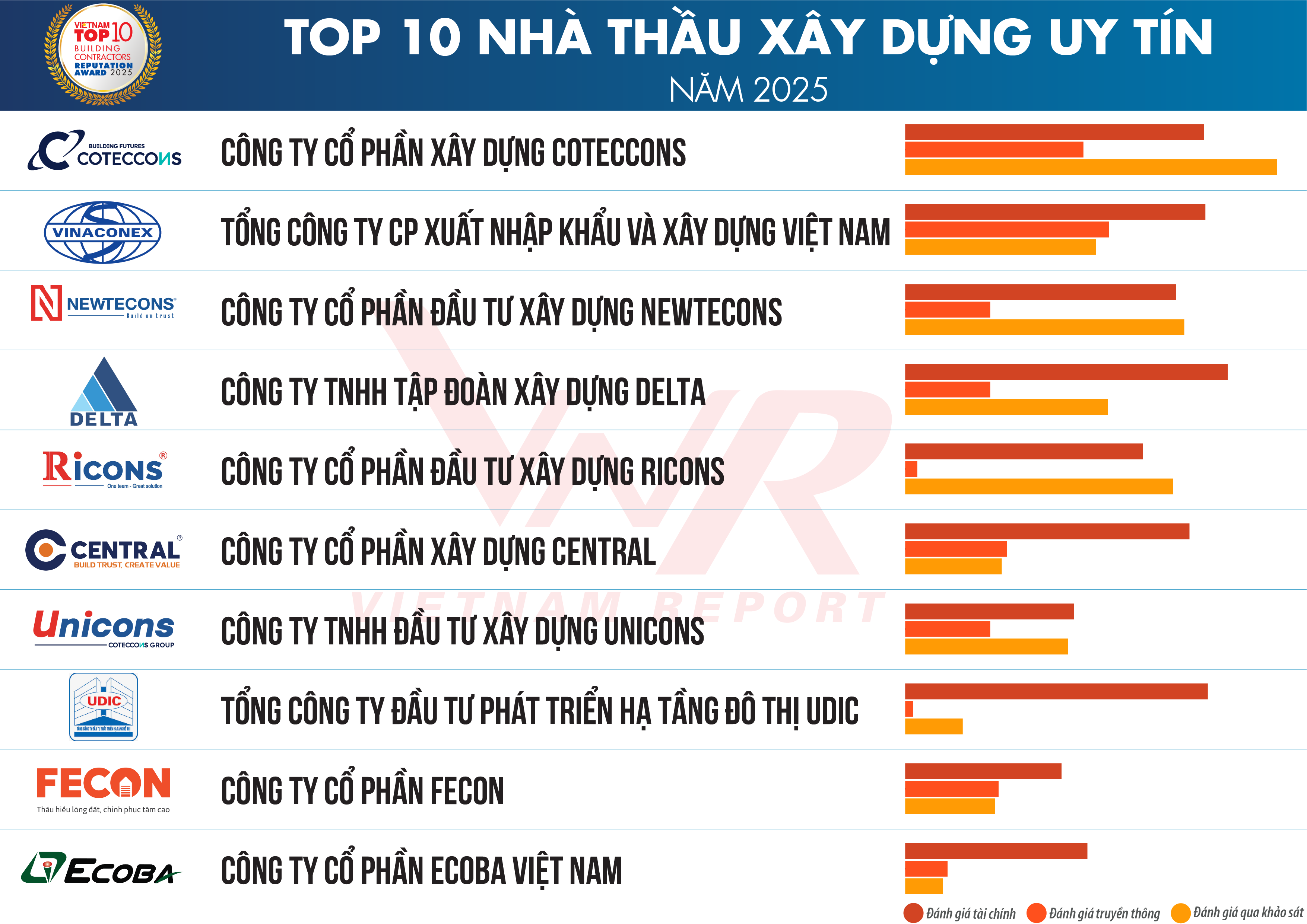
I'm thinking of giving my kitchen a makeover, and it got me wondering about top ten construction companies. Who are the big players in the industry? What makes a construction company stand out? I decided to look into it and share some insights, so here's the lowdown on all things construction-related.
The Big Picture: Construction Industry Insights
When we talk about the top ten construction companies, we're referring to the leading firms in the industry, those that have established a strong reputation and often work on large-scale projects. These companies have the resources, expertise, and experience to tackle a wide range of construction and remodeling jobs. They can handle everything from residential home renovations to commercial building projects.
So, what sets these companies apart? Well, it's a combination of factors. They often have a large, skilled workforce, which allows them to take on multiple projects simultaneously. They also tend to have strong relationships with suppliers, which can result in better deals on materials. Additionally, their size and reputation often mean they can attract and retain top talent, ensuring a consistent level of quality in their work.
Hiring a Top Construction Company: What to Consider
If you're in the market for a construction company, whether it's for a home remodel or a new build, there are a few key things to keep in mind. First, check their licensing and insurance. This is crucial to protect yourself and ensure they're legally allowed to operate. Next, look at their portfolio. Do they have experience with projects similar to yours? It's a good sign if they do.
Ask for references and check them. Speak to past clients about their experience. Were they happy with the work? Was the company responsive and professional? Also, get multiple quotes. Prices can vary, and it's a great way to compare services and find the best value.
Company Names: A Quick Tip
Choosing a name for your construction company is important. It should be memorable, reflect your business, and be unique. Avoid generic names; you want something that stands out. For example, "BuildStrong", "RenovateRight", or "Constructive Solutions" are all catchy and give a good indication of the services offered.
Before settling on a name, check its availability for registration and domain names. You don't want any legal issues or to miss out on an online presence because the name is taken.
The Construction Industry: A World of Opportunities
The construction industry offers a wide range of jobs, from skilled tradespeople to project managers and estimators. These roles can vary greatly in terms of responsibilities and salaries. For instance, an estimator's role involves calculating costs for projects, a crucial step in the construction process.
If you're looking for construction jobs, check online job boards and local classifieds. Many companies also advertise on their websites. It's a good idea to have a clear idea of the role you're interested in and the skills you can bring to the table.
Wrapping Up: Your Construction Journey
So, there you have it, a glimpse into the world of top ten construction companies and the construction industry as a whole. Whether you're hiring a company for a project or considering a career in construction, it's a fascinating and ever-evolving field. Remember, when it comes to construction, it's all about finding the right fit for your needs and ensuring a professional, skilled team is on board.