








Activity Sheets Coloring For Grade 1 Overview
Guest room renovation cost is something that's been on my mind lately. I've been thinking about sprucing up the spare room and making it a cozy space for guests, but the thought of the potential expenses has me a bit hesitant. So, I decided to do some research and figure out what goes into these costs and how to navigate the renovation process.
Understanding the Costs
When it comes to guest room renovation cost, there are a few key factors that can impact the final price. The size of the room and the extent of the renovation are obvious starters. A simple refresh with new paint and decor will be cheaper than a full gut and redesign. The materials you choose also make a difference. Opting for high-end finishes and fixtures will push the price up, while more affordable options can keep costs down.
Labor costs are another significant factor. If you're handy and can do some of the work yourself, you'll save on hiring contractors. But for more complex tasks, you'll need to bring in professionals, which adds to the overall cost. Don't forget about any permits and inspections required by your local building department. These can vary depending on the scope of your project and may involve additional fees.
Finding the Right Contractor
Hiring a contractor is a crucial step in any renovation project. You want to find a reliable and trustworthy company or individual who can bring your vision to life. Before hiring, check their credentials and ask for references. Speak to past clients to get an idea of their work quality and reliability.
Get multiple quotes to compare prices and services. Make sure each quote is detailed, outlining the scope of work, materials, and any additional costs. A good quote will provide a clear breakdown, so you know exactly what you're paying for. Don't be afraid to ask questions and negotiate. It's your project, and you want to ensure you're getting the best value for your money.
Construction Company Names and Branding
Choosing a name for your construction business is an important branding decision. It should be memorable, reflect your services, and stand out in a crowded market. Keep it simple and easy to remember. Avoid jargon or complicated terms that might confuse potential customers.
Here are a few original name ideas:
- BuildCraft
- HomeCrafters
- ConstructoPros
- RenovaPros
- BuildMastery
- Fix-It-All
Remember to check the availability of your chosen name and secure the relevant domain and local registrations to protect your brand.
Jobs and Opportunities
The construction industry offers a range of roles, from general contractors and estimators to project managers and specialized tradespeople. Salaries can vary depending on experience, qualifications, and the specific role. Many construction jobs are advertised through online job boards and industry-specific websites.
If you're interested in a career in construction, it's worth exploring the various roles and the skills and qualifications required. The industry offers a hands-on, rewarding career path with opportunities for growth and development.
Tools and Resources
When it comes to guest room renovation cost, tools like RSMeans can be useful. This cost database provides valuable information on construction costs, helping you estimate and plan your project budget. It's a resource used by professionals to ensure accurate pricing and is particularly helpful when comparing quotes.
Large Companies and Industry Insights
The construction industry is diverse, with a range of company sizes and specializations. Larger firms often have the resources to take on bigger projects and may offer a wider range of services. They can provide a one-stop-shop experience, handling everything from design to build.
Smaller companies, on the other hand, may offer more personalized service and a closer working relationship. They can be a great choice for smaller projects or for those who prefer a more hands-on approach.
Final Thoughts
Guest room renovation cost can vary widely, and it's important to do your research and get multiple quotes to ensure you're getting a fair price. Remember, the key is to find a balance between your budget and your vision. With the right planning and the help of professionals, you can create a beautiful guest room that your visitors will love.
Related: A Comprehensive Flute Trill Chart Guide
You've got your flute, you're ready to play, and you need a quick reminder on those trills. The flute trill chart is your go-to resource, a handy guide that simplifies those intricate finger movements. It's a visual tool, offering a clear and concise way to master those rapid, decorative notes. Whether you're a beginner or a seasoned player, this chart is a valuable reference, ensuring you can tackle any trill with confidence.
Understanding the Flute Trill Chart: A Quick Overview
The flute trill chart is an essential tool for flute players, offering a visual guide to mastering those rapid, vibrant trills. It's like a map, showing you the path to create beautiful, seamless trills with ease. This chart is your friend, making complex trill techniques more accessible and fun to learn.
Comparing Common Trill Patterns and Fingerings
When it comes to trills, there are various patterns and fingerings to explore. The chart typically presents a range of options, allowing you to see the differences and choose the most suitable approach for your playing style. It's like a reference library, offering a clear comparison of standard trill fingerings and patterns.
Step-by-Step Guide: Using the Flute Trill Chart
Using the flute trill chart is straightforward:
Identify the starting note: Locate the note you want to trill on the chart. This is usually indicated by a specific fingering or note name.
Find the target note: Look for the adjacent note(s) that form the trill. These are often shown as a series of connected dots or lines, indicating the finger movement.
Practice the finger movement: Focus on the finger pattern shown on the chart. Practice moving your fingers smoothly and quickly between the starting and target notes.
Master the embouchure: While finger movement is crucial, don't forget the role of your embouchure (lip and mouth position). Adjust your embouchure to create a clear, vibrant sound throughout the trill.
Combine finger and embouchure techniques: It's all about coordination! Practice blending the finger movement with the embouchure adjustments to produce a seamless, musical trill.
Common Misreadings and How to Avoid Them
One common pitfall is assuming that the chart provides a one-size-fits-all solution. Remember, the flute trill chart offers a general guide, but your specific flute and playing style may require slight adjustments. Always double-check the exact fingerings and notes for your instrument, especially if you're using a different flute type or size. Additionally, pay attention to the context of the music you're playing. The chart may suggest multiple options, and choosing the right one depends on the musical context and your artistic interpretation.
Factors Affecting Accuracy and Real-World Use
Several factors can influence the accuracy and effectiveness of your trills:
Flute type and size: Different flutes, such as concert flutes or piccolos, may require slight adjustments to the fingerings or embouchure.
Musical context: The style and genre of the music you're playing can impact the choice of trill technique. For example, a fast-paced jazz piece may call for a different approach compared to a classical ballet.
Personal playing style: Every flutist is unique! Your finger placement, hand shape, and embouchure may vary slightly, so it's essential to adapt the chart's suggestions to your individual playing style.
Practice and consistency: Like any skill, mastering trills takes time and practice. Consistent practice, focusing on both finger technique and embouchure control, will lead to more accurate and expressive trills.
Remember, the flute trill chart is a valuable tool, but it's just one part of your flute-playing journey. With patience, practice, and a bit of creativity, you'll be trilling like a pro in no time!
Hey there, fellow flutists! We've covered a lot of ground with this chart, and I hope it's given you a clear path to navigate the world of trills. Remember, while the basics remain consistent, the specifics might vary slightly depending on your reference or the style you're aiming for.
Feel free to explore our other guides; we've got plenty of resources to help you master the flute and its many techniques. Happy practicing, and keep those fingers moving!
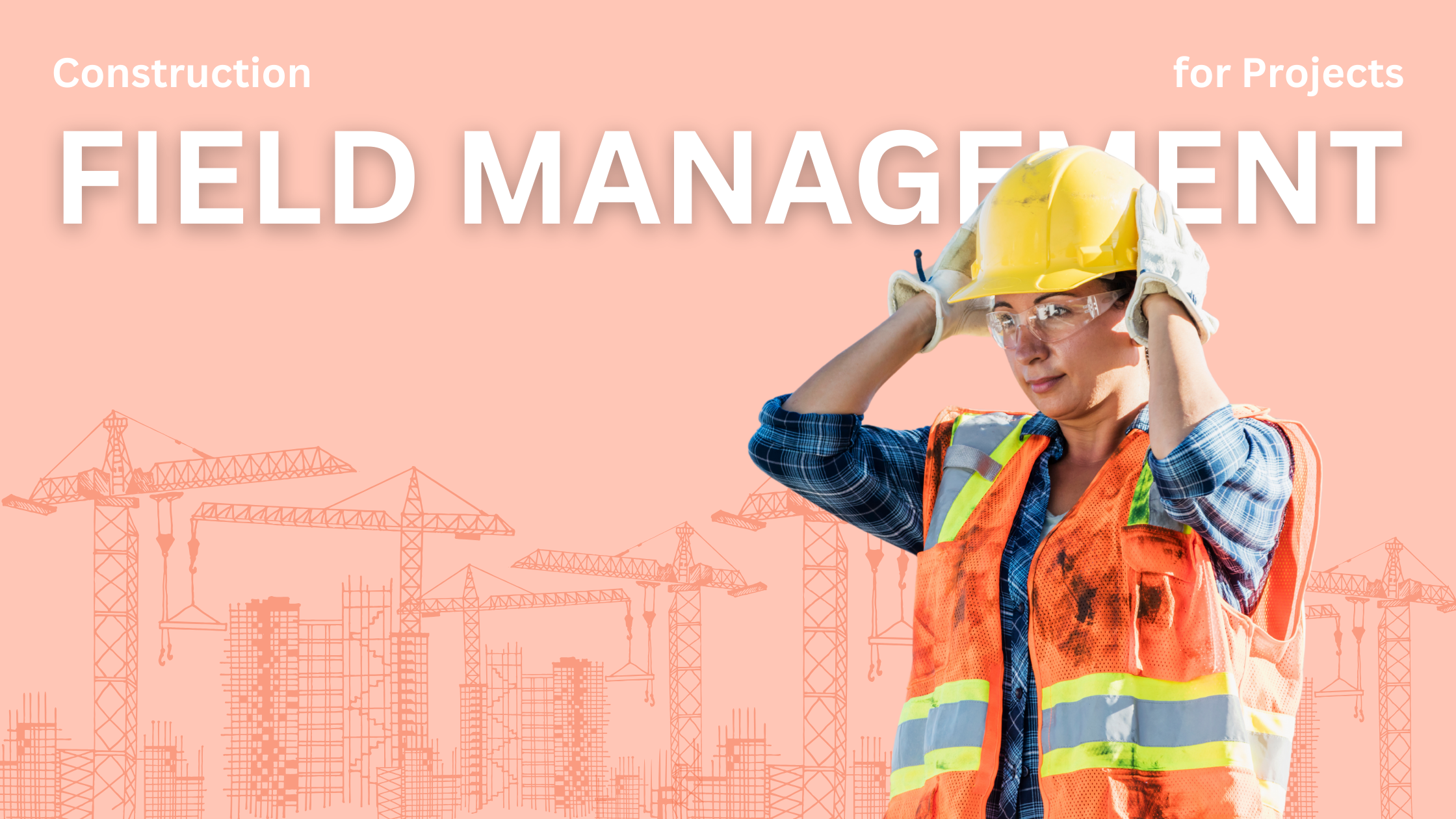
Related: Field Construction Manager Essential Guide
I'm thinking of doing some home improvements, and I've been hearing a lot about field construction managers. Who are these people, and what do they do exactly? I want to know if I need one for my project and what to expect.
The Role of a Field Construction Manager
A field construction manager is a vital part of any construction project, big or small. They're the ones on the ground, overseeing the day-to-day operations and making sure everything runs smoothly. These managers ensure the job stays on track, on budget, and up to standard. They coordinate with contractors, workers, and suppliers to keep the project moving forward.
The field construction manager's role is critical, especially for larger projects or those with tight deadlines. They're the go-to person for any issues that arise, from material delays to unexpected structural challenges. Their job is to find solutions and keep the project from derailing.
Hiring a Field Construction Manager
When it comes to hiring a field construction manager, it's important to do your research. Check their qualifications, experience, and references. You want someone with a proven track record of successful project management. Ask about their approach to problem-solving and how they handle unexpected issues.
Get a few quotes and compare them. While price is a factor, it's not the only one. Look at the overall value they offer. A good field construction manager should provide a detailed proposal outlining their services, timeline, and any potential risks or challenges they foresee.
Company Names and the Industry
Naming a construction company can be tricky. You want something memorable and unique, but it also needs to reflect your business and services. Some successful construction company names combine a personal touch with a nod to the industry, like "Build-It-Right" or "Hammer and Nail Pros."
Other companies opt for a more creative approach, like "Renovation Revolution" or "Constructive Solutions." The key is to ensure the name is available for use and to check domain and local registration before committing.
Jobs and the Construction Industry
The construction industry offers a range of roles, from field construction managers to estimators, project coordinators, and skilled tradespeople. Each role has its own set of challenges and rewards.
Field construction managers, for example, often work long hours and need to be on-site regularly. They need strong organizational skills, the ability to think on their feet, and excellent communication. It's a demanding but rewarding career, and many find the satisfaction of seeing a project through from start to finish a huge motivator.
Tools of the Trade
In the construction industry, tools like RSMeans can be a huge help. RSMeans is a cost database and estimating tool used by many in the industry. It provides valuable data on construction costs, helping managers and estimators create accurate budgets and quotes.
While tools like RSMeans are great resources, they're just one part of the picture. The construction industry is constantly evolving, and staying up-to-date with the latest tools, techniques, and trends is key to success.
The Big Picture
The construction industry is diverse, with companies of all sizes. Larger firms often have the resources to take on bigger, more complex projects, but that doesn't mean smaller companies can't compete.
Smaller construction companies may have a more personal, hands-on approach, which can be appealing to certain clients. It's all about finding the right fit for your project and your needs.
Wrapping Up
So, there you have it. A field construction manager is a vital role in any construction project. They keep things running smoothly and ensure the job is done right. If you're considering a construction project, it's worth considering hiring one. Do your research, get quotes, and find the right fit for your needs. It could make all the difference in the success of your project.