


Activity Sheets On Solid Figures Grade 6 Overview
Many people tend to overlook the importance of a rodent poop chart, assuming it's a trivial matter. However, this chart is a valuable tool with a simple yet effective purpose.
It offers a straightforward way to identify and understand rodent droppings, which can be crucial for various reasons. While the values and formats may vary depending on your region or specific needs, the rodent poop chart provides a reliable guide to help you make informed decisions and take appropriate actions.
Understanding the Rodent Poop Chart: A Practical Guide
The rodent poop chart is a handy tool for identifying and distinguishing between different types of rodent droppings. It provides a visual reference guide, often in the form of a chart or table, to help you accurately identify the type of rodent you may be dealing with based on their waste. This chart is particularly useful for pest control, wildlife enthusiasts, and anyone curious about the rodents in their environment.
Key Details and Categories
The rodent poop chart typically includes visual representations of various rodent droppings, often displayed as images or drawings. These visual aids show the size, shape, and color of the droppings, which are crucial for accurate identification. The chart may also provide additional information such as the average length and width of the droppings, helping to further narrow down the specific rodent species. It's important to note that while the chart offers a comprehensive guide, there can be slight variations in droppings due to factors like diet and environment.
Reading the Chart: A Step-by-Step Guide
To use the rodent poop chart effectively, follow these steps:
Observe the droppings you want to identify. Take note of their overall size, shape, and color. Are they long and thin, or more rounded? What shade of brown or black are they?
Compare your observations to the chart. Look for droppings that match or closely resemble the ones you found. Pay attention to the provided measurements and visual cues.
Consider the context. The chart may provide additional information, such as common habitats or dietary preferences, to help narrow down the species. For instance, if you find droppings in a rural area with access to grains, it could indicate a different rodent than if you found them in an urban setting with more varied food sources.
Confirm your findings. Once you've identified a potential match, double-check the species' characteristics and behavior to ensure a correct identification.
Variations and Differences: Why It Matters
While the rodent poop chart is a valuable resource, it's important to understand that droppings can vary due to various factors. Diet plays a significant role; a rodent's diet can affect the size and color of their droppings. Additionally, environmental conditions can impact droppings, as rodents in different habitats may have access to varying food sources. It's also worth noting that while the chart provides standard measurements, there can be slight variations between individuals of the same species. Therefore, it's essential to consider these factors when using the chart and to consult additional resources for a more accurate identification if needed.
Hey there, fellow rodent enthusiasts! We hope this guide has given you a clear understanding of the rodent poop chart and its practical uses. Remember, while the basics remain the same, exact details can differ slightly, so always refer to the most relevant and up-to-date sources for your specific needs.
If you're keen to explore more, why not check out our other guides on related topics? We've got a whole range of fun and informative content to keep you entertained and educated. Happy reading!
Related: Learn Guitar Scale Charts: A Quick Guide
A guitar scale chart can be a guitarist's best friend, but it's often misunderstood as a complex and daunting tool. Rest assured, it's a simple and powerful reference, offering a clear visual guide to navigating the fretboard. This chart, with its various representations, is an essential companion for any guitarist, providing an organized layout of scale patterns, fretboard diagrams, and scale degree names.
Understanding the Guitar Scale Chart
A guitar scale chart is an essential tool for any guitarist, providing a visual representation of the fretboard and the various scales you can play. It serves as a quick reference guide, offering a bird's-eye view of the guitar neck and its scales. This chart is your roadmap, helping you navigate the guitar's vast landscape of sounds and tones.
Comparing Scale Chart Formats
There are several formats for guitar scale charts, each with its own advantages and use cases. The most common format is the standard fretboard diagram, which displays the guitar neck horizontally, with frets running vertically and strings represented as parallel lines. This format is intuitive and easy to follow, especially for beginners. Another popular format is the scale degree chart, which focuses on the theoretical aspect, showing the scale degrees and their corresponding notes. This chart is ideal for those delving deeper into music theory.
Step-by-Step Guide: Using the Scale Chart
To make the most of your guitar scale chart, follow these steps:
Identify the scale you want to play. The chart will typically feature common scales like major, minor, and pentatonic scales, each with its own section.
Locate the starting point on the fretboard. The chart will indicate the root note of the scale, often highlighted or marked with a symbol.
Follow the pattern: Each scale has a unique pattern of whole and half steps. The chart will show these intervals, guiding you to the correct notes.
Practice: Use the chart as a reference while playing. With time, you'll memorize the patterns, making it easier to play scales without constant reference.
Common Misreadings and How to Avoid Them
It's easy to misinterpret a guitar scale chart, especially for beginners. Here are some common pitfalls:
Confusing scale degrees with fret numbers. Remember, scale degrees (e.g., 1, 2, 3) represent the position of a note within the scale, not the fret number.
Assuming all scales follow the same pattern. While many scales share similar characteristics, each has its unique intervals and patterns. Always refer to the specific scale you're playing.
Neglecting open strings. Some scales utilize open strings, so ensure you include these when playing.
Factors Affecting Accuracy and Real-World Use
The accuracy of your guitar scale chart depends on several factors:
Guitar type: Different guitar types (e.g., electric, acoustic, classical) may have slight variations in scale length, affecting the positioning of notes. Always check the specific scale length for your guitar.
Tuning: Ensure your guitar is tuned correctly. Even a slight detuning can throw off the scale positions.
String gauge: Thicker strings may require slight adjustments to finger placement, especially for bends and vibratos.
Choosing the Right Format for Your Needs
When selecting a guitar scale chart, consider your skill level and specific needs:
Beginners may benefit from a simple fretboard diagram with clear, color-coded scales.
Intermediate players might prefer a scale degree chart to explore music theory in more depth.
Advanced guitarists may opt for comprehensive charts covering multiple scales and modes, offering a wide range of options for improvisation and composition.
While this guide aims to provide a comprehensive overview, it's important to remember that the specifics can indeed vary. Different sources may offer slight variations in scale patterns or fingerings, so it's always a good idea to cross-reference and find the one that resonates with your playing style.
Feel free to explore other guides and resources to expand your knowledge. And when you need a quick reminder, don't forget to bookmark this page for future reference! It's a handy tool to have at your fingertips.
Related: A Simple Guide to Belt Sizing Charts
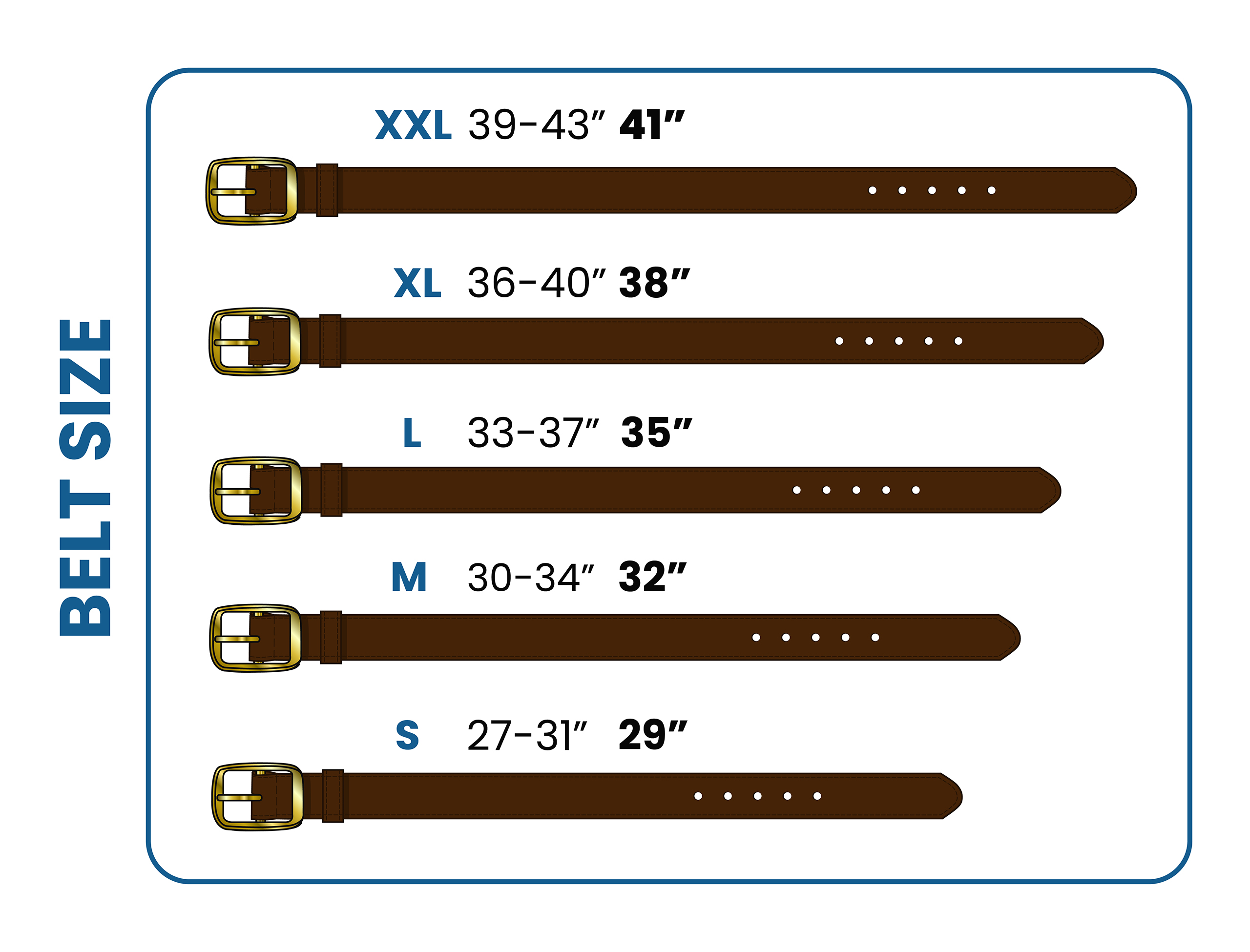
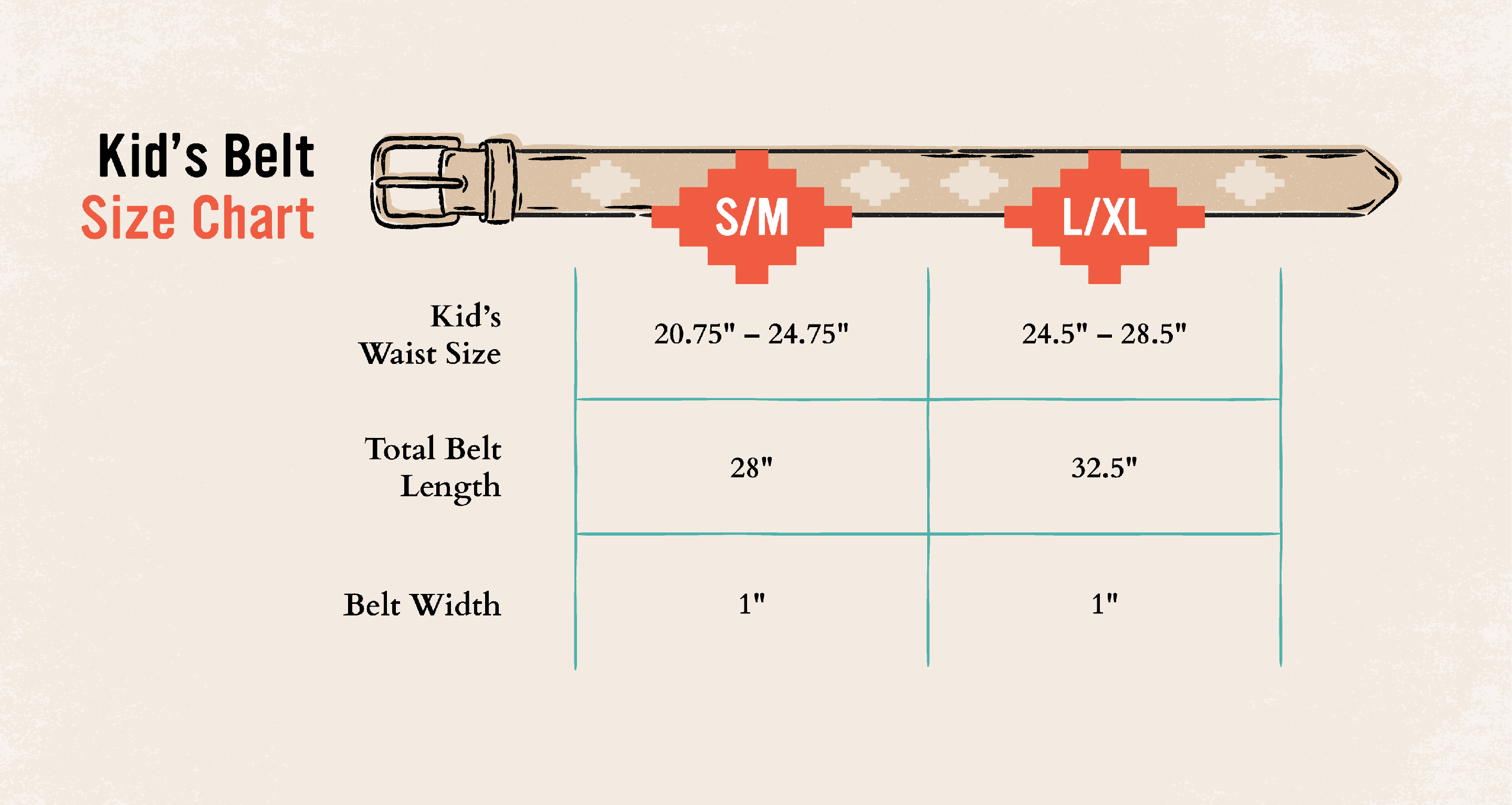
You've likely landed here because you're seeking a straightforward solution: a belt sizing chart. This handy reference tool is a quick and reliable way to ensure you get the right belt size, every time. It's a simple visual guide, often presented as a table or diagram, that helps you match your waist measurement to the correct belt length. While the exact values may vary depending on the brand or standard, a good belt sizing chart should provide a clear and easy-to-follow guide, ensuring you can quickly find your ideal belt size. Whether you're looking for a belt size guide or want to convert your dress size, this chart is a valuable tool to have at your disposal.
Understanding the Belt Sizing Chart
The belt sizing chart is a practical tool that helps you find the perfect belt size for your waist. It provides a reference to ensure a comfortable and secure fit, whether you're buying a new belt or adjusting an existing one. This chart is an essential guide for anyone wanting to achieve a well-fitted, stylish look.
Key Details and Units
The belt sizing chart typically displays two key measurements: waist size and belt length. Waist size is measured in inches or centimeters, depending on the standard used. Belt length, on the other hand, is usually given in inches and represents the total length of the belt, including the buckle. It's important to note that these measurements may vary slightly between different standards and manufacturers, so it's always good to check the specific guidelines.
Step-by-Step Guide to Reading the Chart
Follow these steps to accurately use the belt sizing chart:
Measure your waist: Use a flexible tape measure to determine your waist size. Place the tape around your waist at the point where you normally wear your belt. Ensure the tape is snug but not tight, and note the measurement in the appropriate unit.
Find your waist size on the chart: Locate your waist size on the chart. The chart will typically have a range of waist sizes, so find the closest match to your measurement.
Determine the belt length: Once you've identified your waist size, the chart will provide the recommended belt length. This length ensures the belt will fit comfortably and allow for a secure buckle closure.
Adjust for personal preference: While the chart provides a guide, you can adjust the belt length slightly to suit your comfort and style. Some prefer a looser fit, while others may want a more tailored look.
Variations and Differences
Belt sizing charts can vary based on several factors:
Standards and regions: Different countries and organizations may have their own sizing standards, leading to slight variations in waist size and belt length recommendations.
Manufacturer preferences: Some brands might offer slightly different sizing guides to cater to their specific target audience or style preferences.
Material and design: The type of belt material and its design can also influence the recommended sizing. For example, leather belts may stretch over time, affecting the initial sizing.
Common Mistakes and How to Avoid Them
When using a belt sizing chart, avoid these common pitfalls:
Measuring incorrectly: Ensure you measure your waist accurately, following the guidelines mentioned earlier. An incorrect measurement can lead to an ill-fitting belt.
Ignoring personal preferences: While the chart provides a guide, consider your personal comfort and style. Don't be afraid to adjust the recommended belt length to suit your needs.
Relying solely on trouser size: Your trouser size may not directly correspond to your belt size. Always measure your waist specifically for the belt sizing chart.
Tips for a Perfect Fit
To achieve the best results when using a belt sizing chart, keep these tips in mind:
Consider your body type: Different body shapes may require slight adjustments. For example, if you have a larger waist-to-hip ratio, you might need a longer belt for a comfortable fit.
Try before you buy: If possible, try on the belt to ensure it fits well. This is especially important if you're purchasing online or from a brand with unique sizing.
Allow for growth: If you're buying a belt for a child or someone who is still growing, opt for a slightly larger size to accommodate future growth.
Double-Checking and Edge Cases
In some cases, you may need to double-check the specifications or consult additional resources:
Custom or unique designs: If you're dealing with a custom belt or a unique design, the standard belt sizing chart may not apply. Contact the manufacturer or designer for specific sizing guidelines.
Dress size conversion: When converting dress sizes to waist measurements, refer to a reliable dress size conversion chart to ensure accuracy.
Medical conditions: Certain medical conditions or post-surgical changes may affect your waist size. In such cases, consult a healthcare professional for guidance on measuring and fitting belts.
Remember, while this guide provides a solid foundation, exact details may differ slightly based on your specific needs and the standards you follow. It's always a good idea to double-check and ensure you have the right information for your particular situation.
Feel free to bookmark this page for future reference. It's a handy tool to have at your disposal, and you never know when you might need to size a belt accurately!