










Activity Sheets Toddler Overview
As you embark on your quest for a clear and concise Goku family chart, a visual guide to the intricate relationships within the Dragon Ball universe, you'll find a wealth of information at your fingertips. This chart, a comprehensive tool for fans and enthusiasts, offers a structured glimpse into the complex web of connections, providing a quick and reliable reference for those seeking to navigate the Saiyan genealogy. While the format may vary, with different versions offering unique insights, the core purpose remains: to unravel the warrior family history and present it in an accessible manner.
Understanding the Goku Family Chart
The Goku family chart is a visual representation of the intricate relationships and lineage within the iconic Dragon Ball franchise. It serves as a comprehensive guide, offering a clear overview of the extensive family tree of the Goku lineage. This chart is an essential tool for fans and enthusiasts, providing a structured way to navigate and understand the complex web of connections between characters.
Key Family Members and Notable Relations
When examining the Goku family chart, you'll encounter various categories and branches. The chart typically begins with the original saiyan warrior, Goku's grandfather, and then branches out to include his immediate family, such as his wife, Chi-Chi, and their children, Gohan and Goten. As you explore further, you'll discover extended family members, including Goku's father, Bardock, and his brother, Raditz. Each category represents a generation, with unique abilities and power levels that define the characters.
Power Levels Explained: A Step-by-Step Guide
Understanding the power dynamics within the Goku family chart is crucial. Here's a simple guide:
- Start by identifying the generation or category of the character you're interested in. This will give you a baseline understanding of their power level.
- Within each generation, characters may possess unique abilities or transformations that enhance their power. Take note of these, as they can significantly impact their overall strength.
- Compare characters across generations to grasp the evolutionary growth of power within the Goku lineage. This will help you appreciate the progression of strength and abilities over time.
- Remember, power levels can vary depending on the specific standards or formats used in the Dragon Ball universe. Always refer to the relevant sources or episodes for accurate representations.
Common Misreadings and How to Avoid Them
One common pitfall when interpreting the Goku family chart is assuming a direct correlation between power levels and family ties. While family members may share similar abilities, their individual power levels can vary significantly. It's essential to consider each character's unique journey and training to understand their true strength. Additionally, be cautious of generalizations; each character's power level may fluctuate based on various factors, including training, transformations, and even plot-specific enhancements.
Factors Affecting Accuracy and Real-World Application
The accuracy of the Goku family chart relies on several key factors. Firstly, it's important to note that the Dragon Ball franchise has evolved over time, with new characters, transformations, and power-ups introduced in different series and movies. Therefore, the chart must be regularly updated to reflect these changes accurately. Secondly, the chart's effectiveness depends on the reader's familiarity with the Dragon Ball universe. A basic understanding of the characters, their abilities, and the overall narrative is essential for a comprehensive interpretation. Finally, while the chart provides a structured overview, it's always beneficial to cross-reference with other sources, such as official guides or fan-curated databases, to ensure the most accurate and up-to-date information.
Remember, when working with the Goku family chart, it's essential to consider your unique situation and any specific requirements you may have. While this guide provides a solid foundation, variations can occur, so double-check the details that matter most to you.
Feel free to explore our other resources and guides; we've got plenty of practical information to help you navigate various topics. Take a look around and find the tools you need to stay organized and informed!
Related: Uncover the Hair Levels Chart: Your Styling Guide
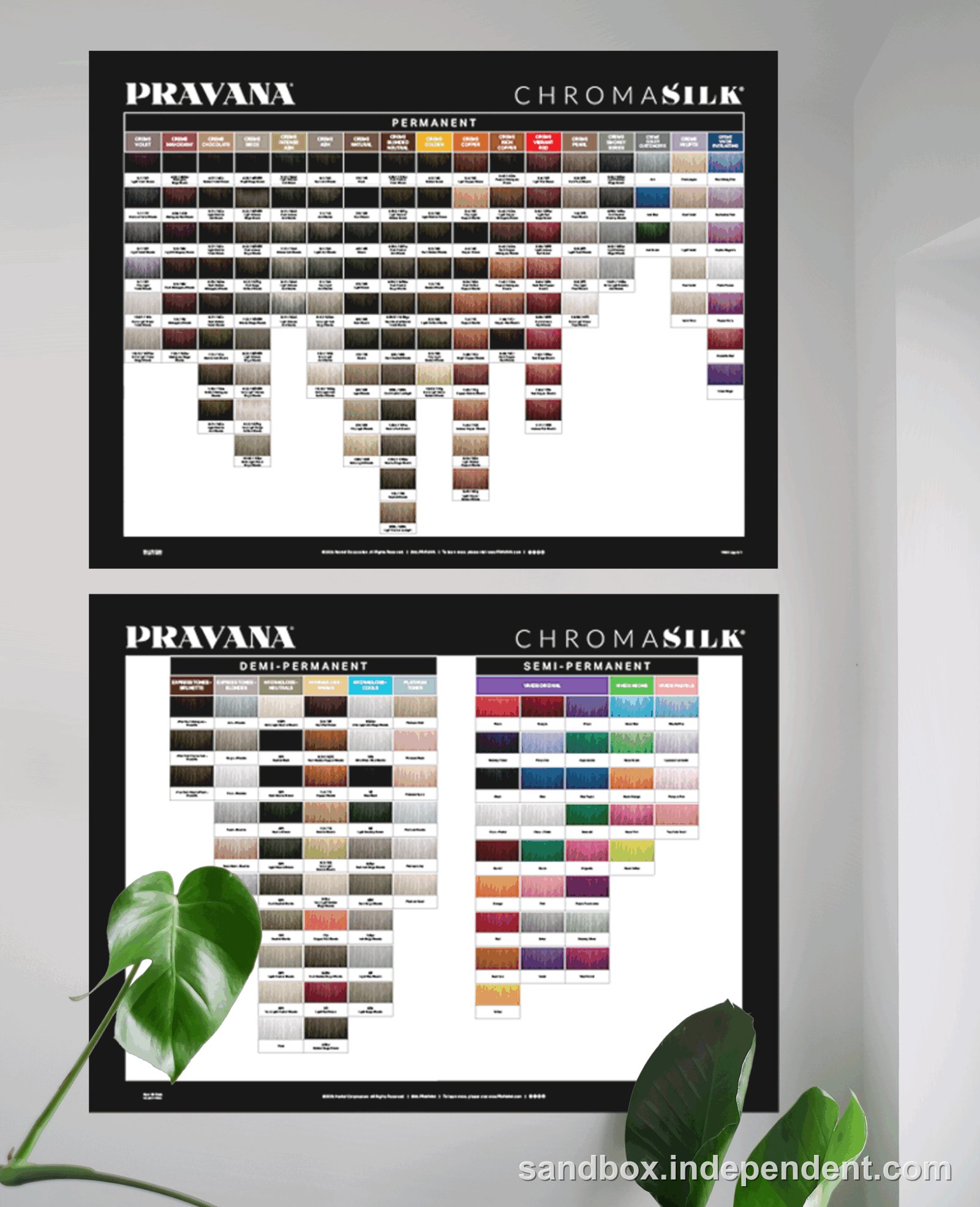
You're here, searching for a hair levels chart, a handy tool to help you understand your hair's characteristics. This chart is a simple yet effective way to visualize and assess your hair's thickness, density, and overall volume. It provides a quick reference, offering a snapshot of your hair's current state and a guide to track any changes over time. With various formats and standards, these charts offer a standardized way to measure and compare hair, ensuring an accurate and reliable assessment.
Understanding the Hair Levels Chart: Your Guide to Hair Volume
The hair levels chart is a handy tool to understand and categorize your hair's volume and thickness. It provides a simple, visual way to assess your hair's characteristics, which can be useful for styling, product selection, and even tracking hair growth progress. This chart typically uses a scale or a set of categories to describe hair volume, offering a quick reference for everyday use.
Comparing Hair Volume Standards: A Range of Options
There are various ways to categorize hair volume, and different charts may use different standards. Some common scales include a simple 1 to 10 scale, with 1 being the finest hair and 10 the thickest. Others might use a more detailed system, like a 1 to 20 scale, offering a broader range of options. Additionally, some charts might categorize hair into broad types, like "thin," "medium," and "thick," providing a more general overview.
Step-by-Step Guide: Using the Hair Levels Chart
- Start by gathering a small section of clean, dry hair, preferably from the top of your head.
- Hold the hair between your fingers and assess its thickness. Compare it to the visual representations or descriptions on your chosen hair levels chart.
- Match the thickness of your hair to the corresponding category or number on the chart. This will give you an idea of your hair's volume level.
- For a more precise assessment, you can count the number of hairs in the section you've gathered. This follicle count guide can provide additional insight into your hair's density.
Common Misconceptions and How to Avoid Them
One common mistake is assuming that the hair levels chart is a universal standard. While it provides a useful framework, it's important to note that hair characteristics can vary widely, and individual differences may not always fit neatly into these categories. Additionally, hair can change over time due to various factors, so regular assessments are beneficial. Always refer to the specific chart's instructions and consider any additional notes or explanations provided.
Factors Affecting Accuracy: Real-World Considerations
Several factors can influence the accuracy of your hair levels chart assessment. These include your hair's natural texture, whether it's curly, straight, or somewhere in between, as well as its overall health and condition. Environmental factors, such as humidity, can also temporarily affect your hair's volume and texture. It's essential to consider these variables when using the chart and to be aware that your hair's level may fluctuate. Regular assessments and a consistent approach will provide the most accurate results over time.
Hey there! We've covered a lot of ground in this post, and I hope it's given you a clear idea of how to navigate the hair levels chart and its various aspects. Remember, while the basics remain the same, there might be slight variations in the details, so always refer to the most relevant and up-to-date sources for your specific needs.
If you found this guide helpful, why not explore some of our other practical articles? We've got a range of topics that might just simplify your life, from organizing tips to handy reference guides. So, feel free to browse and discover more ways to make your daily routines a breeze!
Related: Atlanta Construction Jobs Essential Guide
Atlanta construction jobs is a phrase that might pop up in your search bar when you're looking to hire someone to build or remodel your home. It's a pretty straightforward term, but there's a lot to unpack when it comes to finding the right people for the job and understanding the costs involved. So, let's dive in and explore what Atlanta construction jobs really means and how to navigate this world effectively.
Understanding the Scope
When you search for Atlanta construction jobs, you're essentially looking for professionals who can help you with various construction projects, from building a new home to remodeling an existing one. This could involve hiring general contractors, specialized tradespeople, or even companies that offer a range of construction services. It's important to define your project's scope before diving into the search, as this will guide your choices and help you find the right fit.
Hiring the Right Team
Finding the right construction team for your project is crucial. You'll want to do your research and ask around for recommendations. Check online reviews and ask friends or family who have recently undergone similar projects. Once you have a few potential contractors or companies in mind, reach out and ask for quotes. Compare these quotes, but remember that the cheapest option isn't always the best. Look for detailed quotes that cover all aspects of the job, including materials, labor, and any potential extras.
Company Names and Reputation
Many construction businesses in Atlanta have creative names that reflect their services or location. A good business name should be memorable, unique, and give a hint about what they do. For instance, names like "Atlanta Build & Remodel" or "The Home Renovators" are straightforward and descriptive. When choosing a name for your construction business, it's essential to check its availability for registration and domain names to avoid any legal issues or confusion. Here are a few original name ideas:
- "Craftsman's Corner"
- "Build-It-Right"
- "Atlanta Home Makeovers"
- "Renovation Revolution"
- "The Construction Crew"
Construction Roles and Salaries
Atlanta construction jobs encompass a wide range of roles, from general contractors who oversee the entire project to specialized tradespeople like plumbers, electricians, and carpenters. The salaries for these roles can vary greatly depending on experience, the scope of the project, and the company's size. It's always a good idea to check online job boards and construction-specific websites to get an idea of the going rates for different roles in your area.
Industry Tools and Data
In the world of construction, tools like RSMeans can be incredibly useful. RSMeans is a cost database that provides accurate and up-to-date information on construction costs, helping contractors and clients understand the financial aspects of a project. It takes into account various factors, such as materials, labor, and escalation, which refers to the potential increase in costs over time. Using tools like RSMeans can help ensure that quotes and estimates are fair and realistic.
Big Companies vs. Small Businesses
The construction industry in Atlanta, like many places, has a mix of large companies and smaller, independent businesses. Large firms often have the resources to take on bigger projects and may have a broader range of services. They might also have more specialized equipment and a larger team. On the other hand, smaller businesses can offer a more personalized experience and may be more flexible in their approach. It's a matter of finding the right balance for your specific project and preferences.
Final Thoughts
Navigating the world of Atlanta construction jobs can seem daunting, but with the right approach and some research, you can find the perfect team for your project. Remember to define your needs, compare quotes, and don't be afraid to ask questions. Whether you're building a dream home or remodeling your bathroom, the right construction crew can make all the difference. So, take your time, do your due diligence, and you'll be on your way to a successful construction project.