





Activity Sheets Toddlers Overview
You're probably here because you need a quick answer, a simple guide to help you choose the right skis. Well, you've come to the right place! The ski height chart is your go-to tool for ensuring you get the perfect ski length. It's a handy reference, offering a quick and reliable way to find your ideal ski size. These charts often provide a ski length guide, giving you a starting point for your search. While the exact values may vary depending on your skiing style and preferences, the ski height chart is a great starting point for your ski sizing journey.
Understanding Ski Height: A Quick Overview
The ski height chart is a handy tool that simplifies the process of choosing the right ski length for your height and skill level. It provides a visual guide, often in the form of a table or diagram, to help you select skis that offer the best performance and control.
Comparing Ski Height Standards and Formats
There are a few key standards and formats for ski size charts. The most common ones are based on height and skill level, with recommendations for ski lengths in both centimeters and inches. These charts typically offer a range of ski lengths suitable for your height, ensuring you find the right fit.
How to Use the Ski Height Chart: A Step-by-Step Guide
Start by identifying your height. This is a crucial piece of information for using the chart accurately.
Next, determine your skill level. Are you a beginner, intermediate, or advanced skier? This factor influences the recommended ski length, as it's tailored to your experience and ability.
Refer to the chart and locate your height range. You'll typically find a column or section dedicated to your height, with suggested ski lengths.
Choose the ski length that aligns with your skill level within that height range. For example, a beginner within a certain height range might be advised to choose a shorter ski length for better control, while an advanced skier might opt for a longer ski for more speed and stability.
If you're between two sizes, consider your personal preference and the terrain you typically ski on. Longer skis offer more speed and stability but can be harder to maneuver, while shorter skis are easier to control but may feel less stable at higher speeds.
Common Misreadings and How to Avoid Them
It's important to remember that ski height charts provide general recommendations. Your personal preferences, skiing style, and the specific terrain you ski on can influence your choice. Always consider these factors when selecting skis, and don't hesitate to seek advice from ski professionals if you're unsure.
Additionally, be mindful of the units used in the chart. Some charts use centimeters, while others use inches. Ensure you understand the units to make an accurate selection. If you're unsure, you can always use a cm to inches conversion tool to double-check.
Well, that's a wrap on our ski height chart adventure! We've covered a lot of ground, from understanding the basics to navigating the different options and avoiding common pitfalls.
Remember, when it comes to ski height, there's no one-size-fits-all approach. So, before you hit the slopes, take a moment to ensure you've considered your unique needs and preferences. With the right ski length, you'll be carving down the mountain like a pro in no time!
And if you're keen to explore more ski-related topics, feel free to browse our other guides. We've got plenty of practical tips and tricks to keep you informed and inspired. Happy trails!
Related: Understanding DPS Charts in World of Warcraft
"Dps charts wow" is a handy tool for any World of Warcraft player looking to maximize their damage output. This guide will break down the ins and outs of these charts, helping you understand their purpose and how to utilize them effectively. From dps charts wow to dps meters wow, we'll cover it all, ensuring you have the knowledge to make informed decisions about your character's performance.
Understanding DPS Charts in World of Warcraft
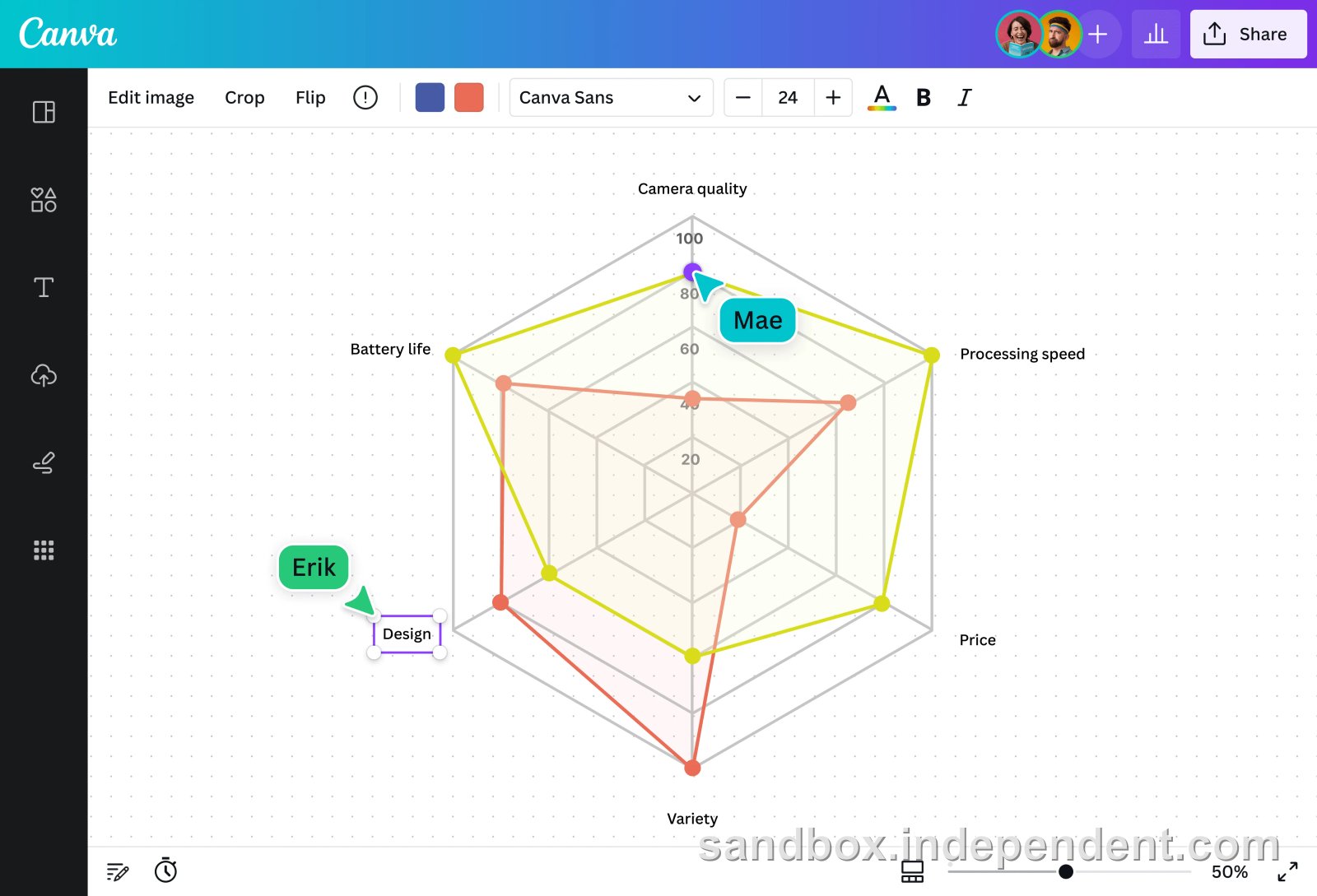
DPS charts in World of Warcraft are a visual representation of a player's damage output. These charts provide a snapshot of a player's performance and can be a valuable tool for analyzing and improving their gameplay.
Key Details and Metrics
The DPS chart typically displays two main categories: damage dealt and damage per second (DPS). The damage dealt category shows the total damage a player inflicts on enemies, while the DPS category focuses on the average damage output over time. These values are usually measured in game-specific units, such as damage per hit or per spell cast.
Interpreting the Data: A Step-by-Step Guide
To read a DPS chart accurately, follow these steps:
Start by identifying the player's name or character on the chart. This ensures you are analyzing the correct data.
Locate the damage dealt column. This value represents the cumulative damage inflicted during the encounter. Compare it to other players' damage to gauge your performance.
Move on to the DPS column. Here, you'll find the average damage output per second. This metric is crucial for understanding your sustained damage over time. Compare your DPS to the group's average to assess your contribution.
Some charts may also provide additional details, such as damage taken or healing done. These metrics offer a more holistic view of your performance and can be valuable for specific roles or strategies.
Variations and Differences
It's important to note that DPS charts can vary depending on the encounter, raid composition, and strategy employed. Different boss fights and game modes may require unique approaches, affecting the damage output and thus the DPS values. Additionally, the gear and talents chosen by players can significantly impact their performance, leading to variations in DPS charts.
Common Mistakes and How to Avoid Them
When interpreting DPS charts, avoid these common pitfalls:
Misinterpreting the data: Ensure you understand the units and categories used in the chart. Misreading the damage dealt as DPS or vice versa can lead to incorrect conclusions.
Comparing apples to oranges: Be mindful of the context. Comparing your DPS to a player with a different class, spec, or gear level may not provide an accurate assessment. Focus on relative performance within your group.
Overlooking other factors: Remember that DPS is just one aspect of gameplay. Consider other contributions, such as crowd control, utility, and survival skills, which are equally important in a raid or dungeon setting.
Practical Tips for Accurate Results
To make the most of DPS charts wow, consider these best practices:
Consistency is key: Focus on maintaining a steady DPS throughout the encounter. Avoid burst damage followed by periods of low output, as it can impact your overall performance.
Optimize your rotation: Study your class's optimal rotation and ensure you are executing it effectively. Practice and refine your skills to maximize your damage output.
Gear and talent choices: Pay attention to your gear and talent selections. Ensure they align with your class's DPS specialization and consider the encounter's specific mechanics.
Learn from others: Compare your performance to top players or guilds. Analyze their strategies and techniques to identify areas for improvement.
By understanding and utilizing DPS charts wow, you can gain valuable insights into your gameplay, identify areas for growth, and contribute more effectively to your group's success in World of Warcraft.
Hey there, fellow Wow players! I hope this guide has given you a solid understanding of DPS charts and their practical uses. Remember, while the basics remain the same, exact details might shift a little depending on your specific context or the standards you're working with.
So, keep this page bookmarked for future reference, and feel free to explore our other guides for more helpful tips and tricks. Happy charting, and may your DPS always be through the roof!
Related: Largest Construction Firms in the World Essential Guide
I was walking through my neighborhood the other day, and I couldn't help but notice all the construction going on. It got me thinking about the largest construction firms in the world and how they operate on such a massive scale. So, I decided to do some research and share my findings with you all!
The Big Picture
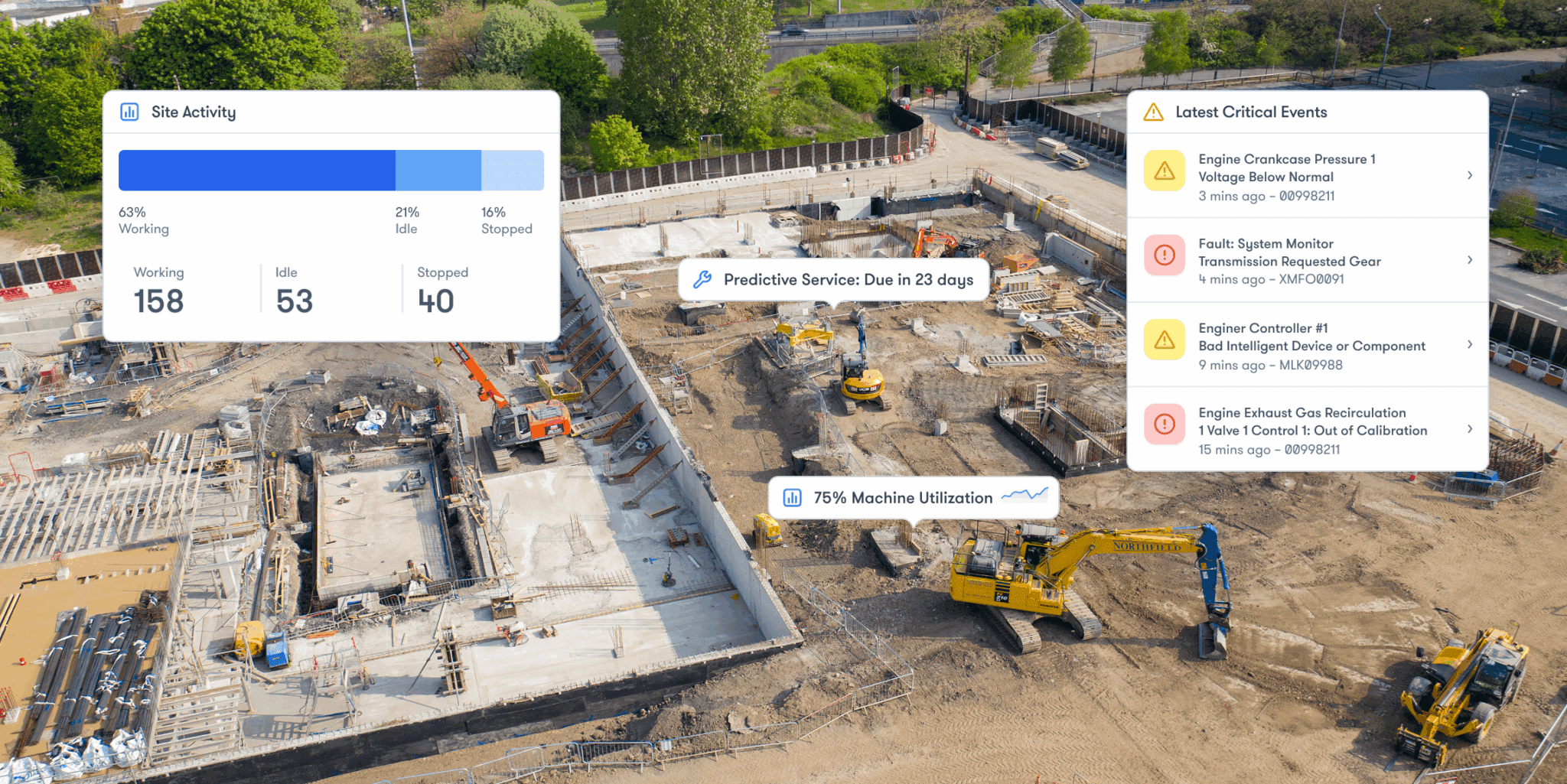
When we talk about the largest construction firms in the world, we're referring to the companies that take on some of the most ambitious and complex projects globally. These firms have the resources, expertise, and reach to handle everything from high-rise buildings to major infrastructure developments. They are the go-to for governments, corporations, and even other smaller construction companies when the project is too big to handle alone.
What Makes Them So Large?
The size and success of these firms often come down to a few key factors. Firstly, they have the financial muscle to take on large-scale projects and the ability to secure funding for these ventures. This financial strength allows them to invest in the latest technology and equipment, ensuring they stay at the forefront of the industry.
Secondly, they have a vast network of skilled professionals and subcontractors. This means they can assemble a team with the right expertise for any project, no matter how specialized the skills required.
Lastly, these firms have a proven track record and a reputation for delivering projects on time and within budget. This reliability is key to securing future work and expanding their portfolio.
Practical Considerations
If you're considering hiring one of these firms for a project, there are a few things to keep in mind. Firstly, ensure you get a detailed, written quote that outlines all costs and potential additional expenses. These firms are often dealing with large-scale projects, so the scope can change, and additional costs may arise.
It's also worth checking their past projects and client testimonials to ensure they have a good track record and a style that aligns with your vision. Don't be afraid to ask for references and speak to previous clients about their experience.
Naming and Branding
The names of these firms often reflect their size and scope. They tend to be straightforward and easy to remember, often incorporating the founder's name or a word that reflects their core business. For example, "Global Construction Co." or "Johnson Builders."
If you're thinking of starting your own construction firm, choosing a name that is unique, memorable, and reflects your business values is essential. Here are a few ideas to get you started:
- BuildTech Solutions
- SkyRise Construction
- Earthworks Group
- Constructo International
- HomeFront Builders
- Urban Development Corp.
Remember to check the availability of the name, domain, and local registration before finalizing your choice.
Wrapping Up
Exploring the world of the largest construction firms is fascinating, and it's a reminder of the scale and impact of the construction industry. These firms are the backbone of many major developments and play a crucial role in shaping our world.
If you're interested in learning more, I'd recommend checking out some of their past projects and the tools they use, like RSMeans, to get a better understanding of the industry. It's a vast and ever-evolving field, and there's always more to discover!