



Adams Time Chart 2026 Overview
A common misconception about rebar size charts is that they are complex and intimidating, but in reality, they are a simple and incredibly useful tool for anyone working with concrete reinforcement. These charts provide a straightforward way to understand and select the right rebar size, often based on the nominal size or bar diameter. It's a quick reference guide that ensures you get the correct steel bar grades and dimensions for your project. While there may be variations in values and formats depending on your region and specific standards, the rebar size chart remains a reliable starting point.
Understanding the Rebar Size Chart: A Practical Overview
The rebar size chart is a handy reference tool for anyone working with concrete reinforcement. It provides a quick and easy way to determine the appropriate size and strength of steel bars needed for a project. This chart is essential for ensuring the structural integrity and safety of reinforced concrete.
Comparing Rebar Size Standards and Formats
Rebar size charts can vary depending on the standard being used. Two common standards are the US standard, which uses imperial units, and the metric or international standard. These standards have different measurement systems and may have variations in the categories and labels used. It's crucial to know which standard applies to your project to ensure accuracy.
Step-by-Step Guide to Reading the Rebar Size Chart
Using the rebar size chart is straightforward. First, identify the nominal size or bar diameter you require. This is usually specified based on the project's needs and the concrete's expected strength. The chart will provide a range of nominal sizes, typically in inches or millimeters, depending on the standard.
Next, locate the corresponding steel bar grade. This grade indicates the strength and quality of the rebar. Different grades offer varying levels of tensile strength, which is crucial for the concrete's reinforcement. The chart will provide a clear indication of the grade, often with a simple code or number system.
Finally, determine the rebar's weight and spacing. The chart will give you the weight per unit length, which is essential for calculating the total weight required for your project. Additionally, it will guide you on the recommended spacing between bars, ensuring proper reinforcement coverage.
Common Misreadings and How to Avoid Them
A common mistake is assuming that the nominal size on the rebar size chart represents the exact diameter. However, it's important to note that the nominal size is an approximate value, and actual diameters may vary slightly. Always refer to the chart's notes or specifications for any tolerances or deviations.
Another pitfall is overlooking the steel bar grade. Each grade has specific properties and strengths, so using the wrong grade can compromise the concrete's integrity. Always double-check the grade and ensure it aligns with your project's requirements.
Key Factors Affecting Accuracy and Real-World Use
Steel Bar Grades: Different grades offer varying strengths and are suitable for different applications. Ensure you choose the right grade for your project's needs.
Concrete Reinforcement: The type and strength of concrete also play a role. The rebar size and spacing must align with the concrete's requirements to provide adequate reinforcement.
Safety Considerations: Always prioritize safety when working with reinforced concrete. Follow industry guidelines and regulations to ensure the structural integrity and safety of your project.
Installation Tips: Proper installation techniques are crucial. Ensure the rebar is correctly positioned, tied, and supported to maintain its strength and effectiveness.
Adapting the Chart for Specific Needs
While the rebar size chart provides a comprehensive guide, it may not cover every unique situation. For specialized projects or unusual requirements, you may need to consult additional resources or seek expert advice. Always cross-reference the chart's data with project specifications and industry standards to ensure accuracy.
Keeping Your Reference Reliable for Future Projects
To ensure the reliability of your rebar size chart, keep it updated with the latest industry standards and specifications. Regularly check for any revisions or updates to the standard you are using. Additionally, consider keeping a digital or physical copy of the chart for easy access and reference during projects. This way, you can ensure consistent and accurate use of the chart for all your concrete reinforcement needs.
Well, there you have it! A comprehensive guide to rebar size charts, covering all the essential bases. From understanding the different options and standards to the step-by-step process and potential pitfalls, you're now equipped with the knowledge to tackle any rebar-related task.
Remember, while this guide provides a solid foundation, every project is unique. So, be sure to double-check your specific requirements and context to ensure you're using the right chart and format for your needs. It's a simple step but an important one to avoid any potential headaches down the line. Consider this your go-to reference, and feel free to bookmark this page for future use. Happy rebarring!
Related: How to read a willy size chart?
A willy size chart is a handy tool, offering a simple visual guide to understanding penis measurements. This guide aims to demystify these charts, ensuring you can navigate and utilize them effectively.
Whether you're curious about average penis length, girth measurements, or simply need a cm to inches conversion, these charts provide a quick reference. While values may vary depending on standards and regions, the willy size chart offers a reliable starting point for understanding and comparing sizes.
Understanding the Willy Size Chart
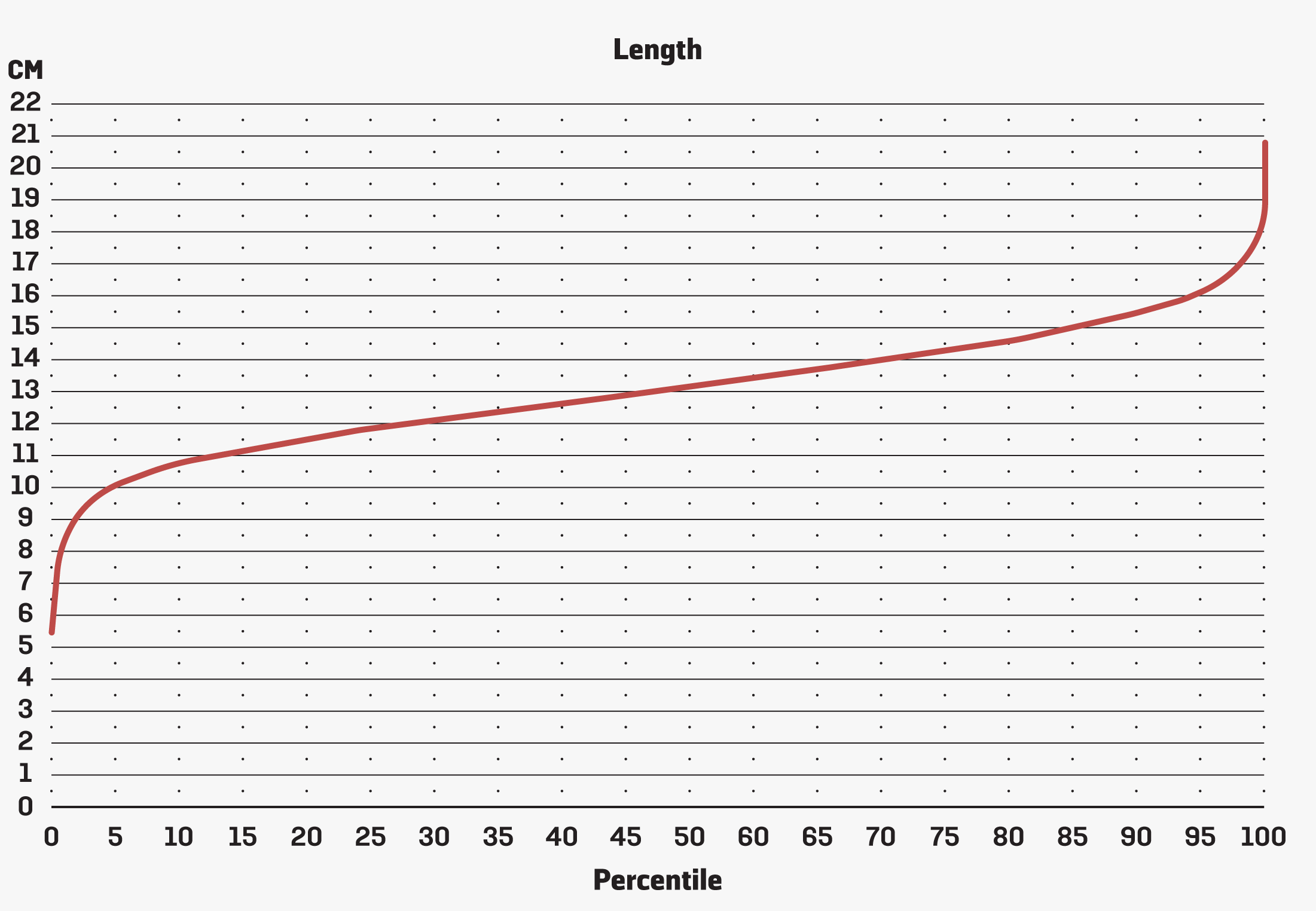
The willy size chart is a reference guide that provides a visual representation of penis dimensions, offering a standardized way to understand and compare sizes. This chart is a valuable tool for educational purposes and can be particularly useful for those seeking information on average sizes or wanting to understand the range of variations.
Comparing Standards and Categories
When referring to a willy size chart, it's important to note that different standards and measurement systems exist. The most common standards are the US and international (metric) systems, which use different units of measurement. The chart typically displays length and girth measurements, often in both centimeters and inches, to cater to various regions and preferences.
Step-by-Step Guide to Using the Chart
To utilize the willy size chart accurately, follow these steps:
Identify the standard: Determine whether you are using the US or international standard. This information is usually indicated on the chart itself or in the accompanying documentation.
Measure accurately: Take precise measurements of your penis. For length, measure from the base to the tip when erect. Girth is measured at the widest point, usually just below the head.
Convert if needed: If your measurements are in a different unit than the chart, convert them. For example, if you measured in centimeters but the chart uses inches, use the cm to inches conversion factor (1 inch = 2.54 cm) to ensure accuracy.
Compare and understand: Place your measurements on the chart and compare them to the various categories or percentiles. This will give you an idea of how your size compares to the general population.
Common Misconceptions and Pitfalls
Willy size chart is not an exact science: While the chart provides a standardized reference, it's important to remember that penis sizes can vary greatly, and individual differences are normal.
Personal experience vs. statistics: Your personal experience may not align with the chart, especially if you have a unique size or if the chart is based on a different population.
Age and growth: Penis size can change with age, especially during puberty and early adulthood. The chart may not account for these growth stages, so it's important to consider your age when interpreting the results.
Measurement techniques: Inaccurate measurements can lead to incorrect placements on the chart. Ensure you follow proper measuring techniques to get the most accurate representation.
Remember, the willy size chart is a guide, and individual variations are normal and healthy. If you have specific concerns or questions about your sexual health, it's always best to consult a healthcare professional.
So, there you have it, a handy willy size chart to guide you through the various measurements and standards. Remember, these charts provide a general overview, and exact values may differ slightly across sources.
It's always a good idea to cross-reference and ensure you're using the right measurements for your specific needs. Feel free to explore our other guides; we've got a range of interesting topics that might pique your curiosity and provide practical insights. Happy reading!
Related: Find Your Perfect Fit: vuori size chart guide
"Vuori size chart" is your trusted companion when shopping for the perfect fit. This guide will walk you through the essentials, ensuring you understand how to navigate and utilize this valuable tool effectively.
The Vuori size chart is a simple yet powerful resource, offering a clear and concise overview of sizing options. It's a quick reference, ensuring you find the right fit for Vuori's activewear and apparel. While standards can vary, this chart provides a reliable starting point for your sizing journey.
Understanding the Vuori Size Chart
The Vuori size chart is a handy tool that helps you find the perfect fit for your activewear. It's a simple guide that ensures you get the right size for your body and the style you want. This chart is a great way to shop with confidence, especially when buying online.
Key Details and Categories
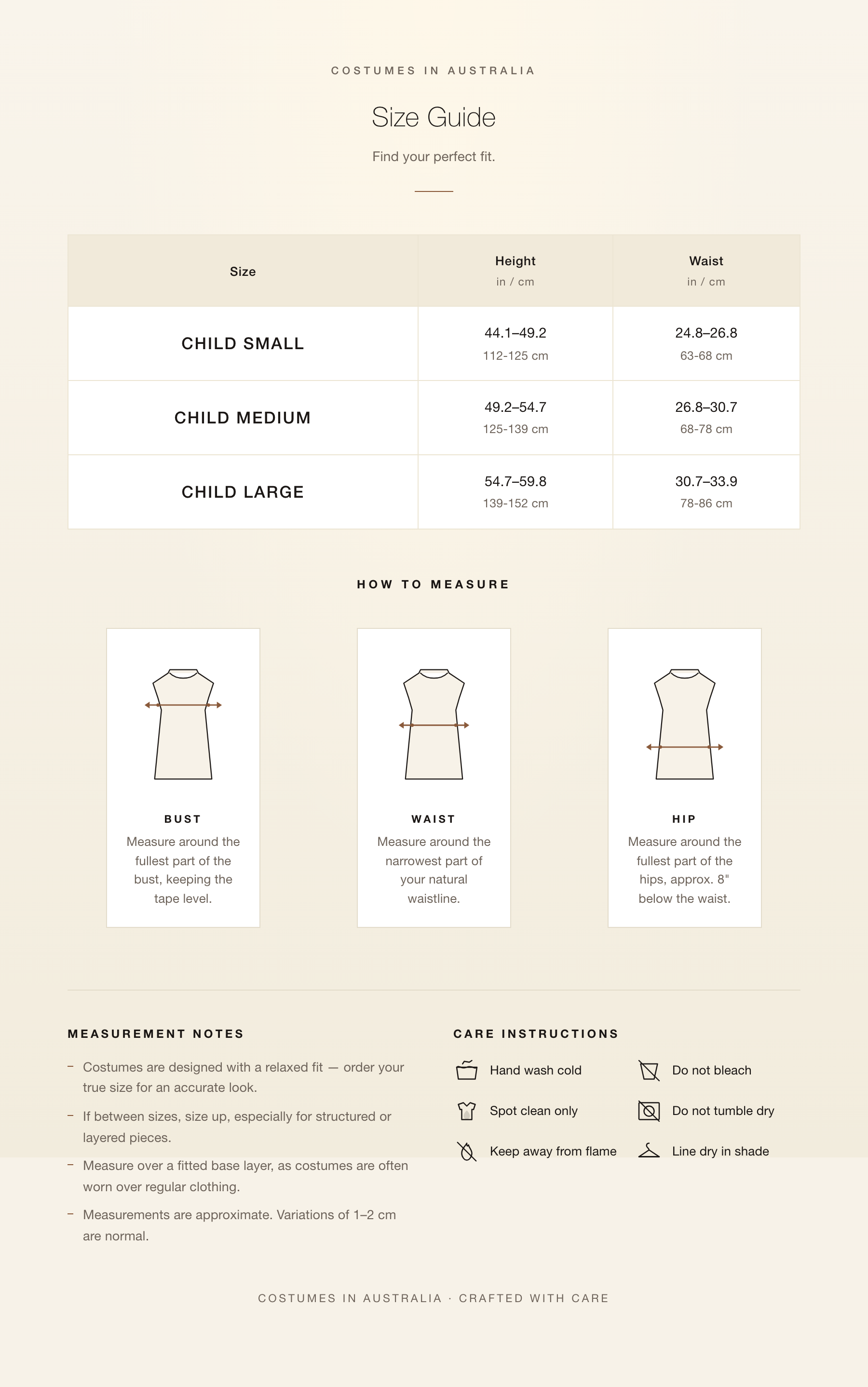
The Vuori size chart covers a range of sizes, typically from extra small to extra large, and sometimes even beyond. It provides measurements for key body parts, such as chest, waist, hips, and inseam length. These measurements are crucial for a comfortable and flattering fit. The chart also includes specific size categories, like small, medium, and large, which are standard across many clothing brands.
Reading and Applying the Chart
Using the Vuori size chart is straightforward. First, locate your usual size based on your height and weight. Then, check the corresponding measurements for chest, waist, and other relevant body parts. Compare these measurements with your own body's dimensions. If you're between sizes, consider going for the larger size for a more relaxed fit, or the smaller size for a more fitted look. It's all about personal preference and the style of the garment.
Size Variations and Differences
It's important to note that size charts can vary slightly between brands and even within a brand's different product lines. Vuori apparel sizing guide may have slight variations depending on the fabric and design of the garment. For instance, a relaxed-fit top might have a looser fit than a more structured jacket, even if they are the same size. Additionally, personal preferences and body types can also influence the fit. Some people prefer a snug fit, while others like a looser, more comfortable feel.
Common Mistakes and How to Avoid Them
One common mistake is relying solely on your usual size without considering the specific measurements. Every brand's size chart can differ, so always refer to the Vuori size chart for accurate sizing. Another pitfall is not measuring yourself correctly. Ensure you measure your body accurately, following the guide's instructions. Lastly, don't forget to consider the style and fit of the garment. Some items are designed to be more fitted, while others are meant to be loose and relaxed.
Tips for a Perfect Fit
To ensure the best fit, always measure yourself before ordering. Use a flexible tape measure and follow the guide's instructions for accurate measurements. If you're unsure, it's a good idea to measure a garment you already own and love the fit of. Compare these measurements with the Vuori size chart to find your ideal size. Remember, the chart is a guide, and personal preferences play a role. If you prefer a looser fit, choose a size up; for a more tailored look, go for a size down.
By following these tips and understanding the Vuori size chart, you'll be able to shop with confidence and enjoy the perfect fit for your activewear. Happy shopping!
Well, there you have it! A size chart can be a handy tool, but it's important to remember that these are general guides, and your personal fit may vary. Always consider your own preferences and the specific garment's style when choosing a size.
So, before you hit the checkout, take a moment to ensure you've got the right measurements and context covered. It's a simple step that can save you time and ensure a perfect fit. And hey, if you need a quick reference in the future, just bookmark this page for easy access!