




Adorable Cute Stitch Coloring Pages Overview
Many people mistakenly believe that vocal ranges charts are complex and intimidating, but in reality, they are a simple and powerful tool for singers and vocal enthusiasts. These charts, often presented as visual guides, provide a clear overview of the different voice types and their respective ranges. While the specifics may vary slightly depending on the source, the vocal ranges chart serves as an accessible reference, helping singers navigate and understand their vocal potential.
Understanding the Chart: An Overview
The vocal ranges chart is a handy reference tool for singers and vocal enthusiasts. It provides a visual representation of the different vocal ranges, helping you identify and understand your voice type and its capabilities. This chart is a great starting point for anyone wanting to explore their singing potential and improve their vocal technique.
Comparing Voice Types and Ranges
The chart typically categorizes vocal ranges into several standard types, including soprano, mezzo-soprano, alto, tenor, baritone, and bass. Each category has a specific range of notes, shown as a visual scale, that defines the voice's capabilities. For instance, a soprano voice, often associated with higher pitches, has a range that extends to the higher end of the scale.
How to Read and Use the Chart
Using the vocal ranges chart is straightforward:
- Identify your voice's general range by singing through a scale or using a pitch-detecting app.
- Locate your lowest and highest comfortable notes.
- Refer to the chart and match your range with the closest vocal type.
- Use this information to choose songs that suit your voice and explore your vocal potential.
For example, if your range aligns with the soprano category, you'll know you can comfortably sing higher-pitched songs.
Common Misconceptions and Pitfalls
One common mistake is assuming that the chart provides an exact, rigid definition of your voice type. In reality, vocal ranges can overlap, and some voices may not fit neatly into one category. It's essential to understand that the chart is a guide, and your voice may have unique characteristics that set it apart. Additionally, factors like age, training, and vocal health can influence your range, so regular assessment is beneficial.
Factors Affecting Accuracy and Real-World Use
Several key factors can impact the accuracy of the vocal ranges chart and its real-world application:
- Age and Development: Vocal ranges can change as you age, especially during puberty and early adulthood.
- Training and Practice: Consistent vocal training can expand your range and improve your technique.
- Vocal Health: Illness, strain, or damage to the vocal cords can temporarily alter your range.
- Musical Style and Genre: Different music genres may require specific vocal ranges or techniques.
Adapting the Chart for Specific Needs
While the standard vocal ranges chart is a great starting point, it might not cater to everyone's needs. For instance, some charts provide more detailed subdivisions for specific voice types, offering a more precise guide. Others might use different measurement systems or cater to non-traditional vocal styles. It's essential to choose a chart that aligns with your musical goals and preferences. If you're unsure, consulting a vocal coach or expert can provide valuable guidance.
Hey there! I hope this vocal ranges chart guide has been a helpful tool for you. Remember, these charts are a great reference, but they are not set in stone; the exact details might differ slightly based on your specific needs and the context.
Feel free to explore other guides and resources to deepen your understanding. And don't forget to bookmark this page for future reference; it's always handy to have these tools at your fingertips!
Related: A Beginner's Guide to Understanding the ND Depth Chart
Many sports enthusiasts may overlook the importance of a bold nd depth chart, assuming it's merely a list of names. However, this chart is a strategic tool, offering a unique glimpse into a team's dynamics and potential. It's not just about the starting lineup; the nd depth chart reveals the depth and versatility of a team's roster, providing insights that can impact game strategies and player development.
Understanding the nd Depth Chart: A Comprehensive Guide
The nd depth chart is a valuable tool used in various fields, providing a visual representation of hierarchical relationships and resource allocation. It offers a clear snapshot of the structure and depth within a system, whether it's a sports team, an organizational chart, or a technical diagram. This guide will help you navigate and utilize the nd depth chart effectively.
Key Details and Categories
The nd depth chart typically consists of multiple columns and rows, with each column representing a specific category or resource. Common categories include positions, roles, or skill sets. The rows, on the other hand, indicate the depth or level of each category, often progressing from primary or essential elements to secondary or backup options. The chart's design may vary depending on the standard or context, but the core structure remains consistent.
Reading and Applying the nd Depth Chart
- Start by identifying the chart's categories and their respective columns. These categories provide the framework for understanding the chart's content.
- Move on to the rows, which represent the depth or hierarchy. Each row typically corresponds to a specific level or tier within the system.
- Read across the rows to understand the distribution and allocation of resources. For example, in a sports depth chart, the top row might represent the starting lineup, with subsequent rows indicating substitutes or reserves.
- Pay attention to any color-coding or symbols used. These visual cues often provide additional information or indicate special considerations.
- Use the nd depth chart as a reference to make informed decisions. It can guide strategic planning, resource allocation, and understanding the system's capabilities and limitations.
Variations and Differences
While the nd depth chart follows a standard structure, variations may occur due to different standards, industries, or specific use cases. For instance, a sports depth chart may vary depending on the sport and its unique positions. Additionally, regional differences might influence the chart's design, especially when comparing metric and imperial systems. It's essential to be aware of these variations and refer to the appropriate standard or guidelines for your specific context.
Common Mistakes and How to Avoid Them
One common mistake is assuming that the nd depth chart provides a comprehensive overview without any exceptions. While it offers a valuable snapshot, it may not account for all variables or unique circumstances. To avoid this pitfall, always double-check the exact specifications, especially when dealing with critical or safety-related systems. Another mistake is overlooking the chart's context. Remember to consider the industry, region, and specific use case to ensure accurate interpretation. By being mindful of these potential pitfalls, you can utilize the nd depth chart effectively and make informed decisions.
Hey there, reader! We've covered a lot of ground with this depth chart guide, and I hope it's given you a clear understanding of the concept and its practical applications. Remember, while the fundamentals remain consistent, the exact details can vary slightly across different contexts and standards.
Feel free to explore other guides on our site to deepen your knowledge and gain insights into related topics. We've got a whole library of resources to help you navigate and master various concepts and tools. Happy learning!
Related: How to Read the "ir verb chart" Easily?
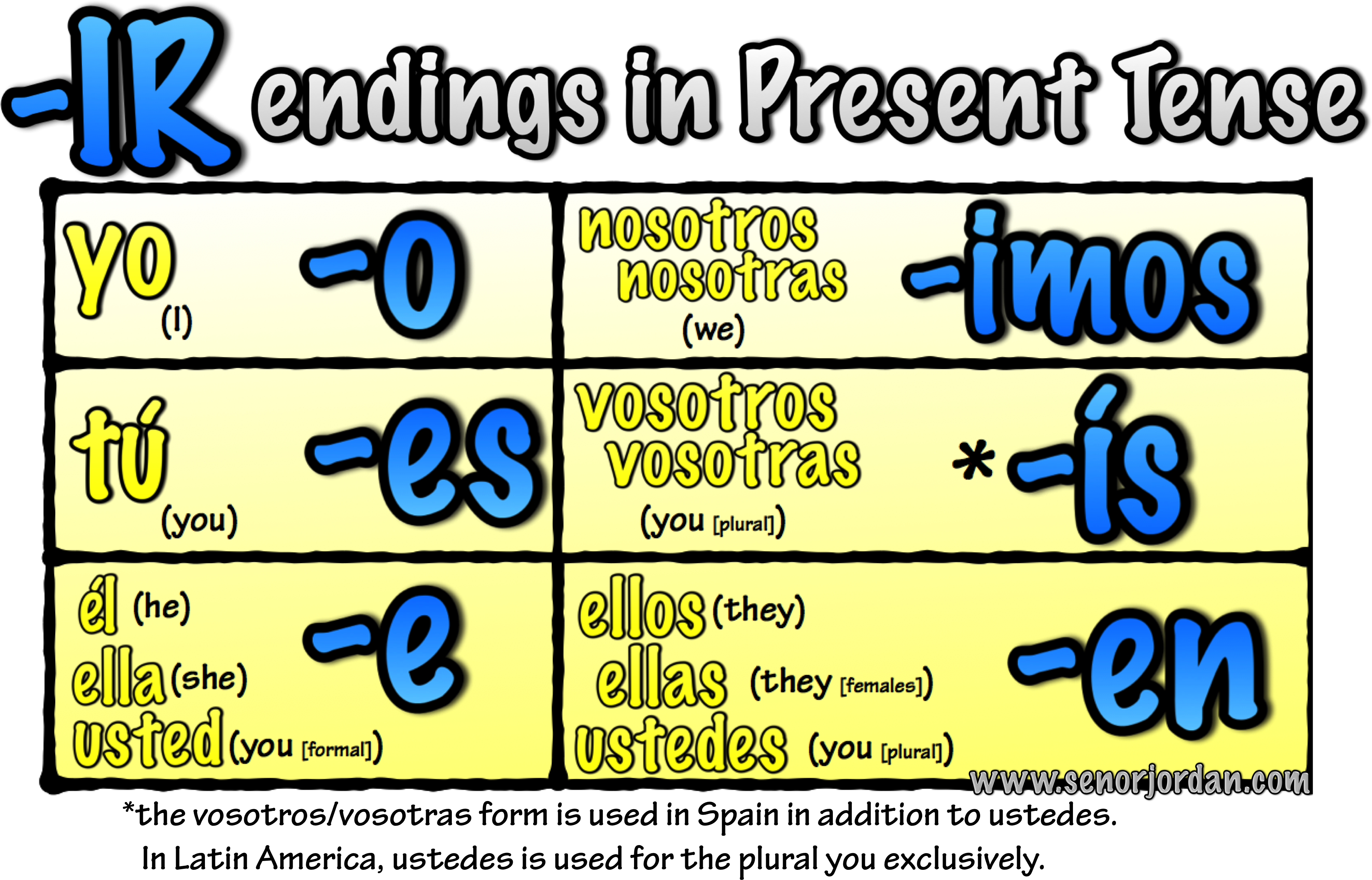
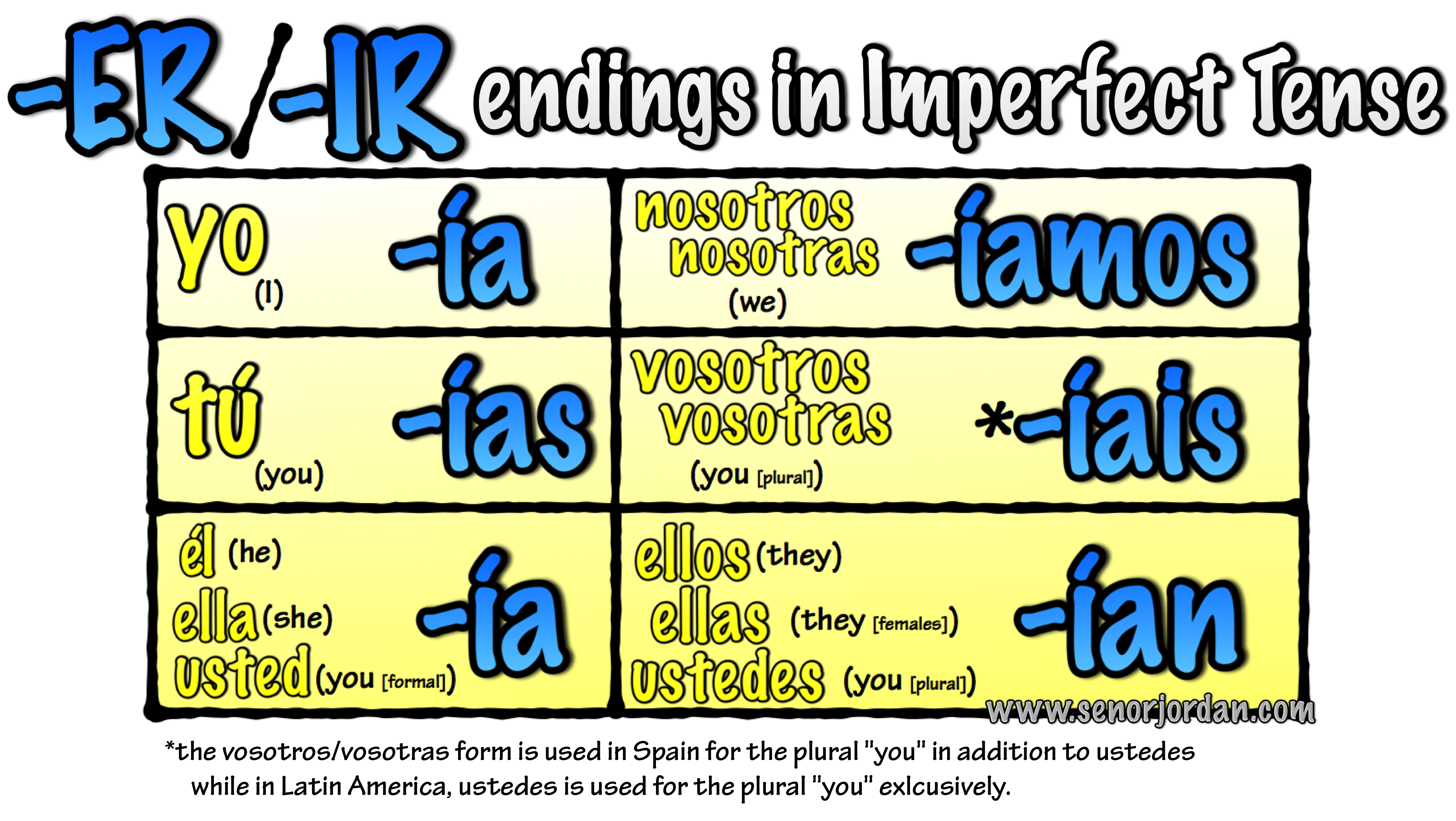
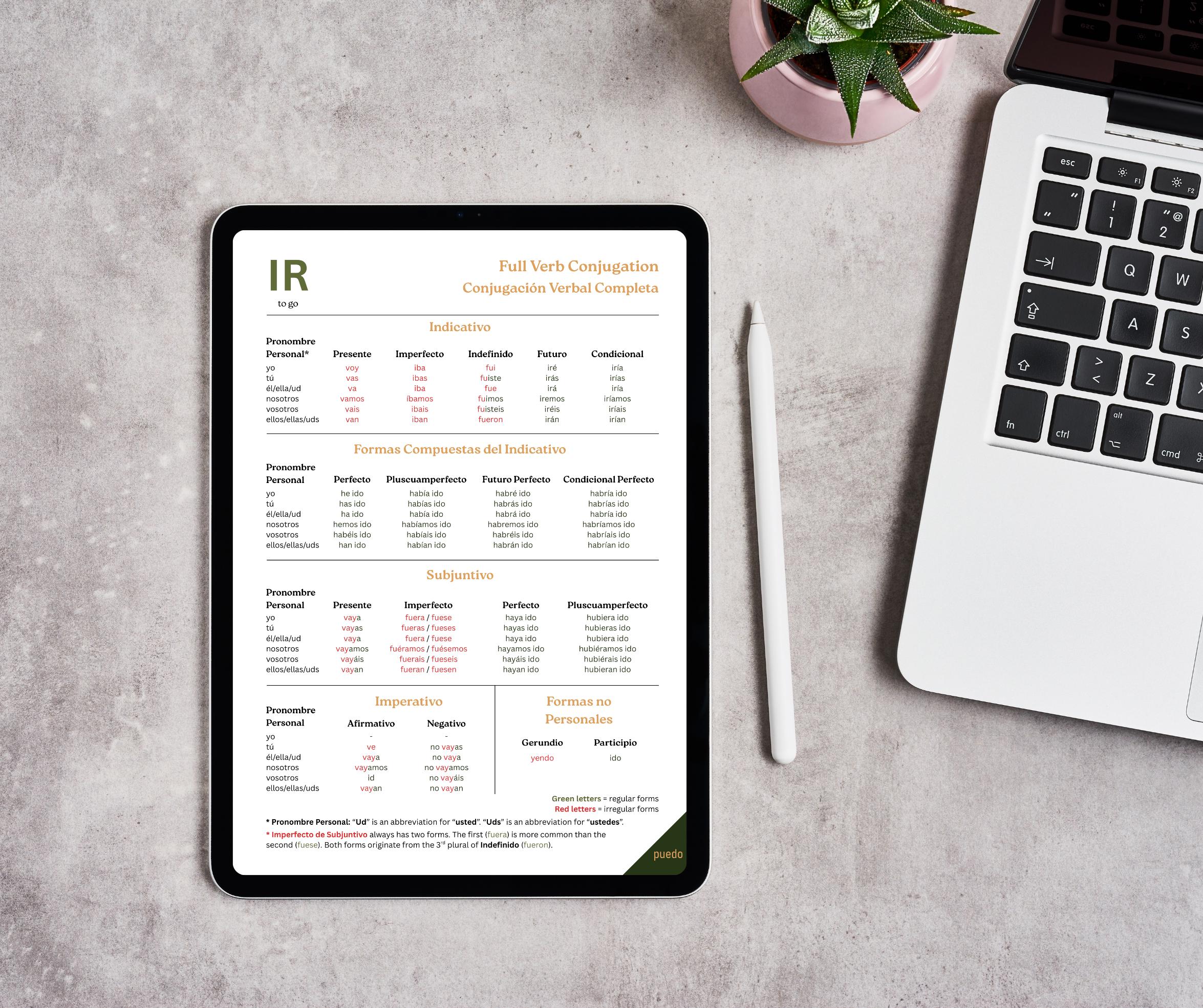
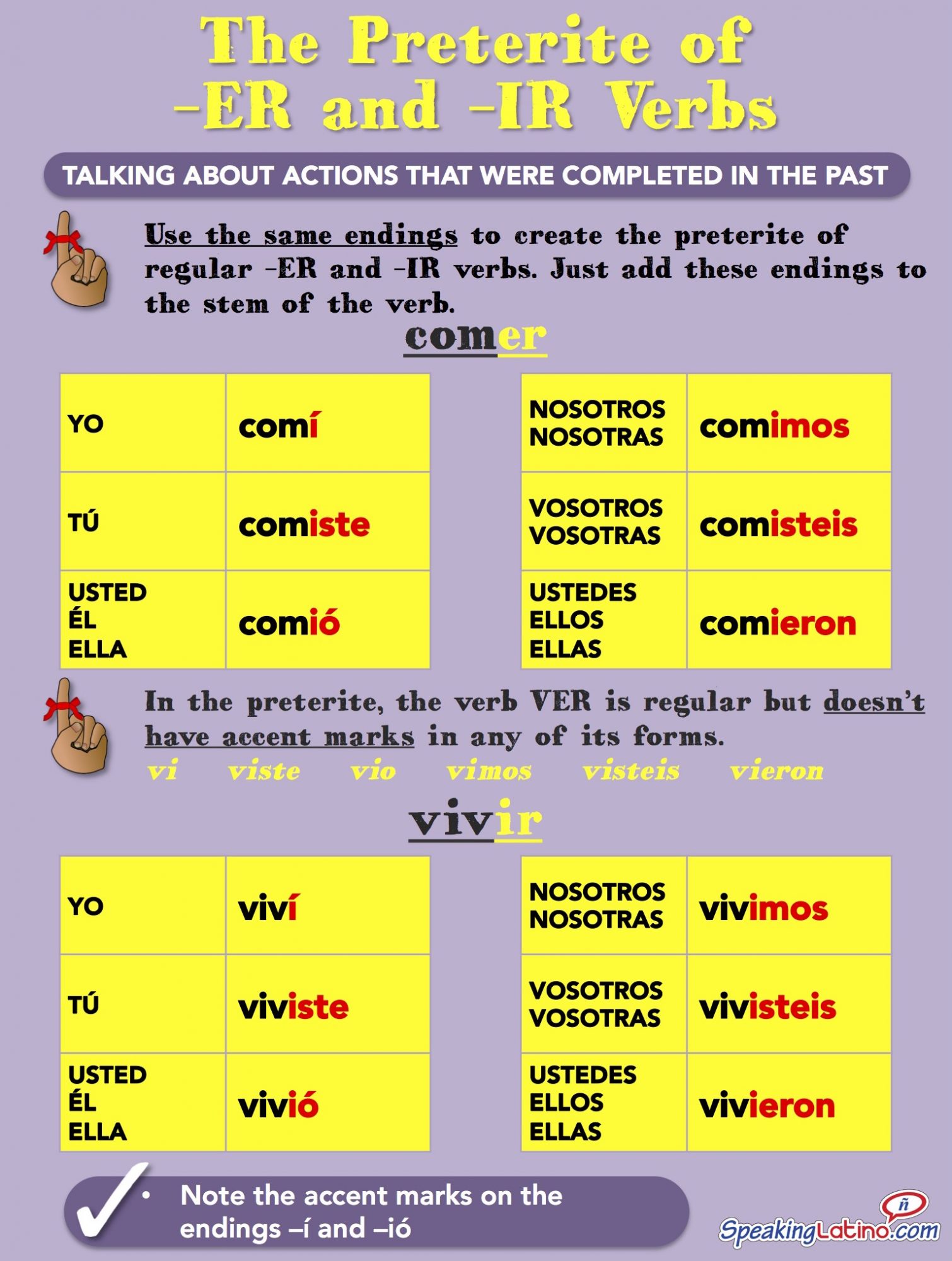
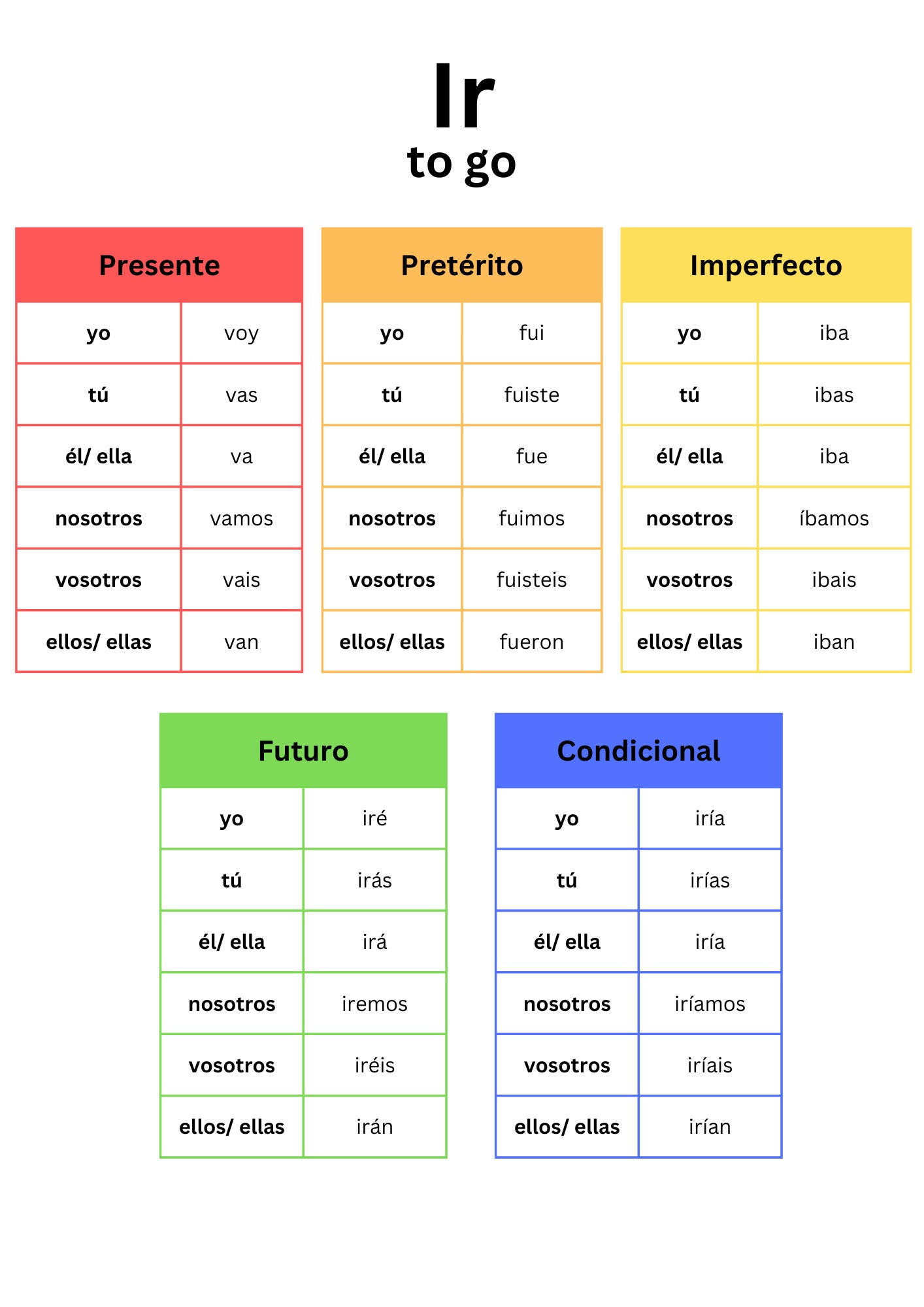
You've landed on this page, perhaps with a specific task in mind or a quick reference need. The ir verb chart is a handy tool, a concise visual guide, that can save you time and effort when navigating Spanish verb conjugations. It offers a structured overview, allowing you to find and understand verb forms efficiently, covering present, past, and future tenses. While the chart's layout and details may vary, its purpose remains consistent: to provide a reliable reference for regular verbs in Spanish.
Understanding the Ir Verb Chart: A Quick Overview
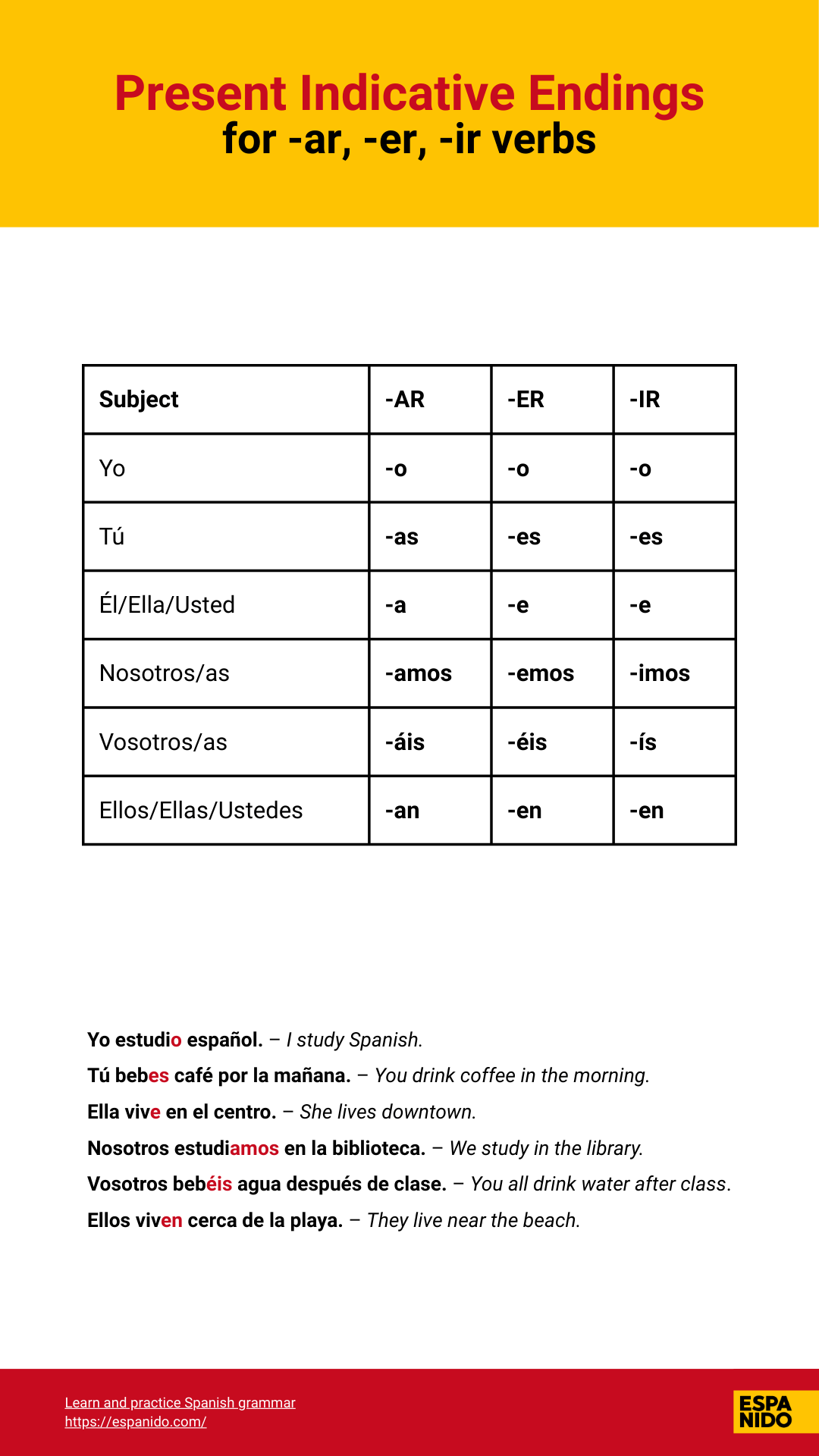
The ir verb chart is an invaluable tool for Spanish language learners, offering a comprehensive visual guide to the conjugation of regular verbs ending in 'ir'. It serves as a reference, providing a clear layout of verb forms across different tenses and persons. This chart is an essential resource for mastering Spanish grammar and ensuring accurate verb usage in various contexts.
Comparing Conjugation Patterns: Regular Verbs vs. Irregulars
While the ir verb chart focuses on regular verbs, it's important to note the existence of irregular verbs, which do not follow standard conjugation patterns. These verbs require separate memorization and are not represented on the chart. Regular verbs, on the other hand, adhere to consistent rules, making the ir verb chart a reliable guide for most verb forms.
Step-by-Step Guide: Using the Ir Verb Chart
To utilize the ir verb chart effectively, follow these steps:
- Identify the verb tense you wish to conjugate. The chart typically covers present, past, and future tenses, each with its section.
- Locate the verb ending you need to conjugate. For instance, if you want to conjugate 'mirar' (to look), find the 'ar' ending section.
- Within the chosen section, find the specific person (e.g., yo, tú, él/ella, nosotros/as) you wish to conjugate for.
- Read across to the appropriate tense column to find the conjugated form. For example, 'yo miro' (I look) in the present tense.
- Repeat this process for other tenses and persons as needed.
Avoiding Common Pitfalls: Misreading and Mistakes
One common mistake is misreading the chart, especially when unfamiliar with Spanish verb endings. Ensure you understand the verb ending and its corresponding section. Another pitfall is assuming all verbs follow the regular pattern. Always double-check for irregular verbs, especially common ones like 'ser' (to be) or 'ir' (to go).
Factors Affecting Accuracy: Regional Variations and Tenses
The accuracy of the ir verb chart can be influenced by regional variations in Spanish. While the chart provides a standard guide, some verbs may have slight differences in certain Spanish-speaking countries. Additionally, the chart primarily covers regular verbs, so it's essential to be aware of irregular verbs and their unique conjugations.
Choosing the Right Format: Adapting to Your Needs
There are various formats of the ir verb chart available, catering to different learning styles and preferences. Some charts are more detailed, covering all tenses and persons, while others focus on specific tenses or provide a simplified layout. Choose the format that best suits your learning goals and level of Spanish proficiency.
Maintaining Reliability: Keeping Your Reference Up-to-Date
To ensure the reliability of your ir verb chart, it's crucial to regularly update your reference materials. Spanish language resources, including verb charts, may evolve and improve over time. Stay informed about any updates or new editions of the chart to access the most accurate and comprehensive guide for your Spanish conjugation needs.
Well, that's a wrap on our exploration of the IR verb chart and its practical applications. We've covered a lot of ground, from understanding the chart's purpose to mastering its use and avoiding common pitfalls. Remember, the key to success lies in adapting the chart to your specific needs and keeping your reference materials up-to-date.
Before you go, it's worth emphasizing the importance of considering your unique context. Exact values and formats may vary, so double-check the standards and sources relevant to your situation. With that in mind, I hope this guide proves invaluable the next time you need a quick reference. Feel free to bookmark this page for future use!