The AIDS (Acquired Immunodeficiency Syndrome) life cycle, also known as the HIV (Human Immunodeficiency Virus) life cycle, is a complex process that involves several stages. Understanding these stages is crucial for developing effective treatments and prevention strategies. The life cycle of HIV can be divided into seven main stages: attachment, fusion, reverse transcription, integration, transcription, translation, and budding.
Stage 1: Attachment The first stage of the HIV life cycle is attachment, where the virus binds to the host cell through specific receptors. The virus uses its envelope proteins, particularly gp120, to attach to the CD4 receptor on the surface of immune cells, such as T-cells and macrophages. This attachment is a critical step in the infection process, as it allows the virus to gain entry into the host cell.
Stage 2: Fusion After attachment, the next stage is fusion, where the virus fuses with the host cell membrane. The envelope protein gp41 plays a key role in this process, as it helps to create a fusion pore that allows the virus to release its genetic material into the host cell. This stage is also known as the “uncoating” stage, as the virus sheds its outer envelope and releases its capsid protein.
Stage 3: Reverse Transcription The third stage of the HIV life cycle is reverse transcription, where the virus’s genetic material is converted into DNA. The virus uses an enzyme called reverse transcriptase to convert its RNA genome into a DNA copy, which can then be integrated into the host cell’s genome. This process is error-prone, which can lead to genetic mutations and the development of drug-resistant strains.
Stage 4: Integration The fourth stage of the HIV life cycle is integration, where the viral DNA is integrated into the host cell’s genome. The virus uses an enzyme called integrase to insert its DNA into the host cell’s DNA, allowing it to become a permanent part of the host cell’s genome. This integration is a critical step in the infection process, as it allows the virus to replicate and produce new viral particles.
Stage 5: Transcription The fifth stage of the HIV life cycle is transcription, where the viral DNA is transcribed into RNA. The host cell’s transcription machinery is hijacked by the virus to produce viral RNA, which can then be translated into proteins. This stage is a critical step in the replication process, as it allows the virus to produce new viral particles.
Stage 6: Translation The sixth stage of the HIV life cycle is translation, where the viral RNA is translated into proteins. The host cell’s translation machinery is used to produce viral proteins, which are then assembled into new viral particles. This stage is a critical step in the replication process, as it allows the virus to produce new infectious particles.
Stage 7: Budding The final stage of the HIV life cycle is budding, where new viral particles are released from the host cell. The virus uses its envelope proteins to bud from the host cell membrane, releasing new infectious particles into the bloodstream. This stage is a critical step in the infection process, as it allows the virus to spread to other cells and tissues.
The Impact of HIV on the Immune System
HIV infection has a profound impact on the immune system, particularly on CD4+ T-cells. The virus targets and destroys these cells, which are a critical component of the immune system. As the infection progresses, the number of CD4+ T-cells declines, leading to a weakened immune system.
Current Treatment Options
Current treatment options for HIV infection include antiretroviral therapy (ART), which involves a combination of drugs that target different stages of the HIV life cycle. These drugs can help to slow the progression of the disease, reduce the viral load, and improve the quality of life for people living with HIV.
Future Directions
Future directions in HIV research include the development of new therapies that can target specific stages of the life cycle, such as attachment and fusion. Researchers are also exploring new approaches to prevention, such as vaccines and microbicides.
What are the symptoms of HIV infection?
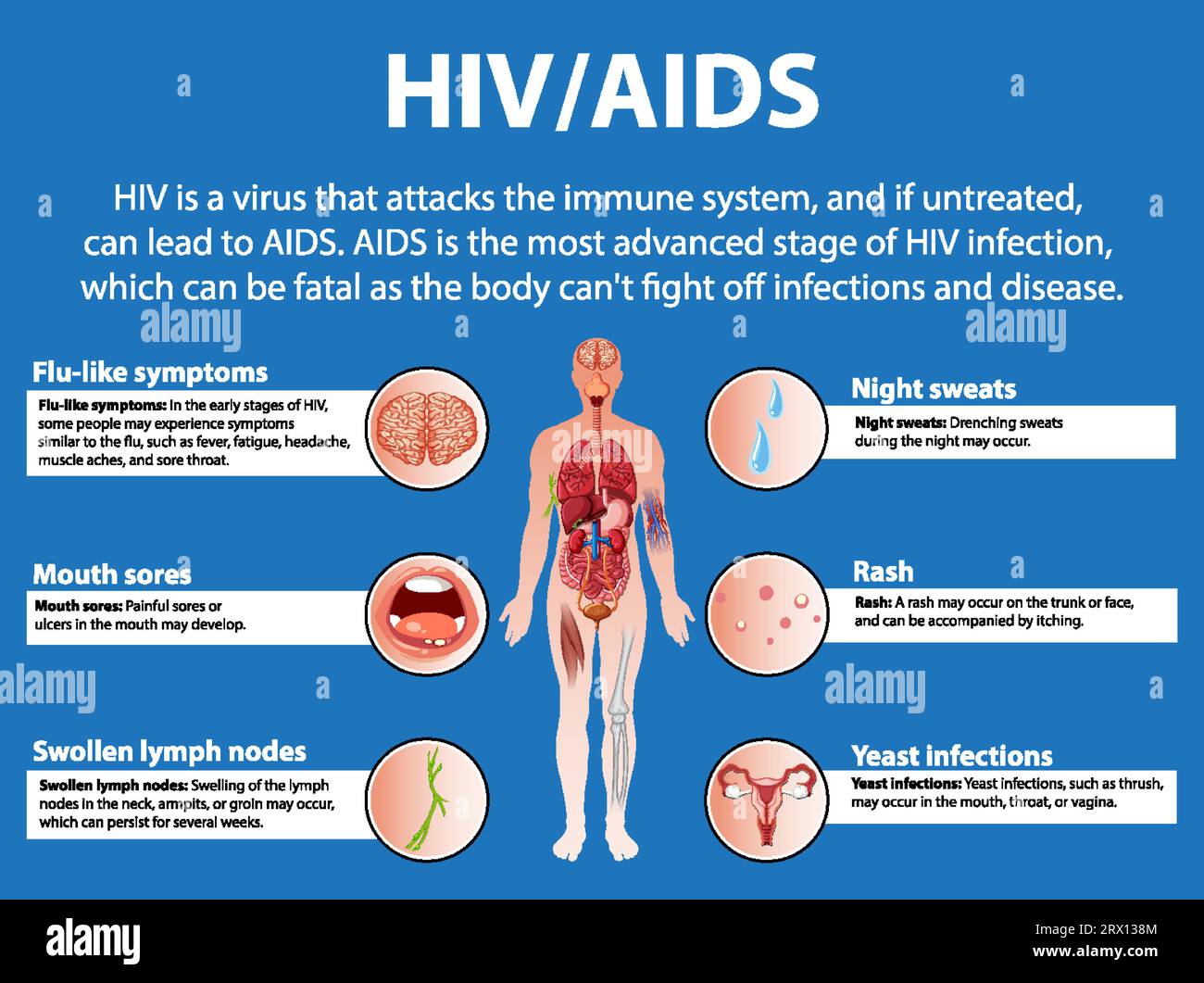
+The symptoms of HIV infection can vary, but may include flu-like symptoms, such as fever and fatigue, as well as swollen lymph nodes and skin rashes.
How is HIV transmitted?
+HIV is transmitted through bodily fluids, such as blood, semen, and vaginal fluids, and can be spread through sexual contact, sharing needles, and mother-to-child transmission during pregnancy and childbirth.
What is the current treatment for HIV infection?
+The current treatment for HIV infection is antiretroviral therapy (ART), which involves a combination of drugs that target different stages of the HIV life cycle.
In conclusion, understanding the HIV life cycle is crucial for developing effective treatments and prevention strategies. By targeting specific stages of the life cycle, researchers can develop new therapies that can block the infection process and prevent the spread of the disease. Current treatment options, such as antiretroviral therapy, can help to slow the progression of the disease, reduce the viral load, and improve the quality of life for people living with HIV. Future directions in HIV research include the development of new therapies and approaches to prevention, such as vaccines and microbicides.
Note: The information provided in this article is for educational purposes only and should not be used as a substitute for medical advice. If you have any concerns about HIV infection or any other medical condition, please consult a qualified healthcare professional.