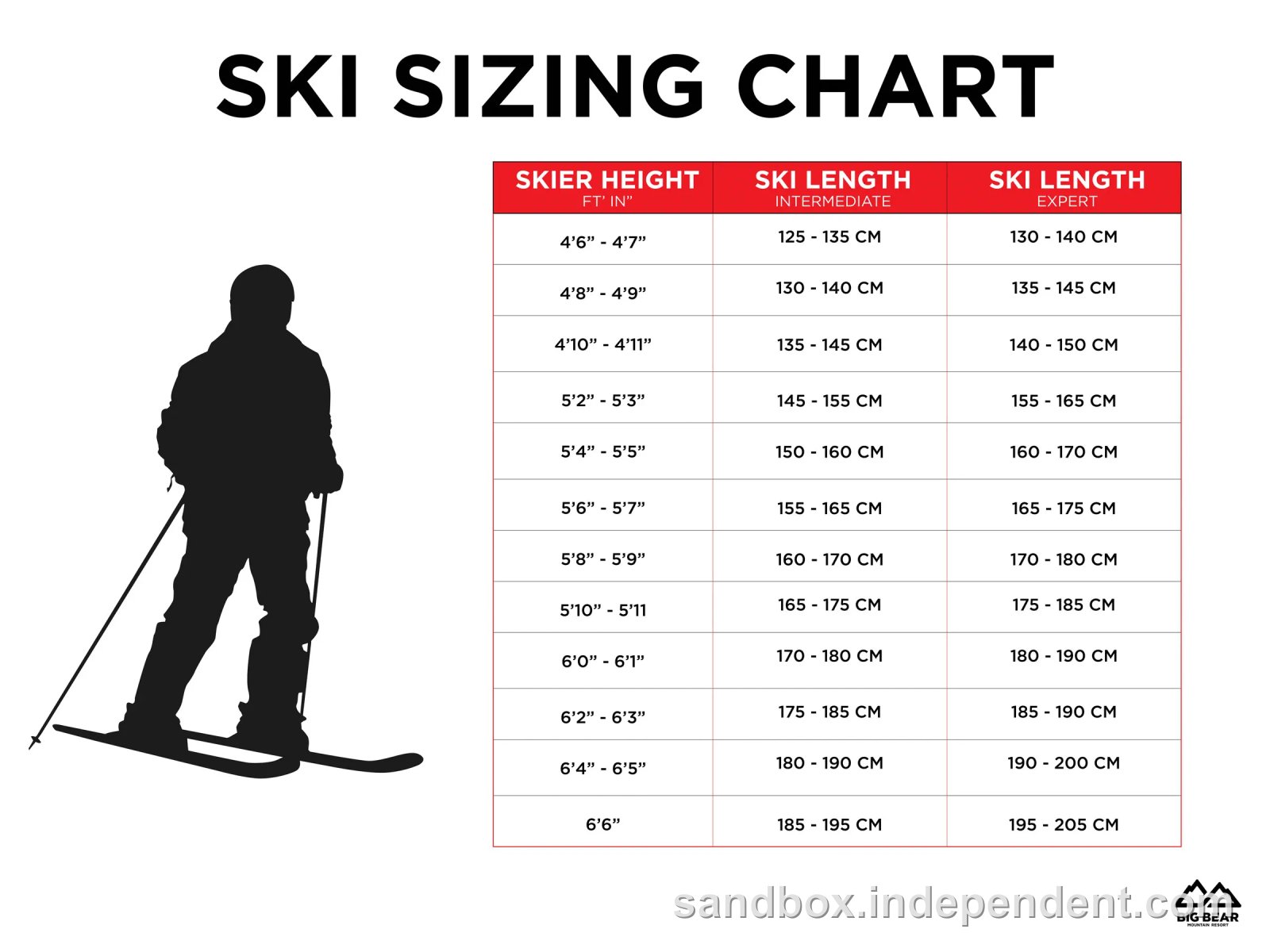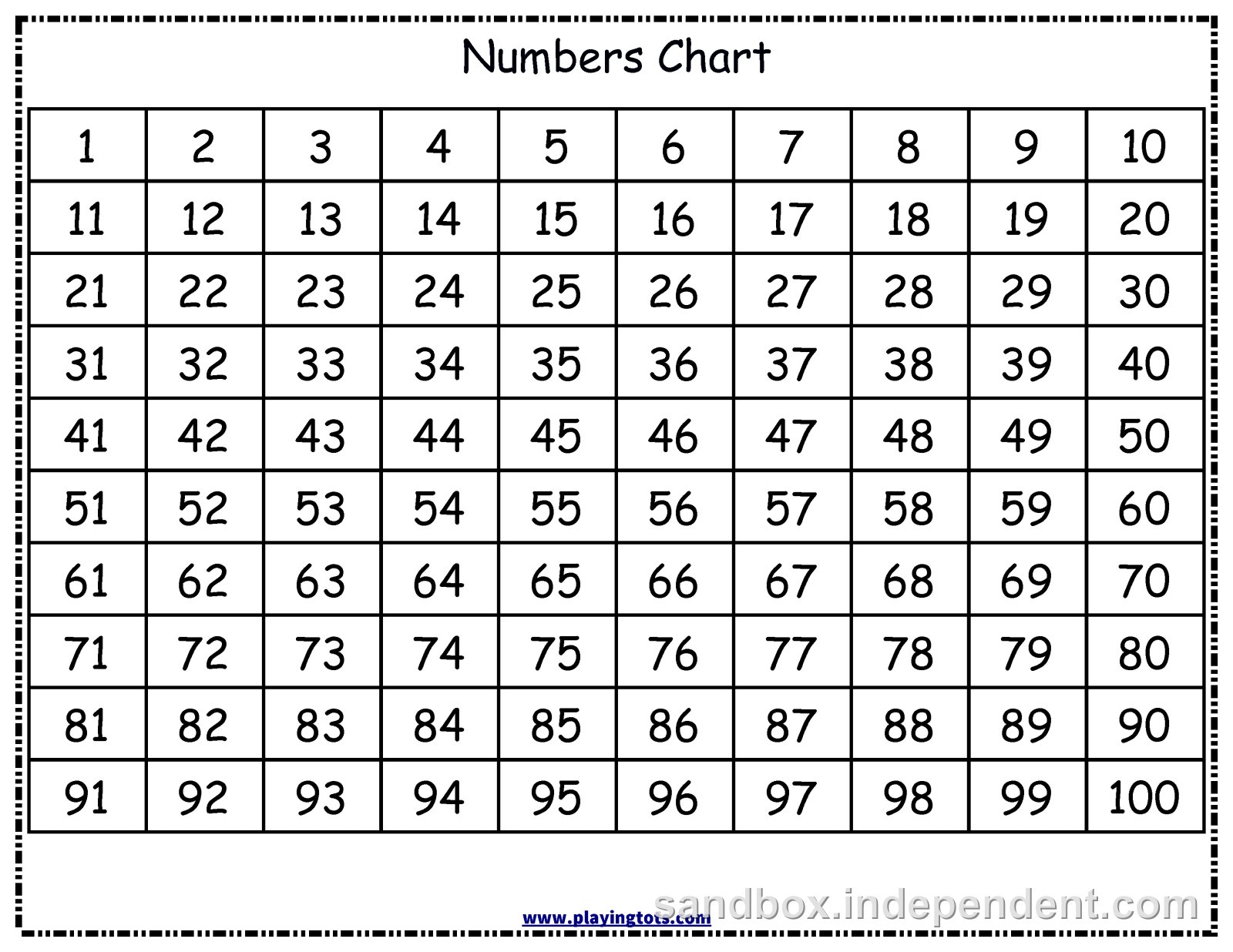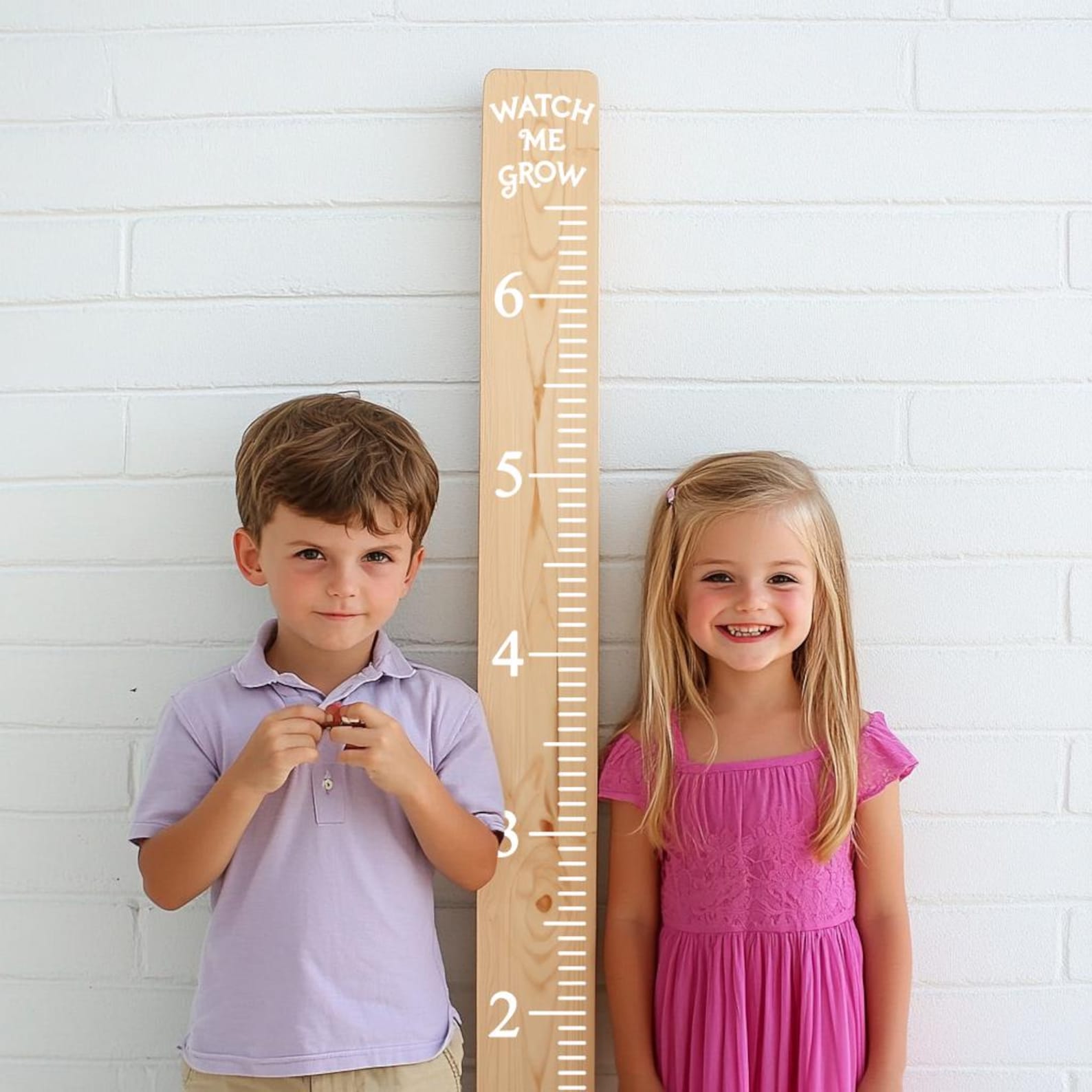


Alo Size Chart Easy Overview
You're probably here because you need a quick solution, right? Well, a door growth chart is an essential tool for anyone working with doors, offering a simple yet effective way to ensure accuracy. It's a handy reference, providing standard sizes and measurements, which is crucial when dealing with door installations or renovations. These charts can vary, offering different formats and values, but they all serve the same purpose: to make your life easier when it comes to door-related tasks.
The Door Growth Chart: A Practical Overview
The door growth chart is a handy tool for anyone dealing with door installations or renovations. It provides a visual reference for standard door sizes, helping you choose the right door dimensions for your space. This chart simplifies the process of selecting doors, ensuring a perfect fit and a professional finish.
Comparing Chart Formats and Standards
Door growth charts come in various formats, often tailored to specific regions and standards. The most common charts cover standard door sizes, typically ranging from 6 feet to 8 feet in height and 2 feet to 4 feet in width. These charts provide a quick reference for popular door dimensions, making it easy to find the right size for your project. However, it's important to note that door sizes can vary based on the standard being used, such as metric or imperial measurements. Always double-check the specific standard and its tolerances to ensure accuracy.
Step-by-Step Guide: Using the Door Growth Chart
Using a door growth chart is straightforward. First, identify the section of the chart that corresponds to your desired door height. Most charts will have height markers at regular intervals, making it simple to locate the right height. Next, move across the chart to find the width that suits your needs. The chart will typically display width options alongside the height markers. Once you've found the intersection of the desired height and width, you have your ideal door size! It's as easy as that.
Avoiding Misreadings and Common Pitfalls
While door growth charts are user-friendly, a few common mistakes can lead to inaccurate readings. Always ensure you're using the correct standard for your region or project. Mixing up metric and imperial measurements, for example, can result in significant errors. Additionally, be mindful of the chart's scale and ensure you're reading the height and width markers accurately. A slight misreading can lead to an ill-fitting door. If you're unsure, it's always best to double-check with a professional or refer to detailed specifications.
Factors Affecting Accuracy and Real-World Use
Several key factors can impact the accuracy and applicability of a door growth chart. These include:
- Regional Standards: Door sizes can vary significantly between countries and regions. Always check the relevant standards for your location.
- Metric and Imperial Conversions: Converting between metric and imperial measurements requires careful attention to ensure accuracy.
- Custom Sizes: While charts cover standard sizes, custom doors may be required for unique spaces. In such cases, the chart provides a starting point, but professional advice is essential.
- Growth Chart Template: Using a well-designed template ensures consistency and accuracy. Choose a reliable source for your chart to avoid potential issues.
- Door Type: Different door types, such as interior or exterior doors, may have specific size requirements. Ensure your chart covers the relevant door type for your project.
Hey there! We've covered a lot of ground on door growth charts, from understanding the basics to nailing the process and avoiding common pitfalls. Remember, while we've given you a solid framework, the exact details can vary slightly depending on your specific needs and the standards or sources you're working with.
Feel free to bookmark this page for future reference; it's a handy tool to have on hand when you need to measure and monitor growth accurately. And don't forget to check out our other guides for more practical tips and tricks!
Related: Find the Perfect Fit: Violin Size Chart Guide
You're likely here because you need a quick solution, and that's exactly what the violin size chart offers. It's a simple yet effective tool, providing an at-a-glance guide to violin sizing. Whether you're a parent seeking the right violin for your child or a musician looking for a new instrument, this chart is your reliable companion.
While it may seem straightforward, there are a few things to note. Sizing can vary slightly depending on the brand and region, so it's always good to cross-reference. The chart includes standard violin dimensions, but it's always wise to check specific violin measurements too.
Understanding Violin Size Charts
Violin size charts are your guide to choosing the perfect-sized violin, especially for beginners and kids. These charts provide a clear, visual reference to help you match your body size to the ideal violin dimensions. It's an essential tool to ensure comfort, playability, and a positive learning experience.
Key Details and Categories
A violin size chart typically includes two main categories: body length and violin size. Body length refers to the measurement from your neck to the palm of your hand when your arm is extended. This measurement helps determine the appropriate violin size. Violin sizes are usually given as fractions, such as 1/8, 1/4, 1/2, and so on, indicating the instrument's overall length. These fractional sizes are especially useful for children, as they grow and progress in their violin journey.
How to Read and Apply the Chart
Using a violin size chart is straightforward. First, measure your body length as described earlier. Then, locate your measurement on the chart's body length scale. The chart will guide you to the corresponding violin size, ensuring a comfortable fit. For example, if your body length measurement falls within the range for a 1/4 violin, that's the size you should choose. It's as simple as that!
- Measure your body length.
- Find your measurement on the chart.
- Follow the chart's guidance to the recommended violin size.
- Select the violin with the indicated size.
Variations and Differences
While violin size charts provide a great starting point, it's important to note that individual preferences and playing styles can influence the ideal violin size. Some players may prefer a slightly larger or smaller violin for comfort or sound reasons. Additionally, the type of music played and the player's physical attributes can also impact the choice. It's always a good idea to consult with a violin teacher or specialist to fine-tune your selection.
Common Mistakes and How to Avoid Them
One common mistake is relying solely on age to determine violin size. While age can be a rough guide, it's not an accurate indicator of body size or playing ability. Always measure your body length and use the violin size chart as the primary reference. Another mistake is assuming all charts are the same. Different charts may use varying units or have slight differences in recommendations. Always double-check the chart's units and compare it to a trusted source or expert advice. Lastly, don't rush the process. Taking the time to choose the right violin size will ensure a comfortable and enjoyable playing experience.
Hey there! I hope this violin size chart has been helpful and easy to understand. Remember, while we've covered the basics, exact details can differ slightly, so always double-check your sources.
This guide is a handy reference, but we've got plenty more where that came from! Feel free to explore our other practical guides; we've got something for everyone. And when you need a quick reminder, just bookmark this page for future use. Happy violin adventures!
Related: Aritzia Size Chart: Your Easy Reference Guide
An Aritzia size chart is your go-to resource for navigating the brand's sizing with ease. This guide will show you how to use it effectively, ensuring you find the perfect fit for your favorite Aritzia pieces. From understanding the measurements to knowing the brand's unique sizing system, we'll cover it all.
Understanding the Ariztia Size Chart: Your Guide to Perfect Fit
The aritzia size chart is your go-to tool for finding the right fit in Ariztia clothing. It's a simple yet effective way to ensure you get the perfect size every time. This chart provides a clear overview of the brand's size range and helps you understand your ideal measurements.
Comparing Size Standards: US vs. International
Ariztia's size chart follows the standard US sizing system, which is commonly used in North America. However, it's important to note that clothing measurements can vary slightly between brands and regions. If you're used to international sizing, you may find a slight difference in the fit. The chart offers a size conversion guide to help you navigate these variations.
How to Use the Ariztia Size Chart: A Step-by-Step Guide
Measure yourself accurately: Take your measurements using a measuring tape. Focus on the key areas: bust, waist, and hips. These measurements are crucial for finding the right size.
Refer to the size chart: Locate your measurements on the chart. The chart provides a range of sizes, typically from XS to XXL. Find the size that aligns with your bust, waist, and hip measurements.
Consider the style: Different clothing styles may have varying fits. Some styles may run smaller or larger, so pay attention to the aritzia fit guide notes on the chart. These notes provide valuable insights into how a particular style fits and can help you make an informed choice.
Double-check the size: If you're between sizes, it's always a good idea to go up a size. Ariztia's clothing tends to fit true to size, but it's better to err on the side of comfort. Trust your measurements and the chart to guide you towards the perfect fit.
Common Misreadings and How to Avoid Them
One common pitfall is assuming that all brands follow the same sizing standards. While Ariztia's size chart is reliable, it's essential to remember that clothing measurements can vary. Always refer to the specific brand's size guide to avoid any surprises.
Additionally, pay attention to the style of the clothing. Some styles, like tailored dresses or skinny jeans, may have a different fit than you expect. The aritzia size chart provides helpful notes to guide you, but it's always a good idea to read the product description for any specific fit details.
By following these simple steps and being mindful of potential variations, you'll master the art of using the aritzia size chart to achieve a perfect fit every time you shop with Ariztia.
Well, there you have it! A handy guide to navigating the Ariztia size chart with ease. Remember, while the basics remain the same, there might be slight variations depending on the specific item and its unique fit.
Feel free to explore other guides on our site for more practical tips and tricks. We've got you covered with simple, straightforward advice to make your shopping experience a breeze!