





Alphabet Coloring Book Printable Overview
You're here, searching for that handy ASL alphabet chart, probably needing a quick refresh or a reliable reference. It's a simple yet powerful tool, this chart, a visual guide to the American Sign Language alphabet, offering a clear way to learn and use fingerspelling. Whether you're a beginner or just need a quick reminder, these charts are a handy resource, and they can vary slightly depending on where you find them.
The ASL Alphabet Chart: A Visual Guide
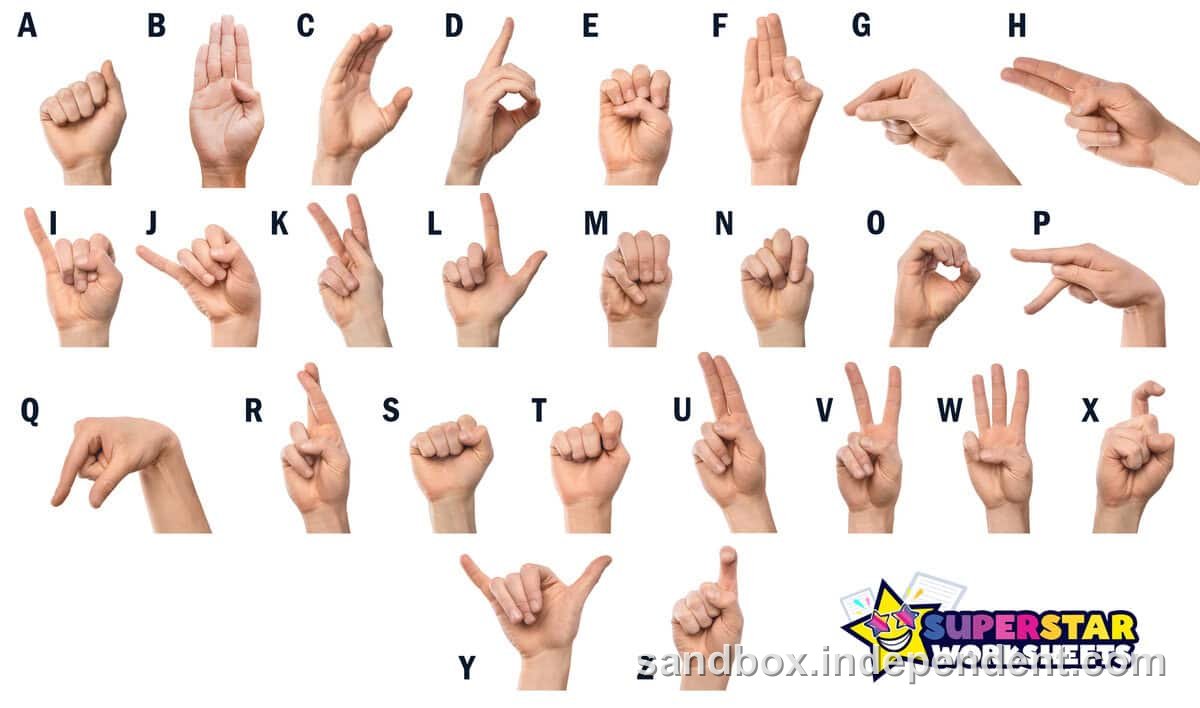
The ASL alphabet chart is a handy tool for anyone learning American Sign Language or wanting to communicate with the deaf community. It's a simple yet powerful reference, showing you the manual alphabet—the foundation of ASL fingerspelling.
Key Details: Understanding the Chart
The ASL alphabet chart displays the 26 letters of the English alphabet, each represented by a unique handshape and movement. These handshapes, or hand signs, are the building blocks of ASL fingerspelling. The chart usually includes clear images or illustrations of each letter, making it easy to visualize and remember.
Reading and Using the Chart: Step-by-Step
Here's how to make the most of your ASL alphabet chart:
- Start with the basics: Begin by familiarizing yourself with the handshapes for each letter. Practice forming these shapes with your dominant hand.
- Pay attention to movement: In ASL fingerspelling, letters are not only about the handshape but also the movement. Some letters involve a quick flick or twist, so observe the direction and speed indicated on the chart.
- Practice regularly: Repetition is key. Use the chart to guide your practice, spelling out words and names. Over time, the movements will become more natural.
- Learn common variations: While the ASL alphabet chart provides a standard, there are some common variations. For example, the letter "S" is often signed with a slight twist, and the letter "Z" may have a more exaggerated movement.
- Apply in context: The chart is a great starting point, but ASL fingerspelling is best learned in real-life conversations. Practice with a friend or join a sign language class to improve your skills.
Common Variations and Why They Happen
While the ASL alphabet chart offers a standard, variations can occur due to regional differences and individual styles. Here are some factors that may cause variations:
- Regional dialects: Just like spoken languages, ASL can have regional variations. Different areas may have slightly different handshapes or movements for certain letters.
- Individual expression: ASL is a visual language, and like any language, personal style can influence how signs are formed. Some signers may add a unique twist to certain letters.
- Context and fluency: As you become more fluent in ASL, you'll notice that fingerspelling often becomes more efficient and natural. This may lead to slight variations in speed or movement.
Avoiding Common Mistakes
To ensure accurate communication, here are some tips to avoid common mistakes when using the ASL alphabet chart:
- Don't rush: Take your time when learning and practicing. ASL fingerspelling is about clarity, so ensure your movements are precise and distinct.
- Practice consistency: Consistency is key. Try to maintain the same handshape and movement for each letter, even if you see variations in other signers.
- Seek feedback: If possible, practice with a fluent ASL user or a teacher. They can provide valuable feedback on your technique and help you refine your skills.
- Stay updated: ASL is an evolving language, so stay informed about any updates or changes to the manual alphabet. Regularly review your ASL alphabet chart to ensure you're using the most current version.
Hey there, I hope this guide has been a helpful reference for you! Remember, the ASL alphabet chart is a handy tool, and while the basics are the same, you might find slight variations in different contexts.
Don't stress over the small differences; just focus on the overall signs and their meanings. If you need a quick refresh on any language-related topics, feel free to explore our other guides too!
Related: Construction Jobs Helena MT Essential Guide
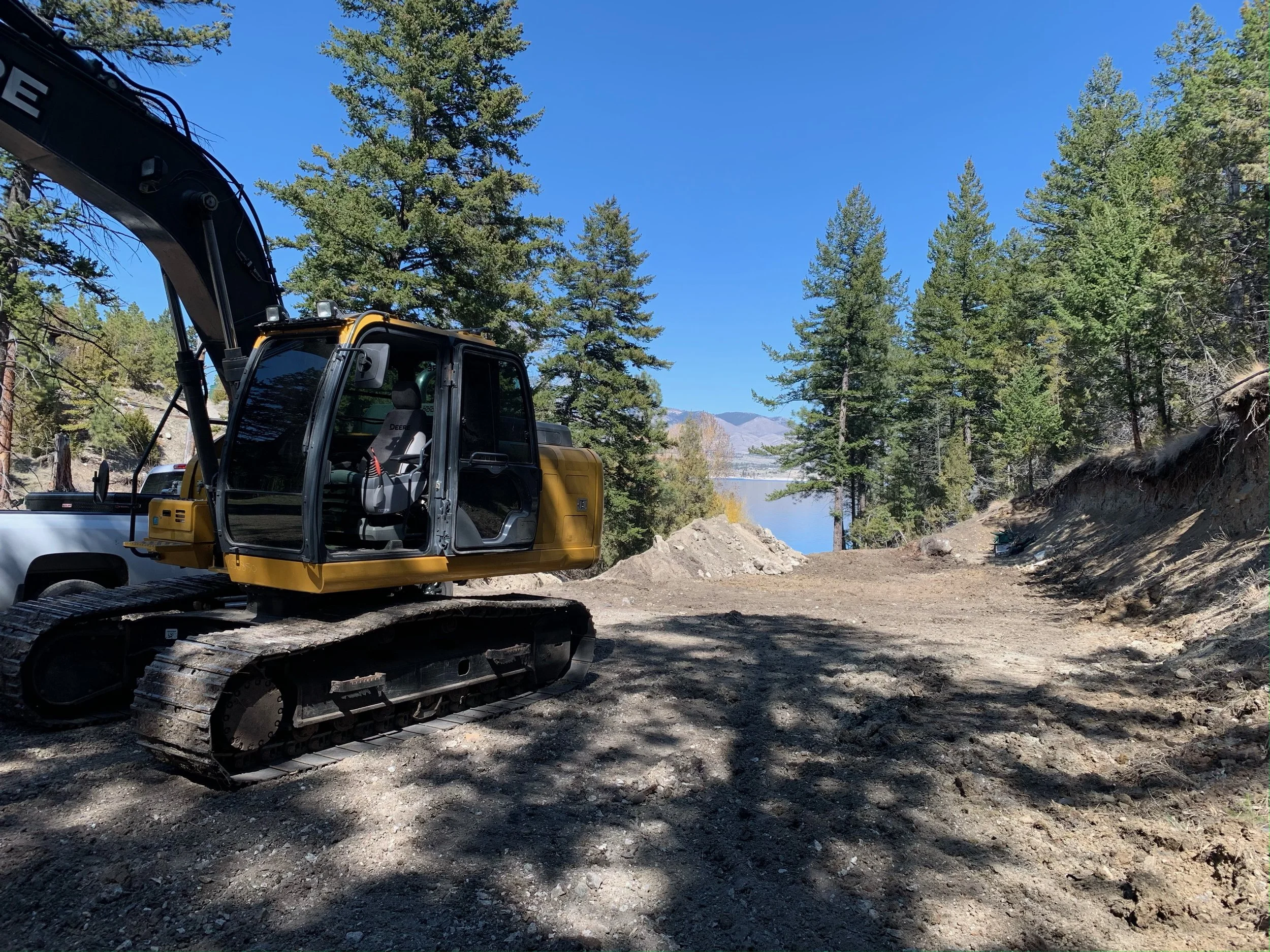
I was walking around Helena, MT, the other day, and it struck me how many construction sites there are. Construction jobs Helena MT are clearly in demand, and it got me thinking about all the opportunities and challenges in this industry. So, let's explore what's going on in the world of construction and building in this beautiful city.
Building a Career in Construction
Construction jobs Helena MT offer a range of opportunities for those interested in the industry. From general contractors to specialized tradespeople, there's a role for many skill sets. Whether you're an experienced builder or new to the field, there are paths to consider.
For those looking to start a business, the construction industry provides an exciting avenue. With the right skills and a solid business plan, you can establish your own company, offering services like home remodeling or new builds. It's a competitive market, but with the right approach, you can find your niche.
Finding the Right Contractor
When it comes to hiring a contractor for your building project, it's crucial to do your research. Check their credentials, ask for references, and ensure they have the necessary licenses and insurance. A good contractor will provide a detailed quote, outlining the scope of work and any potential additional costs.
Compare quotes from multiple contractors to ensure you're getting a fair deal. Don't just go for the cheapest option; consider the quality of work and the contractor's reputation. It's a balance between finding a competitive price and ensuring the job is done right.
Naming Your Construction Business
Choosing a name for your construction business is an important step. It needs to be memorable, reflect your services, and stand out in a crowded market. Avoid generic names and opt for something unique that will stick in people's minds.
Here are a few name ideas to get you started:
- Mountain Peak Builders
- Helena Home Remodelers
- Big Sky Construction Co.
- Northern Lights Builders
- Rock Solid Renovations
Remember to check name availability and secure the right domain and local registrations before finalizing your business name.
Industry Tools and Data
The construction industry relies on various tools and data to operate efficiently. One such tool is RSMeans, a cost database that provides accurate estimates for construction projects. It's a valuable resource for contractors and builders, helping them plan and manage costs effectively.
Construction cost indexes are another essential tool, providing insights into the current market and helping contractors and clients understand the financial landscape. These indexes consider factors like labor, materials, and location, offering a comprehensive view of construction costs.
Large vs. Small Firms
The construction industry is diverse, with a range of company sizes. Large firms often have the resources to take on bigger projects and may offer a wider range of services. They can provide stability and a broader skill set.
However, small firms can offer a more personalized service and may be more flexible in their approach. They often have a strong local presence and can provide a more tailored experience. It's a matter of finding the right fit for your needs and preferences.
So, whether you're looking for a career in construction, hiring a contractor, or starting your own business, construction jobs Helena MT offer a wealth of opportunities. It's an exciting industry with a lot to offer, and with the right approach, you can find success and satisfaction.
Related: Find Your Perfect Fit: The Wig Length Chart
Many people struggle with understanding wig length charts, often assuming they are complex and intimidating. But fear not, they are actually a simple and handy tool!
The wig length chart is your friend, providing a clear visual guide to help you choose the right wig length. It's a straightforward reference, offering a quick solution to ensure you get the perfect fit and style. While the values might vary slightly, the chart's purpose remains the same: to make your wig journey an easy and enjoyable one!
Wig Length Chart: Unlocking the Perfect Fit
Wig length charts are your secret weapon to finding the ideal wig. These charts provide a visual guide to help you understand and choose the right wig length based on your preferences and head shape. It's like having a personal stylist at your fingertips!
Key Details and Categories
The wig length chart typically displays different wig lengths, often categorized into short, medium, and long. These categories are further divided into sub-lengths, offering a more precise selection. You'll find measurements in inches or centimeters, depending on the standard used. For instance, a short wig might range from 8 to 14 inches, while a long wig could go beyond 20 inches.
Reading and Applying the Chart
Using the wig length chart is simple:
- Identify your preferred wig length. Are you aiming for a chic bob or a flowing, Rapunzel-inspired look?
- Check the chart for the corresponding category. Short, medium, or long?
- Within each category, find the specific length that matches your vision.
- If you're between sizes, consider your face shape and personal style. A little adjustment can make a big difference!
Variations and Differences
It's important to note that wig length charts may vary slightly across different manufacturers and standards. Some brands might offer more detailed sub-lengths, while others keep it simple. Additionally, the chart's categories and measurements can differ between human hair wigs and synthetic ones. Always double-check the specific chart for the wig you're interested in to ensure an accurate fit.
Common Mistakes to Avoid
A common pitfall is relying solely on the chart without considering your head size and shape. Remember, wig lengths are just one aspect; the overall fit is crucial. Another mistake is ignoring the hair density and style. Thicker hair might require a slightly larger wig cap for comfort. Always measure your head accurately and refer to a wig cap size chart for guidance.
Practical Tips for Accurate Results
To ensure the best fit, measure your head circumference at the widest point, usually just above the ears. This measurement will help you choose the right wig cap size. When trying on wigs, adjust the straps or combs for a comfortable, secure fit. If you're between sizes, consider going up a size for a more relaxed feel.
Double-Checking and Edge Cases
While the wig length chart is a valuable tool, it's not an exact science. Individual head shapes and preferences can vary greatly. If you're unsure, consult a professional stylist or wig expert. They can provide personalized advice and help you find the perfect wig length and style to complement your features.
In conclusion, the wig length chart is a fantastic resource for finding your ideal wig. By understanding the categories, reading the chart accurately, and considering your unique features, you'll be well on your way to a confident and comfortable wig experience. Happy wig hunting!
Well, there you have it! A handy wig length chart that will be your go-to resource for all things wig-related. Remember, while this chart provides a great starting point, it's always wise to double-check the specific requirements or standards relevant to your project or context.
Consider bookmarking this page for future reference; it's a simple yet effective tool that will save you time and effort. Happy wig adventures!