





Amy From Sonic Coloring Pages Overview
I've got a friend who's been talking about work from home construction jobs a lot lately. It's an interesting concept, and I was curious to learn more, so I did some digging. Here's what I found.
What's the Deal with Work from Home Construction Jobs?
Work from home construction jobs might sound like an oxymoron, but it's a real thing! These jobs are all about managing construction projects remotely, which is a pretty cool way to stay involved in the industry without being on-site all the time. It's perfect for folks who want a more flexible work arrangement or who are based in a different location from the actual construction site.
So, how does it work? Well, these jobs often involve coordinating with teams, managing budgets, and ensuring projects stay on track. You might be working with architects, engineers, and other professionals to bring a building or renovation project to life. It's a great option for experienced construction managers or those with a background in project management.
Hiring and Pricing: What to Know
When it comes to hiring a contractor or company for your construction project, there are a few key things to consider. First, check their qualifications and experience. Make sure they have the right licenses and insurance, and ask for references from past clients. It's also a good idea to get multiple quotes to compare pricing. Remember, the cheapest option might not always be the best, so consider the value and quality of the work, too.
Pricing for construction projects can vary widely. It depends on factors like the size and complexity of the job, the materials used, and the local labor costs. You might also need to factor in permits and other regulatory costs. Getting detailed quotes from contractors will help you understand the breakdown of costs and make an informed decision.
Naming Your Construction Business
If you're thinking of starting your own work from home construction jobs business, choosing the right name is important. A good name should be memorable, unique, and reflect your brand. It might include a play on words or a reference to your specialty. Here are a few ideas to get you started:
- Remote Build Co.
- Virtual Construction Crew
- HomeBase Builders
- Off-Site Solutions
- Construct-a-Vision
Remember to check the availability of your chosen name and secure the domain and local registration before you get too attached!
Jobs and Opportunities
There are various roles within the work from home construction jobs field. You might find opportunities as a project manager, estimator, or even a remote construction administrator. These jobs are often advertised on general job boards, but it's also worth checking industry-specific platforms and networking within the construction community.
Salaries can vary depending on your role, experience, and the size of the company you work for. It's a competitive industry, so highlighting your skills and experience is key to negotiating a good salary.
Industry Tools and Resources
The construction industry has some great resources to help with work from home construction jobs. Tools like RSMeans provide cost databases and escalation data, which are essential for accurate estimating and budgeting. These tools are used by professionals to ensure projects stay on track financially.
There are also plenty of online communities and forums where you can connect with other professionals in the industry. These platforms are great for staying updated on industry trends and best practices, and they can be a valuable source of support and advice.
Large vs. Small Companies
When it comes to work from home construction jobs, you'll find opportunities in both large and small companies. Larger firms often have more complex projects and a wider range of services, which can offer more variety in your work. They might also have more established remote work policies and infrastructure.
Smaller companies, on the other hand, can provide a more personal and flexible work environment. You might have more direct involvement in projects and the opportunity to wear multiple hats. It really depends on your preferences and what you're looking for in a work arrangement.
So, there you have it! Work from home construction jobs are a real and viable option for those in the construction industry. It offers flexibility and the chance to manage projects remotely. If you're considering this path, do your research, connect with professionals, and don't be afraid to reach out and ask questions.
Related: Find Your Perfect Puma Size: A Quick Guide
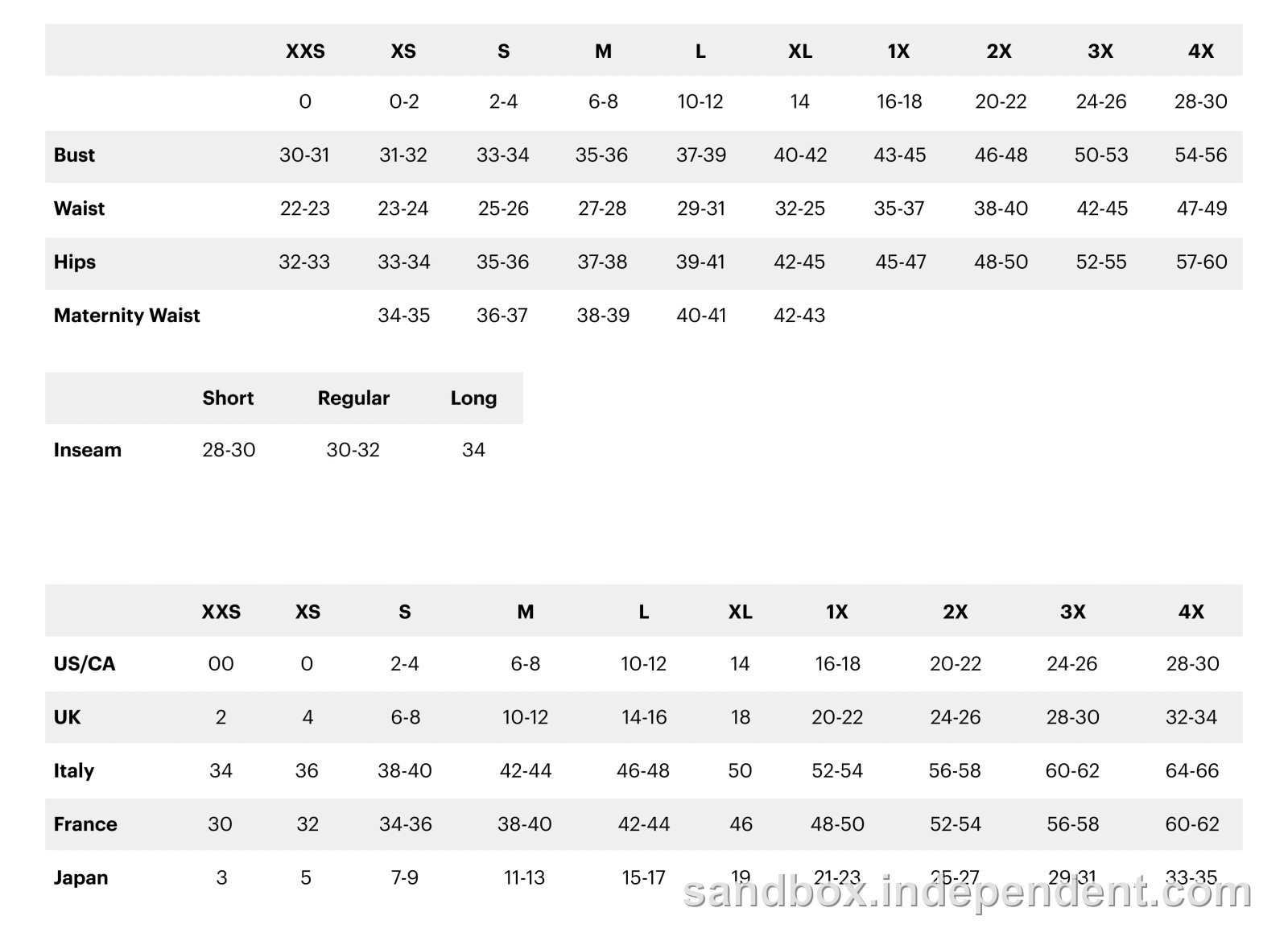
A common pitfall when using a Puma size chart is assuming that one standard size fits all. This is a mistake many of us have made, and it's an easy trap to fall into, especially with the variety of sizing systems out there. The Puma size chart, a simple yet essential tool, offers a reliable guide to ensure you find the perfect fit for your Puma gear. It's a quick reference, but one that can make a big difference in your comfort and confidence.
Understanding the Puma Size Chart: Your Guide to Perfect Fit
The Puma size chart is a valuable tool for anyone looking to purchase Puma footwear or apparel. It provides a clear and concise guide to help you find your ideal size, ensuring a comfortable and well-fitted product. This chart is designed to offer a standardized sizing system, making it easier for customers to navigate Puma's range.
Comparing Size Standards: International vs. US
Puma size charts typically follow two main standards: the international or metric system and the US sizing system. These charts provide conversions between the two, ensuring a seamless shopping experience for customers worldwide. The international system uses centimeters (cm) for length measurements, while the US system relies on numerical sizes.
Step-by-Step Guide to Using the Puma Size Chart
To accurately use the Puma size chart, follow these simple steps:
Identify the type of product you wish to purchase. Puma's size charts cater to various items, including shoes, clothing, and accessories.
Locate the specific size chart for your chosen product. Puma provides separate charts for men's, women's, and kids' sizes, ensuring an accurate fit for all.
Measure your body or feet, depending on the product. For shoes, measure your foot length accurately, ensuring you stand up straight and measure both feet, as sizes may vary slightly.
Refer to the size chart and find your measurement. The chart will provide a range of sizes with corresponding measurements. Choose the size that aligns with your measurement, ensuring a comfortable fit.
Consider any additional fit preferences. Puma's size charts offer guidance on whether a particular style runs small, large, or true to size. This information helps you make an informed decision.
Common Misreadings and How to Avoid Them
While the Puma size chart is straightforward, a few common misreadings can occur:
Shoe size variations: Shoe sizes can vary slightly between brands, so always refer to Puma's specific chart. Don't assume your usual size will fit perfectly.
Clothing size differences: Clothing sizes can be influenced by various factors, such as style, fabric, and fit preferences. Puma's size guide offers helpful tips to ensure an accurate fit.
Kids' sizes: Children's growth can be rapid, so regular measurements are essential. Puma's kids' size chart provides age and height ranges to help you choose the right size.
Remember, while the Puma size chart is a valuable tool, it's always a good idea to double-check specific product details and customer reviews for any unique sizing considerations.
While every effort has been made to ensure the accuracy of this guide, it's important to note that exact details can differ slightly depending on the specific product or brand you're dealing with. Puma's size charts are a great starting point, but always double-check with the manufacturer's guidelines for the most precise fit.
Remember, this is a handy reference, so feel free to bookmark this page for future use. It's a quick and easy way to ensure you're getting the right size, and it's always good to have these practical guides on hand. For more helpful tips and tricks, be sure to explore our other guides too!
Related: A Simple Guide to the Snot Color Chart
You're probably here because you're curious about the snot color chart or need a quick reminder of what those colors mean. It's a simple yet effective tool, a reference guide to help us understand the story our nasal discharge is telling. Think of it as a visual key to unlocking the secrets of your snot!
The chart is a handy resource, offering a quick way to check and interpret the colors and textures of your mucus. While the specific details might vary slightly depending on where you are in the world, the basic principles remain the same, and they're worth knowing.
A Quick Guide to the Mucus Color Chart
The snot color chart is a handy reference tool that can help you understand what your nasal discharge is telling you. It's a simple visual guide, often presented as a table or diagram, that shows the different colors of mucus and what they might indicate about your health. This chart is a great way to quickly assess any changes in your mucus and take appropriate action.
Comparing the Chart's Standards and Categories
The snot color chart typically follows a standard color-coding system, making it easy to interpret. The colors are usually represented as shades or a range of hues, with each color category having its own distinct meaning. For example, you might see a spectrum from light yellow to dark green, with each shade indicating a different level of severity or cause.
How to Use the Snot Color Chart: A Step-by-Step Guide
First, identify the dominant color of your mucus. Is it clear, white, yellow, green, brown, or even black? Each color has its own implications.
Next, refer to the chart. It will provide a detailed explanation of what each color could mean. For instance, clear mucus often indicates good health, while yellow or green might suggest an infection.
Remember, the chart is a guide, and the context matters. Consider other symptoms you might be experiencing alongside the change in mucus color. This will help you get a more accurate understanding of your health status.
Avoiding Misreadings and Pitfalls
While the snot color chart is a useful tool, it's important to be aware of potential misreadings. Colors can sometimes appear differently due to lighting or other environmental factors. Always trust your judgment and seek further advice if you're unsure. Additionally, remember that the chart provides a general guide; individual experiences may vary, and other symptoms should be considered.
Factors Affecting Accuracy and Real-World Use
The accuracy of the snot color chart can be influenced by various factors. For example, the consistency and texture of your mucus can provide additional clues. Thicker, stickier mucus might indicate different issues compared to runny, watery discharge. Additionally, your diet and hydration levels can affect mucus color and consistency. Always consider these factors when interpreting the chart and trust your instincts. If in doubt, consult a healthcare professional for a more detailed assessment.
Hey there, fellow snot color chart enthusiasts! We've covered a lot of ground, and I hope this guide has given you a clear and practical understanding of this topic. Remember, while the basics remain the same, the exact details might shift a bit based on your specific needs and the standards you follow.
So, the next time you find yourself in a snot-related conundrum, feel free to bookmark this page for a quick and easy reference. It's always good to have these tools at hand, and you never know when they might come in handy!