



Anissa Invincible R34 Overview
A new era size chart is your go-to tool for finding the perfect fit for your headgear. This guide will show you how to navigate and utilize these charts effectively, ensuring you get the right size every time.
Whether you're after a classic new era hat or a trendy cap, understanding the size chart is key. It's a simple process, but one that can vary slightly depending on the style and brand. We'll cover the basics and some tips to ensure you're confident in your measurements.
Understanding the New Era Size Chart
The new era size chart is your go-to guide for finding the perfect fit when it comes to New Era hats and caps. This chart is designed to help you determine your ideal size, ensuring a comfortable and stylish headwear experience.
Key Details and Categories
Before diving into the chart, let's break down some essential information. The new era size chart typically uses a numerical system, ranging from 6 3/4 to 8, with increments of 1/4. These numbers represent the head circumference measurements in inches. So, if you have a head circumference of 22 inches, you'd be looking at a size 7. It's a simple and straightforward system!
How to Read and Apply the Chart: A Step-by-Step Guide
- Measure your head circumference. This is the most crucial step for an accurate fit. Wrap a flexible tape measure around your head, just above your ears and eyebrows. Ensure the tape is not too tight or too loose.
- Refer to the new era size chart. Locate your measured head circumference on the chart. The chart will provide you with the corresponding hat size.
- Choose your style. New Era offers various hat styles, including the iconic era 59 fit and the adjustable fifty caps. Select the style that suits your preference and occasion.
- Try it on! Once you've received your hat, give it a test run. A well-fitted hat should sit comfortably on your head, not too tight or too loose. It should stay put without slipping or feeling restrictive.
Size Variations: Why They Happen
It's important to note that head circumference measurements can vary slightly due to factors like hair volume, hairstyle, and personal preference. Additionally, standard hat sizing may differ slightly between regions and manufacturers. Some brands might offer a slightly different sizing system, so always double-check the specific new era size chart for the most accurate fit.
Common Mistakes and How to Avoid Them
- Measuring inaccurately: Ensure you measure your head circumference correctly. A slight error can lead to an ill-fitting hat. Take your time and be precise.
- Assuming sizes are universal: While new era size chart is a great guide, it's not a one-size-fits-all solution. Different hat styles and brands may have slight variations, so always refer to the specific size chart for the style you're interested in.
- Neglecting personal preference: Comfort and style are subjective. Consider your personal comfort level and the intended use of the hat. If you prefer a looser fit, go for a slightly larger size, and vice versa.
- Overlooking adjustments: Some New Era hats, like the fifty adjustable caps, offer a range of sizes within a single hat. These adjustments provide flexibility, so make sure to utilize them for the perfect fit.
Well, there you have it! A size chart that's a handy tool for anyone navigating the world of sizing. It's a simple guide, but one that can save you time and ensure a perfect fit.
Remember, while this chart offers a great starting point, exact values can vary, so always check your specific needs. It's a good idea to bookmark this page for future reference; you never know when you'll need a quick sizing solution!
Related: French Door Installation Cost Easy Guide
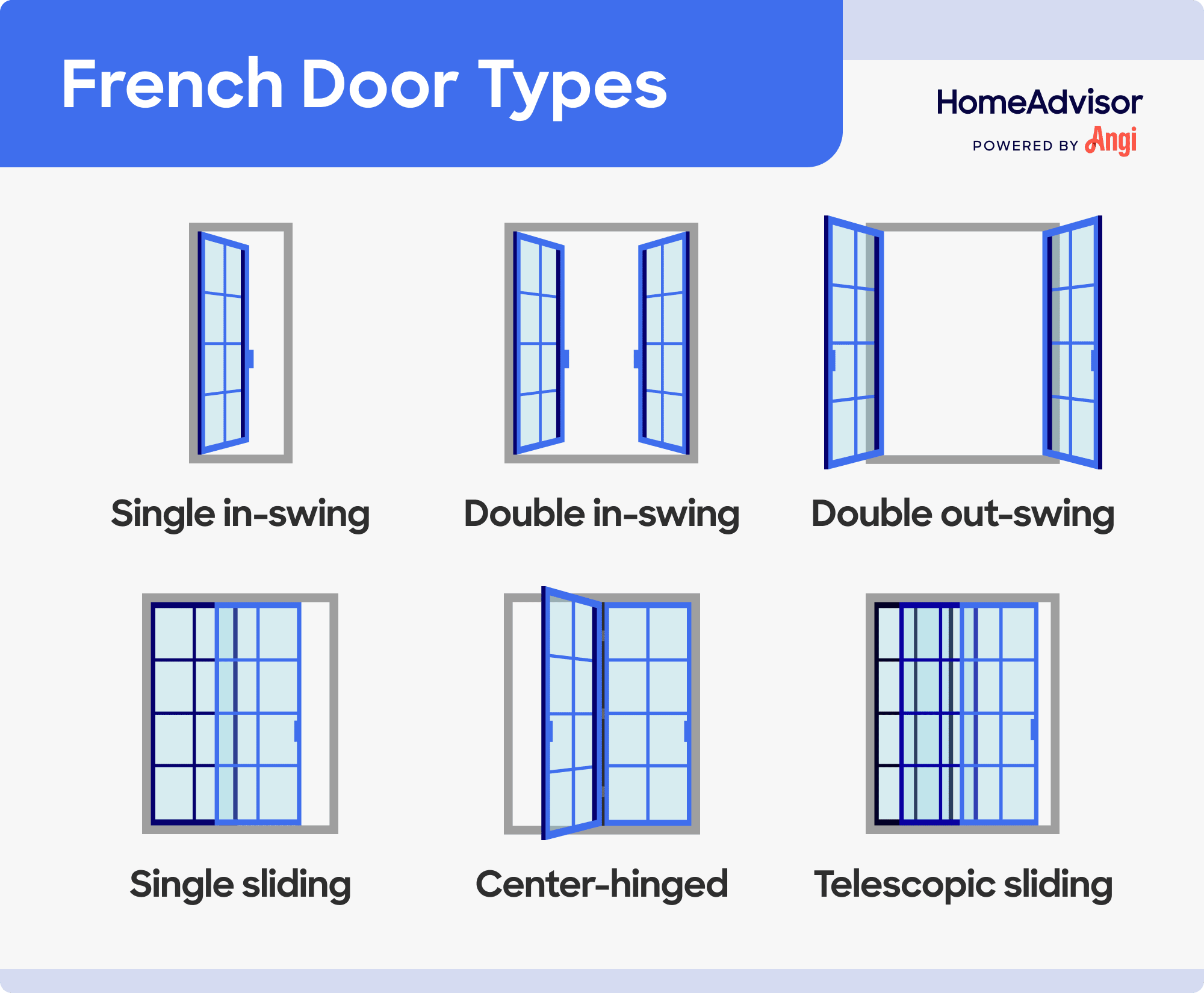
I was browsing home improvement ideas online when I stumbled upon the phrase "french door installation cost." It got me thinking about how much it would cost to install those elegant, wide-opening doors in my own home. So, I decided to do some research and share my findings with fellow homeowners.
Understanding French Door Installation Costs
When it comes to installing French doors, there are a few key factors that can influence the overall cost. Firstly, the size and style of the doors themselves play a significant role. French doors come in various materials, including wood, fiberglass, and vinyl, each with its own price range. The size of the opening and the number of doors you need will also impact the final cost.
Another major factor is the labor involved. Installing French doors requires skilled labor, and the complexity of the job can vary. If the installation is straightforward, with no major structural changes needed, the labor costs will likely be lower. However, if additional work is required, such as modifying the door frame or making adjustments to the surrounding walls, the labor costs will increase accordingly.
Getting Quotes and Comparing Prices
To get an accurate idea of the french door installation cost, it's essential to obtain quotes from multiple contractors or remodeling companies. When requesting quotes, be sure to provide detailed information about your project, including the size and style of doors you want, the current state of your door frame, and any specific requirements or preferences you have.
When comparing quotes, look beyond the bottom line. Consider the reputation and experience of the companies, their warranties and guarantees, and the level of detail provided in their quotes. A comprehensive quote should include a breakdown of costs, covering materials, labor, and any additional expenses like permits or disposal fees.
Choosing a Contractor or Company
Selecting the right contractor or company for your French door installation is crucial. Here are a few tips to help you make an informed decision:
- Check their credentials and licensing. Ensure they are properly licensed and insured for the work they will be performing.
- Ask for references and read online reviews. Previous customers' experiences can provide valuable insights.
- Inquire about their experience with French door installations. Ask to see examples of their work and how they handle potential issues or challenges.
- Get a clear understanding of their warranty and guarantee policies. This will give you peace of mind in case any issues arise after the installation.
Company Names and Naming Ideas
When it comes to naming a construction or remodeling business, simplicity and clarity are often best. A name should reflect the services offered and be easy to remember. Here are a few original name ideas for construction companies:
- BuildCraft
- HomeCrafters
- Structure Solutions
- Renovate & Revive
- DoorWay Innovations
- Framing Future
Remember to check the availability of the name, domain, and local registration before finalizing your choice.
Wrapping Up
Understanding the factors that influence french door installation cost and taking the time to research and compare quotes will help you make an informed decision. Whether you're looking to enhance your home's curb appeal or improve functionality, French doors can be a beautiful addition. So, take that first step, gather some quotes, and start planning your home improvement project!
Related: Unravel the Ductwork CFM Chart Mystery
A ductwork cfm chart is a handy tool for anyone needing a quick reference on airflow and duct sizing. This guide will cover the basics, showing you how to read and utilize these charts effectively.
The charts provide a simple way to ensure your ductwork is correctly sized and efficient. They offer standard values, but it's worth noting that specific details can vary depending on local standards and your unique project requirements.
Understanding the Ductwork CFM Chart
A ductwork CFM chart is a valuable tool for anyone working with HVAC systems or designing ventilation networks. It provides a quick reference for determining the airflow capacity of different duct sizes and configurations. This chart is a handy guide to ensure your system's efficiency and performance.
Key Details and Units
The ductwork CFM chart typically displays two main categories: duct sizes and their corresponding CFM (Cubic Feet per Minute) ratings. Duct sizes are often given in inches or as a diameter, and the CFM rating indicates the volume of air that can pass through the duct per minute. It's essential to note that these charts are usually based on specific standards, such as the American Society of Heating, Refrigerating, and Air-Conditioning Engineers (ASHRAE) guidelines.
Reading and Applying the Chart
Here's a step-by-step guide on how to use the ductwork CFM chart:
- Identify the duct size you are working with. This could be the diameter or a specific size code.
- Locate the corresponding CFM rating on the chart. The rating will tell you the maximum airflow capacity for that duct size.
- Ensure you are using the correct standard. Different regions and organizations may have slightly varying charts, so double-check to avoid errors.
- If needed, convert the CFM rating to other units like liters per second or m³/h using conversion factors.
- Apply this information to your system design or troubleshooting. For instance, you can calculate the total airflow required for a space and then select the appropriate duct sizes based on the chart.
Variations and Differences
While ductwork CFM charts are incredibly useful, it's important to understand that variations can occur due to several factors:
- Different standards and organizations may have slight variations in their charts. Always refer to the relevant standard for your project.
- The chart's accuracy assumes ideal conditions. Real-world factors like duct friction, bends, and fittings can affect actual airflow.
- The chart might not cover every possible duct size or configuration. In such cases, you may need to interpolate values or consult more specialized charts.
- Duct sizing guides and air flow rate charts can provide additional context and help you make informed decisions.
Remember, the ductwork CFM chart is a practical tool, but it's essential to consider the specific context and potential variations to ensure accurate system design and performance.
Hey there, ductwork enthusiasts! We hope this guide has given you a clear understanding of the ductwork CFM chart and its practical applications. Remember, while the basics remain consistent, the exact details can vary slightly depending on the specific context and standards you're working with.
Feel free to explore our other guides for more insights into the fascinating world of HVAC and its many components. We've got plenty of resources to keep you informed and inspired!