






Anna Coloring Page Frozen Overview
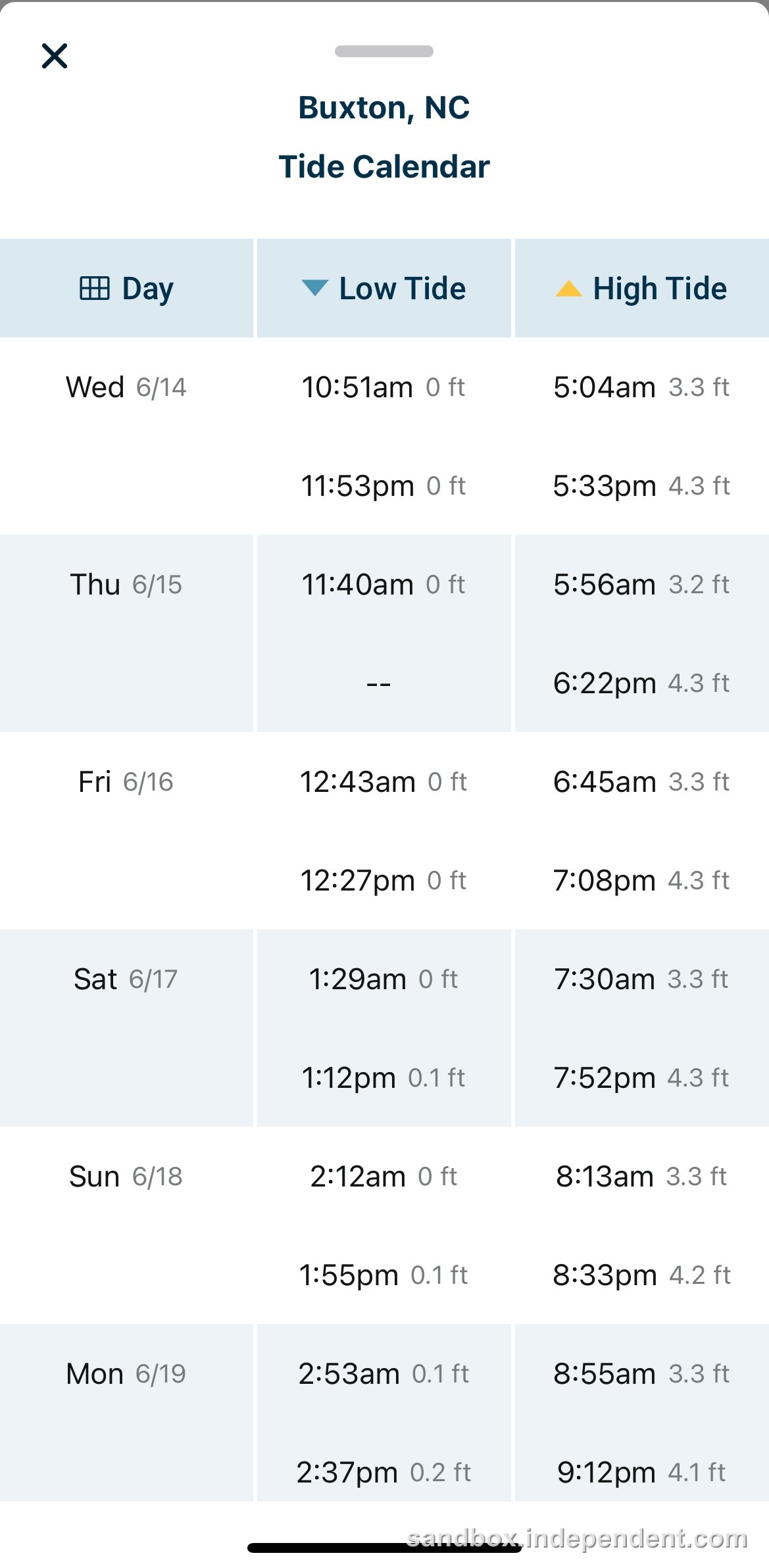
You're probably here because you need a quick answer or some guidance on using the Edmonds tide chart. It's a handy tool for anyone wanting to know the tide times, and it's especially useful for those in the Pacific Northwest, like Washington State. The chart provides a simple visual representation of tidal variations, giving you an overview of current sea levels and when the tides will be high or low. It's a practical reference, and while the format and specific values may vary, it's a reliable way to plan your day by the sea.
A Quick Overview of the Edmonds Tide Chart
The Edmonds tide chart is your go-to guide for understanding and predicting tide levels in the beautiful waters of Edmonds, Washington. This chart provides a visual representation of the daily tidal movements, offering a practical tool for anyone interested in exploring the Pacific Northwest tides.
Comparing Tide Chart Formats
Tide charts come in various formats, but the Edmonds tide chart typically follows a standard format. It presents a graphical representation of tide heights over a 24-hour period, with each hour marked along the x-axis and tide height indicated on the y-axis. The chart uses a simple line graph, making it easy to read and interpret.
How to Read and Use the Edmonds Tide Chart
To use the Edmonds tide chart effectively, follow these steps:
- Identify the date and time of your planned activity.
- Locate the corresponding time on the chart's x-axis.
- Read the tide height at that time by following the line graph vertically to the y-axis.
- Note the tide height, which is typically measured in feet or meters, depending on the chart's standard.
- Plan your activities accordingly, considering the tide's impact on your chosen location.
For example, if you're planning a kayaking trip, you'll want to time your outing to coincide with higher tides for a more enjoyable and safer experience.
Common Misreadings and How to Avoid Them
It's important to note that the Edmonds tide chart provides an estimate and may not account for all variables. Here are some common misreadings and how to avoid them:
Tide Heights: The chart represents average tide heights, so actual water levels may vary slightly. Always consider the chart as a guide and be prepared for minor fluctuations.
Time Zones: Ensure you're using the correct time zone when reading the chart. Edmonds is in the Pacific Time Zone, so double-check your local time conversion if needed.
Seasonal Variations: Tidal variations can be influenced by seasonal changes. The chart provides a general representation, but for precise planning, especially during extreme seasons like winter, consider checking additional resources for more detailed information.
Factors Affecting Accuracy
Several factors can impact the accuracy of the Edmonds tide chart:
Weather Conditions: Extreme weather events like storms or strong winds can cause significant tidal variations. Always check local weather forecasts and be prepared for unexpected changes.
Moon Phases: The moon's gravitational pull influences tides. During full or new moon phases, tides tend to be more extreme, so plan accordingly.
Location Specifics: While the Edmonds tide chart provides a good overview, it's a general representation. For precise planning at specific locations, consider using more detailed resources or consulting local experts.
Choosing the Right Format for Your Needs
The Edmonds tide chart is a versatile tool, but its format may not suit every user's needs. If you require more detailed information or have specific requirements, consider the following alternatives:
Digital Tide Apps: Many smartphone apps provide real-time tide times and heights, often with additional features like weather forecasts and GPS-based location tracking.
Tide Tables: For a more comprehensive and detailed overview, tide tables offer precise information for specific locations, often covering a longer time frame.
Local Resources: Consult local marinas, fishing charters, or coastal authorities for their recommendations and resources tailored to your specific area of interest.
Remember, while the Edmonds tide chart is a valuable tool, it's always wise to cross-reference with other resources and stay updated on local conditions for a safe and enjoyable experience on the water.
Hey there, I hope this guide has given you a clear understanding of the Edmonds Tide Chart and its practical uses. Remember, while the basics remain the same, there might be slight variations in the details depending on your specific needs and the source you're using.
Feel free to explore our other guides for more insights and practical tips. We've got a whole range of topics covered, so you can dive deeper into any area that piques your interest. Happy reading, and stay curious!
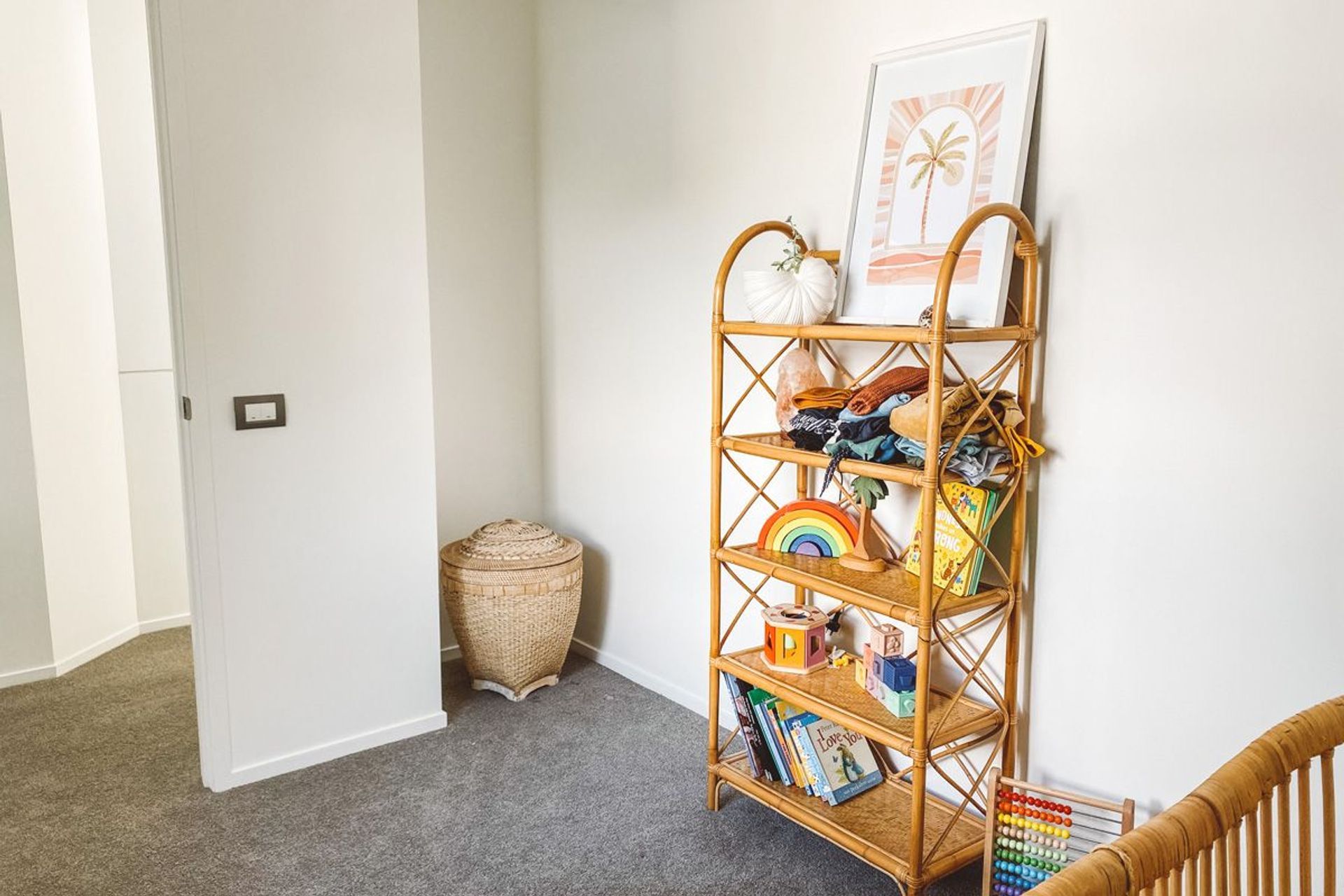
Related: Nursery Renovation Cost Essential Guide
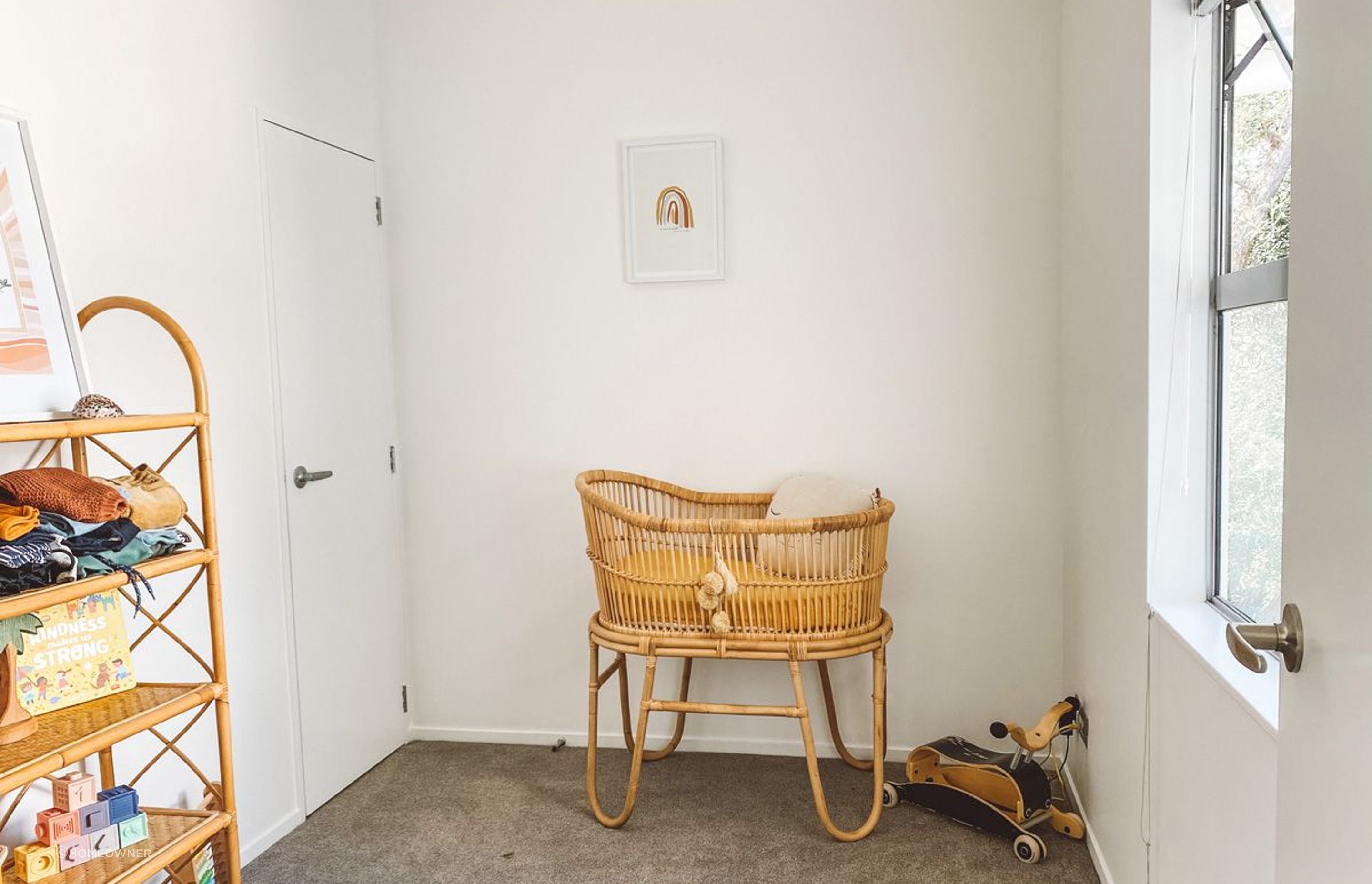
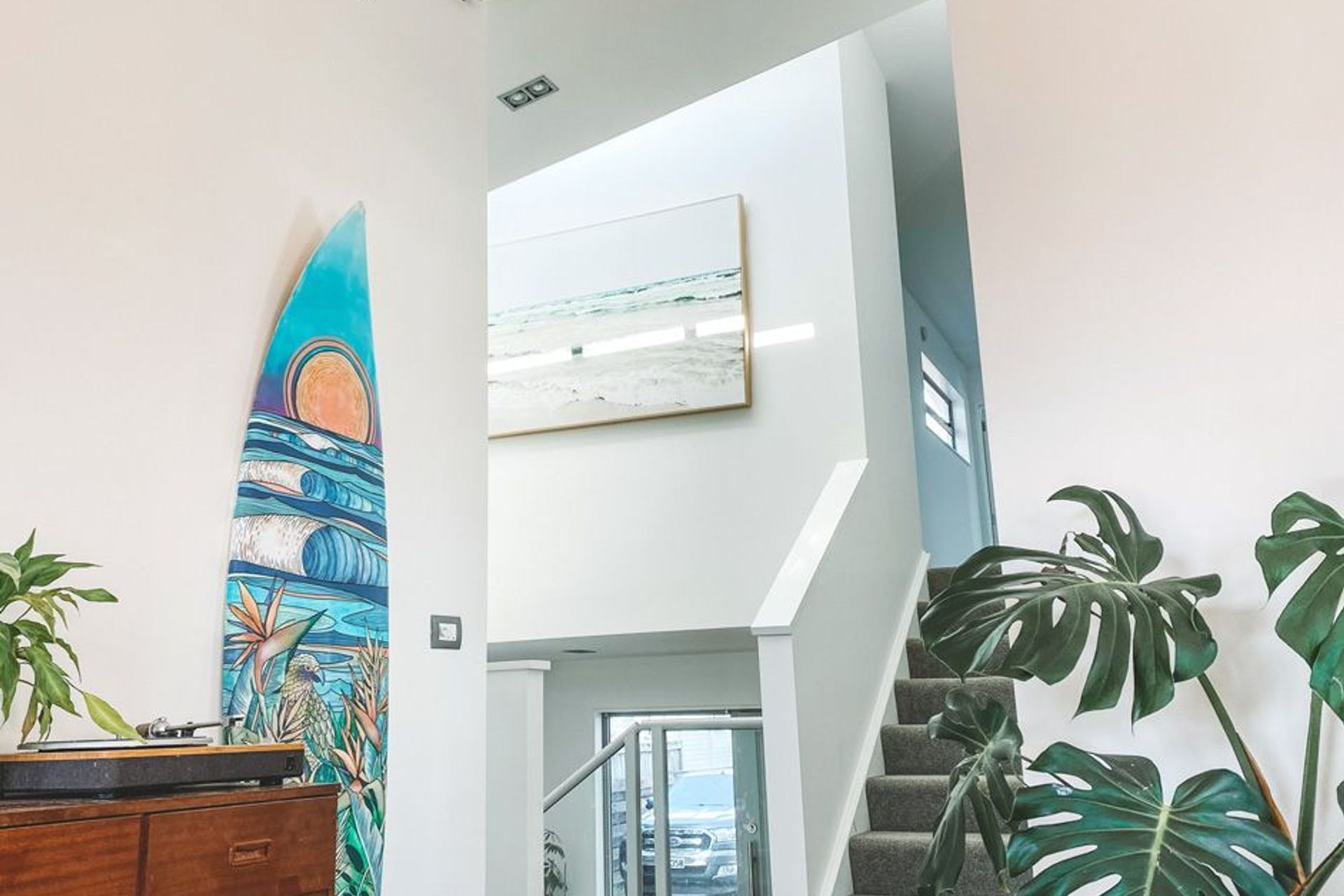
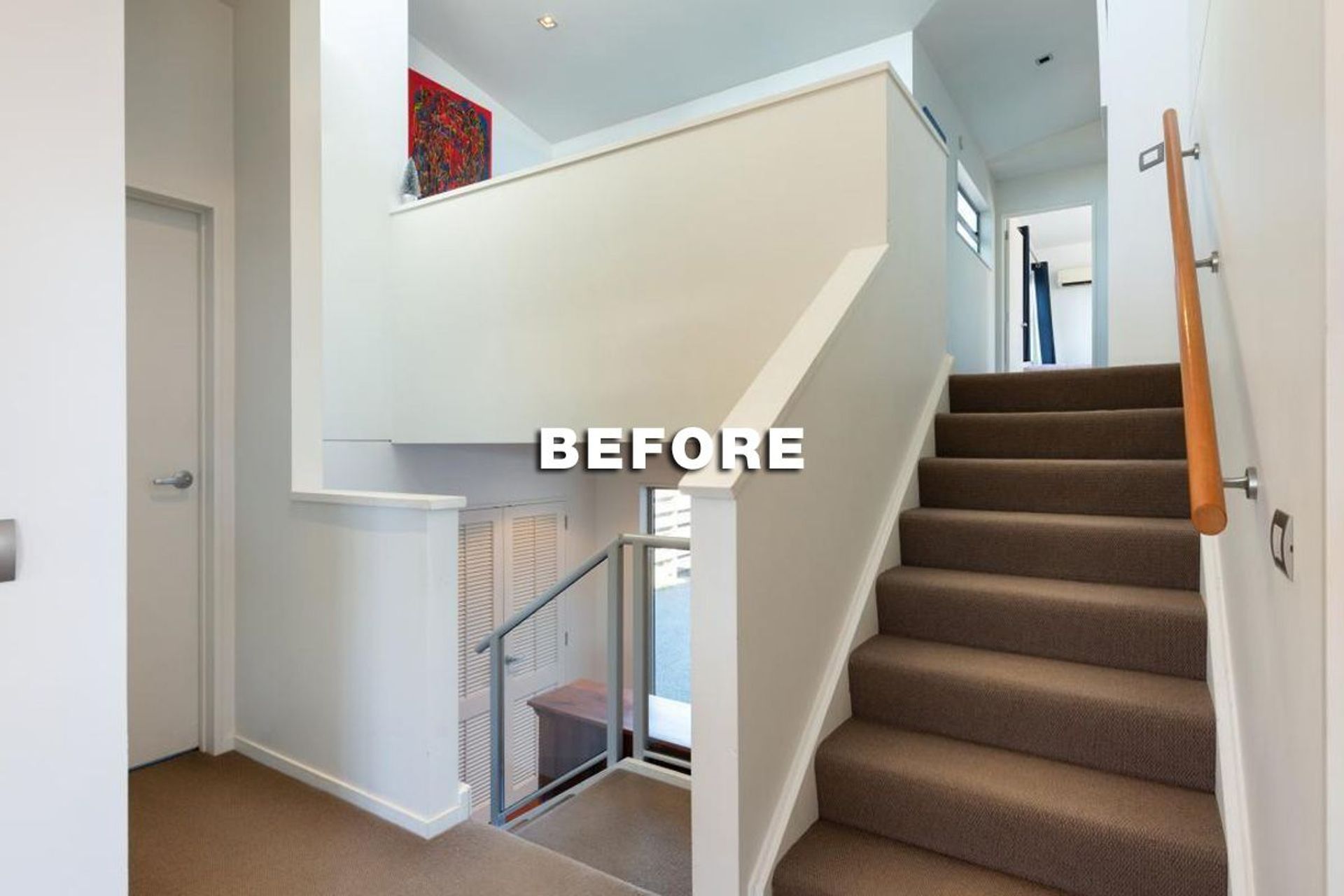
I'm just about to start planning my nursery renovation cost and I've been doing some research. It's a big project, and I want to make sure I'm prepared and get the best value for my money. I know it can be a bit overwhelming, so I thought I'd share my findings and hopefully help others out there who are in a similar situation.
Understanding the Costs
When it comes to nursery renovation cost, there are a few key factors that will influence the final price. The size of the nursery, the materials you choose, and the complexity of the design will all play a part. It's a good idea to get a few quotes from different contractors to compare prices and ensure you're getting a fair deal. Don't be afraid to ask questions and understand the breakdown of costs.
The labor costs can vary, and it's worth considering the skill level and experience of the contractors. You may find that more specialized work, like custom carpentry or electrical work, will cost more. It's a balance between finding skilled professionals and staying within your budget.
Finding the Right Contractor
Hiring a reputable contractor is crucial for a successful nursery renovation. Look for local companies with a good track record and positive reviews. Check their licensing and insurance, and don't be shy to ask for references. A good contractor will be happy to provide this information and will guide you through the process.
When getting quotes, make sure they are detailed and itemized. This will help you compare apples with apples and ensure you're not paying for unnecessary extras. Ask about their experience with similar projects and how they handle unexpected issues that may arise during the renovation.
Construction Company Names
If you're thinking of starting a construction business, choosing a name is an important step. It should be catchy, memorable, and reflect the nature of your work. Some ideas could be:
- Build-It-Better
- Renovate & Revive
- Constructive Solutions
- Home Transformation Co.
- Fix-It-Right
- The Build Crew
Remember to check the availability of the name and secure the relevant domains and local registrations.
Jobs and Salaries
The construction industry offers a range of roles, from general contractors to specialized tradespeople. Estimators, for example, play a crucial role in calculating nursery renovation cost and other construction projects. They assess the materials, labor, and time needed for a job, and their skills are in high demand.
You'll find job openings advertised online, through recruitment agencies, and sometimes even through word of mouth. Salaries can vary depending on experience, location, and the size of the company.
Industry Tools and Data
RSMeans is a well-known resource in the construction industry. It provides cost data and estimating tools to help contractors and businesses plan and manage projects effectively. This kind of tool is essential for accurate nursery renovation cost estimates and ensures that businesses can provide competitive quotes.
Big Companies and the Industry
The construction industry is diverse, with a range of small, medium, and large companies. Larger firms often have the resources to take on bigger projects and may have more specialized teams. They can offer a wider range of services and have the capacity to manage multiple projects simultaneously.
However, smaller companies can also bring unique advantages, like a more personalized service and the ability to offer more flexibility and creativity in their work. It's a matter of finding the right fit for your project.
Next Steps
So, there you have it! I hope this has given you some insight into nursery renovation cost and the factors that influence it. Remember, it's important to do your research, get multiple quotes, and find a contractor you trust. Good luck with your renovation project, and I wish you a beautiful and functional nursery space!
Related: Unraveling the "tide chart in ri" Mystery
A tide chart in RI is a handy tool for anyone planning coastal activities or needing accurate water level information. This guide will help you understand and utilize these charts effectively.
Tide charts provide a simple yet precise way to visualize and predict tidal movements. They offer insights into tide times, heights, and other crucial data, making them an essential resource for various water-related pursuits. Whether you're a boating enthusiast, a fisherman, or simply curious about the ocean's rhythms, learning to read these charts is a valuable skill.
Understanding Tide Predictions in RI
A tide chart in RI is a handy tool for predicting the rise and fall of tides in Rhode Island's coastal areas. It's like a map for the ocean's movements, helping you plan your water-based activities. This chart is essential for anyone who loves the ocean, from surfers to fishermen and even boaters.
Key Details: Unpacking the Chart
The tide chart in RI typically displays two key pieces of information: the tide height and the time. You'll see these values for each hour of the day, often covering a 24-hour period. The height is usually measured in feet and represents the water level above a specific reference point, often mean lower low water (MLLW). This reference point ensures consistency across different locations.
Reading the Chart: A Step-by-Step Guide
To read the tide chart in RI, follow these simple steps:
- Identify the date and time you're interested in.
- Locate the corresponding row and column on the chart.
- Read the tide height for that specific time.
- If needed, convert the height to your preferred unit using standard conversion formulas.
- Plan your activities accordingly, considering the tide's impact on water depth and accessibility.
Common Variations: Why Tide Charts Differ
Tide charts can vary based on several factors. Here are some key reasons:
- Tidal data is collected from specific locations, so charts may differ for various spots along the coast.
- Weather conditions, such as wind and storms, can influence tide heights and timings.
- The moon's phase and its position relative to the earth also affect tidal patterns.
- Human activities, like damming or dredging, can alter natural tidal flows.
Avoiding Mistakes: Common Pitfalls
When using a tide chart in RI, avoid these common mistakes:
- Assuming the chart is accurate for all locations along the coast. Always check the specific site you're interested in.
- Failing to account for weather conditions, which can significantly impact tide heights and timings.
- Not considering the moon's phase, which can cause unexpected variations.
- Neglecting to convert units if needed, especially if you're used to a different system.
Practical Tips for Accurate Results
To ensure you're using the tide chart in RI accurately:
- Always double-check the date and time to avoid confusion.
- Consider the weather forecast and its potential impact on tides.
- Be aware of seasonal variations, as tides can behave differently in summer versus winter.
- If you're new to the area, consult local experts or guides who can provide insights into specific tidal patterns.
- Remember, while the chart is a valuable tool, it's just a prediction. Always exercise caution and stay aware of your surroundings when near the water.
Well, there you have it! Understanding tide charts is a handy skill, and with these tips, you'll be a pro in no time. Remember, when dealing with practical matters like this, it's always best to double-check the specifics for your exact location and needs.
Feel free to explore our other guides and resources; we've got plenty of practical info to help you navigate various topics. Happy reading, and here's to smooth sailing!