


Apoquel Dose Chart Editable Overview
"Vuori size chart" is your trusted companion when shopping for the perfect fit. This guide will walk you through the essentials, ensuring you understand how to navigate and utilize this valuable tool effectively.
The Vuori size chart is a simple yet powerful resource, offering a clear and concise overview of sizing options. It's a quick reference, ensuring you find the right fit for Vuori's activewear and apparel. While standards can vary, this chart provides a reliable starting point for your sizing journey.
Understanding the Vuori Size Chart
The Vuori size chart is a handy tool that helps you find the perfect fit for your activewear. It's a simple guide that ensures you get the right size for your body and the style you want. This chart is a great way to shop with confidence, especially when buying online.
Key Details and Categories
The Vuori size chart covers a range of sizes, typically from extra small to extra large, and sometimes even beyond. It provides measurements for key body parts, such as chest, waist, hips, and inseam length. These measurements are crucial for a comfortable and flattering fit. The chart also includes specific size categories, like small, medium, and large, which are standard across many clothing brands.
Reading and Applying the Chart
Using the Vuori size chart is straightforward. First, locate your usual size based on your height and weight. Then, check the corresponding measurements for chest, waist, and other relevant body parts. Compare these measurements with your own body's dimensions. If you're between sizes, consider going for the larger size for a more relaxed fit, or the smaller size for a more fitted look. It's all about personal preference and the style of the garment.
Size Variations and Differences
It's important to note that size charts can vary slightly between brands and even within a brand's different product lines. Vuori apparel sizing guide may have slight variations depending on the fabric and design of the garment. For instance, a relaxed-fit top might have a looser fit than a more structured jacket, even if they are the same size. Additionally, personal preferences and body types can also influence the fit. Some people prefer a snug fit, while others like a looser, more comfortable feel.
Common Mistakes and How to Avoid Them
One common mistake is relying solely on your usual size without considering the specific measurements. Every brand's size chart can differ, so always refer to the Vuori size chart for accurate sizing. Another pitfall is not measuring yourself correctly. Ensure you measure your body accurately, following the guide's instructions. Lastly, don't forget to consider the style and fit of the garment. Some items are designed to be more fitted, while others are meant to be loose and relaxed.
Tips for a Perfect Fit
To ensure the best fit, always measure yourself before ordering. Use a flexible tape measure and follow the guide's instructions for accurate measurements. If you're unsure, it's a good idea to measure a garment you already own and love the fit of. Compare these measurements with the Vuori size chart to find your ideal size. Remember, the chart is a guide, and personal preferences play a role. If you prefer a looser fit, choose a size up; for a more tailored look, go for a size down.
By following these tips and understanding the Vuori size chart, you'll be able to shop with confidence and enjoy the perfect fit for your activewear. Happy shopping!
Well, there you have it! A size chart can be a handy tool, but it's important to remember that these are general guides, and your personal fit may vary. Always consider your own preferences and the specific garment's style when choosing a size.
So, before you hit the checkout, take a moment to ensure you've got the right measurements and context covered. It's a simple step that can save you time and ensure a perfect fit. And hey, if you need a quick reference in the future, just bookmark this page for easy access!
Related: How to Find Your Glove Size Chart?
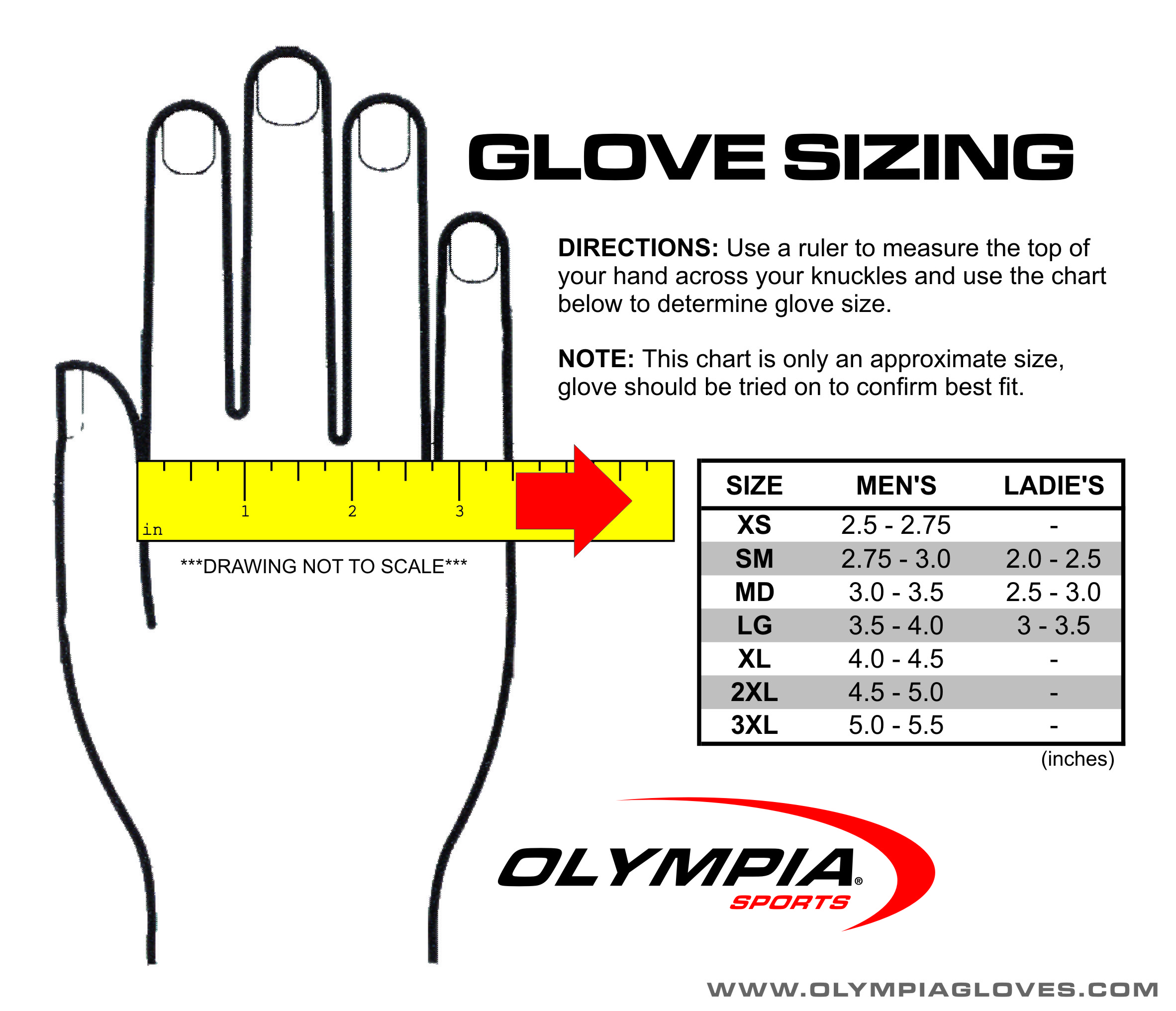
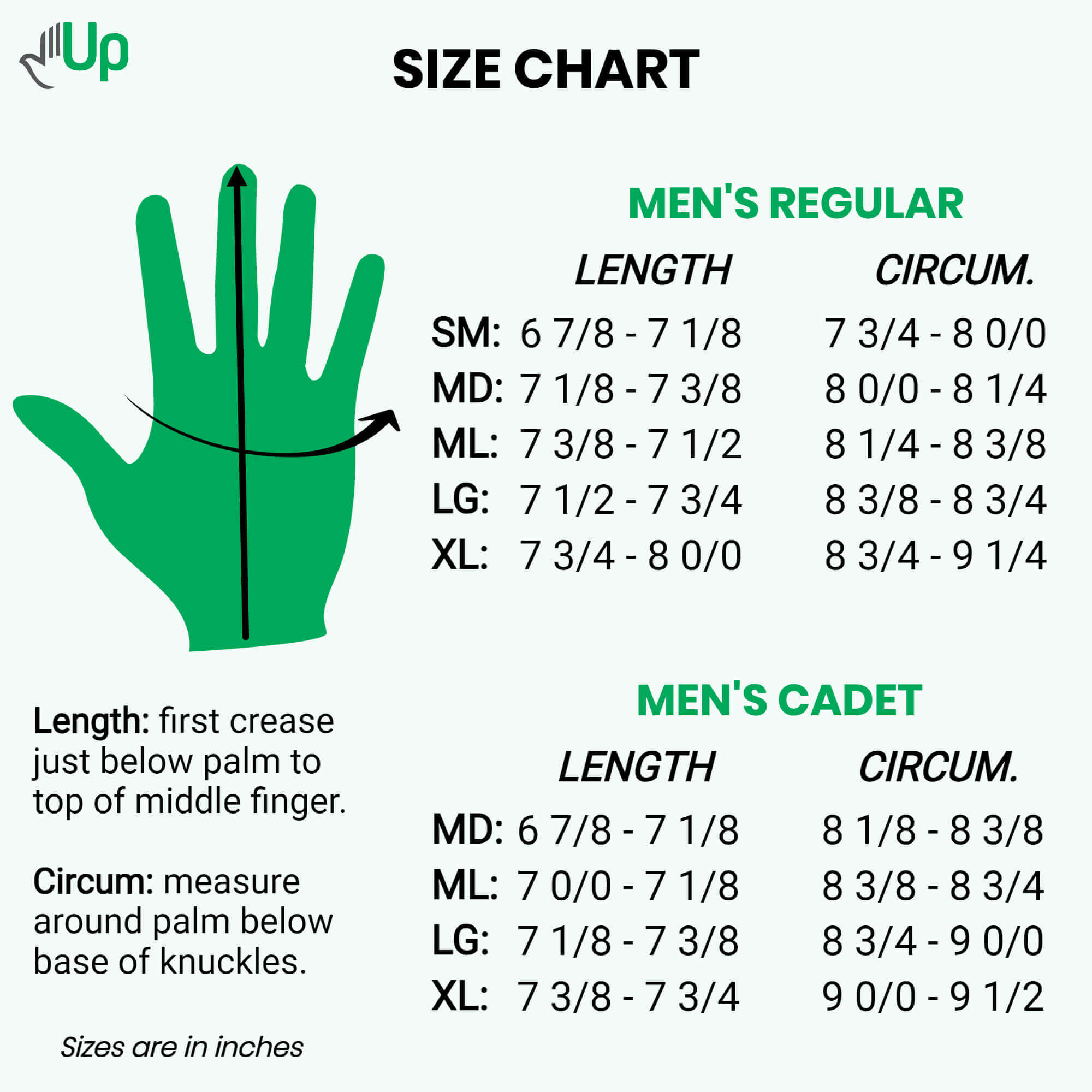
A glove size chart is a handy tool to ensure you get the perfect fit for your hands. This guide will show you how to navigate these charts and find your ideal glove size with ease.
Glove sizing can vary depending on the type and purpose of the glove, so having a reliable chart is key. It's a simple process to measure your hand and find your size, and we'll cover the steps to ensure you get it right. With a glove size chart, you'll be able to choose the right gloves for any task, from gardening to safety gear.
Glove Size Chart: A Quick Overview
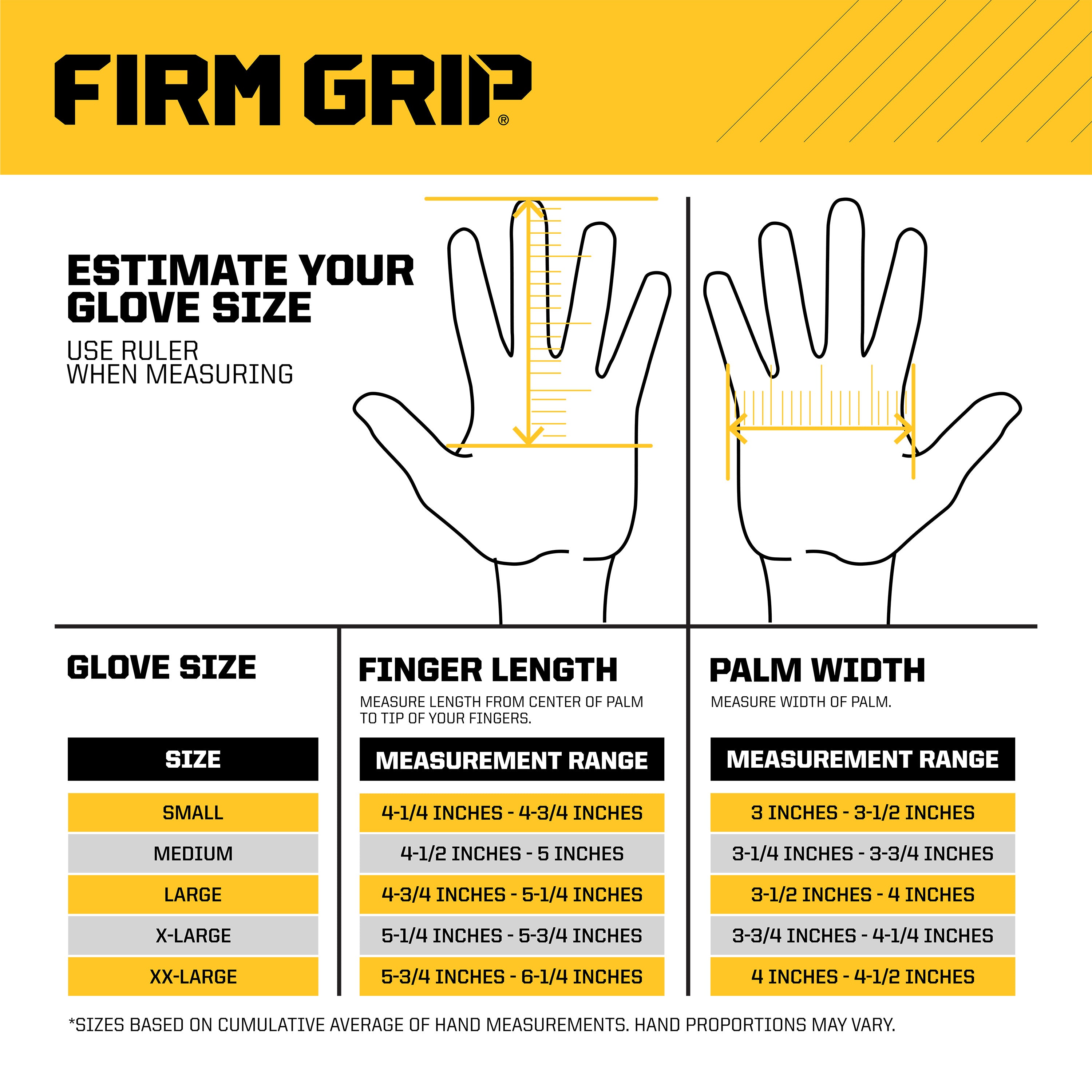
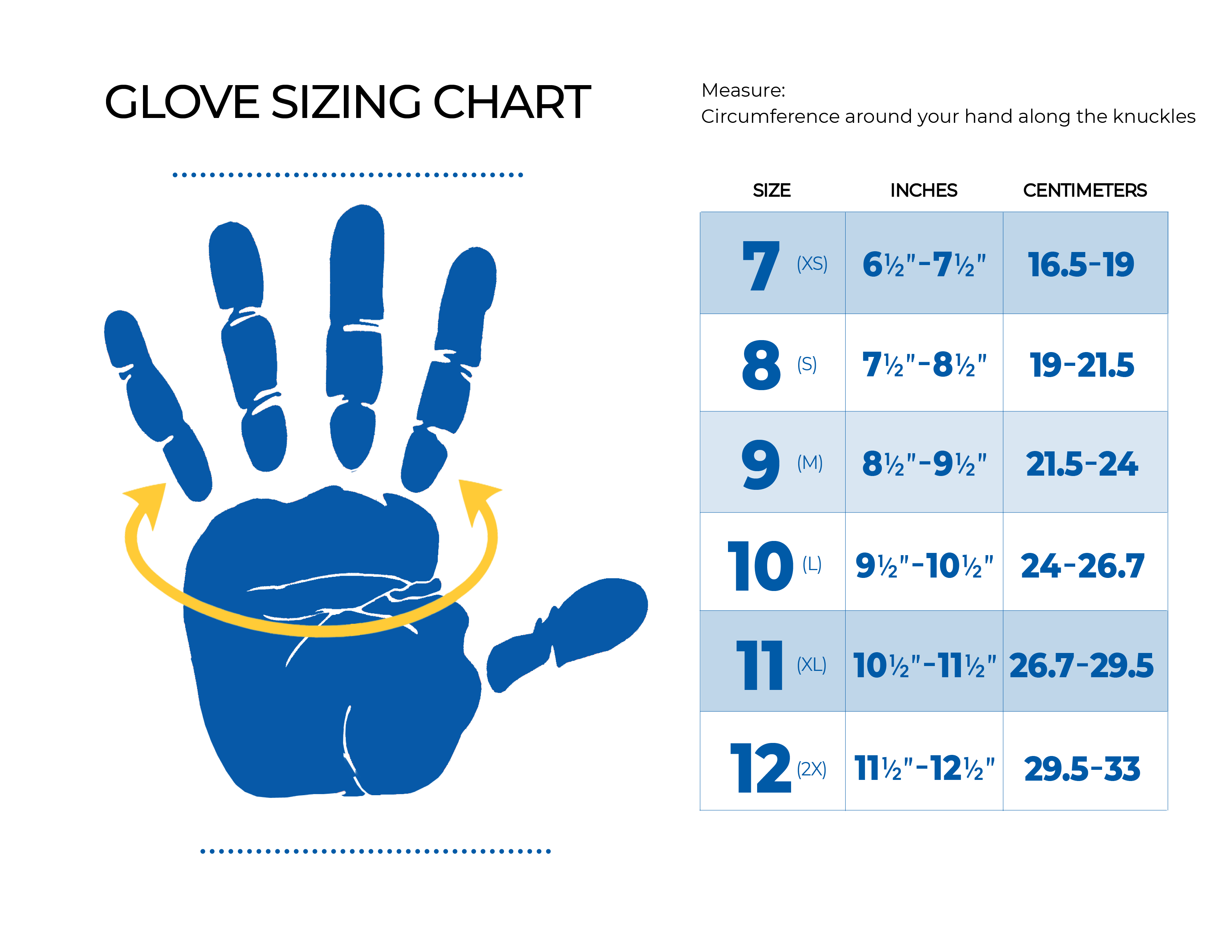
A glove size chart is your handy guide to finding the perfect fit for your hands. It's a simple yet effective tool that ensures your gloves are neither too loose nor too tight, offering comfort and functionality. This chart typically includes measurements for hand length and width, helping you choose the right size for various glove types.
Comparing Standards and Formats
Glove size charts can vary depending on the standard used. Common standards include the US sizing system and the international glove size standards. These standards provide different measurement categories and ranges. For instance, the US system often uses letter sizes like S, M, L, while international standards may employ numerical sizes with more precise measurements. It's essential to know which standard your chart follows to ensure accurate sizing.
Step-by-Step Guide to Using the Chart
Using a glove size chart is straightforward. First, measure your hand length from the tip of your middle finger to the base of your palm. Then, measure your hand width across your palm at its widest point. These measurements will guide you to the right size on the chart. For instance, if your hand length is 7.5 inches and your hand width is 3.5 inches, you'd likely need a medium-sized glove according to the US standard. Always refer to the chart's legend or key to understand the measurements and categories.
- Measure your hand length and width accurately.
- Locate these measurements on the chart.
- Identify the corresponding glove size.
- Cross-check with the glove's product description or packaging for any specific sizing details or recommendations.
- Try on the gloves to ensure a comfortable fit.
Common Misreadings and Pitfalls
Misreading a glove size chart can lead to an inaccurate fit. One common mistake is assuming all glove types follow the same sizing standards. For example, safety gloves might have different measurements than regular gloves. Always check the chart's specific use case or purpose. Another pitfall is neglecting to measure both hand length and width. Both measurements are crucial for an accurate fit. Lastly, remember that hand shapes can vary, so a size that fits one hand perfectly might not fit the other.
Factors Affecting Accuracy
Several factors can influence the accuracy of a glove size chart. Here are some key considerations:
- Hand Shape: Hands come in various shapes, and some gloves might fit certain shapes better than others.
- Material Stretch: The material of the glove can affect its stretch and fit. For instance, leather gloves might have less give than fabric gloves.
- Safety Features: Gloves with extra padding or safety features might have a different fit compared to standard gloves.
- Personal Preferences: Some people prefer a tighter or looser fit, so personal preference plays a role in sizing.
- Manufacturing Tolerances: Gloves from different manufacturers might have slight variations in sizing, so always check the brand's specific measurements.
Always refer to the glove sizing guide provided by the manufacturer for the most accurate fit.
So, there you have it, a handy guide to glove sizing. Remember, it's always a good idea to double-check your specific needs and consider any unique factors that might impact your glove choice.
We've covered a lot of ground, but there's always more to explore. If you found this helpful, why not check out some of our other practical guides? We've got a range of topics to keep you informed and ensure you're always making the right choices. Happy reading!
Related: How to Read the Edisto Tide Chart?
An edisto tide chart is a handy tool for anyone wanting to explore the beautiful Edisto Island and its surroundings. This guide will show you how to make the most of this chart, whether you're a seasoned pro or new to the area.
It's a simple yet effective way to understand the tides, and with a little practice, you'll be reading and using it like a local. The chart provides an overview of tide heights and current flow rates, which can vary depending on the region and specific location.
What is the Edisto Tide Chart?
The Edisto Tide Chart is a valuable tool for anyone planning activities or relying on tidal information around Edisto Island. It provides a visual representation of the predicted tide levels and current flow rates over a specific period, typically a day or a few days. This chart is essential for understanding the ever-changing nature of the tides and making informed decisions.
Key Details and Categories
When examining an Edisto tide chart, you'll notice a few key elements. First, the chart displays the predicted tide heights, usually measured in feet or meters, depending on the standard used. These heights indicate the expected water levels at different times. Additionally, the chart may include information on current flow rates, which show the direction and speed of the tidal currents. The time of day or specific hours are often marked along the chart's horizontal axis, while the vertical axis represents the tide height or current strength. Understanding these basic units and categories is crucial for interpreting the data accurately.
How to Read and Apply the Chart
Reading an Edisto tide chart is straightforward. Here's a step-by-step guide:
- Identify the time of interest on the chart. This is usually indicated along the bottom or side of the graph.
- Locate the corresponding tide height or current flow rate. The height is typically represented by a line or curve, and the current flow may be shown as arrows or a separate graph.
- Note the predicted tide level or current strength at that time. For example, if you're planning a boating trip, you can ensure you have sufficient water depth by checking the tide height during your planned departure or return times.
- Repeat this process for other relevant times, especially if your activity spans multiple hours or days.
Variations and Differences
While Edisto tide charts provide valuable predictions, it's important to remember that tides and currents can vary due to several factors. Weather conditions, such as strong winds or storms, can influence tide heights and current patterns. Additionally, the moon's phases and gravitational pull play a significant role in tidal changes. These natural variations mean that the predicted values on the chart may differ slightly from the actual conditions on the water. It's always a good idea to keep an eye on the weather and consider any unusual tidal patterns when relying on the chart.
Common Mistakes and How to Avoid Them
One common mistake is assuming the chart provides absolute accuracy. While the predictions are based on historical data and scientific models, they are still estimates. To avoid surprises, always allow for some flexibility in your plans. For instance, if you're fishing and the chart indicates a high tide at a certain time, consider that the actual high tide may arrive a little earlier or later. Another mistake is neglecting to check for any recent updates to the chart. Tidal patterns can change over time, so ensure you're using the most recent data available.
Practical Tips for Accurate Results
To ensure you're making the most of your Edisto tide chart, consider these practical tips:
- Regularly check for updates, especially if you're planning activities that rely heavily on precise tidal information.
- Familiarize yourself with the local tidal patterns and any unique characteristics of the Edisto Island area. This knowledge can help you interpret the chart more effectively.
- When possible, observe the actual tides and currents in real life. This hands-on experience can enhance your understanding of how the chart relates to the natural environment.
- If you're new to the area, consider seeking advice from local experts or experienced boaters who can provide insights into the local tidal variations.
- Remember that the Edisto tide chart is a valuable tool, but it's just one part of your planning process. Always combine it with common sense, local knowledge, and a healthy dose of flexibility.
Well, there you have it! You're now equipped with the knowledge to navigate the Edisto tide chart like a pro. Remember, while these charts are incredibly useful, it's always a good idea to double-check the specific conditions and requirements for your particular activity or location.
Feel free to explore our other guides and resources; we've got plenty of practical tips and tricks to offer, so take a look around and find something that piques your interest!