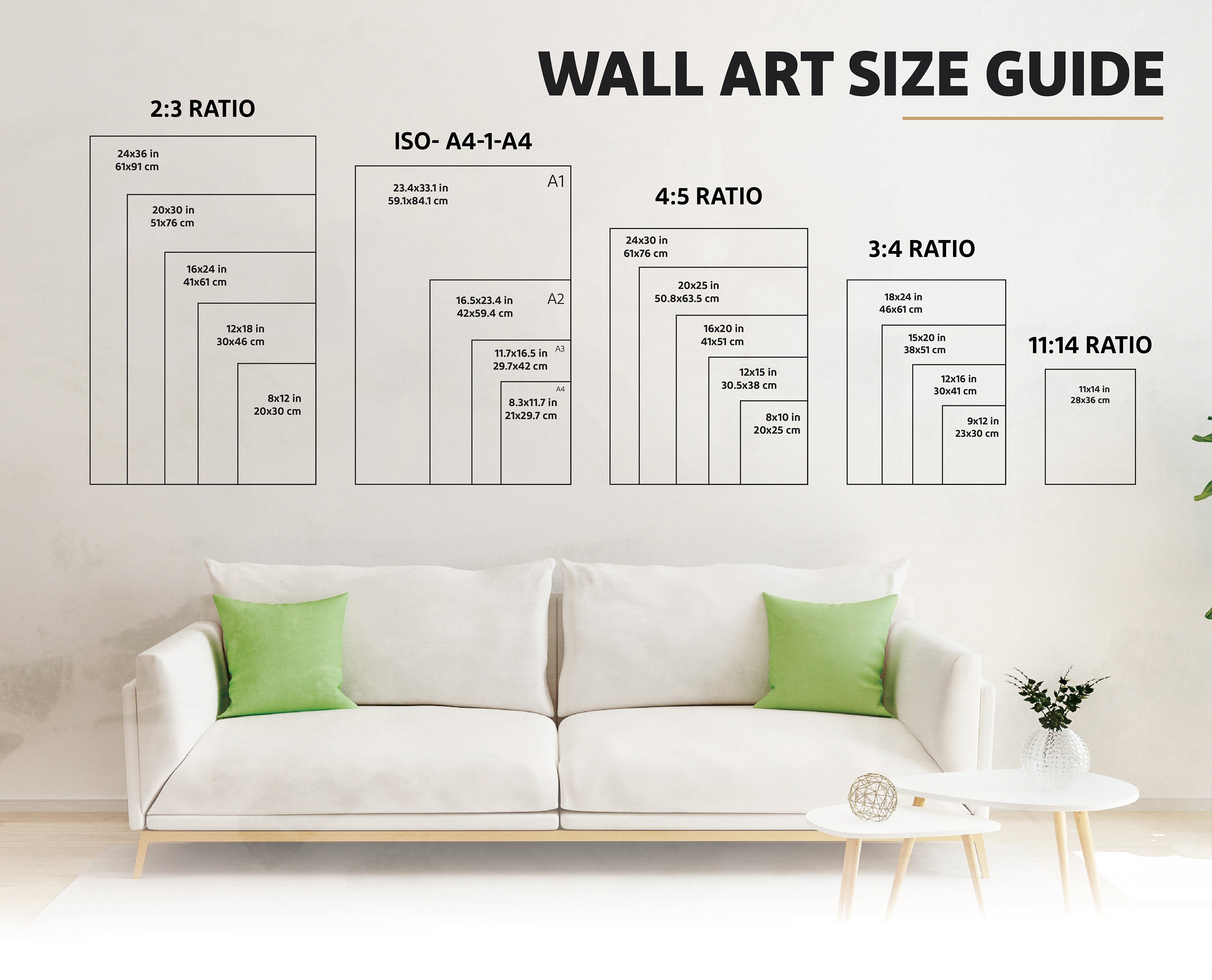


Aritzia Size Chart Black And White Overview
Many people often overlook the importance of a frame size chart and its accuracy, assuming it's a simple guide that can be ignored. But, trust me, this chart is your friend and a crucial tool for getting the right fit! A frame size chart is an essential reference, offering a quick and easy way to find your ideal size, whether it's for a bike frame or even clothing. It's a simple yet powerful tool, and getting it right can make all the difference. These charts provide a clear visual, often with metric and imperial measurements, to ensure you choose the correct size, avoiding any potential discomfort or performance issues.
Understanding the Frame Size Chart
A frame size chart is your go-to guide for determining the right size of a frame, whether it's for a bike, a piece of clothing, or any other item with standardized dimensions. This chart provides a quick and easy reference to ensure you get the perfect fit. It's like having a personal assistant who knows your measurements and preferences!
Comparing Common Frame Types and Standards
Frame size charts can vary depending on the type of frame and the industry standards they follow. For example, bike frame dimensions often use different measurements and categories compared to clothing size charts. The metric and imperial systems also come into play, so it's essential to know which standard your chart is based on. Some charts may even offer conversions between these systems.
Choosing the Right Size: A Step-by-Step Guide
Identify the Type: Determine what kind of frame you need, whether it's for a bike, clothing, or another item. This step is crucial as it sets the foundation for accurate sizing.
Find the Right Chart: Locate the specific frame size chart relevant to your chosen frame type. Ensure it follows the correct standard (metric or imperial) for your region or preferences.
Measure and Compare: Take your measurements or refer to existing ones (like your shirt size). Compare these measurements to the values on the chart. Most charts will provide a range of sizes, so find the one that best matches your dimensions.
Adjust for Comfort: Consider your personal preferences and comfort level. Some charts may offer guidance on adjusting the size slightly to ensure a perfect fit. For example, you might prefer a slightly larger frame for a bike to allow for more leg extension.
Double-Check: Always verify the specifications with the manufacturer or retailer, especially for critical items like bike frames. This ensures you get the exact dimensions and tolerances required.
Common Misreadings and How to Avoid Them
One common mistake is assuming all frame size charts are universal. As mentioned, they can vary based on frame type and standards. Always confirm the chart's applicability to your specific needs. Another pitfall is neglecting to measure accurately. Take precise measurements to ensure the chart provides an accurate recommendation.
Factors Affecting Accuracy and Real-World Use
Various factors can influence the accuracy of a frame size chart. These include the tolerance levels allowed by manufacturers, which can vary slightly between brands. Additionally, personal preferences and body types play a role. What might be a perfect fit for one person could feel too tight or loose for another. It's essential to consider these factors when using a frame size chart and make adjustments as needed.
Well, there you have it! A frame size chart is a handy tool, but it's important to remember that it's just a guide. Always check the specific details and requirements for your project, as the exact values might differ slightly between sources and standards.
Take a moment to ensure you've considered all the unique aspects of your situation before you finalize your choices. And, as always, feel free to explore our other guides and resources for more practical tips and insights. Happy measuring!
Related: A Clear Guide to Praise Drum Charts
Frustrated by the lack of a quick reference guide? You're not alone. That's why the praise drum chart is an invaluable tool for any musician or enthusiast. This chart, a simple yet effective visual aid, offers a clear and concise way to understand and compare various aspects of praise drums. From drum size charts to tension and tuning, it provides a snapshot of essential information. With this chart, you can quickly grasp the differences and nuances, ensuring an accurate and efficient approach to your musical needs.
Understanding the Praise Drum Chart
The praise drum chart is an essential tool for musicians and enthusiasts, offering a visual representation of key specifications for african praise drums. It provides a quick reference guide to help you choose the right drum and ensure accurate tuning.
Key Details and Categories
This chart typically includes several crucial categories: drum size, measured in both diameter and depth; drumhead tension, which affects the sound and pitch; and tuning methods, offering different approaches to achieve the desired tone. It may also feature a range of standard drum sizes, providing a starting point for your selection.
Interpreting the Chart: A Step-by-Step Guide
- Begin by identifying the drum size you require. The praise drum chart will usually list common sizes, often in both inches and centimeters, to cater to different regions and preferences.
- Next, consider the desired tension and tuning method. These factors will influence the sound and playability of your drum. The chart will provide guidance on achieving the right tension and tuning for your chosen size.
- Follow the chart's recommendations for tuning and tension adjustments. This may involve using specific tools and techniques to achieve the desired sound.
- Finally, fine-tune your drum. The chart can guide you in making minor adjustments to achieve the perfect pitch and tone.
Variations and Differences
It's important to note that praise drum charts may vary depending on the standard or region. Here are some key factors that can cause variations:
- Drum size: While some charts provide a comprehensive list of standard sizes, others may focus on specific ranges or popular dimensions.
- Tuning methods: Different cultures and musical traditions may employ unique tuning techniques, which can result in varied recommendations on the chart.
- Regional preferences: The intended audience of the chart can influence the featured sizes and tuning methods.
Common Mistakes and How to Avoid Them
- Misinterpreting the chart: Ensure you understand the units and measurements used. Some charts may use imperial units (inches), while others opt for metric (centimeters).
- Neglecting drumhead tension: Tension is crucial for the sound and playability of your drum. Don't overlook the tension recommendations on the chart.
- Assuming universality: Remember that while praise drum charts provide valuable guidance, they may not cover every possible size or tuning method. Always double-check specific drum specifications if you require precise details.
- Overlooking regional variations: Be mindful of regional differences in drum sizes and tuning preferences. If you're working with a specific cultural tradition, ensure the chart aligns with those standards.
While this guide offers a comprehensive overview, it's worth noting that specific details may differ slightly based on your unique context or the source you're referencing. Remember, every resource has its own nuances, so it's always beneficial to cross-reference and adapt as needed.
Feel free to explore our other guides for more practical insights and tips. And when you need a quick refresh, don't forget to bookmark this page for easy access!
Related: A Guide to My WVU Chart Login
You've landed on this blog because you're seeking a quick solution, right? Well, you're in the right place. Let's talk about my WVU Chart login. This is your gateway to accessing important information and resources as a student. Think of it as your personal digital hub, where all your academic needs are met.
Your WVU Chart login is unique to you and provides a secure way to access various online services. From checking grades to resetting your password, it's a one-stop shop. While the specifics may vary slightly depending on your role and region, the process is straightforward and reliable.
A Quick Overview of Your WVU Chart Login
Your my wvu chart login is a secure gateway to your personal student account, offering a range of services and resources. This login system ensures you can access your academic records, financial information, and other essential tools with ease and peace of mind.
Comparing Login Options and Security Measures
When it comes to logging in, you have a few options to choose from, each with its own benefits and considerations. The standard login requires your unique username and password, which should be kept confidential. For added security, you can enable two-factor authentication, which provides an extra layer of protection by requiring a code sent to your device. This is especially useful for sensitive information.
Step-by-Step Guide to Logging In
Logging into your wvu chart student portal is straightforward. Here's a simple guide:
- Go to the WVU Chart Web page and locate the login button.
- Enter your username and password. Ensure you type these correctly, as case sensitivity matters.
- If you have enabled two-factor authentication, you will receive a code via text or email. Enter this code to complete the login process.
- You should now be logged in and able to access your student account and all its features.
Common Misreadings and How to Avoid Them
One common mistake is forgetting to enable case sensitivity when creating your password. Always ensure your password includes a mix of uppercase and lowercase letters, as well as numbers and special characters if allowed. Another pitfall is forgetting to check your spam folder for the two-factor authentication code. If you don't see the code in your inbox, check your spam or junk mail folder.
Factors Affecting Login Accuracy and Security
There are a few key factors that can impact the accuracy and security of your login:
- Password Strength: A strong password is essential. Avoid using personal information or common words. Instead, opt for a unique combination of characters.
- Account Security: Regularly review your security settings and ensure your contact information is up-to-date for two-factor authentication.
- Browser and Device: Using a secure browser and device is crucial. Ensure your browser is updated and has security features enabled.
- Public Wi-Fi: Avoid logging in on public networks, as they can be less secure. Use a private or trusted network whenever possible.
- Password Guidelines: Follow the password guidelines provided by WVU. These guidelines ensure your password is complex enough to protect your account.
By considering these factors and following the step-by-step guide, you can ensure a smooth and secure login process for your my wvu chart login.
Remember, every situation is unique, so be sure to review your specific needs and double-check the details. It's always a good idea to have a reliable reference guide like this one to avoid any potential pitfalls.
Feel free to bookmark this page for future use. It's a handy resource to have at your fingertips, and it's great to know you now have a clear understanding of the process and what to expect. Stay organized and keep those charts in check!