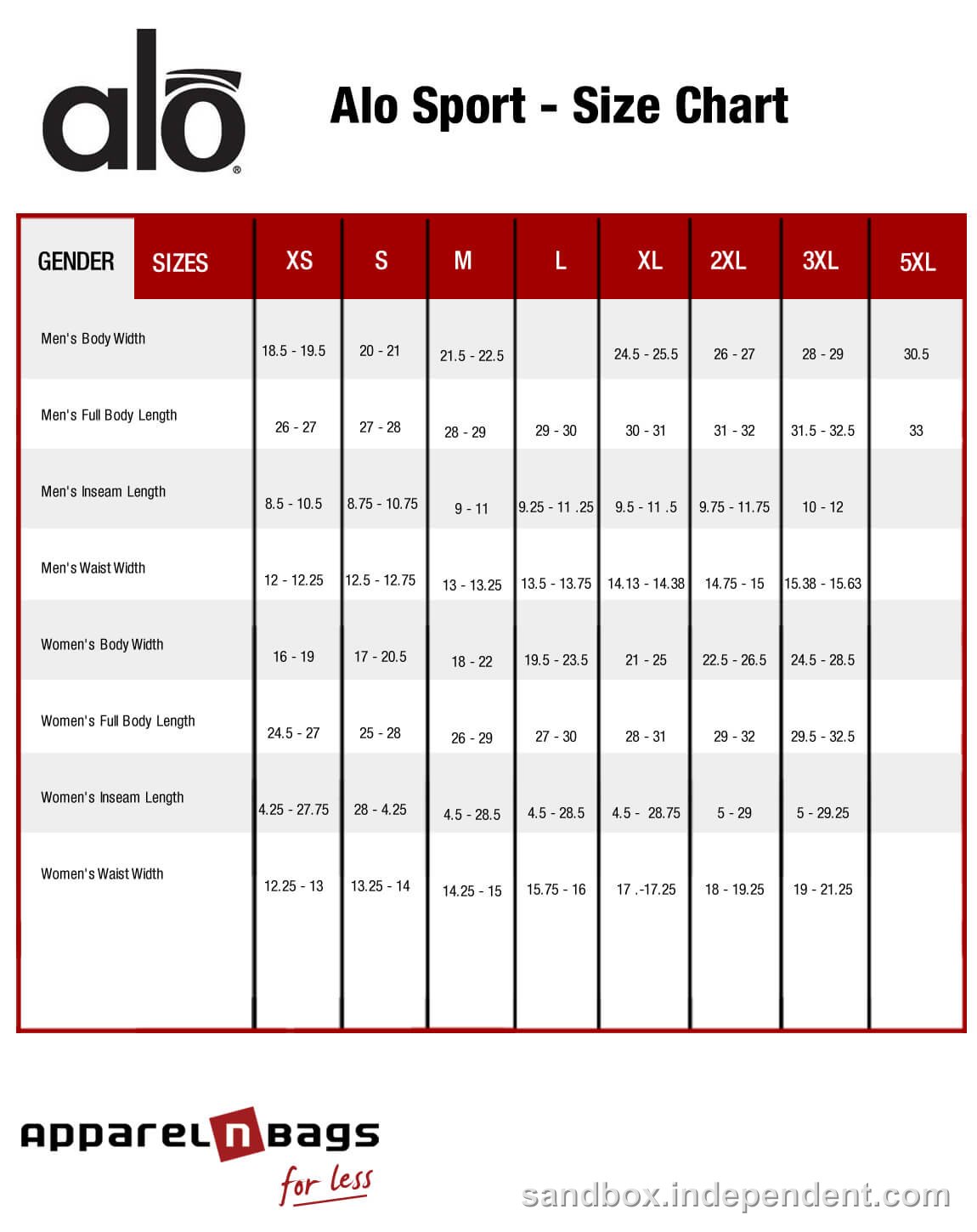





Aritzia Size Chart Template Overview
A puppy shot chart is a handy tool for any pet owner, offering a clear overview of your pup's vaccine journey. This guide will navigate you through the essential info, ensuring you understand the basics of reading and using the chart effectively.
It's a simple yet powerful reference, providing a snapshot of your puppy's health and the crucial vaccinations they need. While the specific values and formats may vary, the puppy shot chart remains a reliable companion, guiding you through the core and non-core vaccine protocol.
Understanding the Puppy Shot Chart
The puppy shot chart is a valuable tool for dog owners, providing a clear guide to vaccinating your furry friend. It's essentially a roadmap, ensuring your puppy gets the right vaccines at the right time. This chart simplifies the process, helping you keep track of your puppy's health and ensuring they receive the necessary protection.
Comparing Vaccine Options and Standards
When it comes to puppy vaccines, there are two main categories: core and non-core vaccines. Core vaccines are essential and recommended for all puppies, protecting against serious, often life-threatening diseases. These typically include distemper, parvovirus, adenovirus, and rabies. Non-core vaccines, on the other hand, are optional and depend on your puppy's lifestyle and risk factors. Examples include vaccines for leptospirosis, Lyme disease, or bordetella (kennel cough). The puppy shot chart will usually list these vaccines separately, allowing you to make informed decisions with your vet.
Step-by-Step Guide to Using the Chart
Here's a simple process to follow when using the puppy shot chart:
Start by familiarizing yourself with the chart. It will typically list the vaccine type, the recommended age or time interval for administration, and sometimes the dosage or volume.
Begin vaccinations early. Puppies are generally given their first set of core vaccines between 6 and 8 weeks of age. This early start is crucial as it helps build their immunity quickly.
Follow the recommended schedule. The chart will guide you on when to give subsequent doses. For core vaccines, these are usually given every 3-4 weeks until the puppy is around 16-18 weeks old.
Discuss non-core vaccines with your vet. Based on your puppy's lifestyle and exposure risks, your vet may recommend additional vaccines. The chart can help you keep track of these too.
Keep a record. It's a good idea to maintain a shot record or health chart for your puppy. This ensures you stay on top of their vaccination schedule and provides a clear history for future reference.
Avoiding Common Misreadings and Pitfalls
While the puppy shot chart is straightforward, there are a few potential pitfalls to watch out for:
Age vs. Weight: Some charts may list vaccine doses based on weight rather than age. Always ensure you're following the correct guidelines for your puppy's age.
Core vs. Non-Core: Distinguish between core and non-core vaccines. Core vaccines are essential, while non-core ones are optional. Your vet will guide you on the best choices for your puppy.
Multiple Doses: Remember that some vaccines require multiple doses to be effective. The chart will guide you on the timing of these doses.
Key Factors Affecting Accuracy and Real-World Use
Several factors can influence the accuracy and application of the puppy shot chart:
- Breed and Size: Different breeds and sizes of puppies may have slightly varied vaccine schedules. Always consult your vet for breed-specific advice.
- Health Status: A puppy's overall health can impact the vaccine protocol. Puppies with certain health conditions may require adjusted timing or doses.
- Lifestyle and Environment: Your puppy's lifestyle and the environment they're exposed to can influence the choice of non-core vaccines. For example, a puppy that spends a lot of time outdoors may need different vaccines than one that mostly stays indoors.
- Regional Differences: Vaccine protocols can vary slightly between regions or countries. Always check with your local vet for the most accurate and up-to-date information.
Adapting the Chart to Your Needs
While the puppy shot chart provides a standard guide, it can be adapted to suit specific needs:
Customizable Charts: Some charts allow you to input your puppy's details, such as breed, age, and weight, to generate a personalized vaccine schedule.
Digital Tools: There are digital puppy health charts and apps that can help you track your puppy's vaccinations and overall health. These can send reminders and provide additional information.
Veterinary Advice: Your vet is the best resource for adapting the chart to your puppy's unique needs. They can guide you on any adjustments needed based on your puppy's health and lifestyle.
Hey there, fellow pet parents! We hope this guide has given you a clear picture of the puppy shot chart and its importance. Remember, while we've covered the basics, the exact details might differ slightly based on your specific circumstances and the recommendations of your veterinarian.
Feel free to bookmark this page for future reference, and don't forget to explore our other guides for more practical pet care tips!
Related: A Quick Guide to Reading the Ser Verb Chart
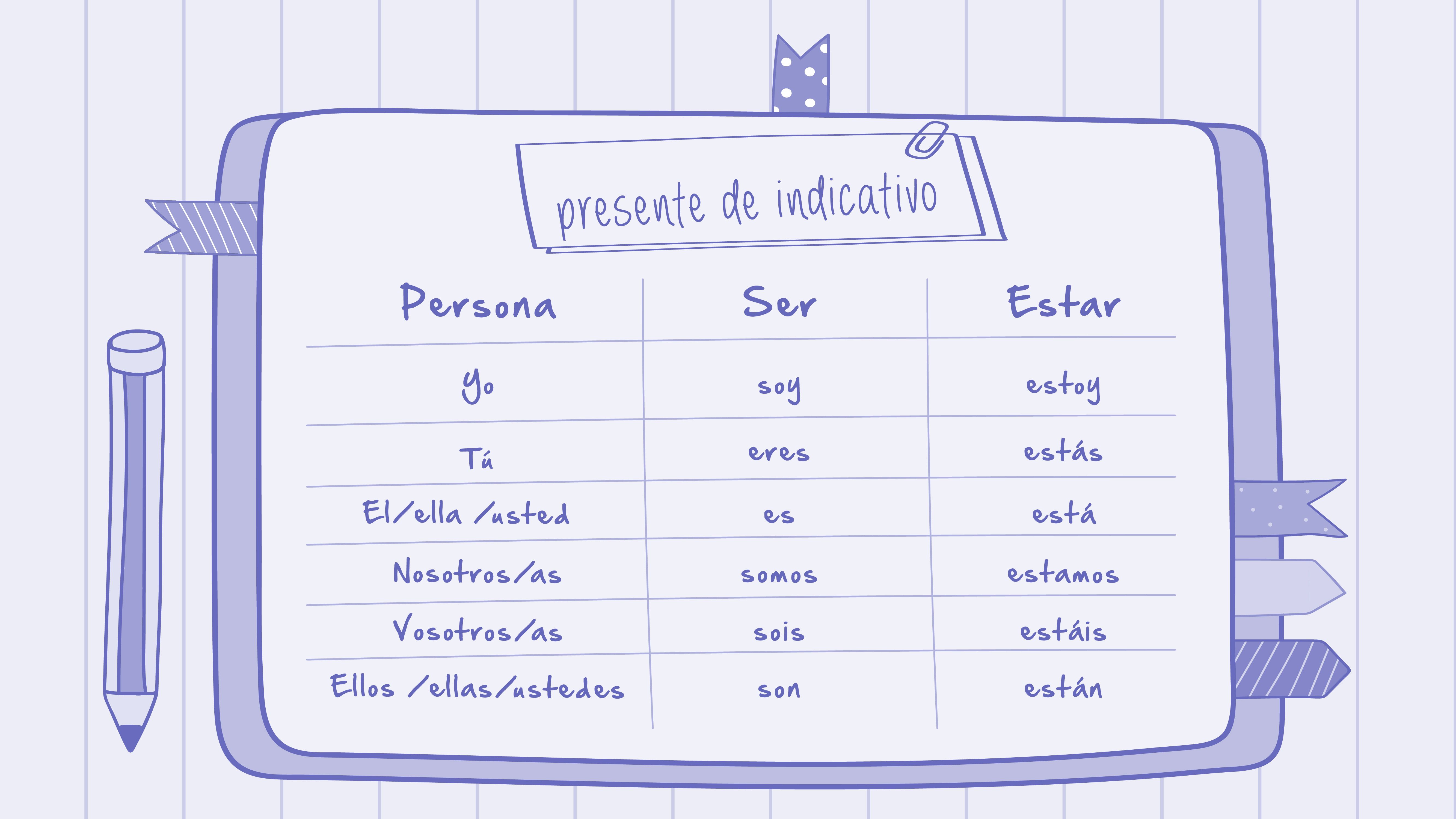
Many people often get confused by the ser verb chart and its purpose, but it's actually a simple and handy tool! The "ser verb chart" is your friend, a quick reference guide to navigate Spanish verb conjugations. It's not as scary as it may seem; this chart is a visual aid, offering a clear layout to understand and use the verb 'ser' accurately. You'll find it helps to have this resource at your fingertips, especially when you're just starting out with Spanish.
The Ser Verb Chart: A Comprehensive Guide
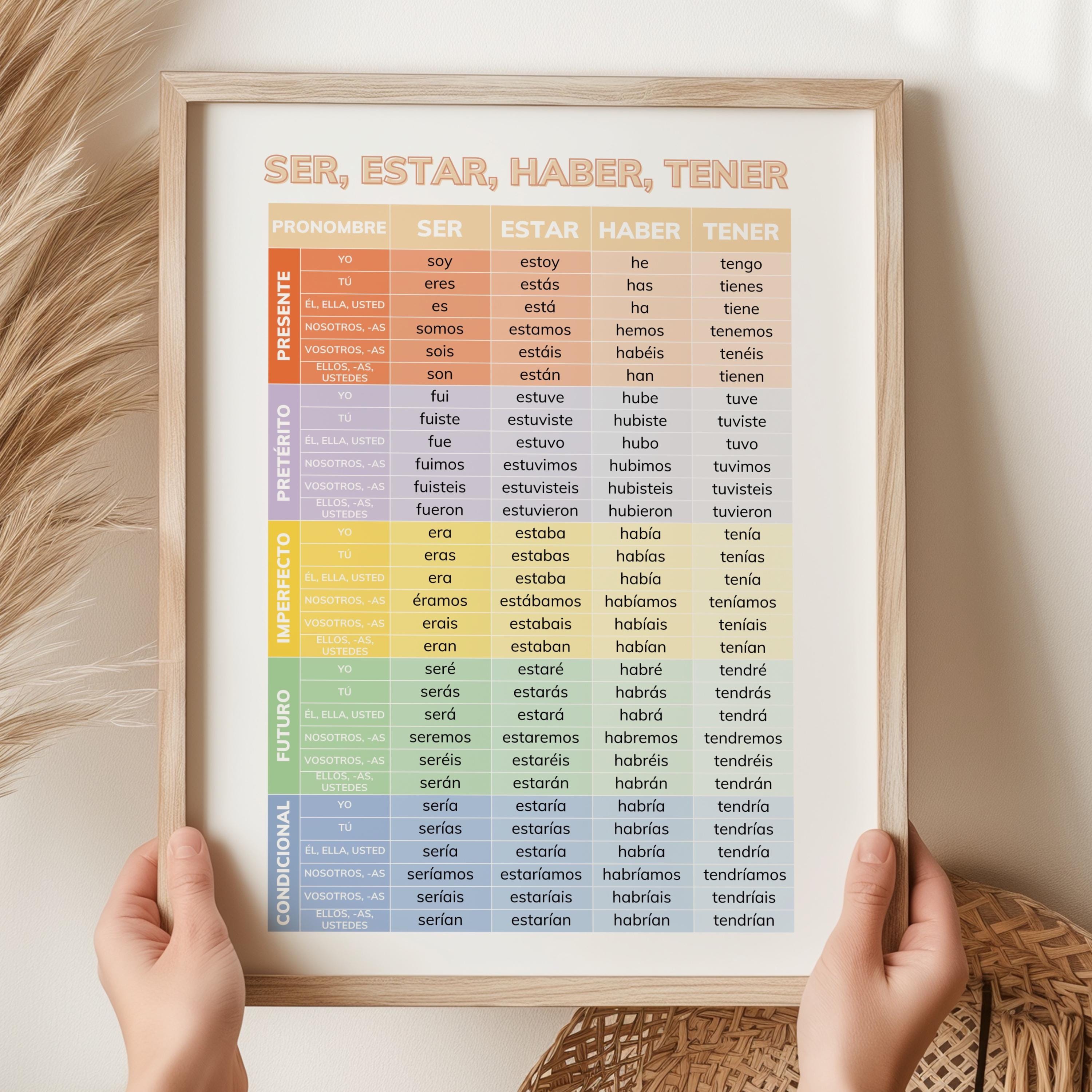
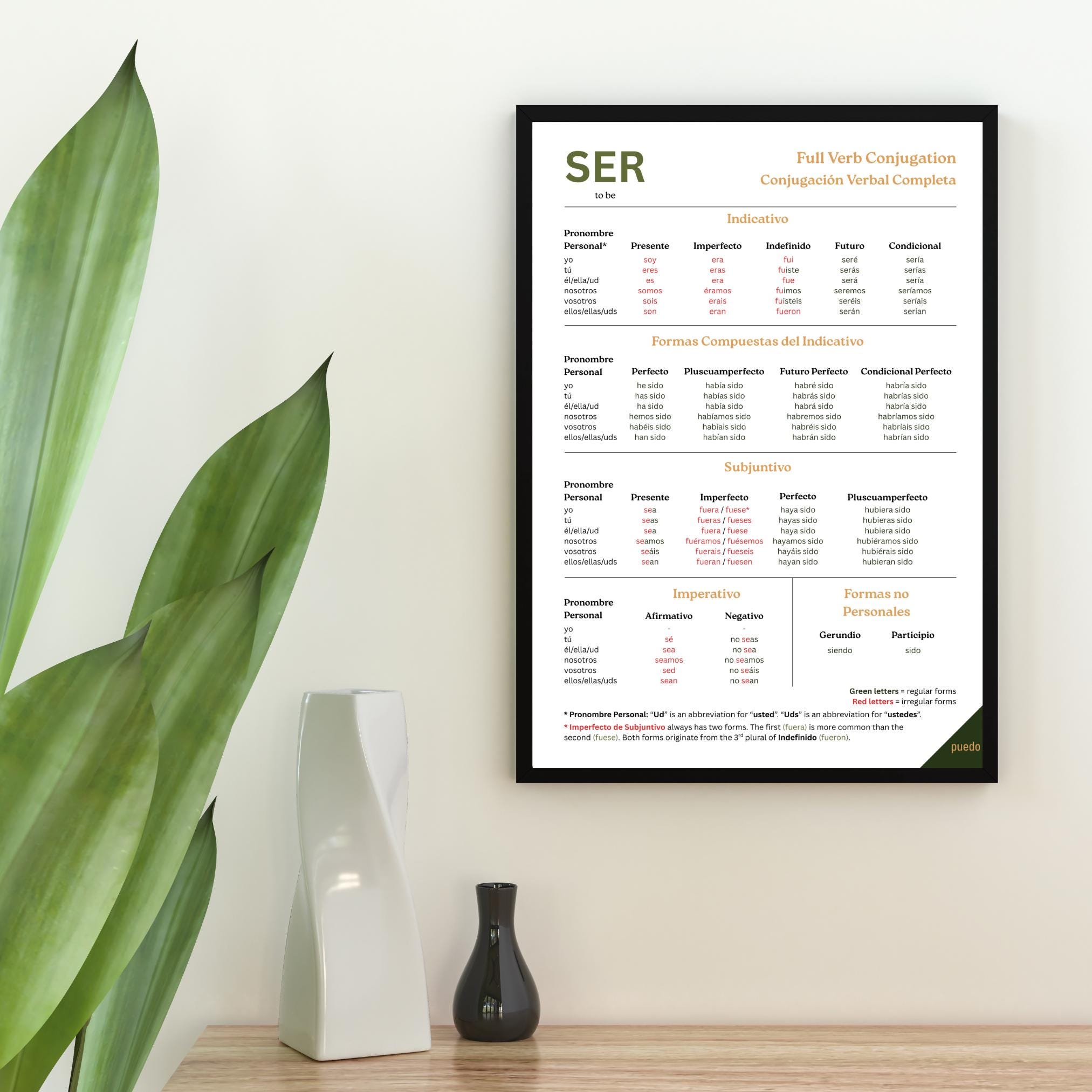
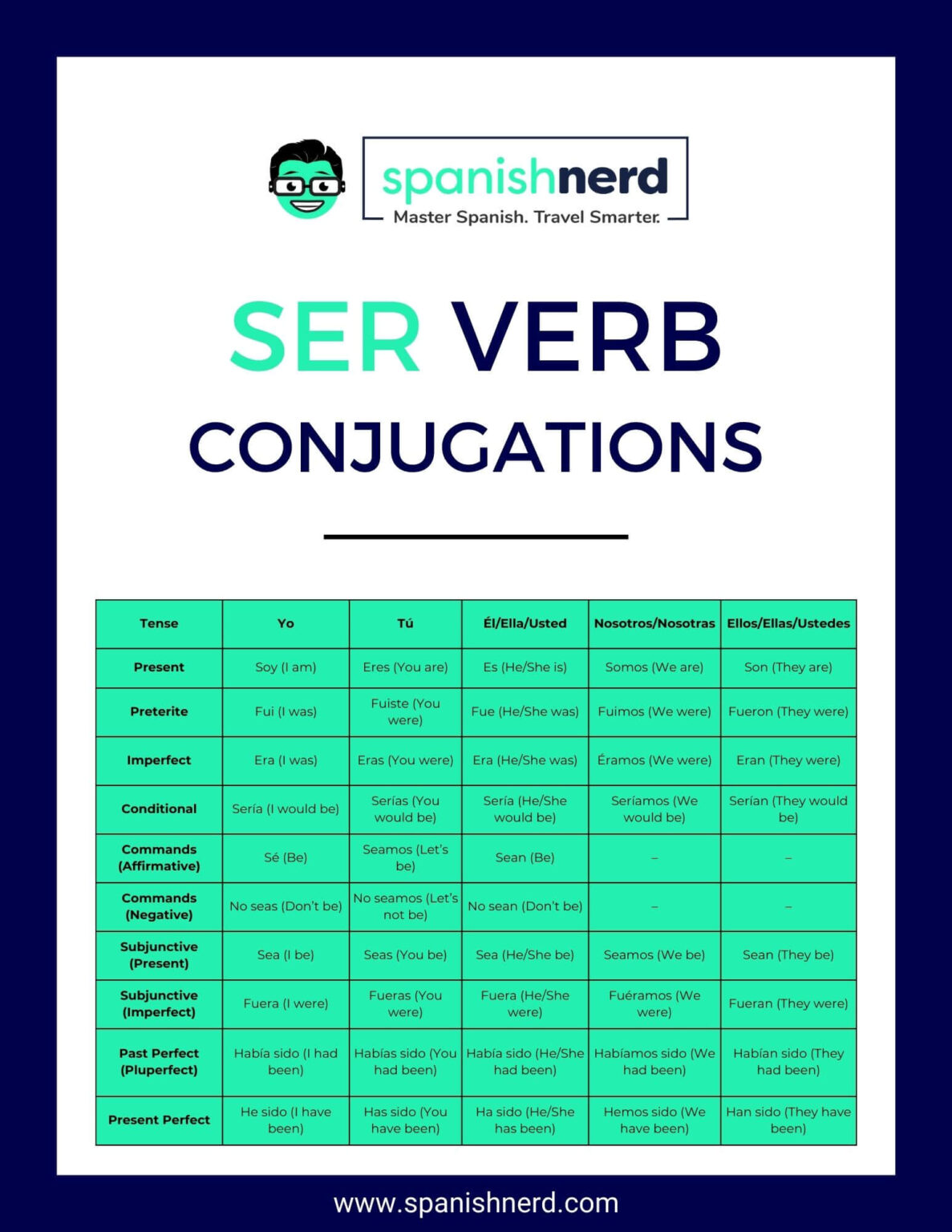
The ser verb chart is an essential tool for anyone learning Spanish or wanting to improve their grammar. This chart provides a clear and concise overview of the verb ser and its various conjugations. With the ser verb chart, you'll have a handy reference to master this crucial verb and its many forms.
Key Details and Categories
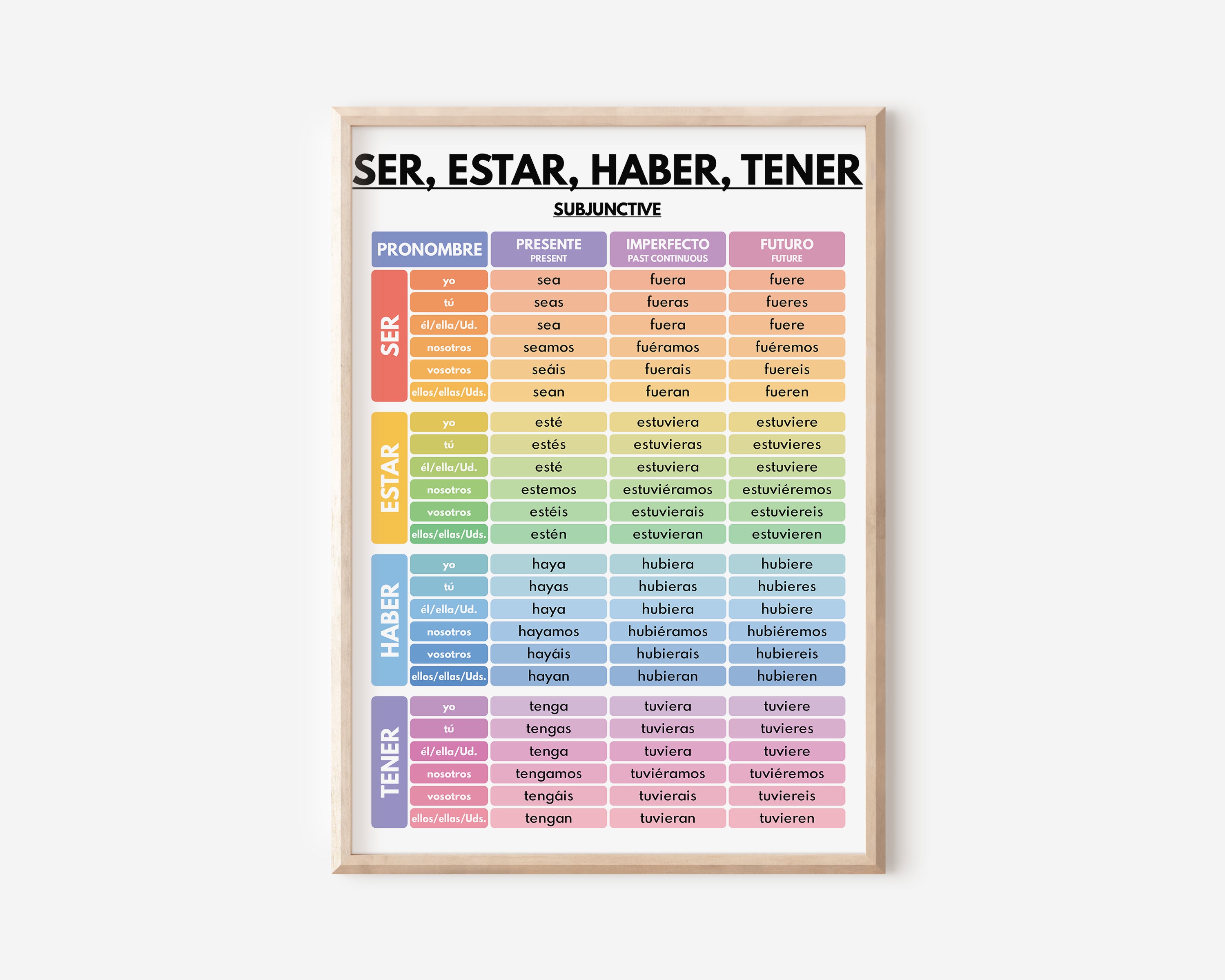
The chart is designed to cover all the essential tenses and forms of the verb ser. You'll find it organized by person, with columns for each pronoun: yo (I), tú (you), él/ella/usted (he/she/you formal), nosotros/as (we), vosotros/as (you all), and ellos/ellas/ustedes (they/you all formal). Each row represents a different tense, such as present, past, future, and conditional. The chart also includes the imperative form and some common irregular forms.
Reading and Applying the Ser Verb Chart
Here's a step-by-step guide on how to use the ser verb chart:
- Identify the person you want to conjugate ser for. Let's say you want to say "I am" in Spanish. Look for the "yo" column.
- Find the present tense row. This is where you'll find the most common form of the verb. So, for "I am," you'd find "soy" in the "yo" column under the present tense.
- For other tenses, simply navigate to the appropriate row. For instance, if you want to say "I was" (past tense), you'd look in the "yo" column under the past tense row, finding "fui."
- The chart also includes irregular forms. These are highlighted or noted separately. For example, the past participle of ser is "sido," which is an irregular form.
- Practice using the chart with different sentences. For instance, "Tú eres mi amigo" (You are my friend) or "Ellos son altos" (They are tall).
Variations and Differences
While the ser verb chart provides a comprehensive guide, it's important to note that Spanish, like any language, has its nuances. Different regions and dialects may have slight variations in verb conjugations. Additionally, the chart primarily covers the indicative mood. Other moods, like the subjunctive, have their own unique conjugations for ser. Always double-check specific situations or more complex sentences to ensure accuracy.
Common Mistakes and How to Avoid Them
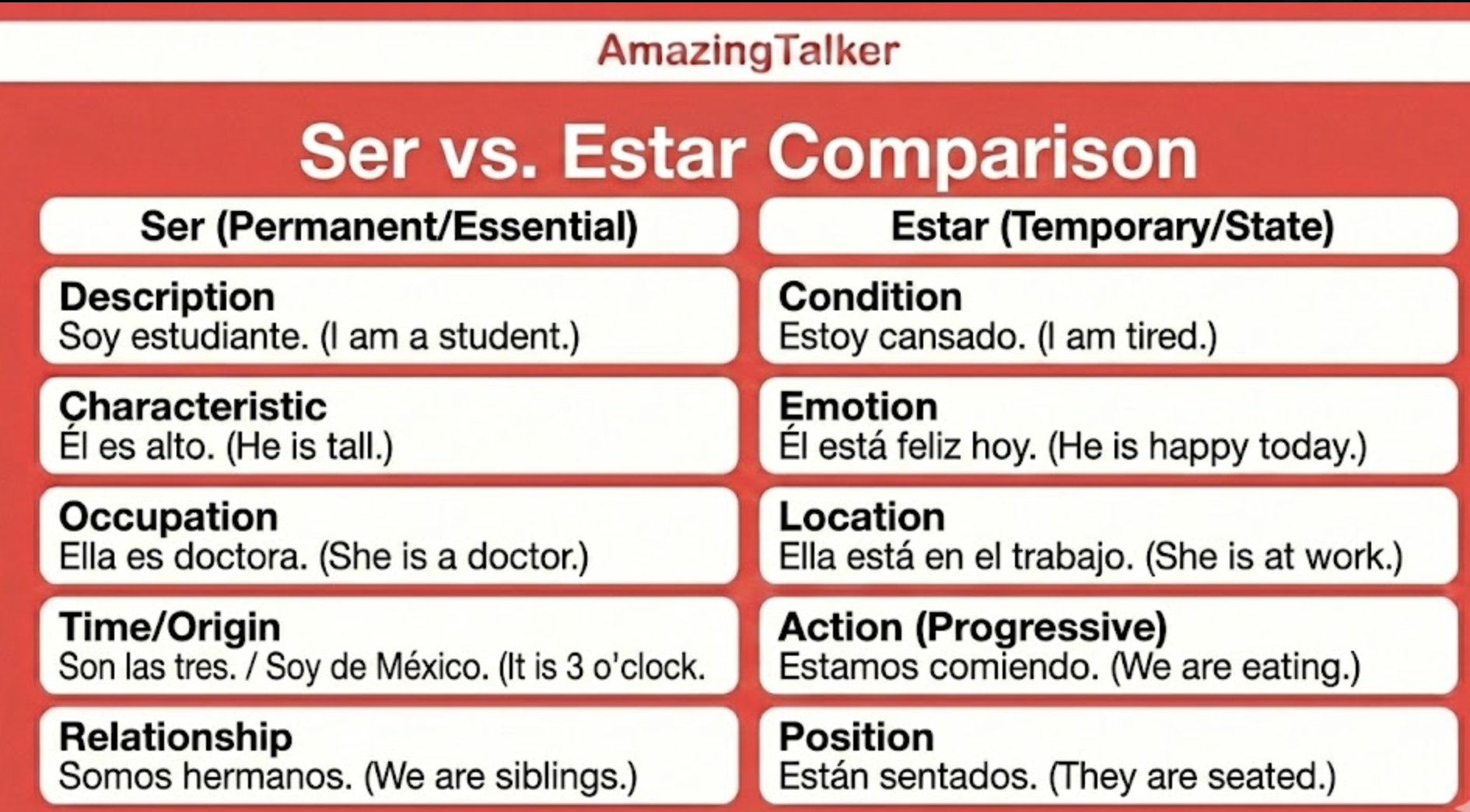
One common mistake is confusing ser with another Spanish verb, estar. Ser is used to describe permanent or inherent characteristics, while estar describes temporary states or locations. Another pitfall is forgetting the irregular forms. While the chart highlights these, it's easy to overlook them if you're not familiar with them. Regular practice and using the chart as a reference can help avoid these errors.
Practical Tips for Accurate Results
To get the most out of the ser verb chart, consider these tips:
- Familiarize yourself with the chart's layout and categories. Understanding the structure will make it easier to navigate and find the right conjugation quickly.
- Practice regularly. Conjugation is a skill that improves with use. The more you practice, the more natural it will become.
- Use the chart as a learning tool. Besides reference, it can help you memorize conjugations and understand verb patterns.
- Explore other resources. While the chart is comprehensive, it's always beneficial to cross-reference with other materials, especially for more complex sentences or less common tenses.
So, there you have it! A handy ser verb chart is a great tool to have in your language-learning arsenal. Remember, the key is to understand the basics, practice regularly, and you'll soon master those tricky verbs.
Before you go, just a quick reminder to always check your specific language learning goals and context. Language standards and conventions can vary, so it's good to be aware of any unique requirements or nuances that might apply to your situation. And don't forget to explore our other guides and resources - we've got plenty of tips and tricks to help you on your language-learning path!
Related: Find Your Perfect Fit: The Levi's Size Chart Guide
Many people approach the Levis size chart with a bit of trepidation, assuming it's a complex and confusing tool. However, it's actually a straightforward guide that can make finding your perfect fit a breeze. The chart, often accompanied by a sizing guide, provides a clear and visual representation of Levis' sizing system, ensuring you can easily navigate the brand's unique sizing standards. It's a simple reference, yet a powerful tool when you understand its layout and key measurements, such as waist size and inseam length.
Understanding the Levis Size Chart
The Levis size chart is a valuable tool for anyone looking to find their perfect fit in Levis jeans. It provides a clear and standardized guide to help you determine your size based on key body measurements. This chart ensures a consistent sizing experience across Levis products, making it easier to shop with confidence.
Key Details and Categories
The Levis size chart typically includes measurements for waist size, hip size, and inseam length. These measurements are crucial in determining the right fit for your body. The chart provides a range of sizes, usually in inches or centimeters, depending on the standard being used. For example, the waist size may be listed in inches, while the inseam length is given in centimeters. It's important to note that these measurements are specific to Levis products and may differ from other brands' sizing guides.
How to Read and Apply the Chart
To use the Levis size chart accurately, follow these steps:
- Measure your waist size: Use a measuring tape to find the circumference of your waist, ensuring the tape is parallel to the floor. This measurement should be taken at the point where you would normally wear your jeans.
- Determine your hip size: Measure the fullest part of your hips, again keeping the tape parallel to the floor. This measurement is crucial for a comfortable and flattering fit.
- Check your inseam length: Measure the length from your crotch to the point where you want your jeans to end. This measurement ensures the jeans have the desired length and fit.
- Refer to the Levis size chart: Locate your waist and hip measurements on the chart. The intersection of these measurements will give you your size. For example, if your waist is 32 inches and your hip measurement is 40 inches, you would look for the size that corresponds to these dimensions.
- Consider the style: Different Levis styles may have slightly different fits, so be sure to check the specific style guide for any variations. Some styles may have a slimmer or more relaxed fit, impacting the overall sizing.
Variations and Differences
It's important to note that sizing can vary across different standards and regions. Levis, like many clothing brands, may have slight variations in their size charts depending on the market. Additionally, individual body shapes and preferences can also impact the fit. Some people may prefer a looser or tighter fit, which can influence their size choice. It's always a good idea to refer to the brand's size guide and consider any style-specific notes.
Common Mistakes and How to Avoid Them
- Not measuring accurately: Ensure you follow the correct measuring techniques to get precise measurements. Inaccurate measurements can lead to an incorrect size choice.
- Ignoring style-specific guides: Different Levis styles may have unique fits. Always check the style guide to ensure you're choosing the right size for the style you want.
- Relying solely on past purchases: Sizing can change over time, and brands may update their size charts. It's best to measure yourself each time you shop to ensure an accurate fit.
- Assuming one size fits all: Levis offers a range of sizes to accommodate different body types. Don't be afraid to try different sizes to find the perfect fit.
- Neglecting care and maintenance: Proper care and maintenance of your jeans can impact their fit over time. Follow the care instructions to ensure your jeans maintain their shape and size.
Well, there you have it! A comprehensive guide to navigating the world of Levi's size charts. Remember, while this chart provides a solid foundation, exact values can vary, so always double-check your specific needs and requirements.
Consider bookmarking this page for future reference; it's a handy tool to have at your fingertips when you need to quickly find the right size. Stay stylish and confident, and happy sizing!