



Army Aft Chart Easy Overview
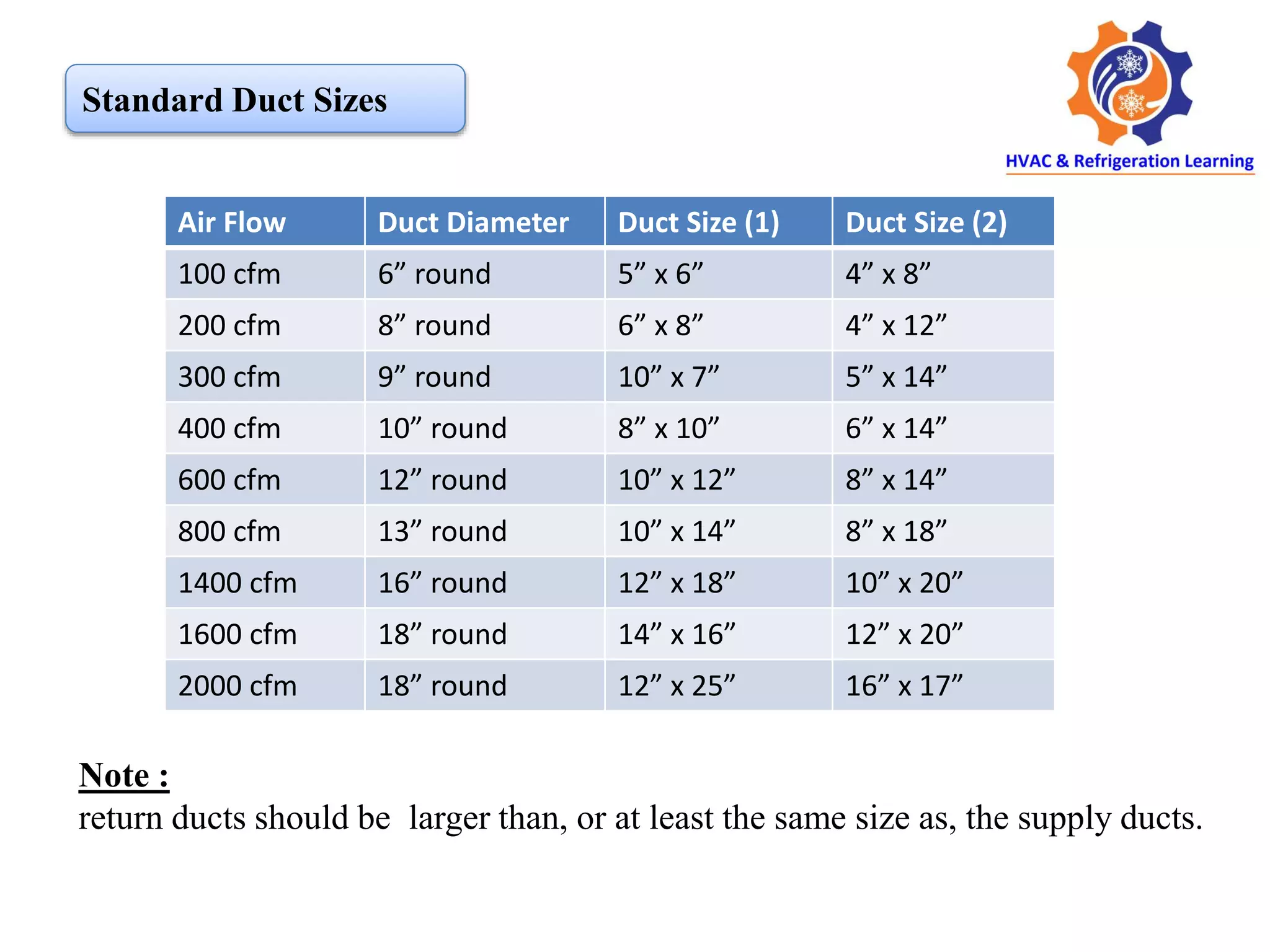
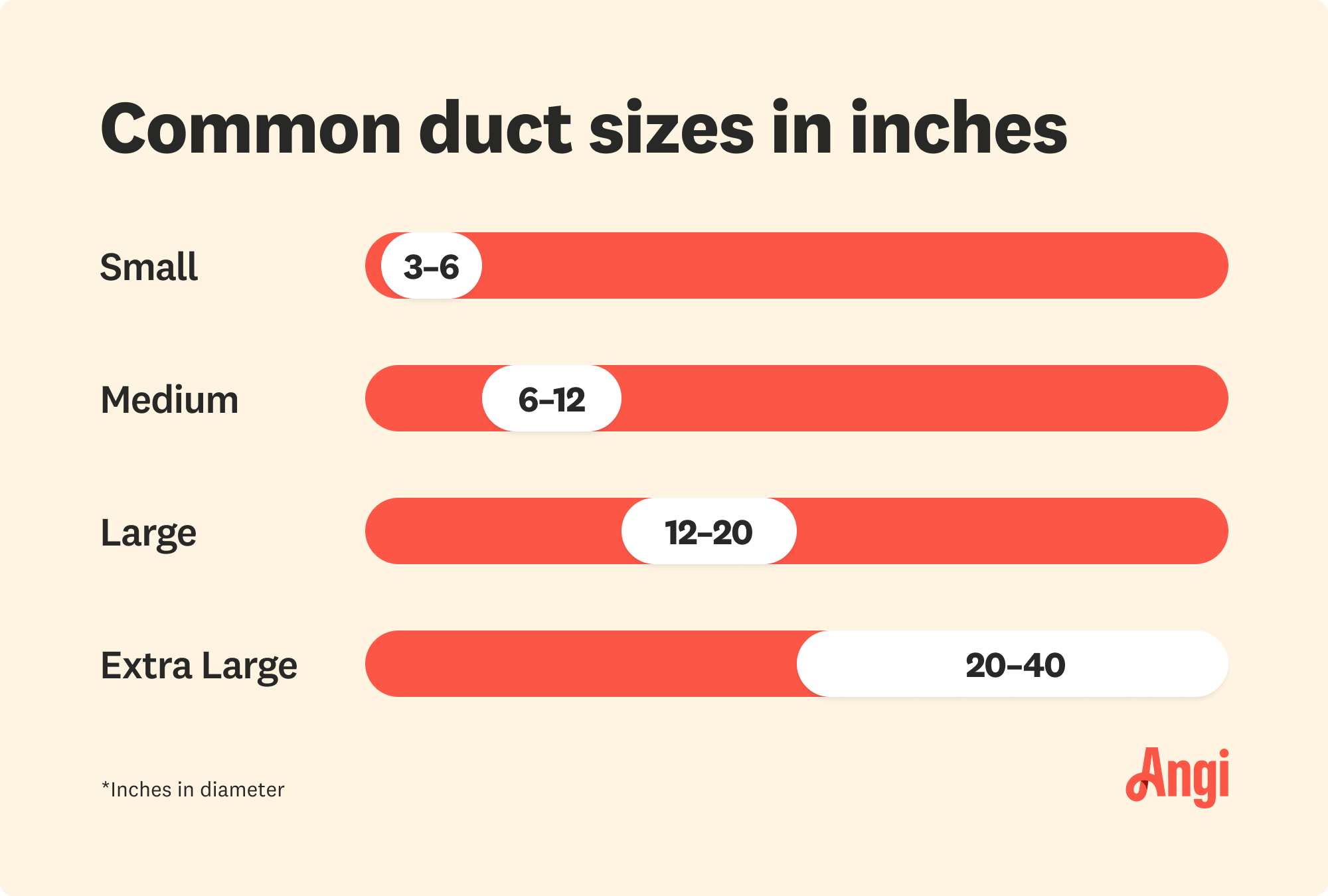
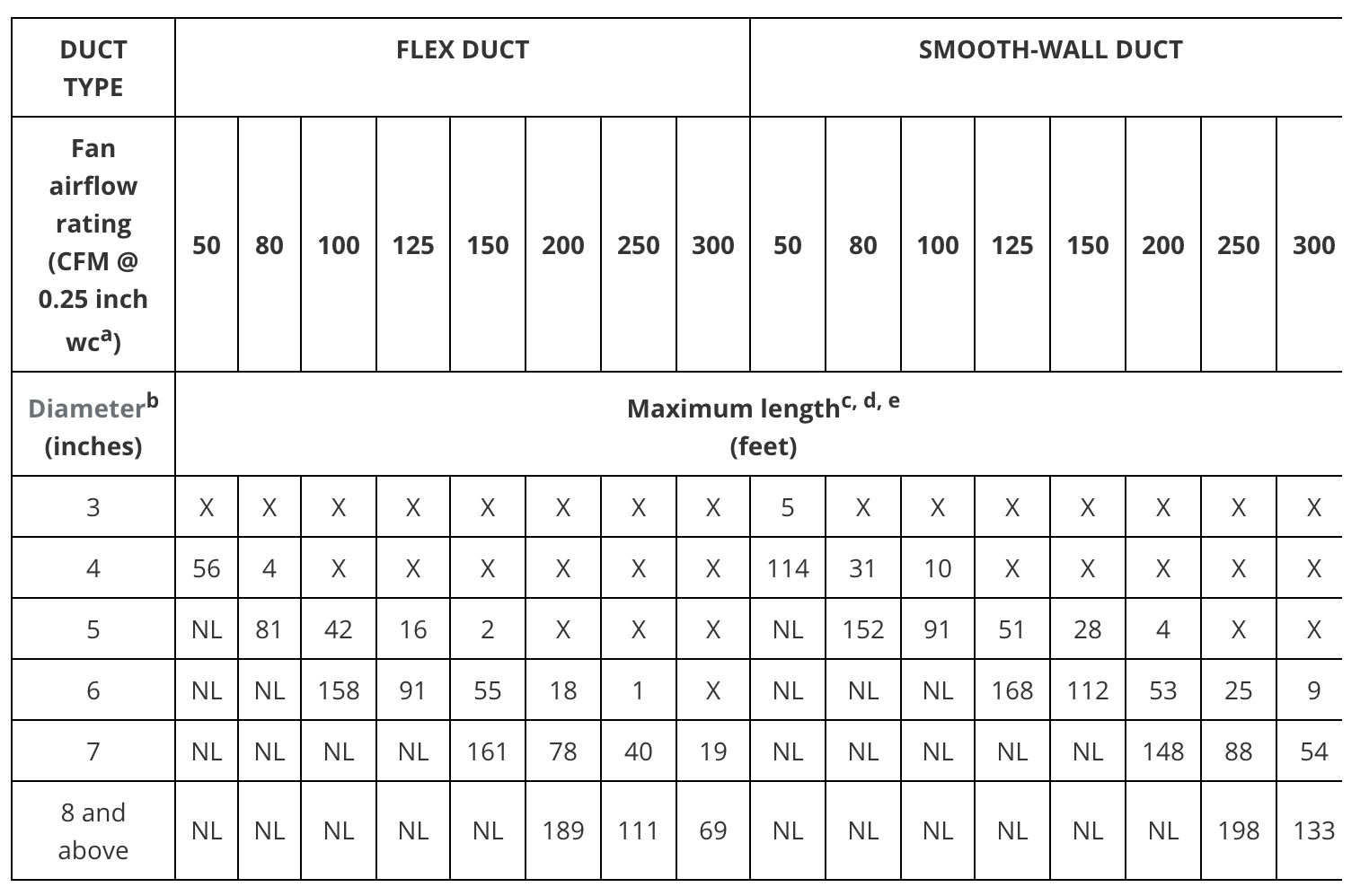
Many people often assume that a duct size chart is a complex and confusing tool, but it's actually a simple and incredibly useful reference for anyone dealing with HVAC systems. While it may look like a basic chart, it's an essential guide to ensure your ductwork is sized correctly. A duct size chart provides a clear overview of standard dimensions, helping you navigate the process with ease.
Duct Size Chart: Your Practical Guide
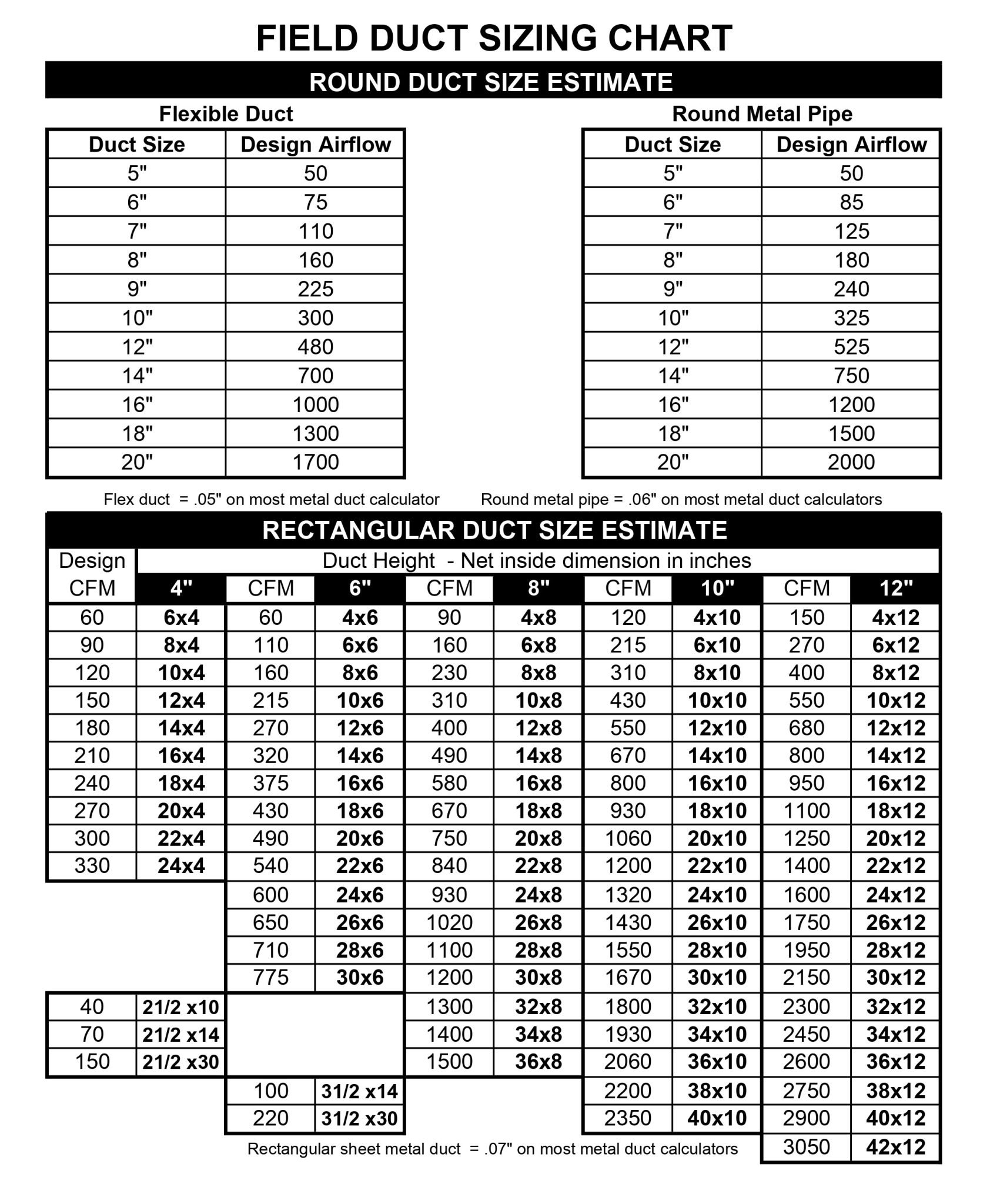
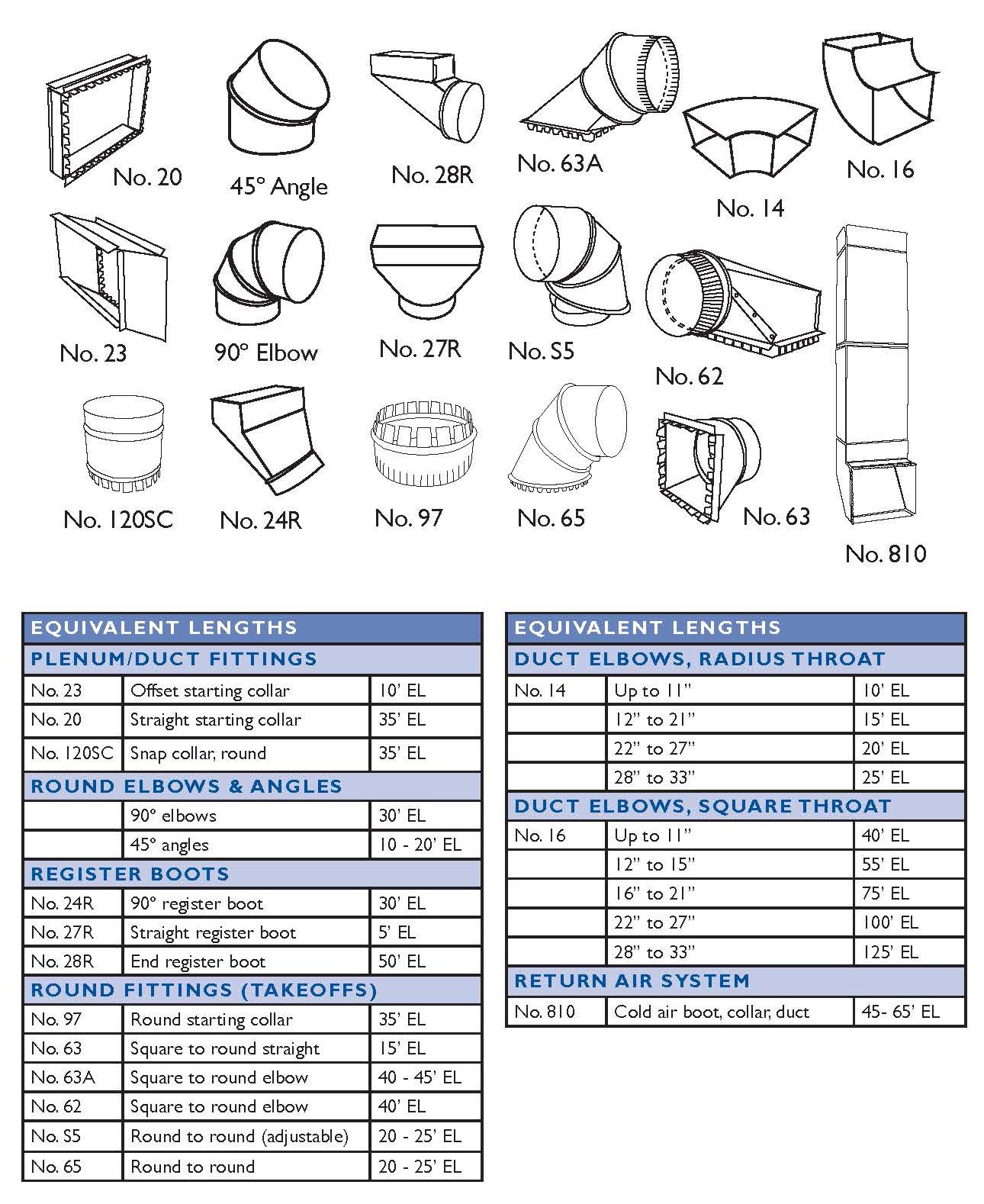
A duct size chart is an essential tool for anyone involved in HVAC (Heating, Ventilation, and Air Conditioning) systems or ductwork installation. It provides a standardized overview of duct dimensions, ensuring consistency and accuracy in design and construction. This chart is your go-to reference for understanding and specifying the right duct sizes for your projects.
Key Details and Categories
The duct size chart typically displays a range of standard duct sizes, with measurements given in both imperial and metric units. These sizes are categorized based on the cross-sectional area and shape of the ducts, with common categories including rectangular, round, and oval. The chart provides a quick reference for selecting the appropriate duct size, ensuring optimal airflow and system efficiency.
Reading the Measurements: A Step-by-Step Guide
Identify the Type: Start by determining the shape of your duct - rectangular, round, or oval. Each shape has its own set of measurements and considerations.
Choose the Standard: Duct size charts often follow specific standards, such as the Imperial or Metric systems. Ensure you are referencing the correct standard for your region or project requirements.
Locate the Size: Find the desired duct size on the chart. The chart will typically list the dimensions, such as width and height for rectangular ducts, or diameter for round ducts.
Verify the Area: Check the cross-sectional area of the duct, which is often provided in square inches or square feet for imperial units, and square centimeters or square meters for metric units. This ensures you are selecting a duct with the right capacity for your airflow needs.
Consider Additional Factors: While the chart provides standard sizes, real-world installations may require adjustments. Factors like insulation thickness, duct material, and system design can influence the final duct dimensions.
Variations and Differences: Understanding the Standards
Duct size charts can vary depending on the standard or region they adhere to. For instance, the Imperial system, commonly used in the United States, has its own set of standard duct sizes, while the metric system, used internationally, follows a different set of measurements. These variations ensure that ductwork installations meet local building codes and industry standards. It's crucial to reference the correct chart for your specific context to avoid errors and ensure compliance.
Well, there you have it! A duct size chart is a handy tool, but remember, it's always best to check the specific requirements and standards relevant to your project. These charts provide a great starting point, but exact values can vary, so it's wise to double-check.
Feel free to explore our other guides; we've got plenty of practical resources to help you navigate various aspects of your projects. Happy planning, and remember to keep those ducts in check!
Related: Need a chore weekly chart? Get one here!
A chore weekly chart is a handy tool to keep your household tasks organized and ensure a smooth daily routine. This guide will show you how to make the most of your chart, offering a simple and effective way to manage chores.
The beauty of a chore chart is its adaptability; you can customize it to fit your family's needs. Whether you prefer a simple task list or a more visual weekly planner, the key is finding a format that works for you and helps keep everyone on track with their household duties.
What is a Chore Weekly Chart?
A chore weekly chart is a practical tool to help you organize and manage household tasks efficiently. It's a visual representation of your weekly chores, making it easier to stay on top of your responsibilities and ensure a clean and well-maintained home.
Understanding the Key Details
The chart typically consists of a grid with days of the week across the top and chore categories down the side. Each cell represents a specific chore for a particular day. Common categories include cleaning tasks like vacuuming, laundry, dishes, and grocery shopping. The chart provides a clear overview of what needs to be done and when.
Reading and Applying the Chart
Here's a step-by-step guide to using your chore weekly chart:
- Start by identifying the tasks you want to include. Consider daily, weekly, and monthly chores, as well as any specific tasks that need to be done regularly, like taking out the trash or changing bed linens.
- Assign tasks to each day of the week. Distribute the chores evenly to avoid an overwhelming workload on any single day.
- Use symbols or colors to indicate the status of each chore. For example, a checkmark can signify completion, while a red X might mean the task is overdue.
- Review and update your chart regularly. As you complete tasks, mark them off. If something comes up and a chore needs to be rescheduled, adjust the chart accordingly.
- Involve your family or housemates. If you're sharing the workload, ensure everyone understands their responsibilities and can refer to the chart for guidance.
Variations and Differences
While the basic concept of a chore weekly chart remains consistent, there can be variations based on personal preferences and household needs. Here are some factors that may cause differences:
- Household size: A larger family may require more complex chore rotations to ensure fairness.
- Individual preferences: Some people prefer a simple list format, while others like the visual appeal and organization of a chart.
- Task frequency: Certain chores may need to be done daily or monthly, influencing how you structure your chart.
Common Mistakes and How to Avoid Them
It's easy to make mistakes when creating a chore weekly chart, but these tips can help you avoid them:
- Overloading: Avoid assigning too many tasks to one day. Spread the workload evenly to prevent burnout.
- Forgetting regular tasks: Include all recurring chores, even if they seem obvious. It's easy to overlook something like taking out the recycling or wiping down kitchen counters.
- Not updating: Regularly review and update your chart to reflect changes in your routine or household needs.
Tips for Success
To make the most of your chore weekly chart and ensure it works effectively for your household, consider these best practices:
- Personalize your chart: Tailor it to your specific needs and preferences. Add notes or symbols that make sense to you and your family.
- Keep it visible: Display your chart in a central location, like the kitchen or family room, so everyone can refer to it easily.
- Review and adjust: Regularly assess how well your chart is working and make adjustments as needed. Flexibility is key to a successful chore management system.
- Involve everyone: Encourage participation and ownership of chores by involving all family members or housemates in creating and maintaining the chart.
A chore weekly chart is a great way to stay organized and ensure everyone pitches in. With the right approach, you can create a simple and effective system for your household. Remember, it's all about finding a balance and making it work for your unique situation.
When adapting any guide, it's important to consider your specific needs and context. While these charts offer a solid framework, they can be tailored to suit your family's routines and preferences. So, take the time to customize and make it your own! And don't forget to explore our other resources for even more practical tips and tricks.
Related: How to Read the Charter Oak Winery's Chart?
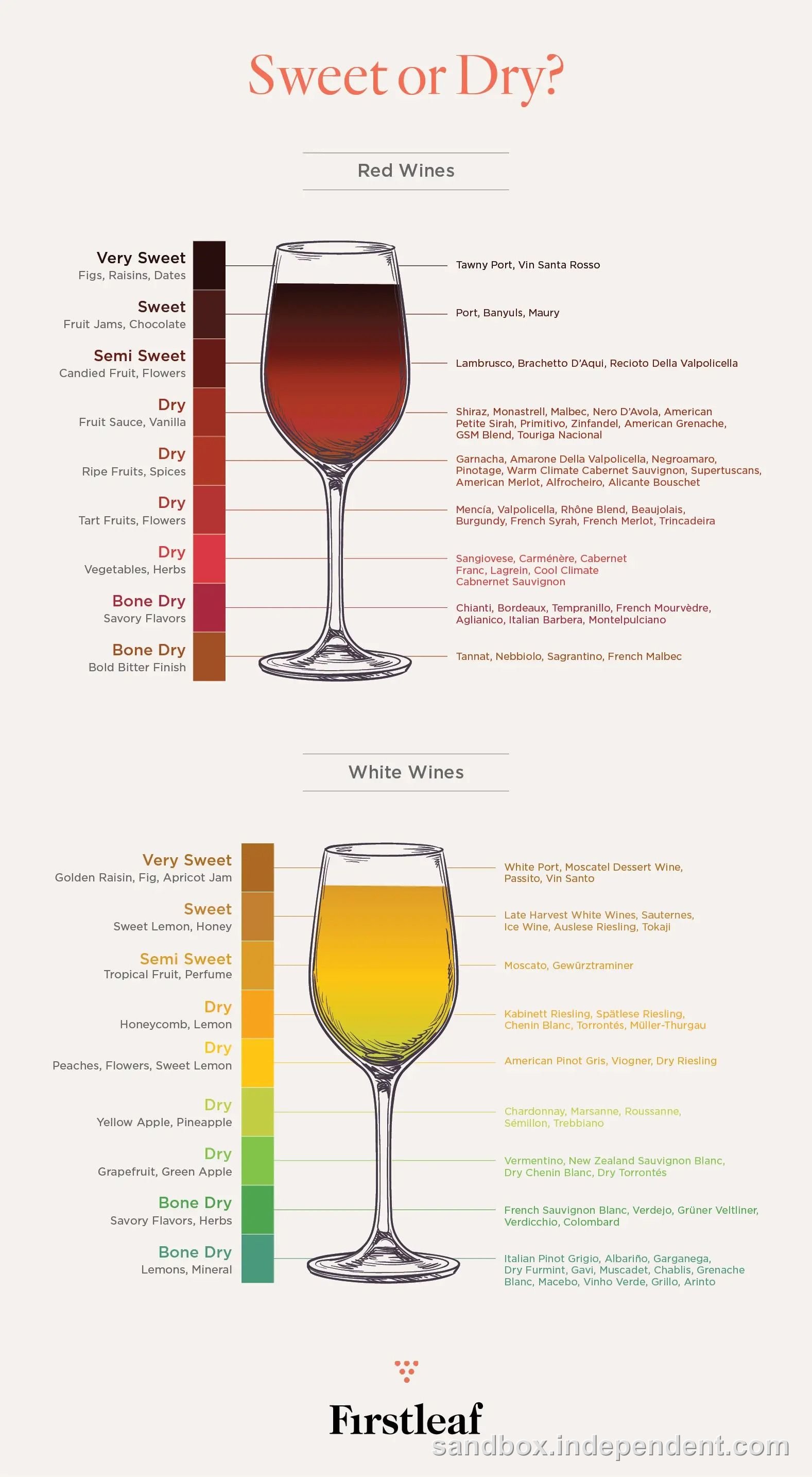
If you're seeking a quick reference on a specific winery, you've come to the right place. Charter Oak Winery is a name that might ring a bell for wine enthusiasts, and it's no surprise, given their reputation for quality. This winery, known for its attention to detail, offers an extensive wine list, providing an array of choices for any occasion. From the classic oak barrel aging to modern wine production processes, their wines are a true reflection of their dedicated craft.
Charter Oak Winery: A Guide to Understanding the Chart
Charter Oak Winery provides a comprehensive chart that offers valuable insights into their wine production process and the unique characteristics of their wines. This guide will help you decipher the information presented on the chart, ensuring an enjoyable and informed wine-tasting experience.
Key Details and Categories
The chart from Charter Oak Winery covers essential information about their wine offerings. It typically includes details such as the wine region, oak barrel aging duration, and wine production process techniques. Additionally, you'll find notes on the wine's aroma, taste, and texture, providing a sensory guide. Each wine is categorized by its varietal and vintage, offering a snapshot of its unique qualities.
Reading the Chart: A Step-by-Step Guide
To navigate the chart effectively, follow these steps:
Begin by locating the wine you wish to explore. The chart is typically organized by wine name or varietal, making it easy to find your preferred choice.
Once you've identified the wine, pay attention to the wine region it originates from. This provides context for the wine's unique characteristics, influenced by the region's climate and soil.
Take note of the oak barrel aging duration. This process imparts a range of flavors and textures, so understanding the aging time can offer insights into the wine's complexity.
Explore the wine tasting notes section. Here, you'll find detailed descriptions of the wine's aroma, taste, and texture. These notes guide you in appreciating the wine's unique sensory experience.
Finally, consider the wine production process techniques mentioned. Different methods, such as traditional or modern approaches, can influence the wine's overall profile.
Variations and Differences
It's important to note that wine production is an art, and variations can occur due to various factors. Here are some key considerations:
Wine region: Different regions have unique climates and soil compositions, leading to distinct grape characteristics and, consequently, variations in the resulting wine.
Oak barrel aging: The duration and type of oak barrels used can significantly impact the wine's flavor and texture. Longer aging periods often result in more complex and robust flavors.
Wine production process: Winemakers may employ different techniques, such as traditional or innovative methods, which can influence the wine's style and character.
Vintage: Each vintage year brings its own set of weather conditions and grape qualities, leading to unique wines within the same varietal.
Common Mistakes and How to Avoid Them
To ensure an accurate understanding of the chart and wine characteristics:
Avoid assuming that all wines from a specific region taste identical. Each wine region has diverse sub-regions, each with its own unique attributes.
Don't neglect the importance of oak barrel aging. The duration and type of oak used can significantly impact the wine's flavor profile, so pay attention to these details.
Be mindful of the wine production process techniques. Understanding the winemaker's approach provides context for the wine's style and character.
Remember that vintage variations are natural and can lead to unique wine experiences, even within the same winery and varietal.
Well, there you have it! A comprehensive guide to Charter Oak Winery and its unique offerings. Remember, when it comes to wine, context is key. So, be sure to consider your specific needs and preferences before making any decisions.
Feel free to explore our other guides and resources; we've got a wealth of information to help you navigate the world of wine with ease and confidence. Happy browsing, and cheers to your next wine adventure!