





Army Cutting Scores Overview
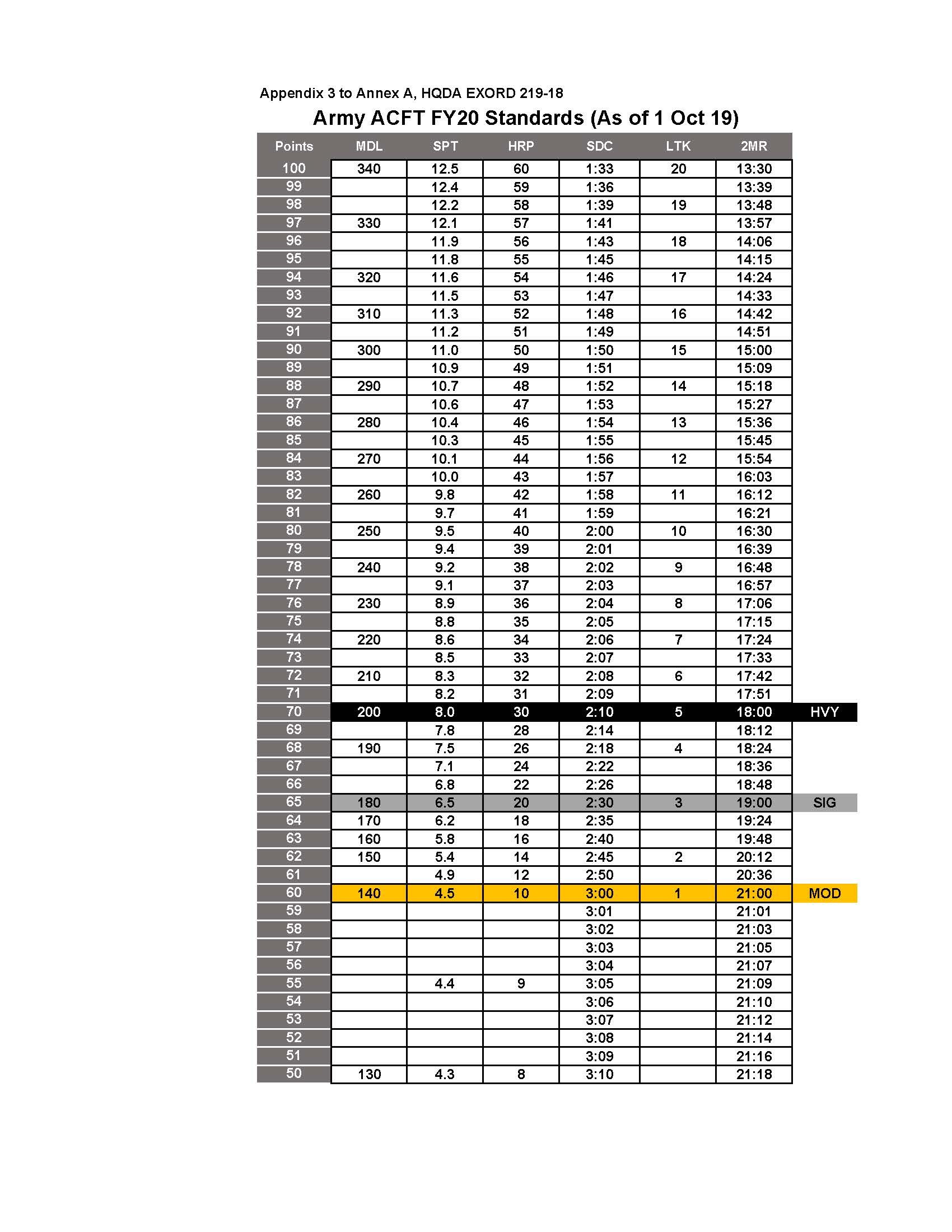
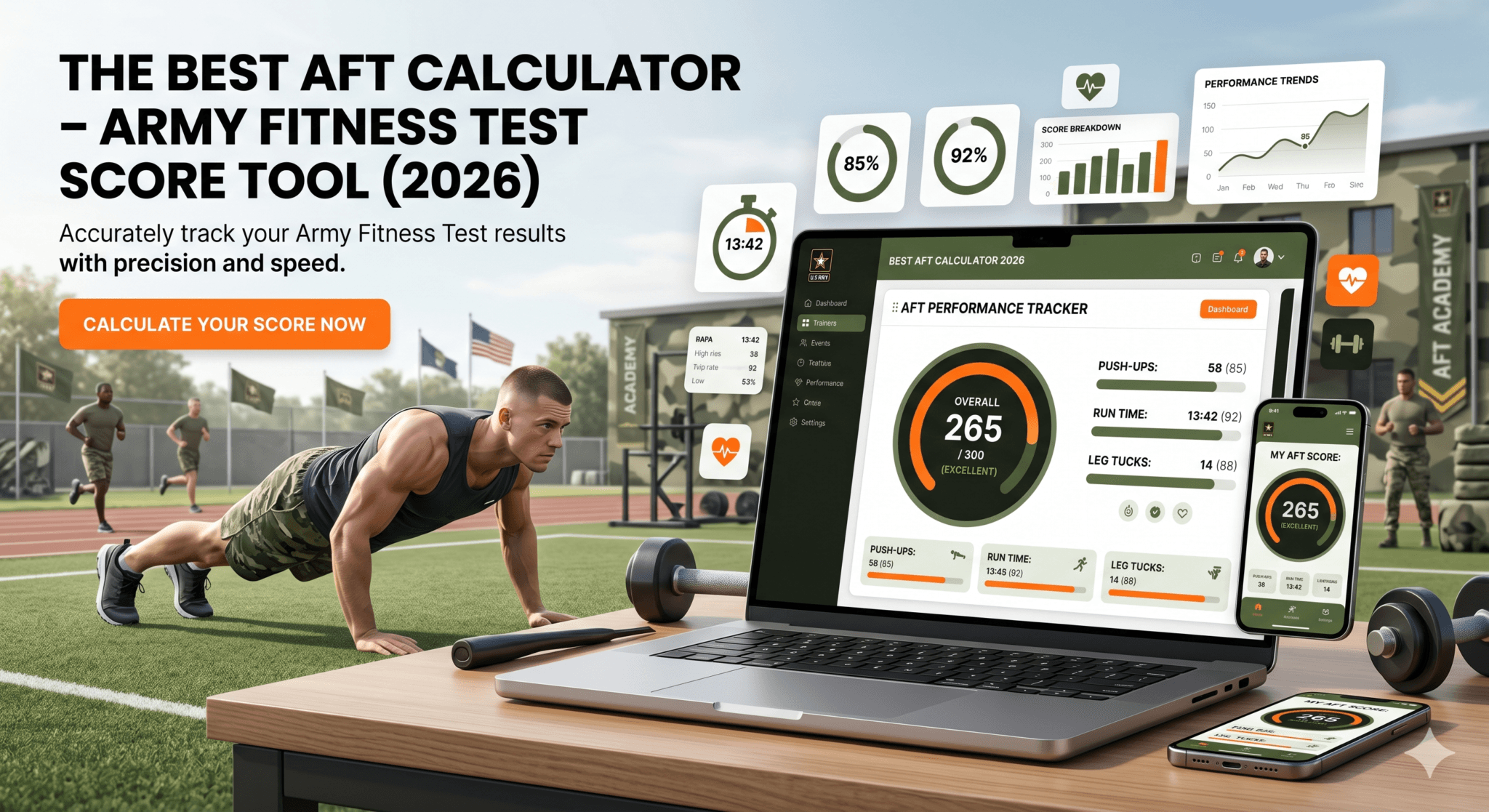
The army aft chart is a handy tool for anyone looking to understand and track their physical fitness progress, especially those with a military background or an interest in meeting army fitness standards. This guide will cover the basics of reading and interpreting the chart, ensuring you can use it effectively.
It provides a clear visual representation of the Army Physical Fitness Test (APFT) standards, including push-up and sit-up requirements, and can help you assess your current fitness level and set goals. While the exact values may vary depending on your region and specific army guidelines, the chart offers a reliable framework to get you started on your fitness journey.
Understanding the Army AFT Chart
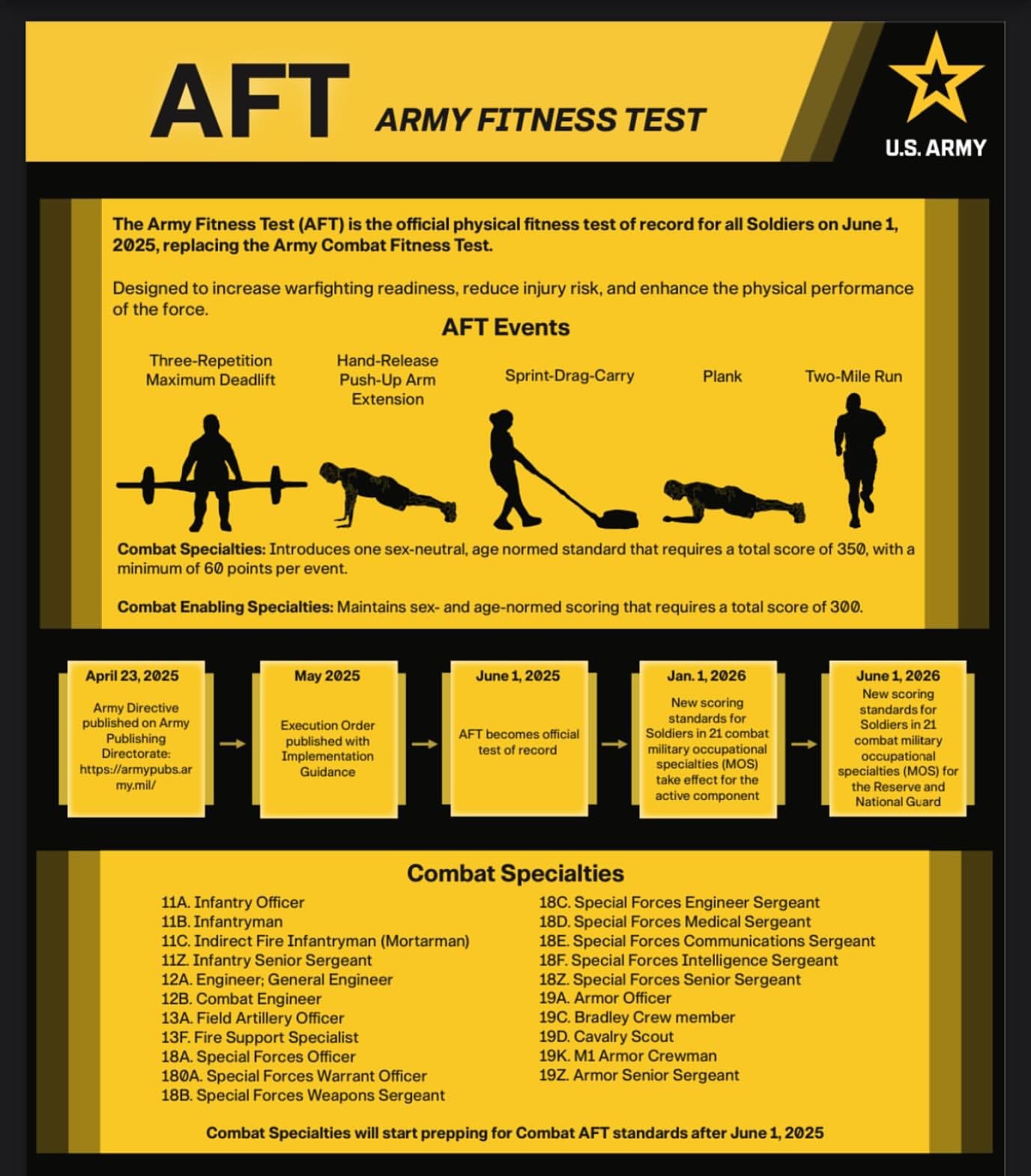
The army aft chart, or the Army Physical Fitness Test (APFT) chart, is a valuable tool used to assess and evaluate soldiers' physical fitness levels. It provides a standardized way to measure and compare performance across different units and individuals. This chart is an essential reference for soldiers and their commanders, as it helps determine if they meet the required physical standards.
Comparing APFT Standards and Categories
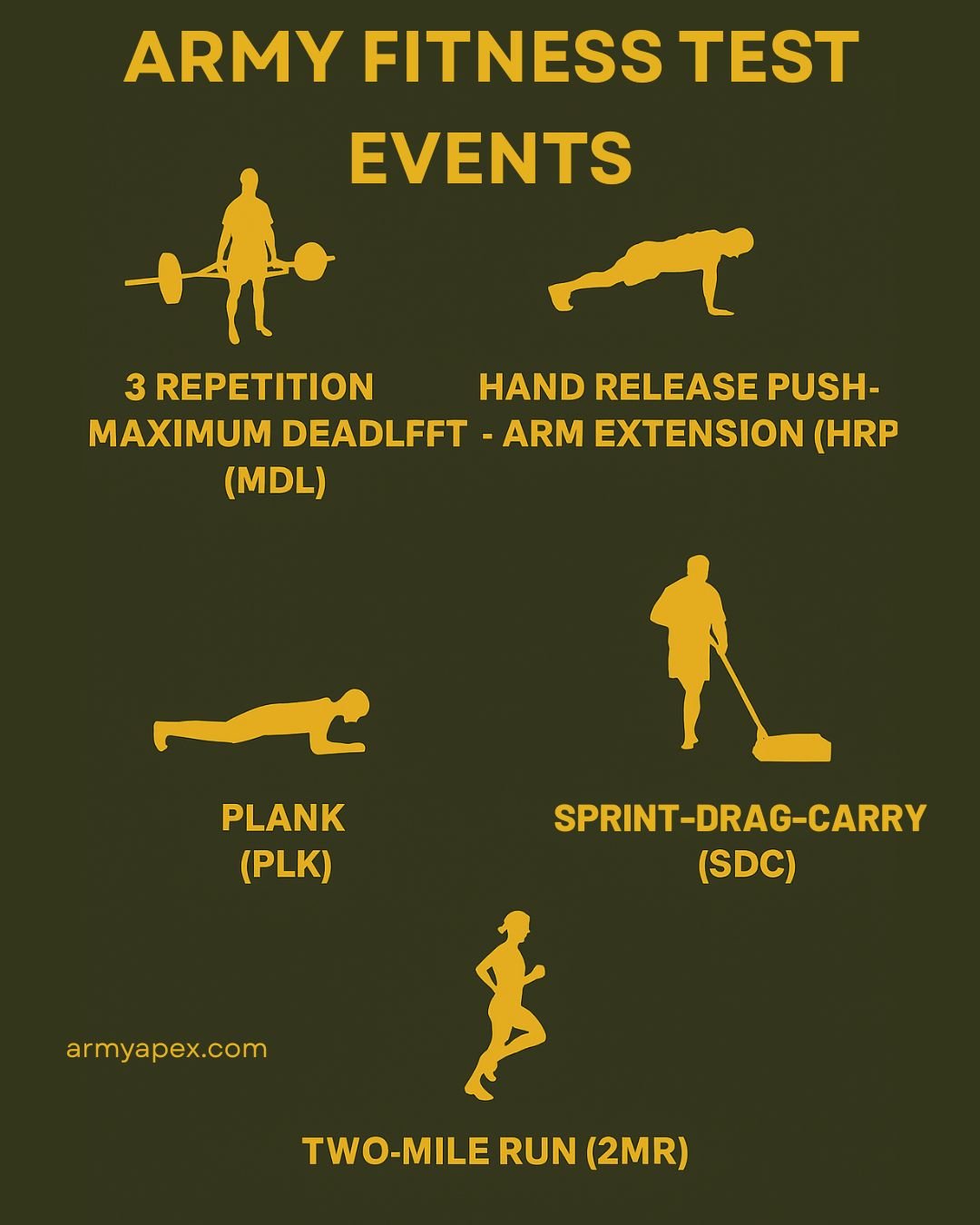
The army aft chart consists of various categories and standards that soldiers must meet. These categories typically include push-ups, sit-ups, and a two-mile run. Each category has specific performance standards, and soldiers are scored based on their ability to meet or exceed these standards. The chart provides a clear breakdown of the expected performance for each category, ensuring consistency and fairness in assessments.
Step-by-Step Guide to Using the APFT Chart
Using the army aft chart is straightforward, but it requires attention to detail. Here's a simple guide:
- Identify the category you want to assess, whether it's push-ups, sit-ups, or the run.
- Locate the corresponding column on the chart. Each category has its own set of standards.
- Determine your age group, as age-based standards are applied.
- Perform the exercise or run as per the test guidelines.
- Refer to the chart to find your score. The chart provides a range of scores, and you aim to achieve the highest score possible.
- Repeat this process for all categories to get a comprehensive assessment.
Avoiding Common Misreadings and Pitfalls
One common mistake is misinterpreting the age categories. Ensure you are referring to the correct age group, as standards can vary significantly between younger and older soldiers. Additionally, pay attention to the specific test guidelines for each category. For instance, the push-up and sit-up standards might have different requirements for male and female soldiers. Always double-check the instructions to avoid any confusion.
Factors Affecting Accuracy and Real-World Performance
While the army aft chart provides a standardized assessment, several factors can influence the accuracy of the results. These include individual fitness levels, training consistency, and even environmental conditions. For instance, performing the two-mile run on a hot day with high humidity can impact your performance. It's crucial to consider these variables and ensure fair testing conditions to get accurate assessments.
Adapting the Chart for Specific Needs
The army aft chart is designed to be flexible and adaptable to various situations. If you have specific fitness goals or are preparing for a particular mission, you can use the chart to tailor your training. For example, if you aim to improve your endurance for long-distance runs, you can focus on the run category and aim for higher scores. The chart allows you to track your progress and set achievable goals.
Maintaining Reliable References for Future Assessments
To ensure the reliability of your assessments, it's essential to keep an updated copy of the army aft chart. The chart may undergo revisions and updates to reflect changing standards or new research. Stay informed about any changes and ensure you are using the most recent version. Additionally, regularly review the test guidelines and procedures to maintain consistency in your assessments. This way, you can accurately track your progress and compare it with others.
The army aft chart is a powerful tool for soldiers to gauge their physical fitness and ensure they meet the required standards. By understanding the categories, interpreting the results accurately, and adapting the chart to specific needs, soldiers can take control of their fitness journey and strive for excellence. Remember, consistent training and attention to detail are key to achieving the best results.
Hey there, we hope this guide has been helpful in demystifying the Army AFT Chart and its various aspects. Remember, while we've covered the basics, the specifics can differ slightly based on your unique circumstances. So, keep an eye out for those nuances!
If you're keen to explore more practical guides like this, feel free to browse our collection. We've got a range of topics to suit your needs, all designed to make your life a little easier. Happy reading and learning!
Related: Uncover the Army Ribbons Chart: A Simple Guide
An army ribbons chart is a handy tool for anyone wanting to quickly identify and understand military awards and decorations. This guide will give you a simple breakdown of what these charts are and how they work, covering the basics you need to know.
These charts, often referred to as an army awards chart or military ribbon rack, provide a visual representation of the various service ribbons and medals. While the specific values and formats may vary, they offer a clear and concise way to display and organize these awards, ensuring an accurate and efficient reference.
Understanding Army Ribbons Chart
An army ribbons chart is a visual guide that displays the various awards and decorations earned by military personnel. It provides a clear and organized way to showcase an individual's achievements and honors. This chart is an essential tool for understanding and appreciating the recognition given to service members.
Key Details and Categories
The chart typically includes different types of ribbons, each representing a specific award or decoration. These ribbons are arranged in a specific order, known as the "award and decoration order." The order is crucial as it indicates the seniority and importance of each award. Common ribbon categories include service ribbons, campaign ribbons, and achievement medals. Each ribbon has its own unique design and color scheme, making it easy to identify.
Reading the Rack: A Step-by-Step Guide
When reading an army ribbons chart, pay attention to the placement and arrangement of the ribbons. The chart often follows a standard format, with ribbons displayed in rows or columns. Start by identifying the top row, which usually represents the highest-ranking awards. Work your way down, noting the different ribbons and their positions. Each ribbon's position indicates its order of precedence, with the most prestigious awards placed higher.
Variations and Differences
It's important to note that army ribbons charts can vary depending on the military branch and the specific standards followed. Different countries and regions may have their own unique award systems and ribbon designs. Additionally, within the same military branch, variations can occur due to changes in regulations or the introduction of new awards. Common factors that cause variations include the individual's service record, unit-specific awards, and the time period in which the awards were earned.
To ensure accuracy, it's recommended to refer to official sources and guidelines provided by the relevant military branch. These sources will provide detailed information on the correct placement and order of ribbons, ensuring an accurate and respectful display. Remember, the army awards chart is a dynamic representation of an individual's achievements, and understanding these variations is key to interpreting it correctly.
Well, there you have it! A handy chart to keep close by for all your army ribbon queries. Remember, these are general guidelines, and it's always wise to confirm the specifics for your particular situation.
Feel free to explore our other resources on similar topics. We've got a bunch of guides and references to help you navigate these details with ease. Happy learning!