



Army Rangers Salary Overview
You're here, searching for that fdny salary chart, probably to get a quick glimpse of the numbers and understand what you're dealing with. It's a handy reference, and these charts can vary, so it's great to have an overview. The FDNY salary structure is designed to reward experience, and you'll see that reflected in the different roles and their pay grades. From firefighters to EMS, captains, and lieutenants, each position has its own pay scale, and the fdny salary chart gives you a snapshot of these.
Understanding the FDNY Salary Chart
The FDNY salary chart is a valuable tool that provides insight into the compensation structure for firefighters and emergency medical services (EMS) personnel within the Fire Department of New York City (FDNY). It offers a clear overview of the salary ranges, rank-based pay, and benefits associated with different positions.
Key Details and Categories
When examining the FDNY salary chart, you'll notice it's organized by rank and position. The chart typically includes roles such as firefighters, lieutenants, captains, and EMS personnel. Each position is further categorized by years of service or experience, with corresponding salary ranges. Additionally, the chart may provide information on overtime pay and pension calculations, which are essential components of FDNY compensation.
Reading and Applying the Chart
To utilize the FDNY salary chart effectively, follow these steps:
- Identify your position and rank within the FDNY. This is crucial as it determines your specific salary range.
- Locate your rank on the chart and find the corresponding salary column. Ensure you're considering the correct pay grade based on your years of service.
- Review the salary range provided for your position and rank. This range typically represents the minimum and maximum earnings for that role.
- Understand that overtime pay is often calculated separately and may not be included in the base salary range.
- If you're planning for retirement, use the pension calculator section of the chart to estimate your pension benefits.
- Remember, the chart provides a general overview, so individual circumstances and factors may impact your exact compensation.
Variations and Differences
Salary variations within the FDNY can occur due to several factors:
- Years of Service: As you gain experience and progress in your career, your salary range typically increases.
- Rank and Position: Different ranks and positions within the FDNY have distinct salary structures.
- Overtime Pay: FDNY personnel may earn additional income through overtime work, which can significantly impact their overall compensation.
- Pension Benefits: Retirement benefits vary based on individual contributions and years of service.
- Special Assignments: Certain roles or assignments within the FDNY may come with unique compensation packages.
Common Mistakes and How to Avoid Them
When interpreting the FDNY salary chart, avoid these common pitfalls:
- Assuming the chart covers all aspects of compensation: Remember, it provides a general overview. Double-check with official FDNY resources for detailed information on specific benefits and allowances.
- Ignoring rank-based pay differences: Each rank has its own salary range, so ensure you're considering the correct pay grade.
- Overlooking overtime pay: Overtime work can significantly boost your earnings, so factor it into your financial planning.
- Forgetting about pension calculations: Retirement planning is crucial. Use the pension calculator to estimate your future benefits accurately.
- Not considering individual factors: Your exact compensation may vary based on personal circumstances and performance. Consult with FDNY resources for a precise understanding of your earnings.
Well, there you have it! A handy guide to understanding the FDNY salary chart. It's always good to have a clear picture of the numbers, and now you know where to start.
Remember, these figures are a great reference, but it's important to check the specifics for your situation. Exact values may differ slightly, so always double-check the official sources for your context. It's a quick and easy process, and now you have the tools to do it confidently.
Related: Junior Estimator Salary Essential Guide
"Wow, that construction site looks busy! I wonder how they plan and cost all these projects. It must be a lot of work, and someone has to do it. I'm curious about junior estimator salaries and what that job entails."
Estimating: The Foundation of Construction
As a building project begins, someone has to estimate the costs. That's where junior estimators come in. They play a crucial role in the early stages, helping to shape the financial plan. It's a detailed process, and their work affects the entire project. So, what does a junior estimator do, and what can you expect from this role?
Estimators gather data, analyze costs, and create detailed reports. They consider materials, labor, and any specific requirements. It's a precise job, and estimators must be accurate to avoid costly mistakes. They work with contractors, architects, and clients to ensure everyone is on the same page. The role is an important one, and it's a great starting point for a career in construction.
A Day in the Life of a Junior Estimator
A typical day might involve researching and comparing prices for materials. Estimators need to find the best deals without compromising quality. They also calculate labor costs, considering the scope of the project and the required skills. It's a balancing act, ensuring the estimate is competitive while also being realistic. Junior estimators often work with more experienced colleagues, learning the trade and developing their skills.
Finding a Junior Estimator Role
If you're interested in this field, you'll likely find opportunities with construction companies, remodeling firms, and even larger building organizations. It's a role often filled by recent graduates or those with some relevant experience. When looking for jobs, check online job boards and company websites. You might also find openings through industry connections or by approaching companies directly.
What to Expect from the Salary
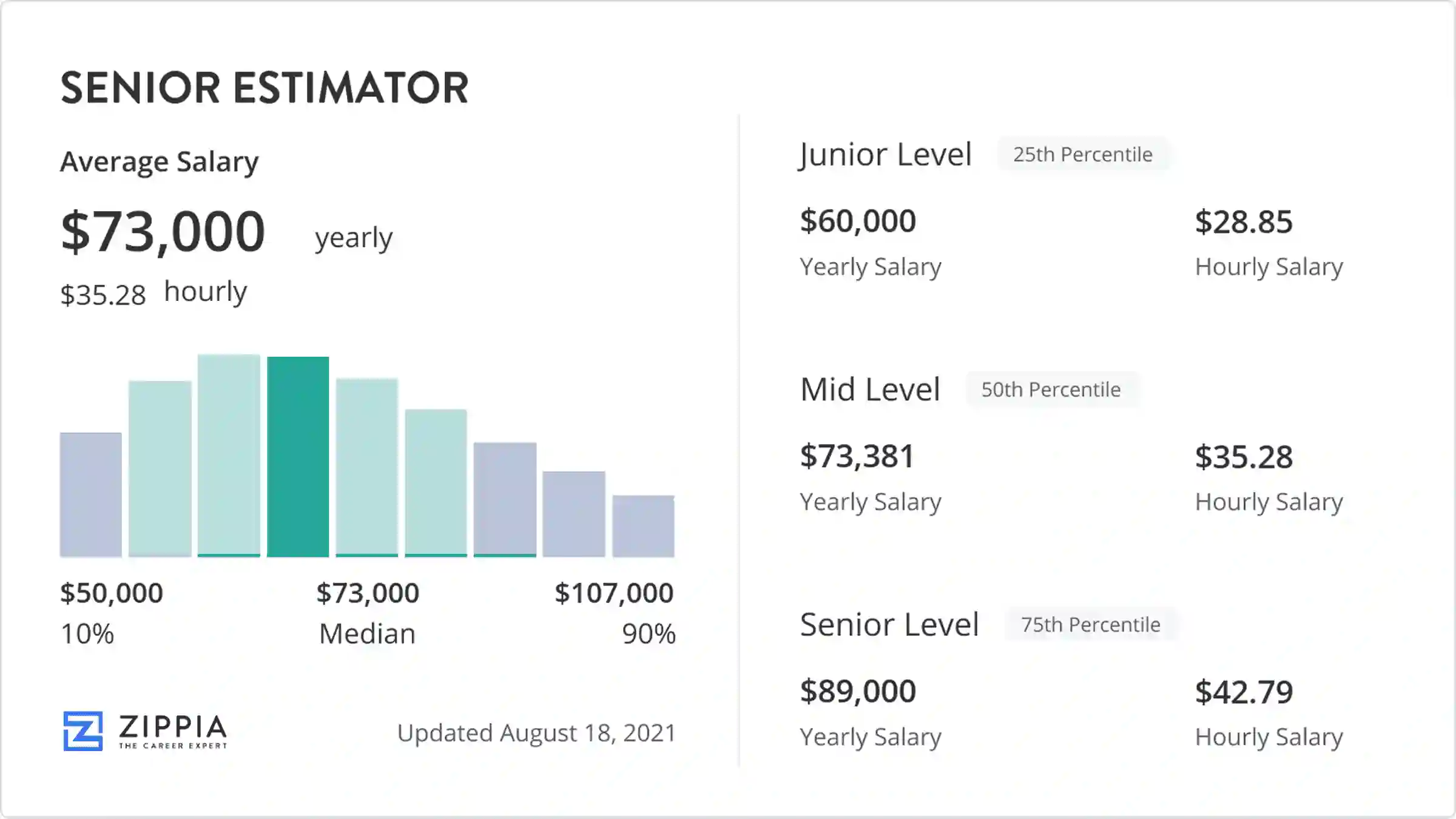
Junior estimator salaries can vary depending on the company, location, and your experience. It's a role that often comes with a set salary, rather than an hourly rate. As you gain experience, your salary is likely to increase. It's a great starting point, offering a stable income and the chance to develop valuable skills.
Building a Career in Estimating
Estimating is a specialized field, and with experience, you can progress to more senior roles. These roles often involve managing a team and taking on larger, more complex projects. You might also specialize in a particular area, such as commercial or residential construction. The skills you develop as an estimator are highly valued and can open doors to other roles in the industry.
Wrapping Up
So, there you have it! A glimpse into the world of junior estimators and their important role in construction. It's a fascinating field, and one that offers a great career path. If you're considering a role in estimating, I'd encourage you to research further and explore the opportunities. It's a rewarding career with plenty of room to grow and develop.
Related: Uncover the Army Ribbons Chart: A Simple Guide
An army ribbons chart is a handy tool for anyone wanting to quickly identify and understand military awards and decorations. This guide will give you a simple breakdown of what these charts are and how they work, covering the basics you need to know.
These charts, often referred to as an army awards chart or military ribbon rack, provide a visual representation of the various service ribbons and medals. While the specific values and formats may vary, they offer a clear and concise way to display and organize these awards, ensuring an accurate and efficient reference.
Understanding Army Ribbons Chart
An army ribbons chart is a visual guide that displays the various awards and decorations earned by military personnel. It provides a clear and organized way to showcase an individual's achievements and honors. This chart is an essential tool for understanding and appreciating the recognition given to service members.
Key Details and Categories
The chart typically includes different types of ribbons, each representing a specific award or decoration. These ribbons are arranged in a specific order, known as the "award and decoration order." The order is crucial as it indicates the seniority and importance of each award. Common ribbon categories include service ribbons, campaign ribbons, and achievement medals. Each ribbon has its own unique design and color scheme, making it easy to identify.
Reading the Rack: A Step-by-Step Guide
When reading an army ribbons chart, pay attention to the placement and arrangement of the ribbons. The chart often follows a standard format, with ribbons displayed in rows or columns. Start by identifying the top row, which usually represents the highest-ranking awards. Work your way down, noting the different ribbons and their positions. Each ribbon's position indicates its order of precedence, with the most prestigious awards placed higher.
Variations and Differences
It's important to note that army ribbons charts can vary depending on the military branch and the specific standards followed. Different countries and regions may have their own unique award systems and ribbon designs. Additionally, within the same military branch, variations can occur due to changes in regulations or the introduction of new awards. Common factors that cause variations include the individual's service record, unit-specific awards, and the time period in which the awards were earned.
To ensure accuracy, it's recommended to refer to official sources and guidelines provided by the relevant military branch. These sources will provide detailed information on the correct placement and order of ribbons, ensuring an accurate and respectful display. Remember, the army awards chart is a dynamic representation of an individual's achievements, and understanding these variations is key to interpreting it correctly.
Well, there you have it! A handy chart to keep close by for all your army ribbon queries. Remember, these are general guidelines, and it's always wise to confirm the specifics for your particular situation.
Feel free to explore our other resources on similar topics. We've got a bunch of guides and references to help you navigate these details with ease. Happy learning!