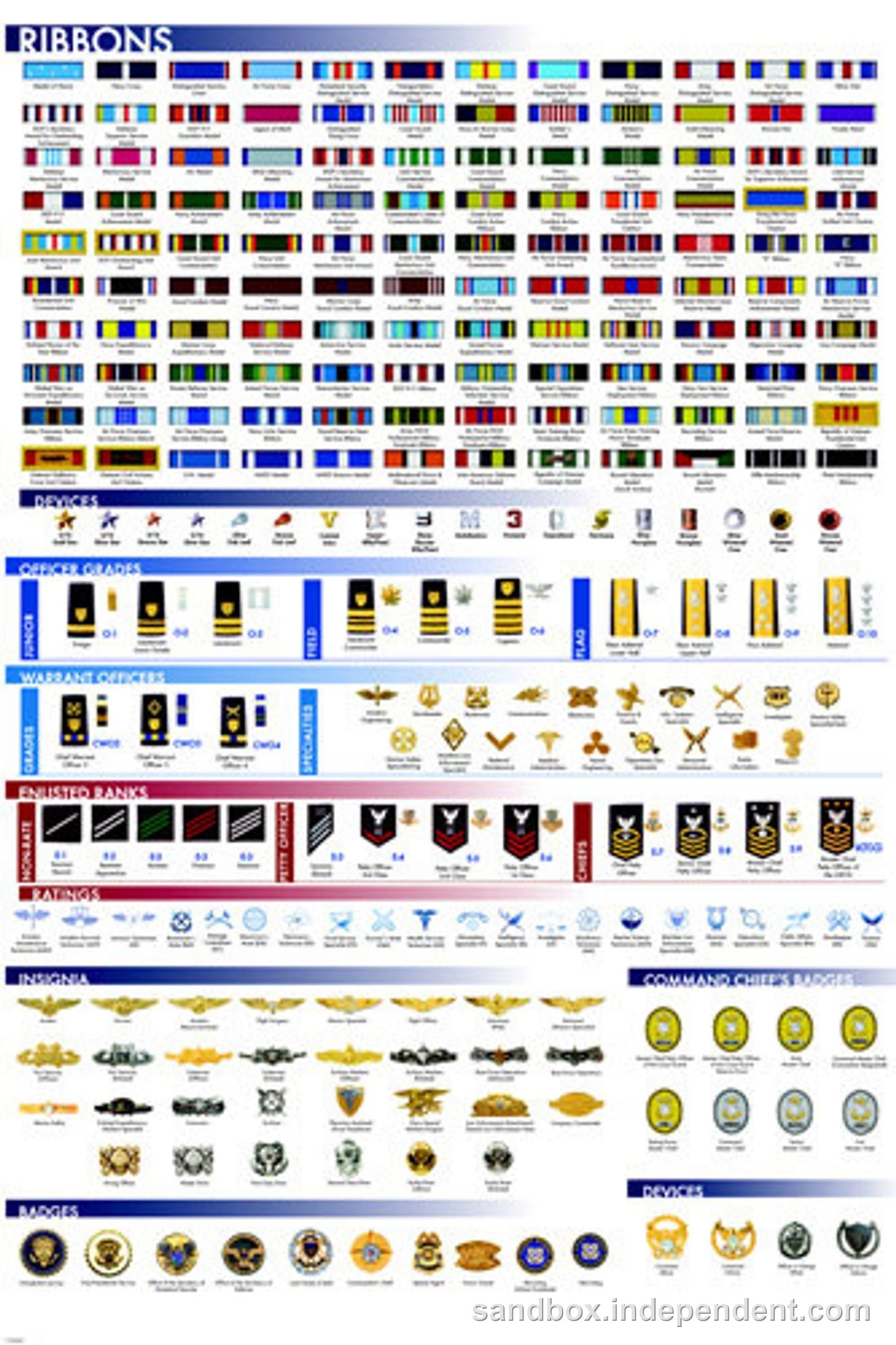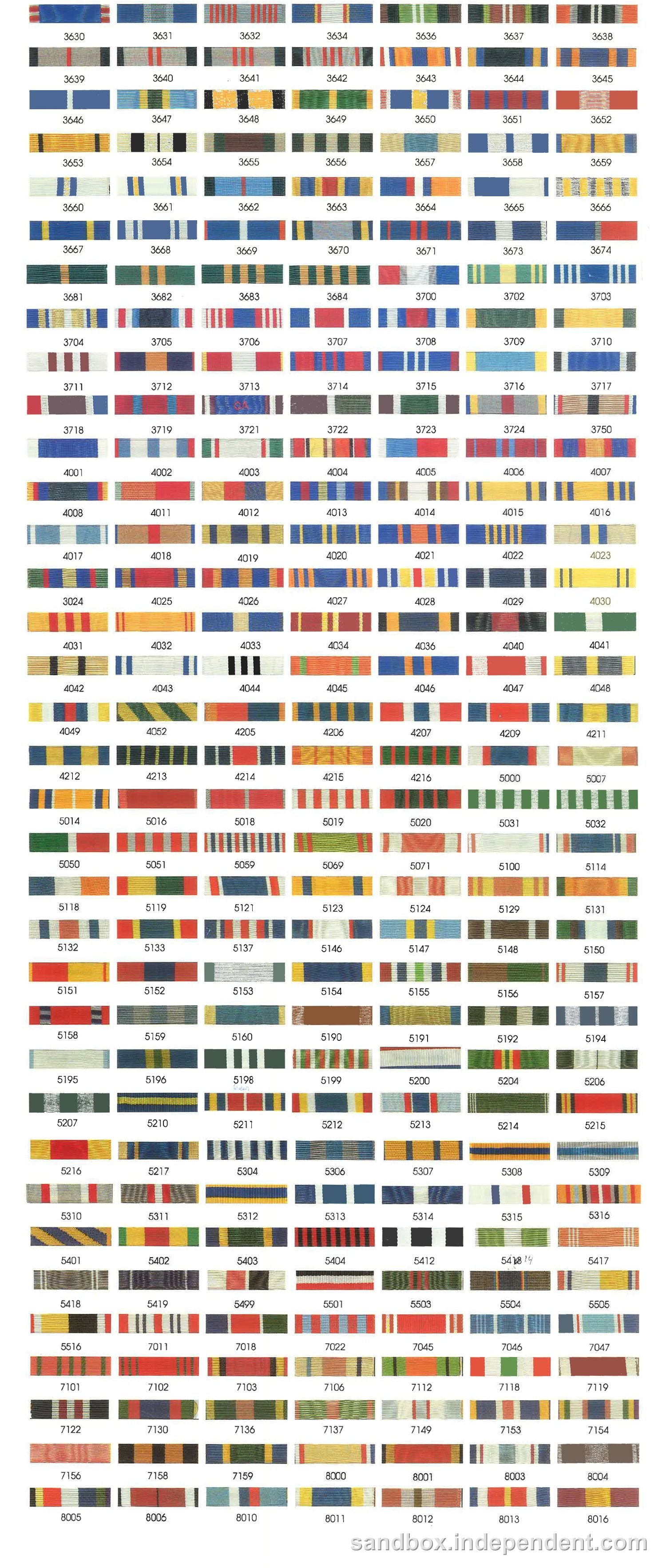


Army Ribbons Chart Sheet Overview
You're here because you need a quick guide to understanding dog dental charts and their purpose. Maybe you're a dog owner wanting to learn more about your pet's oral health, or perhaps you're a professional seeking a reliable reference.
These charts are a handy tool, offering a visual representation of a dog's teeth, often with additional details like tooth names, positions, and even growth patterns. While the exact format and content can vary, they provide an accessible way to learn about canine dentition, a fascinating and important aspect of dog health.
Understanding the Dog Dental Chart
The dog dental chart is a handy tool for dog owners and vets, providing a visual guide to a dog's teeth. It offers a simple way to identify and understand the different teeth, their positions, and any potential issues. This chart is a great reference for oral care and can help you keep your furry friend's teeth healthy.
Key Details and Categories
The canine dentition chart typically follows a standard tooth numbering system. This system assigns numbers or letters to each tooth, making it easy to refer to specific teeth. The chart usually covers all the teeth in a dog's mouth, from the tiny incisors at the front to the powerful molars at the back. It might also include a dental formula, which is a simple way to represent the number and type of teeth a dog has.
How to Read and Use the Chart
Reading the dog dental chart is straightforward. Each tooth is labeled with a unique identifier, often a number or a combination of letters and numbers. For example, the upper right canine tooth might be labeled "URC" or "404." The chart might also indicate the tooth's position, size, and any special features. To use the chart, simply match the tooth you want to identify with its corresponding label. You can then refer to the chart's key or legend to learn more about that specific tooth. It's a quick way to check for any abnormalities or to plan dental procedures.
Variations and Differences
While the dog dental chart provides a standard reference, there can be variations across different standards and contexts. For instance, the tooth numbering system may differ between regions or even among vets. Additionally, dog teeth diagrams might not account for all the unique dental anatomy of every breed. Some dogs, especially those with brachycephalic (short-nosed) skulls, may have variations in tooth placement or even missing teeth. It's important to be aware of these potential differences and to consult with a vet for precise information about your dog's specific dental measurements and needs.
Remember, while this dog dental chart is a handy reference, it's always best to consult with your vet for specific guidance tailored to your pup's needs. Exact values can vary, so it's a good idea to double-check and ensure you have the right information for your context.
Consider bookmarking this page for future reference. It's a simple yet effective tool to have on hand, and you never know when you might need a quick reminder about dog dental health!
Related: Understanding Screw Size Charts
A screw size chart is a handy tool for anyone dealing with screws and fasteners. It's a simple yet effective way to ensure you're using the right size and type for your project. This guide will cover the basics, giving you the knowledge to read and utilize these charts with ease.
The chart provides a quick reference for various screw dimensions, including gauge, thread, and head type. While the values may differ slightly depending on the standard or region, the screw size chart offers a reliable starting point for your fastener needs.
Understanding the Screw Size Chart
A screw size chart is your practical guide to choosing the right screw for any project. It's a reference tool that simplifies the process of selecting screws based on their size, type, and intended use. This chart is a handy resource for anyone working with screws, from DIY enthusiasts to professional contractors.
Comparing Standards and Formats
Screw size charts can vary depending on the standard being followed. The two main standards are the metric system and the imperial system, with each having its own set of measurements and designations. The metric system is widely used internationally and offers a straightforward approach, while the imperial system, common in the US, uses a different set of thread sizes and designations. It's crucial to know which standard your project follows to ensure accurate screw selection.
Practical Screw Selection: A Step-by-Step Guide
Using a screw size chart is straightforward. Here's a simple process:
- Identify the screw's intended use. Different applications require specific screw types and sizes.
- Locate the relevant section on the chart based on the standard you're working with.
- Read across the chart to find the desired screw size. The chart typically displays screw length and diameter measurements.
- Match the measurements to the physical screw you need.
- Check the screw head type and drive style, which are often included in the chart.
- Select the appropriate screw based on your findings.
Avoiding Misreadings and Pitfalls
Misreading a screw size chart can lead to incorrect screw selection. Common mistakes include:
- Confusing metric and imperial measurements. Always double-check the standard being used.
- Misinterpreting screw head types. Pay attention to the symbols or descriptions provided.
- Overlooking drive style variations. Ensure the drive style matches your screwdriver or tool.
- Ignoring the screw's intended use. Different applications require specific screw characteristics.
Key Factors Affecting Accuracy
Several factors can influence the accuracy of your screw selection:
Screw gauge: The gauge refers to the thread pitch, which can vary and impact screw compatibility.
Head types: Different head shapes and sizes serve specific purposes and may affect your choice.
Drive style: The drive style, such as Phillips or flathead, must match your tool for easy installation.
Material: Screws are made from various materials, each with unique strengths and applications.
Finish: The screw's finish, like zinc plating or stainless steel, offers different levels of corrosion resistance.
Key factors:
- Screw gauge (thread pitch)
- Head type and size
- Drive style
- Material
- Finish
Adapting the Chart for Specific Needs
Screw size charts are versatile and can be adapted to suit specific projects. If you're working with unusual materials or have unique requirements, you may need to adjust the chart or seek expert advice. For instance, if you're dealing with soft materials, you might need longer screws to ensure a secure hold. Always consider the specific demands of your project to make the most accurate selection.
Keeping Your Reference Reliable
To ensure the reliability of your screw size chart, it's essential to keep it up-to-date. Regularly check for new standards and updates, especially if you work on diverse projects. Additionally, consider creating a personalized chart by noting down your frequently used screw sizes and their corresponding applications. This customized reference will streamline your selection process and reduce the risk of errors.
So, you've got your screw size chart, a handy tool to keep in your back pocket for any project. It's a simple yet effective reference, and with a few key considerations, you can ensure you're using it accurately.
Remember, these charts provide a great starting point, but your specific project and its unique requirements may vary. Always double-check the exact values and measurements you need, and don't be afraid to adapt and make it work for you. It's a useful guide, but it's not set in stone! Bookmark this page for a quick reminder, and you'll be a screw size expert in no time.
Related: Understand Deer Age Charts: A Simple Guide
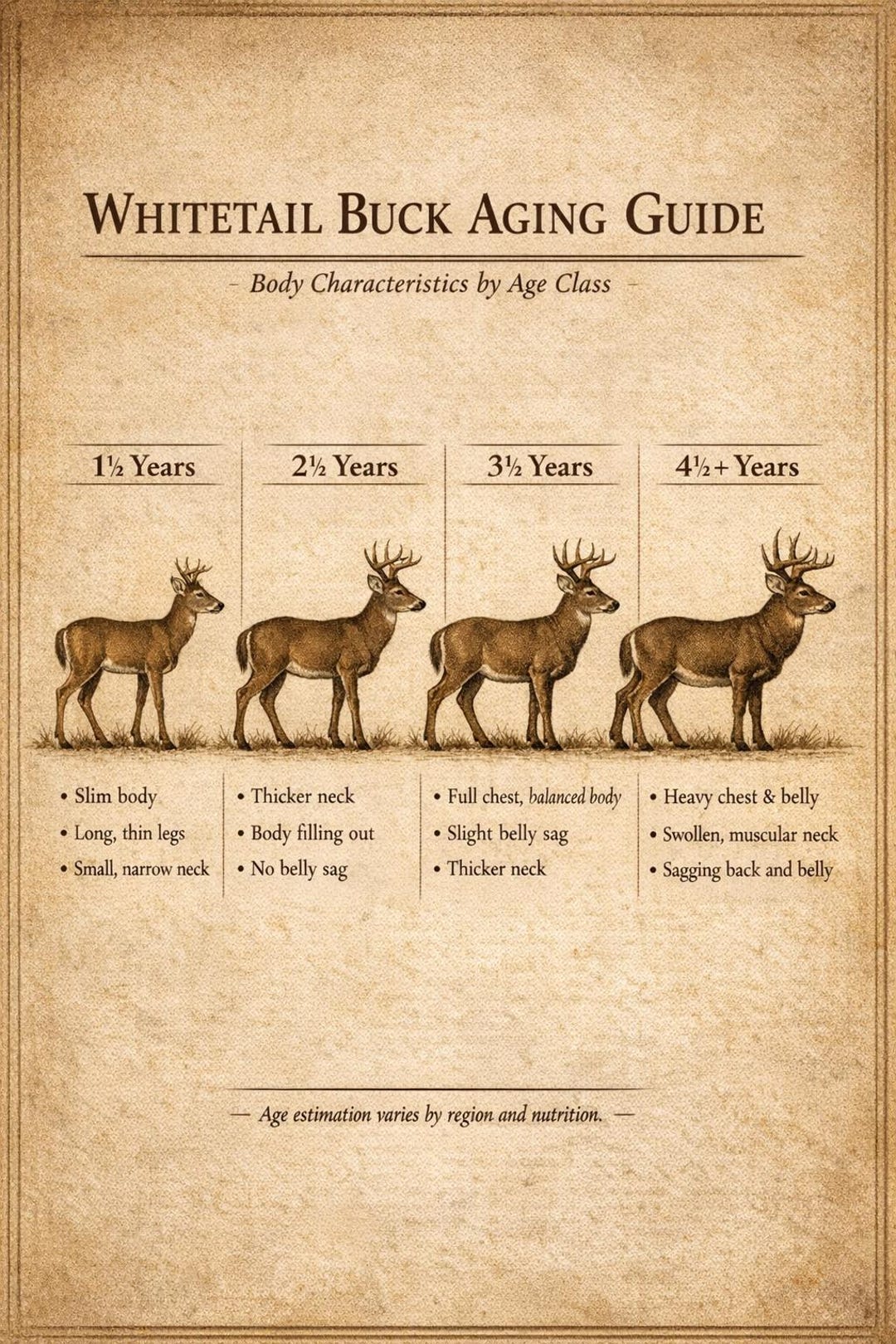
Many outdoor enthusiasts and hunters may assume that estimating a deer's age is an innate skill, but it's actually a precise art that requires a deer age chart as your trusted companion. While it may seem simple, misreading these charts can lead to inaccurate assessments.
The deer age chart, a vital tool for whitetail deer aging, relies on tooth wear and other visual cues. These charts provide a standardized way to estimate a deer's age, but it's important to note that variations exist, often depending on the region and specific deer species.
A Comprehensive Guide to the Deer Age Chart
The deer age chart is an invaluable tool for hunters, wildlife enthusiasts, and researchers, providing an accurate estimate of a deer's age. This chart, often referred to as a tooth wear chart, is a visual representation of the relationship between a deer's teeth and its age. It serves as a practical guide to help determine the age of a deer based on the condition of its teeth.
Comparing Chart Formats and Standards
There are several versions of the deer age chart available, and they can vary slightly depending on the region and the specific deer species being considered. Some charts are designed for whitetail deer aging, while others cater to different deer varieties. It's essential to use the appropriate chart for your region and the deer species you encounter. These charts typically provide a clear and easy-to-read visual representation, often with color-coded categories or a simple diagram.
Step-by-Step Guide to Accurate Deer Age Estimation
Using the deer age chart is a straightforward process, but accuracy is key. Here's a simple guide:
Examine the Deer's Teeth: Focus on the lower jaw, specifically the incisor teeth. These teeth are a reliable indicator of age.
Assess Tooth Wear: Look for signs of wear and erosion. The more worn the teeth, the older the deer.
Consult the Chart: Refer to the deer age chart and match the tooth wear pattern with the corresponding age category. The chart will often provide a range of ages, so select the most appropriate age based on your observation.
Consider Other Factors: While tooth wear is a primary indicator, other factors can influence the accuracy. These include the deer's overall health, diet, and environmental conditions. For instance, a deer with a poor diet may exhibit faster tooth wear.
Practice and Experience: Like any skill, estimating deer age improves with practice. Study various deer teeth patterns and compare them to the chart to refine your skills.
Common Misreadings and How to Avoid Them
While the deer age chart is a reliable tool, there are a few potential pitfalls to avoid:
Deer Aging by Teeth Variations: Different deer species and even individual deer can exhibit variations in tooth wear patterns. Always double-check the specific chart for your region and species.
Environmental Factors: Extreme environmental conditions, such as a harsh winter, can affect tooth wear. Consider these factors when estimating age.
Antler Size Chart: While antler size can indicate a deer's maturity, it's not a reliable indicator of age. Focus on the teeth for accurate age estimation.
Individual Differences: Deer, like all animals, are unique. Some may exhibit faster or slower tooth wear, so always refer to the chart as a guide, but trust your observations and experience.
By following these steps and being mindful of potential variations, you can accurately estimate a deer's age using the deer age chart, contributing to your understanding of deer populations and their behavior.
Remember, while this guide provides a solid framework, the specifics might shift a bit based on your unique circumstances. Every deer and every situation is a little different, so it's important to adapt and stay curious.
We've got a whole library of practical guides and resources here, so feel free to explore and discover more. You might just find the perfect tool to enhance your outdoor adventures and make the most of your time in nature. Happy trails!