




Artfight Profile Template Overview
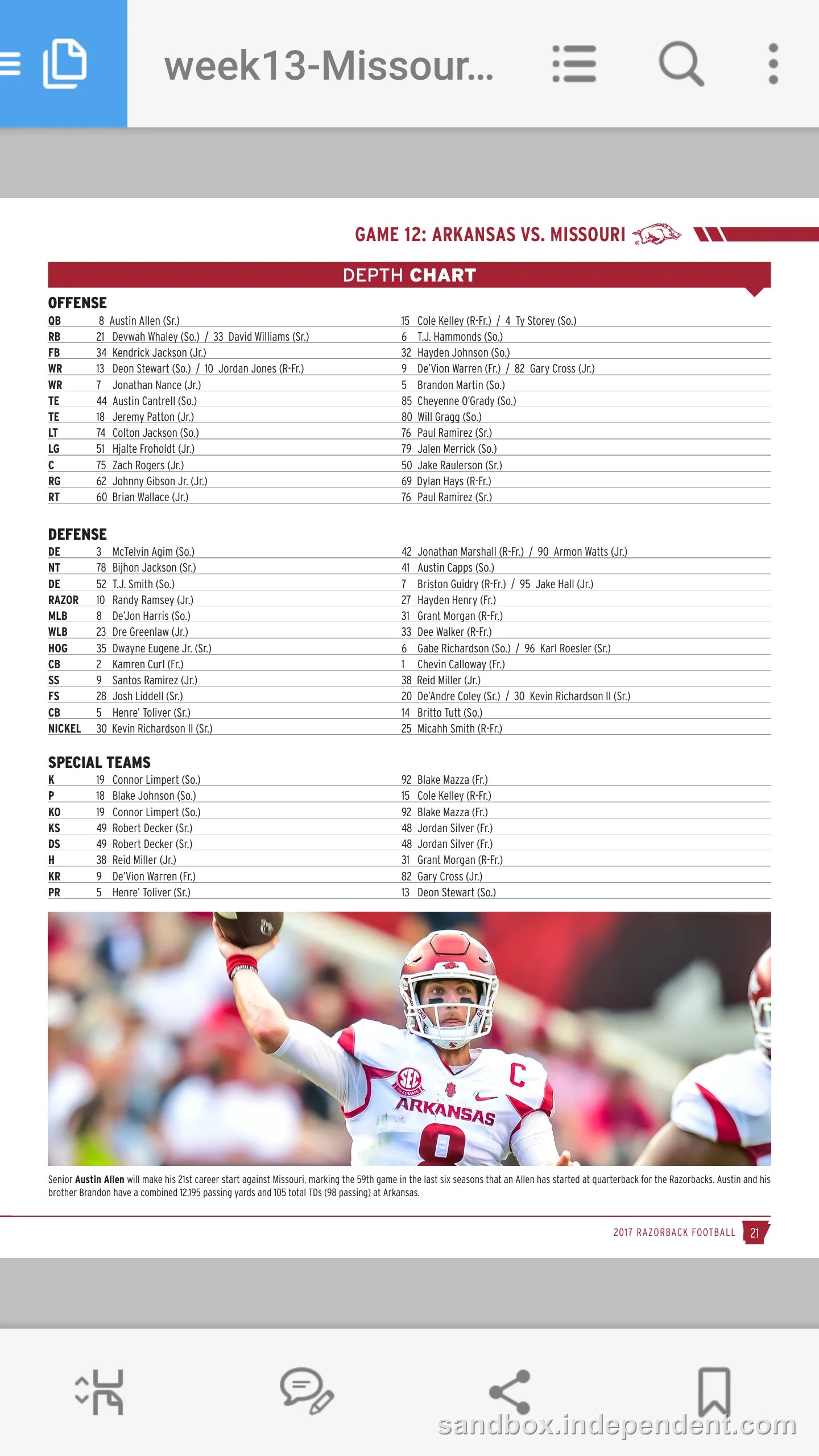
You're probably here because you need a quick insight into the world of the CLE depth chart. It's a handy tool for anyone wanting a snapshot of a team's lineup and player roles. This visual guide can vary in format, but it's a simple, effective way to understand a team's structure and strategy.
The depth chart is a great reference, especially when you want to grasp the CLE roster and its players' positions and numbers. It's a quick way to get an overview and ensures you're up to speed with the team's setup.
Understanding the CLE Depth Chart
The cle depth chart is a valuable tool for anyone working with or interested in cle positions and their roles. It provides a visual representation of the team's cle roster, showing the depth and distribution of players at each position. Think of it as a map that guides you through the team's lineup, helping you understand the structure and dynamics of the cle unit.
Key Details and Categories
This chart typically displays the cle positions along one axis and the depth or number of players at each position on the other. You'll find standard cle positions like left tackle, right guard, center, and so on. The values or numbers represent the players' rankings or the depth of the team at each position. These values can indicate the player's experience, skill level, or even their jersey number. It's important to note that the chart may vary depending on the sport's specific rules and the team's strategies.
Reading and Applying the Chart
Here's a step-by-step guide to reading and understanding a cle depth chart:
- Start by identifying the cle positions listed. These are the fundamental roles within the cle unit.
- Next, focus on the values or numbers associated with each position. These could represent player rankings, experience levels, or jersey numbers.
- Compare the values to identify the depth and strength of the team at each position. A higher number usually indicates more experienced or skilled players.
- Use this information to assess the team's overall strength and potential strategies. For example, a deep and talented offensive line depth chart suggests a strong running game.
- Remember, the chart is a snapshot of the team's current lineup. It's a great starting point, but always consider the dynamic nature of sports and the potential for injuries or strategic adjustments.
Variations and Differences
Cle depth charts can vary based on several factors. Different sports and leagues may have unique cle positions and strategies, leading to variations in the chart's structure. Additionally, team preferences and playing styles can influence the distribution of players and their rankings. It's essential to be aware of these variations, especially when comparing teams or analyzing historical data. Always refer to the specific sport's rules and guidelines to ensure accurate interpretation.
Common Mistakes and How to Avoid Them
One common mistake is assuming that the cle depth chart provides a definitive ranking of players. While it offers valuable insights, it's just one tool among many. Another pitfall is overlooking the dynamic nature of sports. Teams can quickly adapt and change their strategies, so always stay updated with the latest news and developments. Lastly, be cautious when comparing charts from different sources or standards. Ensure you're using the correct chart for your specific context to avoid misinterpretation. By being aware of these potential pitfalls, you can effectively utilize the cle depth chart as a powerful tool for understanding and analyzing cle positions and strategies.
Well, there you have it! Understanding CLE depth charts is a handy skill to have, and now you're equipped with the knowledge to navigate them like a pro. Remember, these charts are a great reference, but it's always wise to double-check the specific details for your project or situation.
Feel free to explore our other guides; we've got a range of practical topics covered to help you on your path to becoming an expert. Happy learning, and don't forget to adapt and apply these skills to your unique context!
Related: Get the Right Fit: New Era Size Chart
A new era size chart is your go-to tool for finding the perfect fit for your headgear. This guide will show you how to navigate and utilize these charts effectively, ensuring you get the right size every time.
Whether you're after a classic new era hat or a trendy cap, understanding the size chart is key. It's a simple process, but one that can vary slightly depending on the style and brand. We'll cover the basics and some tips to ensure you're confident in your measurements.
Understanding the New Era Size Chart
The new era size chart is your go-to guide for finding the perfect fit when it comes to New Era hats and caps. This chart is designed to help you determine your ideal size, ensuring a comfortable and stylish headwear experience.
Key Details and Categories
Before diving into the chart, let's break down some essential information. The new era size chart typically uses a numerical system, ranging from 6 3/4 to 8, with increments of 1/4. These numbers represent the head circumference measurements in inches. So, if you have a head circumference of 22 inches, you'd be looking at a size 7. It's a simple and straightforward system!
How to Read and Apply the Chart: A Step-by-Step Guide
- Measure your head circumference. This is the most crucial step for an accurate fit. Wrap a flexible tape measure around your head, just above your ears and eyebrows. Ensure the tape is not too tight or too loose.
- Refer to the new era size chart. Locate your measured head circumference on the chart. The chart will provide you with the corresponding hat size.
- Choose your style. New Era offers various hat styles, including the iconic era 59 fit and the adjustable fifty caps. Select the style that suits your preference and occasion.
- Try it on! Once you've received your hat, give it a test run. A well-fitted hat should sit comfortably on your head, not too tight or too loose. It should stay put without slipping or feeling restrictive.
Size Variations: Why They Happen
It's important to note that head circumference measurements can vary slightly due to factors like hair volume, hairstyle, and personal preference. Additionally, standard hat sizing may differ slightly between regions and manufacturers. Some brands might offer a slightly different sizing system, so always double-check the specific new era size chart for the most accurate fit.
Common Mistakes and How to Avoid Them
- Measuring inaccurately: Ensure you measure your head circumference correctly. A slight error can lead to an ill-fitting hat. Take your time and be precise.
- Assuming sizes are universal: While new era size chart is a great guide, it's not a one-size-fits-all solution. Different hat styles and brands may have slight variations, so always refer to the specific size chart for the style you're interested in.
- Neglecting personal preference: Comfort and style are subjective. Consider your personal comfort level and the intended use of the hat. If you prefer a looser fit, go for a slightly larger size, and vice versa.
- Overlooking adjustments: Some New Era hats, like the fifty adjustable caps, offer a range of sizes within a single hat. These adjustments provide flexibility, so make sure to utilize them for the perfect fit.
Well, there you have it! A size chart that's a handy tool for anyone navigating the world of sizing. It's a simple guide, but one that can save you time and ensure a perfect fit.
Remember, while this chart offers a great starting point, exact values can vary, so always check your specific needs. It's a good idea to bookmark this page for future reference; you never know when you'll need a quick sizing solution!
Related: ENR Construction Cost Index 2026 Essential Guide
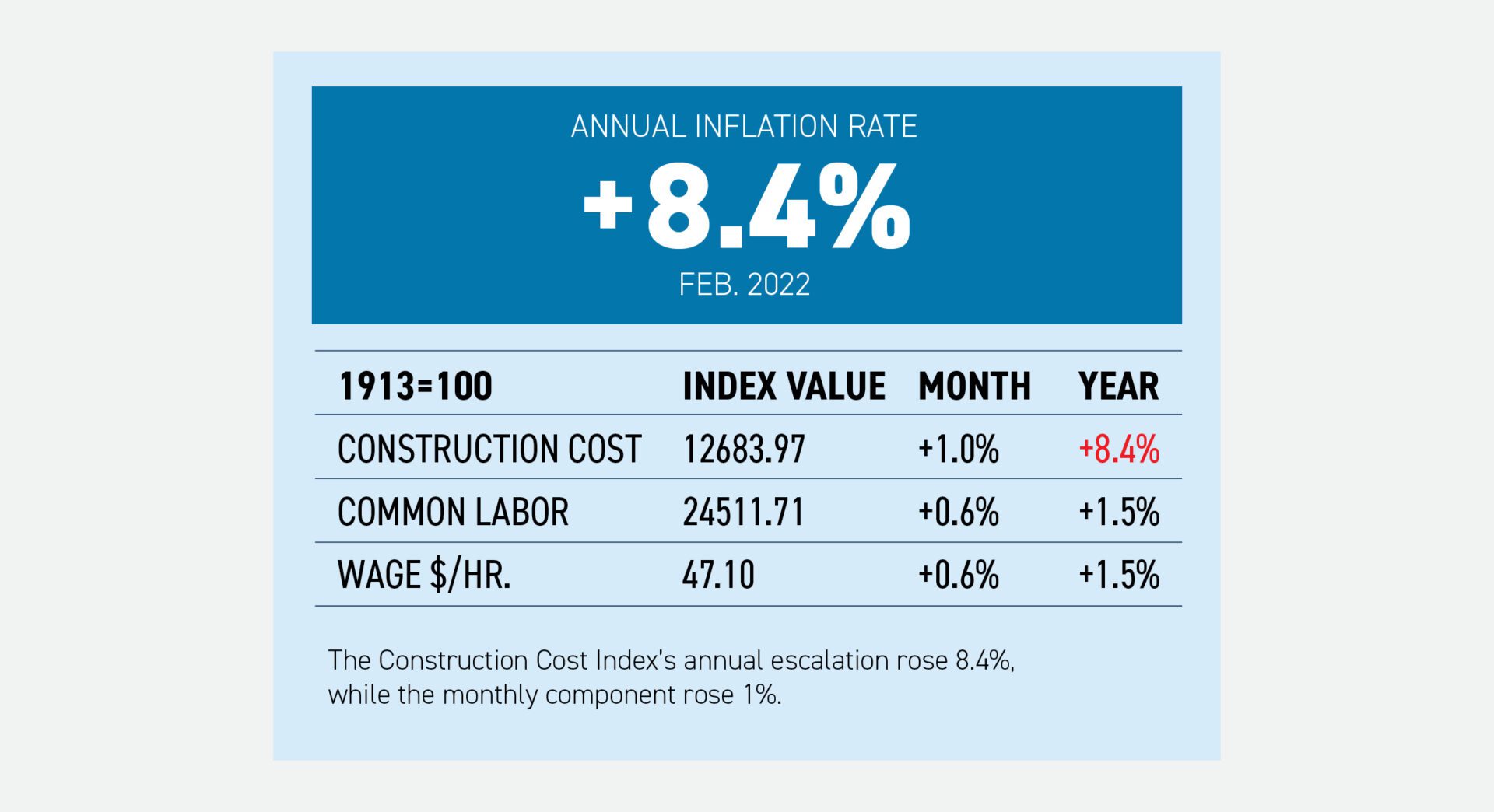
So, I was browsing the web the other day, curious about the ENR Construction Cost Index 2026, and I realized it's not as straightforward as it seems. I mean, it's an important indicator, but what does it really tell us? Let's break it down and see how it affects us regular folks.
Understanding the ENR Construction Cost Index
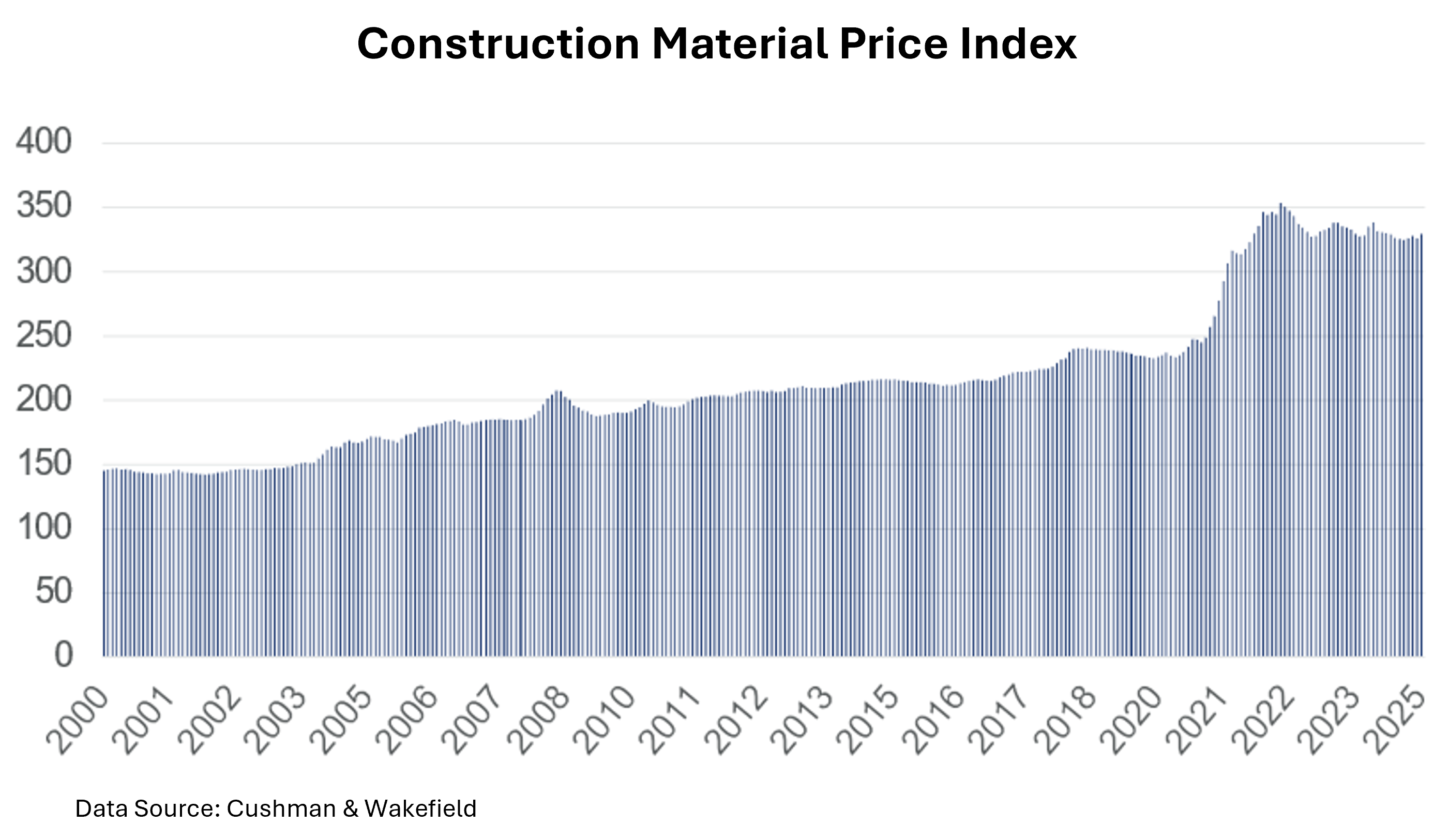
The ENR Construction Cost Index is a tool that keeps an eye on construction costs over time. It's like a thermometer for the industry, giving us a sense of how prices are moving. This index is super helpful for folks in construction, whether they're building companies, contractors, or even homeowners planning a remodel.
It covers a bunch of stuff, from materials to labor, and it's updated regularly. So, if you're thinking of starting a project, it's a good idea to check the index to get a feel for the market. It might just save you some headaches down the line!
How Does It Work, and Why Should I Care?
The index is all about tracking the costs of construction, which is crucial for anyone in the industry. It helps builders and contractors plan their projects and stay on budget. For homeowners, it's a way to understand the bigger picture of construction costs and how they might affect your renovation or new build.
Say you're planning a kitchen remodel. Checking the ENR Construction Cost Index can give you a sense of whether now is a good time to start, or if costs are likely to drop in the near future. It's a bit like timing the stock market, but for construction!
Practical Tips for Using the Index
So, how do you use this index in your daily life? Well, it's simple. Just head over to the ENR website (or your favorite construction data source) and take a look. You'll see the index value and maybe some charts or graphs to give you a visual idea of the trends.
If you're a builder or contractor, you can use this info to bid on projects and set your prices. For homeowners, it's a way to get a sense of the market and compare quotes from different companies. Remember, construction costs can vary a lot, so getting a few quotes is always a good idea.
Naming Your Construction Business
If you're starting a construction company, one of the first things you'll need to do is come up with a name. It's not just about being creative; the name should reflect your business and its values. Keep it simple and memorable, and make sure it's unique.
Here are a few ideas to get you started:
- Build-It-Right Construction
- Solid Foundations
- Skyward Builders
- HomeCrafters
- Earthworks
- Constructive Solutions
Don't forget to check name availability and secure your domain and local registration before you get too attached to a name!
Construction Jobs and the Industry
The construction industry offers a wide range of jobs, from general contractors to estimators and project managers. These roles involve everything from planning and managing projects to actually building and remodeling.
If you're looking for construction jobs, check out local job boards and industry-specific websites. You might also want to reach out to construction companies directly or consider joining a union. It's a great industry to be in, with lots of opportunities for growth and development.
Wrapping Up
So, there you have it! The ENR Construction Cost Index 2026 is a handy tool for anyone in the construction game. It's a simple way to stay informed and make smarter decisions, whether you're a builder, contractor, or just a homeowner with a project in mind.
Why not take a look at the index today and see what it can tell you about the construction world? It might just give you a new perspective on your next project.