



Auto Repair Invoice Template Xlsx Overview
"I've been putting off those house repairs for too long, but I really need to get them done. Time to find a contractor for house repair!"
All About Hiring a Contractor
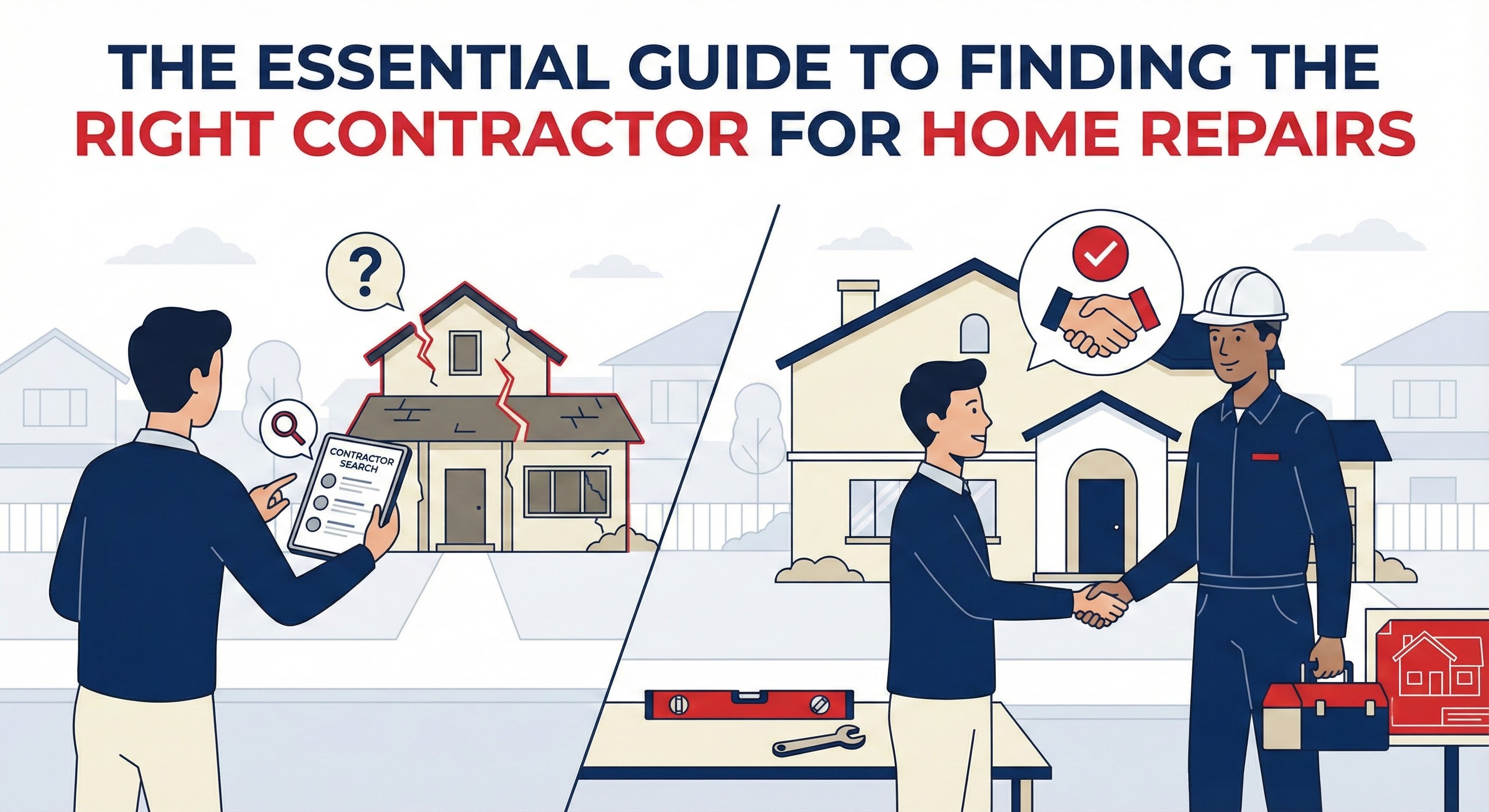
So, you've got some home repairs or renovations on your to-do list, and you're thinking about hiring a contractor to get the job done. It's a big step, and there's a lot to consider. A contractor for house repair can handle all sorts of jobs, from small fixes to major overhauls. They're the experts in construction and remodeling, and they'll have the skills and tools to get your project completed.
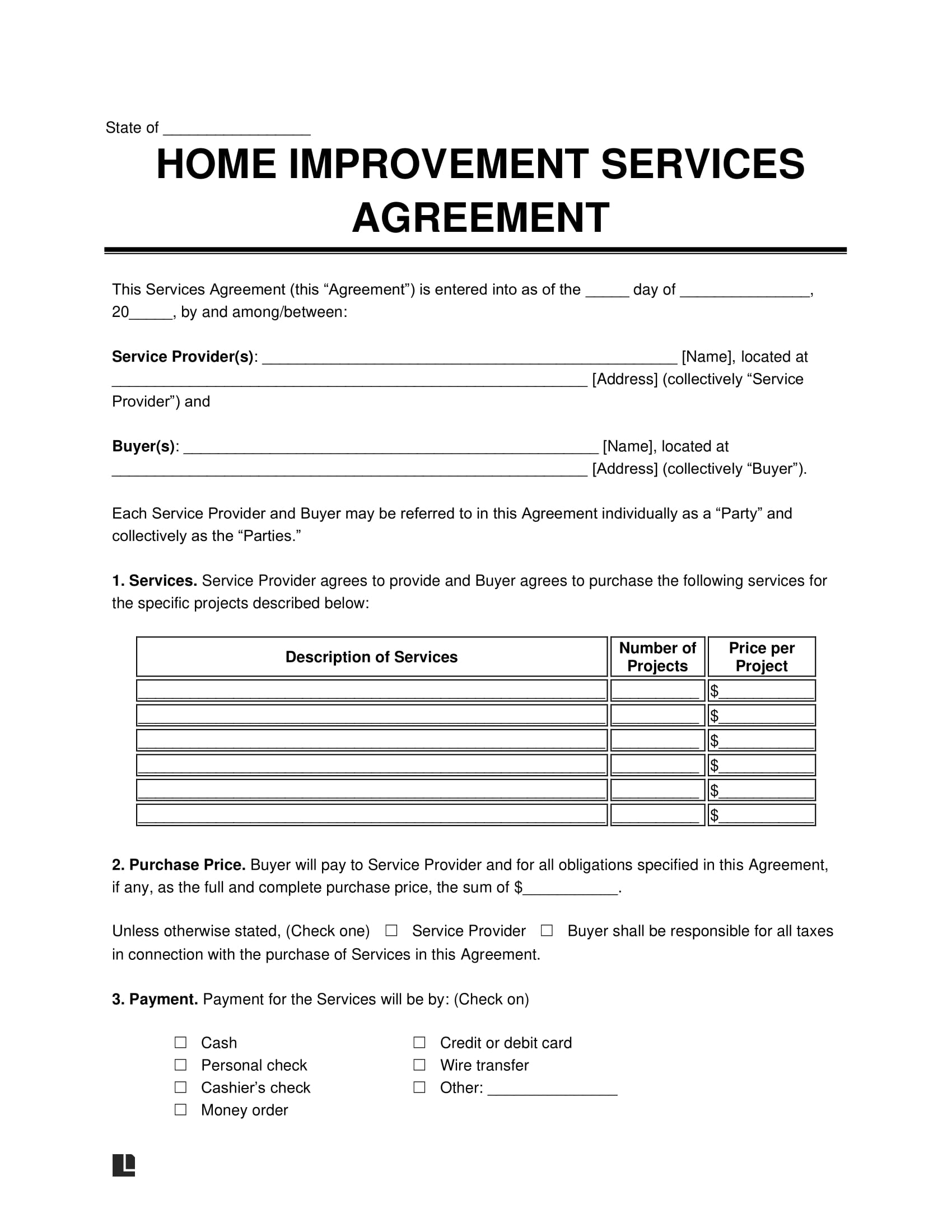
When it comes to costs, it's tricky to give an exact figure as it depends on so many factors. The size of the job, the materials needed, and the labor involved will all impact the price. It's a good idea to get quotes from a few different contractors to compare. Look for detailed quotes that break down the costs, so you can see what you're paying for. Don't just go for the cheapest option; consider the quality of the work and the contractor's reputation too.
Finding and Choosing the Right Contractor
There are lots of contractors and building companies out there, so how do you find the right one? Word of mouth is a great way to start - ask friends or family for recommendations. You can also search online for local contractors and read reviews to get an idea of their work. When you've found a few potential contractors, give them a call or send an email to ask some initial questions.
Find out about their experience and the types of projects they typically work on. Ask about their availability and how long they estimate the job will take. It's also worth asking about any potential extra costs or unexpected issues that might arise during the work. A good contractor will be transparent and give you an honest assessment.
Naming Your Construction Business
If you're thinking of starting your own construction business, you'll need a great name. The name should be memorable and reflect the nature of your work. It might include words like 'build', 'repair', 'remodel', or 'renovate'. It could also be a play on your own name or a unique combination of words. Here are a few ideas:
- Build-It-Better
- Renovate Right
- Fix-It-Fast
- Home Remedy
- Construction Solutions
- The Repair Crew
Remember to check the availability of the name you choose. You'll need to register it locally and secure the domain name for your website.
The Construction Industry and You
The construction industry offers a range of jobs, from general contractors and estimators to specialized roles like plumbers, electricians, and carpenters. If you're looking for work, these roles are often advertised online or through local recruitment agencies. The industry is always in need of skilled workers, so it's a great field to get into.
Estimators, for example, play a crucial role in construction. They use tools like RSMeans to calculate the costs of materials and labor for a project. It's a detailed and important job, and estimators are in high demand.
Big Companies and the Industry Outlook
The construction industry is made up of a mix of small, medium, and large companies. The bigger firms often have more resources and can take on larger, more complex projects. They might have a wider range of specialized staff and more advanced tools and equipment.
However, smaller companies can offer a more personalized service and often have a strong local reputation. It's a competitive industry, and companies of all sizes are always looking for ways to stand out and offer the best service.
So, there you have it! A contractor for house repair is a great option for getting those home improvements done. It's an exciting step, and with the right contractor, you'll be enjoying your renovated space in no time.
Related: Understanding DVC Point Charts: A Simple Guide
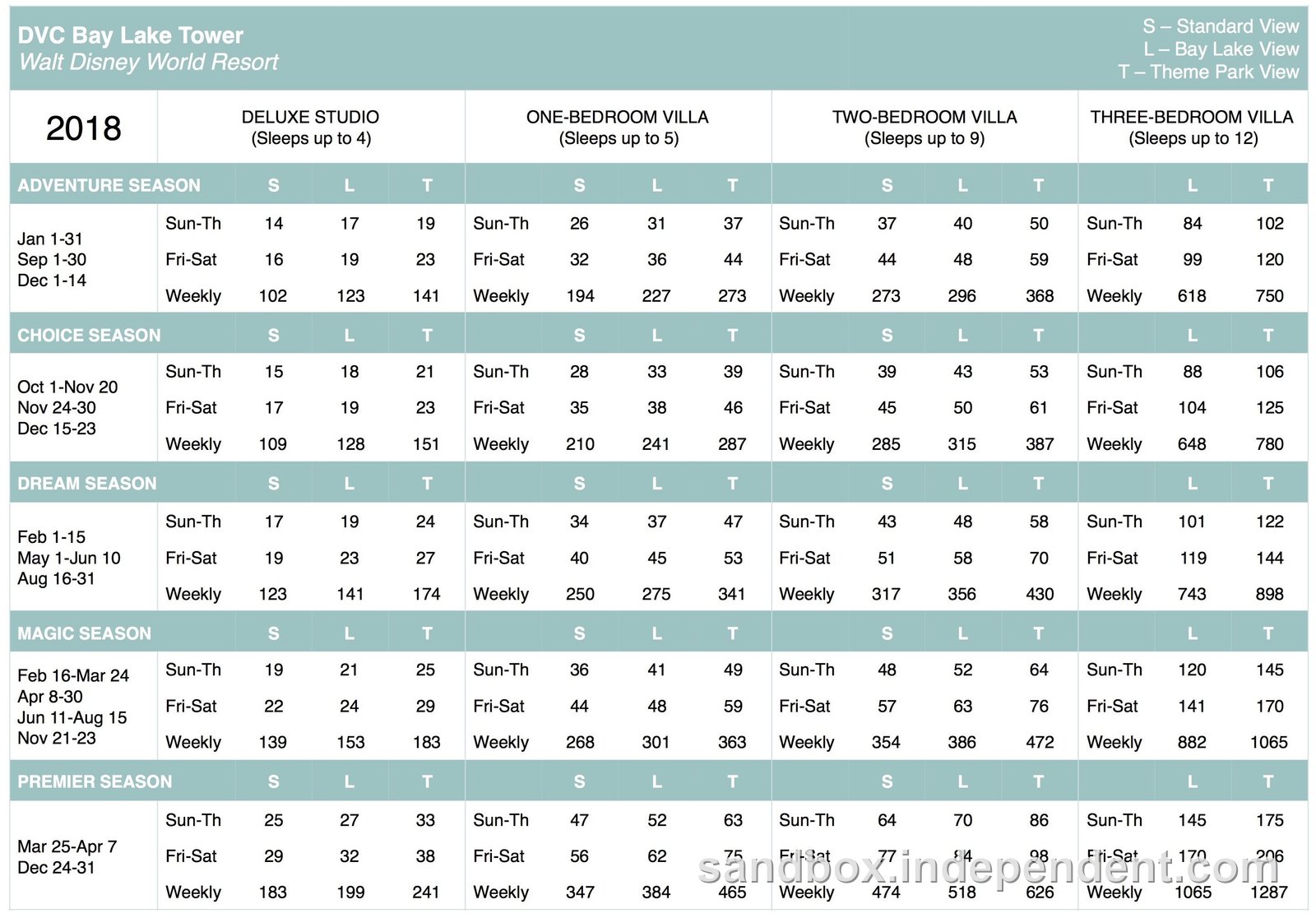
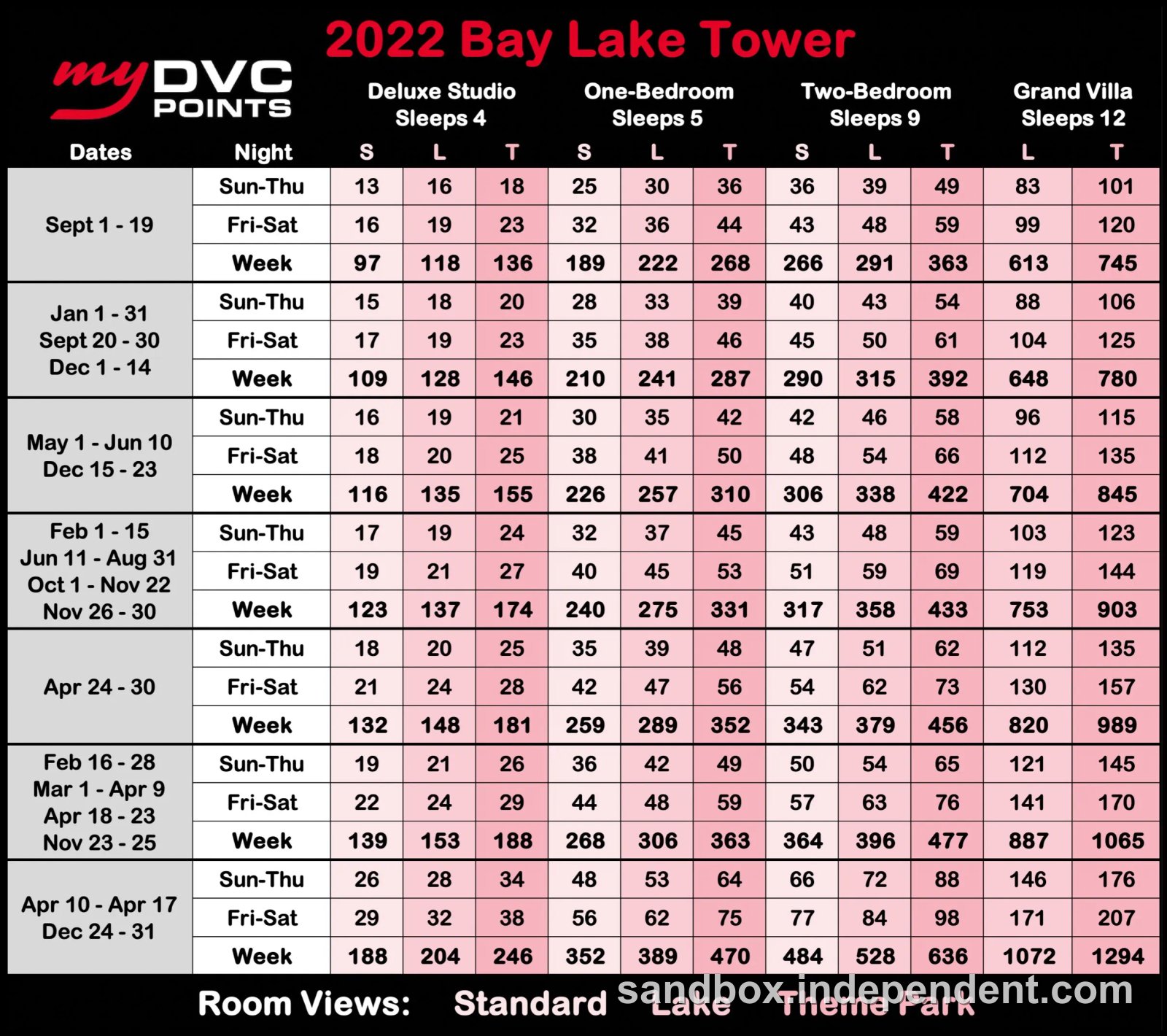
You're likely here because you're seeking clarity on DVC point charts, a valuable tool for Disney Vacation Club members. These charts provide an overview of your DVC points, offering a quick reference for understanding your vacation ownership and the associated benefits. While the specific values and formats may vary, depending on your membership and region, the DVC point charts serve as a reliable guide to help you navigate and make the most of your Disney vacations.
Understanding the Chart: DVC Point Values
DVC point charts are a valuable tool for members of the Disney Vacation Club (DVC) to understand and manage their vacation ownership and resort points. These charts provide a clear overview of the point values assigned to different DVC resorts, allowing members to plan their vacations effectively. By referring to this chart, members can determine the cost of their desired accommodations and make informed decisions about their vacation plans.
Comparing Resort Point Values
The beauty of DVC point charts lies in their ability to standardize point values across various resorts. Each resort is assigned a specific point value, reflecting its popularity, location, and amenities. These point values are crucial for members as they determine the number of points required to book a stay. The chart typically displays resorts in a hierarchical manner, with the most sought-after destinations having higher point values. Members can easily compare and contrast the point requirements for different resorts, helping them choose the perfect vacation spot.
Step-by-Step Guide: Using DVC Point Charts
To make the most of DVC point charts, follow these simple steps:
- Identify your preferred DVC resort(s) and the desired dates for your vacation.
- Refer to the DVC point chart to find the point value associated with each resort during your chosen time frame.
- Calculate the total number of points needed for your stay, considering the length of your trip and the point values of the resorts.
- Check your DVC account balance to ensure you have sufficient points for your desired reservation.
- Proceed with booking your vacation, utilizing your DVC points effectively.
Avoiding Common Misunderstandings
While DVC point charts are straightforward, it's essential to be aware of potential pitfalls. One common misunderstanding is assuming that point values remain constant throughout the year. In reality, point values can fluctuate based on seasons and demand. Always check the specific dates you wish to travel, as point values may differ between peak and off-peak periods. Additionally, be mindful of any special events or promotions that could impact point values temporarily. Staying informed about these variations will ensure accurate planning.
Factors Affecting Point Value Accuracy
Several factors influence the accuracy of DVC point charts and their real-world application. Firstly, it's crucial to note that point values are subject to change, especially during peak travel seasons or for special events. Members should regularly update their knowledge of point values to ensure they are planning their vacations based on the most current information. Additionally, the availability of certain resorts and accommodations can impact point values, as popular options may require more points during high demand. Staying flexible and open to alternative choices can help members optimize their point usage.
DVC point charts are a handy tool, offering a quick and clear reference for your planning needs. Remember, these charts are a guide, and while they provide a great starting point, it's essential to tailor them to your unique situation.
So, take a moment to review your specific requirements and ensure the chart you choose aligns perfectly with your goals. Then, you'll be all set to make the most of your DVC points!
If you're keen to explore more, our site offers a wealth of resources to enhance your understanding. Why not check out some related guides and continue your learning journey?
Related: Need a shirt size chart? Find your perfect fit!
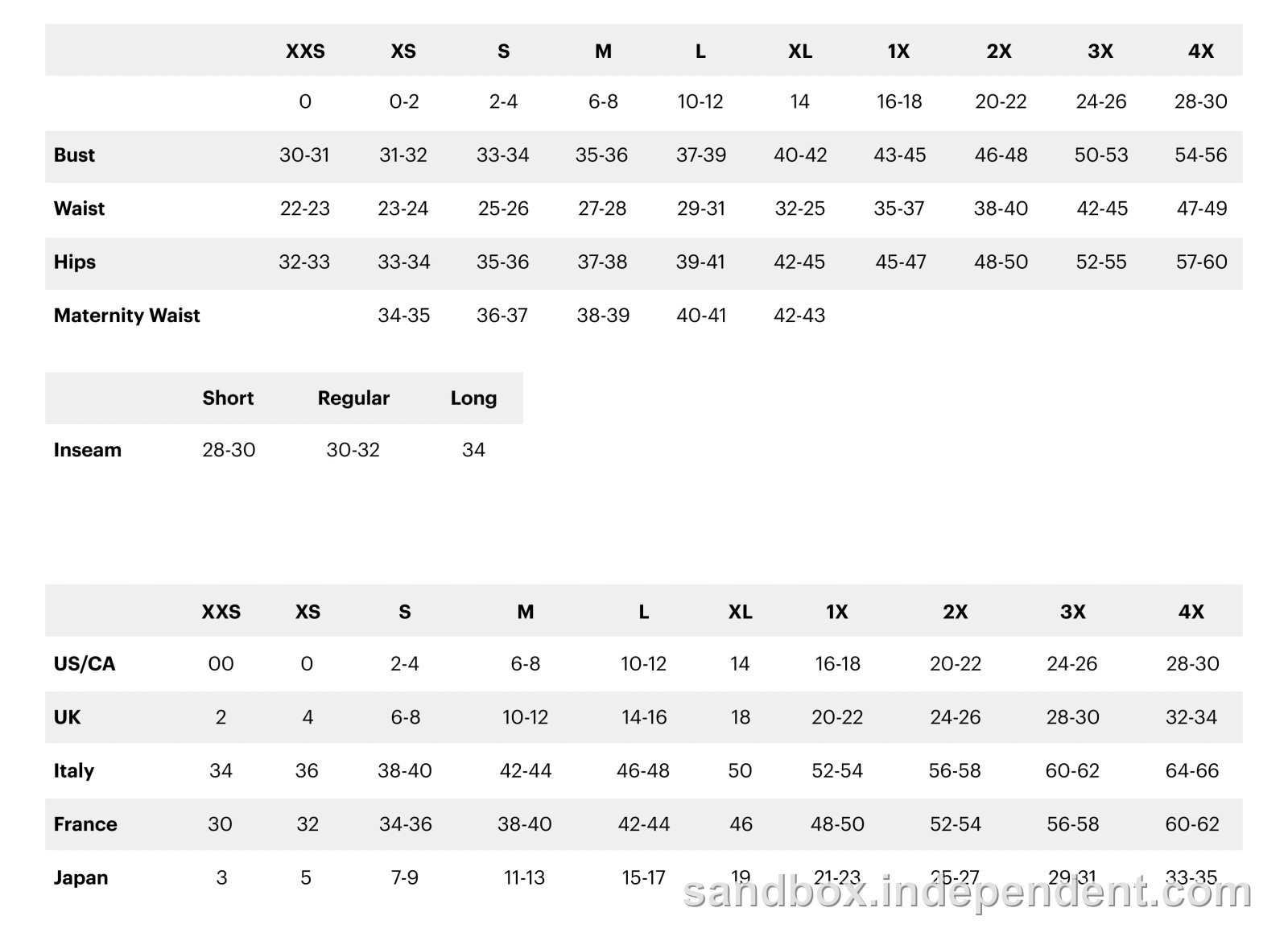
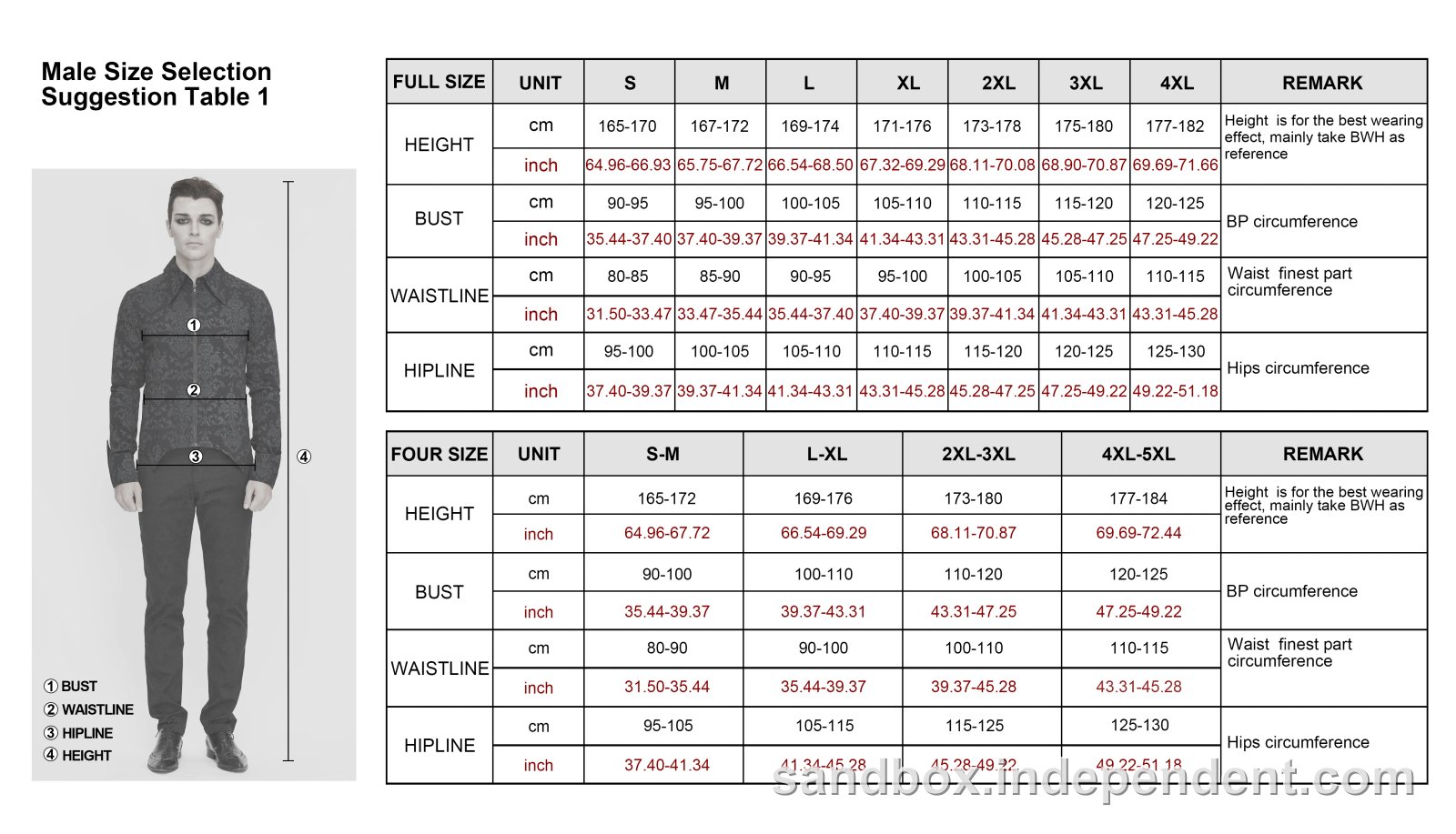
You're probably here because you need a quick fix, a simple solution to finding your perfect shirt size. And what better tool than a shirt size chart? It's a handy reference, a map to navigate the world of clothing sizes, and it's right at your fingertips. These charts offer a straightforward way to ensure you get the right fit, and they can vary slightly depending on the brand or region, so it's always good to have a reliable guide.
Shirt Size Chart: A Practical Guide
A shirt size chart is a handy reference tool that helps you find the perfect fit for your shirts. It provides a standardized way to determine your size based on key body measurements. These charts are essential for online shopping or when you need to order custom-made shirts.
Key Details and Categories
The shirt size chart typically includes measurements for chest circumference, waist circumference, and sometimes arm length. These measurements are usually given in inches or centimeters, depending on the standard being used. The chart also provides a range of sizes, often in small increments, to ensure a precise fit. For example, a chart might offer sizes from XS to 5XL, with each size representing a specific measurement range.
Step-by-Step Guide: Reading and Using the Chart
Follow these steps to accurately determine your shirt size using a size chart:
Measure your chest circumference at the fullest part of your chest, keeping the measuring tape parallel to the floor. This measurement is crucial for finding the right fit.
Locate your chest measurement on the chart. The chart will guide you to the corresponding size, often with a range of measurements for each size. For instance, a size Medium might fit chest circumferences between 38 and 40 inches.
If the chart provides waist circumference measurements, repeat the process for your waist. This measurement ensures a comfortable fit around your midsection.
Compare your measurements to the size chart's ranges. Choose the size that aligns most closely with your measurements. If your measurements fall between two sizes, consider factors like your preferred fit (more relaxed or snug) and the fabric's stretchability.
For more precise fitting, some charts may include arm length measurements. Measure your arm length from the base of your neck to your wrist. Match this measurement to the chart's arm length column to ensure a perfect sleeve length.
Understanding Variations and Differences
It's important to note that shirt size charts can vary depending on the brand, manufacturer, or even the specific style of shirt. Some brands may have slightly different measurement standards or size increments. Additionally, the intended fit of the shirt (e.g., slim, regular, or relaxed) can impact the size chart. Always check the brand's size guide or any notes about fit to ensure an accurate selection.
Common Mistakes and How to Avoid Them
One common mistake is relying solely on your usual shirt size without considering the specific brand or style. Each brand may have its own unique sizing system, so it's crucial to refer to their size chart. Another mistake is neglecting to measure yourself accurately. Take precise measurements, especially for the chest and waist, to ensure an accurate fit. Avoid guessing or estimating, as this can lead to disappointment with the final product.
Practical Fitting Tips for Accurate Results
To ensure the best fit, consider these tips:
When measuring, stand naturally and relax your arms. Avoid pulling the measuring tape too tight or too loose.
If you're between sizes, choose the larger size for a more comfortable fit, especially if the shirt has a slim or tailored cut.
Pay attention to the fabric and its stretchability. Some fabrics, like cotton blends, have more give, while others, like linen, are more rigid.
Check the brand's size guide for any specific notes or recommendations. They might offer tips for their unique sizing or suggest sizing up or down for certain styles.
Consider the intended use of the shirt. If it's for a formal occasion, you might want a more tailored fit, while casual shirts can allow for a looser fit.
Remember, the shirt size chart is a valuable tool, but it's just a guide. Always prioritize your comfort and personal style when making a final decision.
Well, there you have it! A shirt size chart is a handy tool to ensure you get the perfect fit every time. Remember, while these charts provide a great starting point, exact values can vary, so it's always wise to check the specific guidelines for your chosen brand or standard.
Don't forget to explore our other guides and resources; we've got plenty of practical tips to help you navigate the world of fashion and sizing with ease. Stay tuned for more!