

Autumn Coloring Pages Free Printable Overview
"I've been putting off those house repairs for too long, but I really need to get them done. Time to find a contractor for house repair!"
All About Hiring a Contractor
So, you've got some home repairs or renovations on your to-do list, and you're thinking about hiring a contractor to get the job done. It's a big step, and there's a lot to consider. A contractor for house repair can handle all sorts of jobs, from small fixes to major overhauls. They're the experts in construction and remodeling, and they'll have the skills and tools to get your project completed.
When it comes to costs, it's tricky to give an exact figure as it depends on so many factors. The size of the job, the materials needed, and the labor involved will all impact the price. It's a good idea to get quotes from a few different contractors to compare. Look for detailed quotes that break down the costs, so you can see what you're paying for. Don't just go for the cheapest option; consider the quality of the work and the contractor's reputation too.
Finding and Choosing the Right Contractor
There are lots of contractors and building companies out there, so how do you find the right one? Word of mouth is a great way to start - ask friends or family for recommendations. You can also search online for local contractors and read reviews to get an idea of their work. When you've found a few potential contractors, give them a call or send an email to ask some initial questions.
Find out about their experience and the types of projects they typically work on. Ask about their availability and how long they estimate the job will take. It's also worth asking about any potential extra costs or unexpected issues that might arise during the work. A good contractor will be transparent and give you an honest assessment.
Naming Your Construction Business
If you're thinking of starting your own construction business, you'll need a great name. The name should be memorable and reflect the nature of your work. It might include words like 'build', 'repair', 'remodel', or 'renovate'. It could also be a play on your own name or a unique combination of words. Here are a few ideas:
- Build-It-Better
- Renovate Right
- Fix-It-Fast
- Home Remedy
- Construction Solutions
- The Repair Crew
Remember to check the availability of the name you choose. You'll need to register it locally and secure the domain name for your website.
The Construction Industry and You
The construction industry offers a range of jobs, from general contractors and estimators to specialized roles like plumbers, electricians, and carpenters. If you're looking for work, these roles are often advertised online or through local recruitment agencies. The industry is always in need of skilled workers, so it's a great field to get into.
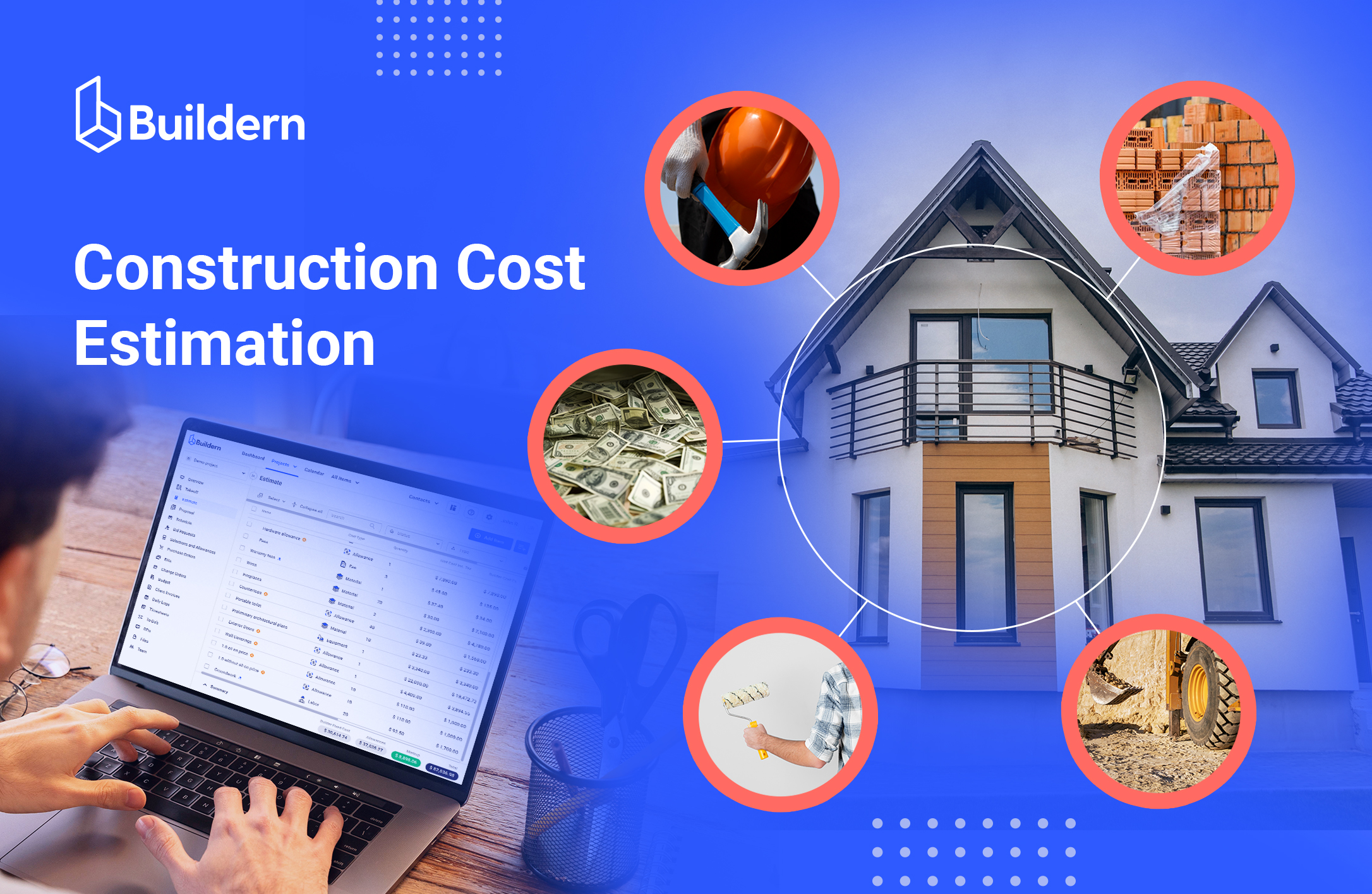
Estimators, for example, play a crucial role in construction. They use tools like RSMeans to calculate the costs of materials and labor for a project. It's a detailed and important job, and estimators are in high demand.
Big Companies and the Industry Outlook
The construction industry is made up of a mix of small, medium, and large companies. The bigger firms often have more resources and can take on larger, more complex projects. They might have a wider range of specialized staff and more advanced tools and equipment.
However, smaller companies can offer a more personalized service and often have a strong local reputation. It's a competitive industry, and companies of all sizes are always looking for ways to stand out and offer the best service.
So, there you have it! A contractor for house repair is a great option for getting those home improvements done. It's an exciting step, and with the right contractor, you'll be enjoying your renovated space in no time.
Related: How to use an ASL alphabet chart?
You're here, searching for that handy ASL alphabet chart, probably needing a quick refresh or a reliable reference. It's a simple yet powerful tool, this chart, a visual guide to the American Sign Language alphabet, offering a clear way to learn and use fingerspelling. Whether you're a beginner or just need a quick reminder, these charts are a handy resource, and they can vary slightly depending on where you find them.
The ASL Alphabet Chart: A Visual Guide
The ASL alphabet chart is a handy tool for anyone learning American Sign Language or wanting to communicate with the deaf community. It's a simple yet powerful reference, showing you the manual alphabet—the foundation of ASL fingerspelling.
Key Details: Understanding the Chart
The ASL alphabet chart displays the 26 letters of the English alphabet, each represented by a unique handshape and movement. These handshapes, or hand signs, are the building blocks of ASL fingerspelling. The chart usually includes clear images or illustrations of each letter, making it easy to visualize and remember.
Reading and Using the Chart: Step-by-Step
Here's how to make the most of your ASL alphabet chart:
- Start with the basics: Begin by familiarizing yourself with the handshapes for each letter. Practice forming these shapes with your dominant hand.
- Pay attention to movement: In ASL fingerspelling, letters are not only about the handshape but also the movement. Some letters involve a quick flick or twist, so observe the direction and speed indicated on the chart.
- Practice regularly: Repetition is key. Use the chart to guide your practice, spelling out words and names. Over time, the movements will become more natural.
- Learn common variations: While the ASL alphabet chart provides a standard, there are some common variations. For example, the letter "S" is often signed with a slight twist, and the letter "Z" may have a more exaggerated movement.
- Apply in context: The chart is a great starting point, but ASL fingerspelling is best learned in real-life conversations. Practice with a friend or join a sign language class to improve your skills.
Common Variations and Why They Happen
While the ASL alphabet chart offers a standard, variations can occur due to regional differences and individual styles. Here are some factors that may cause variations:
- Regional dialects: Just like spoken languages, ASL can have regional variations. Different areas may have slightly different handshapes or movements for certain letters.
- Individual expression: ASL is a visual language, and like any language, personal style can influence how signs are formed. Some signers may add a unique twist to certain letters.
- Context and fluency: As you become more fluent in ASL, you'll notice that fingerspelling often becomes more efficient and natural. This may lead to slight variations in speed or movement.
Avoiding Common Mistakes
To ensure accurate communication, here are some tips to avoid common mistakes when using the ASL alphabet chart:
- Don't rush: Take your time when learning and practicing. ASL fingerspelling is about clarity, so ensure your movements are precise and distinct.
- Practice consistency: Consistency is key. Try to maintain the same handshape and movement for each letter, even if you see variations in other signers.
- Seek feedback: If possible, practice with a fluent ASL user or a teacher. They can provide valuable feedback on your technique and help you refine your skills.
- Stay updated: ASL is an evolving language, so stay informed about any updates or changes to the manual alphabet. Regularly review your ASL alphabet chart to ensure you're using the most current version.
Hey there, I hope this guide has been a helpful reference for you! Remember, the ASL alphabet chart is a handy tool, and while the basics are the same, you might find slight variations in different contexts.
Don't stress over the small differences; just focus on the overall signs and their meanings. If you need a quick refresh on any language-related topics, feel free to explore our other guides too!
Related: Construction Cost Database Essential Guide
I've been thinking about doing some home renovations lately, and one thing that's been on my mind is how to budget and plan for the costs. That's when I stumbled upon the construction cost database - a handy tool that seems like it could really help me out. So, I did some digging and here's what I found...
Understanding Construction Costs
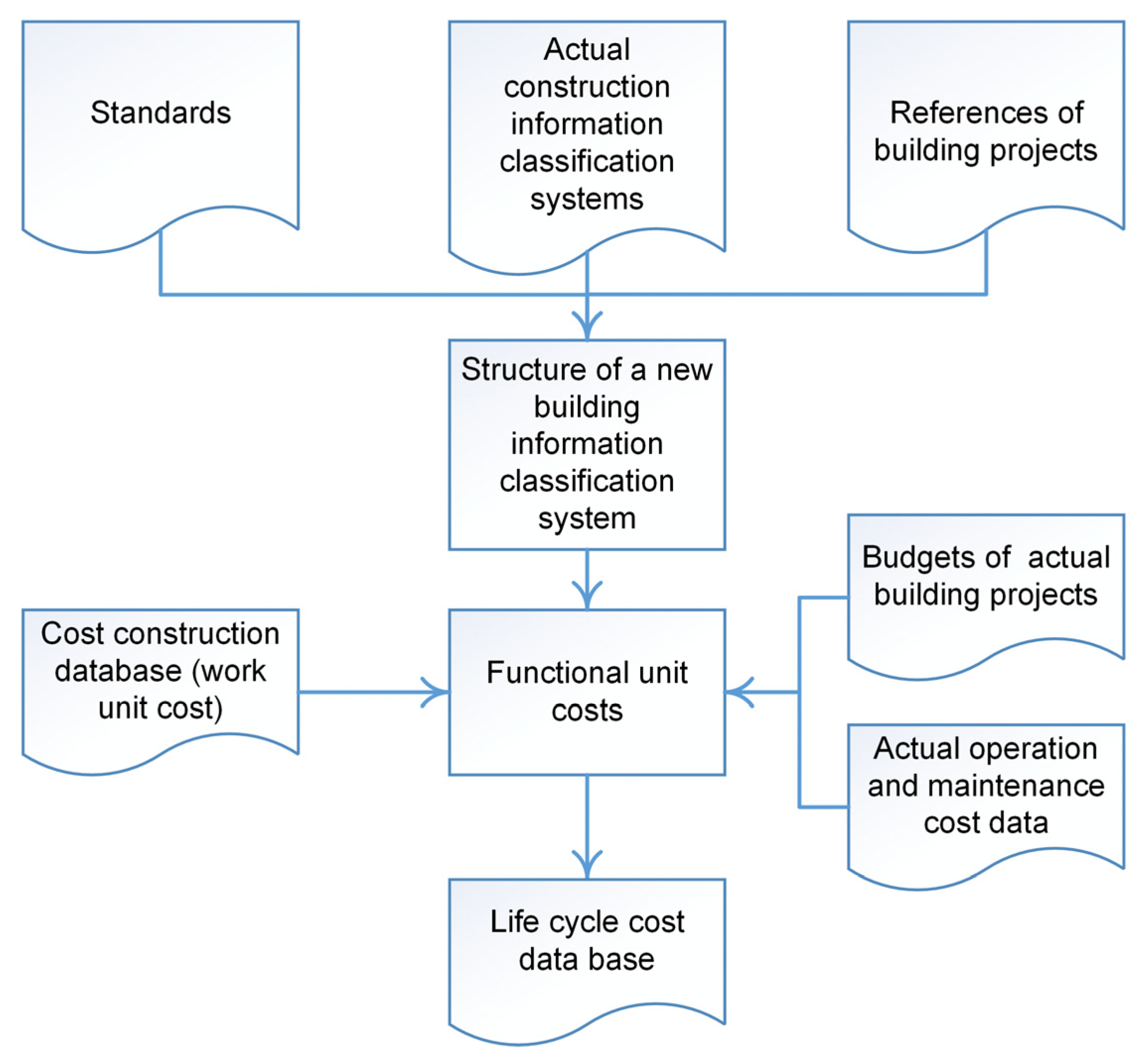
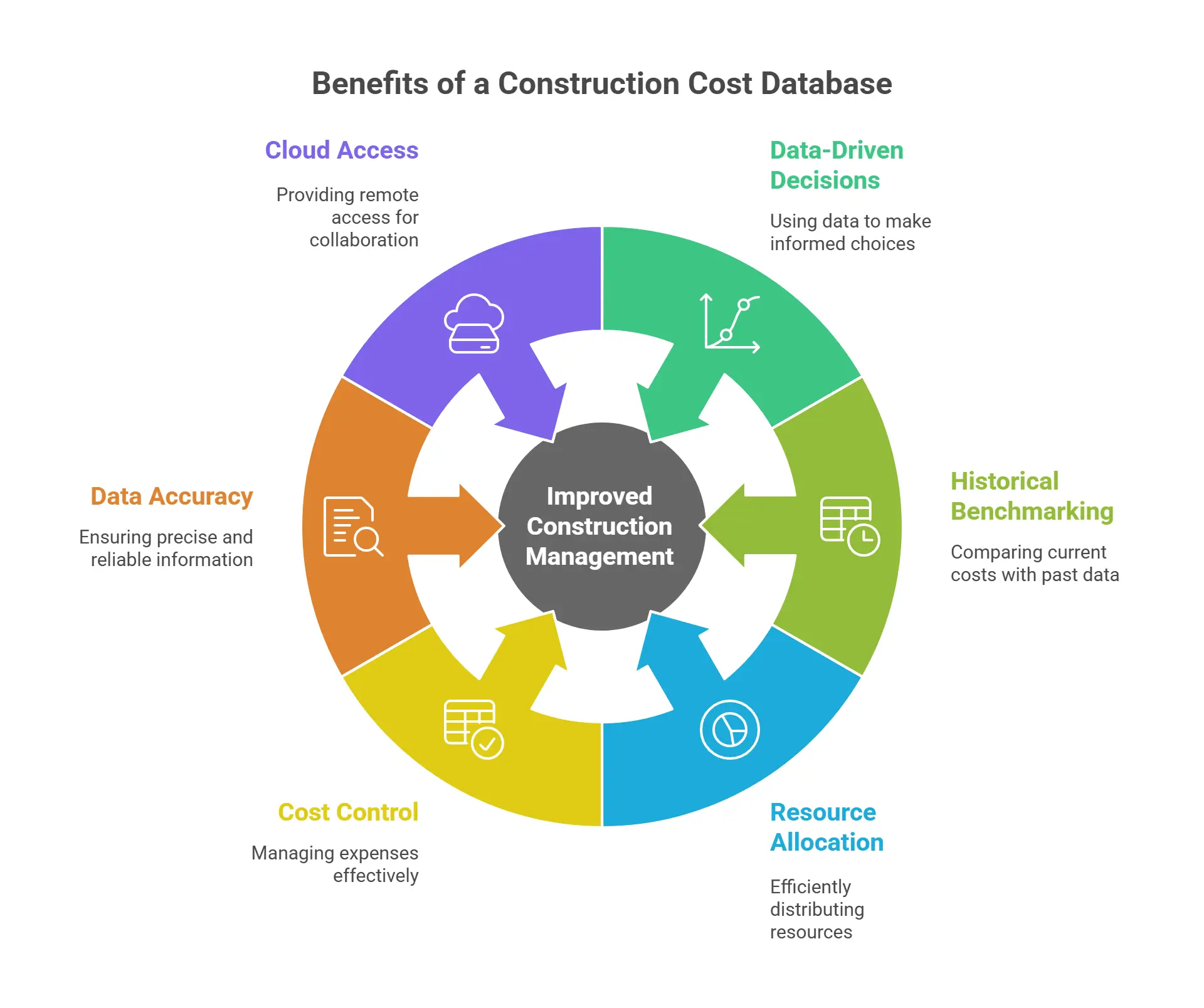
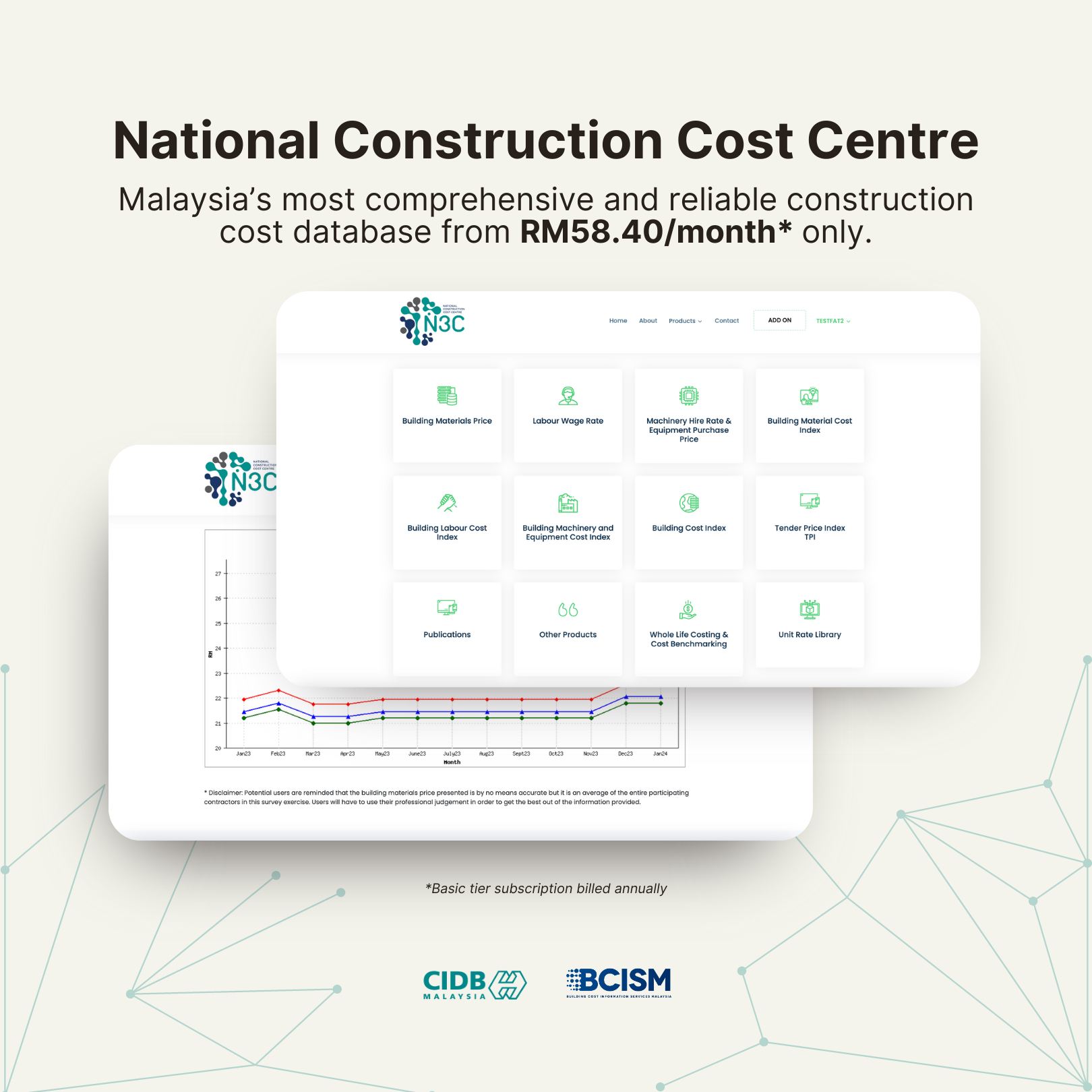
A construction cost database is like a big, detailed library of information about building and renovation costs. It's a resource that construction companies, contractors, and even homeowners like me can use to get a better idea of what projects might cost. This database covers all sorts of construction work, from new builds to remodels and everything in between.
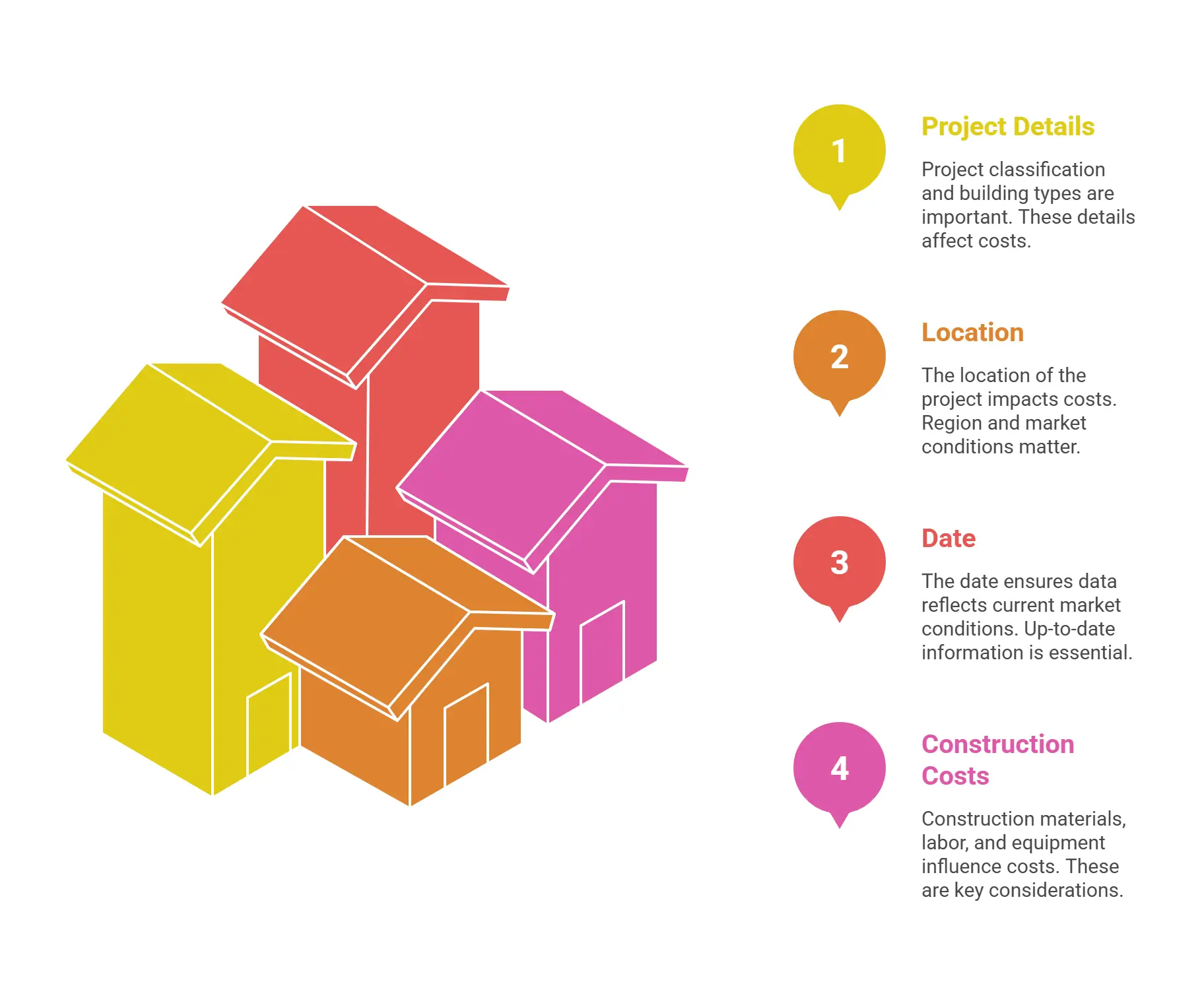
The beauty of it is that it provides estimates for different types of work, like installing a new roof, adding a room, or even just painting a wall. It takes into account things like the size of the project, the materials needed, and even the location, which can affect costs. So, it's a great way to get a rough idea of what you might be looking at financially before you even start a project.
Finding the Right Contractor
When it comes to hiring a contractor, the construction cost database can be a real lifesaver. It can help you compare quotes and ensure you're getting a fair deal. You see, contractors will often use these databases to estimate their quotes, so if you have access to the same info, you can better understand the costs they're quoting you.
Before hiring, make sure to check their references, ask about their experience with similar projects, and get a detailed breakdown of the costs. A good quote will cover all the bases, from labor to materials, and will give you a clear idea of any potential extra costs that might come up.
Company Names and the Industry
In the construction world, company names can be a bit of a giveaway about what they do. Often, you'll see names that are straightforward and to the point, like "Atlanta Building Solutions" or "Helena Home Renovations". These names are easy to remember and give a clear indication of the services offered.
If you're thinking of starting a construction business, choosing a name is an important step. It needs to be unique, memorable, and reflect the services you provide. Some fun examples could be "Build-it-Right Construction", "Hammer & Nail Builders", or "Renovate & Revive". Just remember to check the availability of the name and secure the relevant registrations and domains.
Jobs and Opportunities
The construction industry offers a wide range of jobs, from general contractors and estimators to project managers and specialists in various trades. These roles can vary greatly in terms of responsibility and salary, depending on experience and the size of the company.
If you're interested in construction jobs, you'll likely find opportunities advertised online, through job boards, and even on company websites. It's a good idea to keep an eye on these platforms and to tailor your resume and cover letter to the specific role and company you're applying for.
Industry Tools and Insights
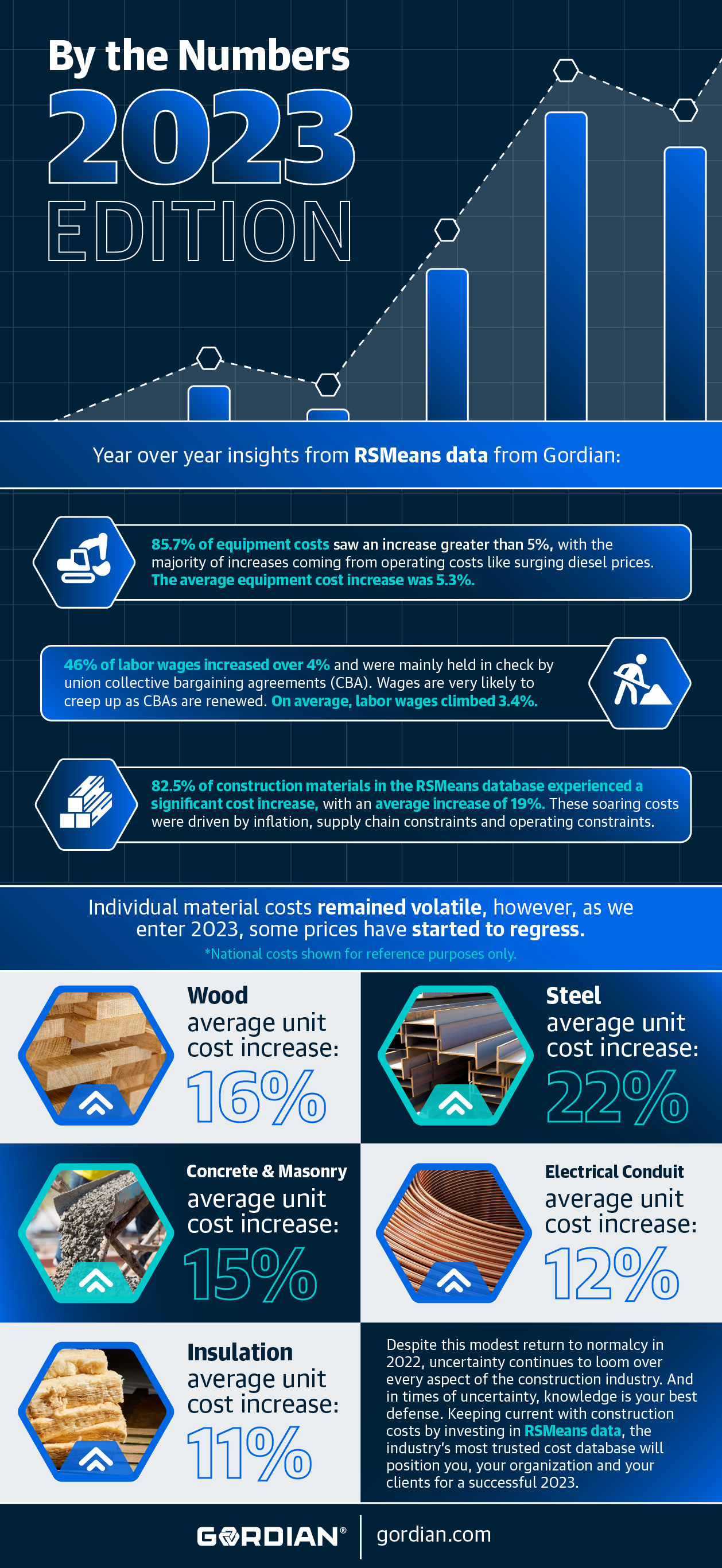
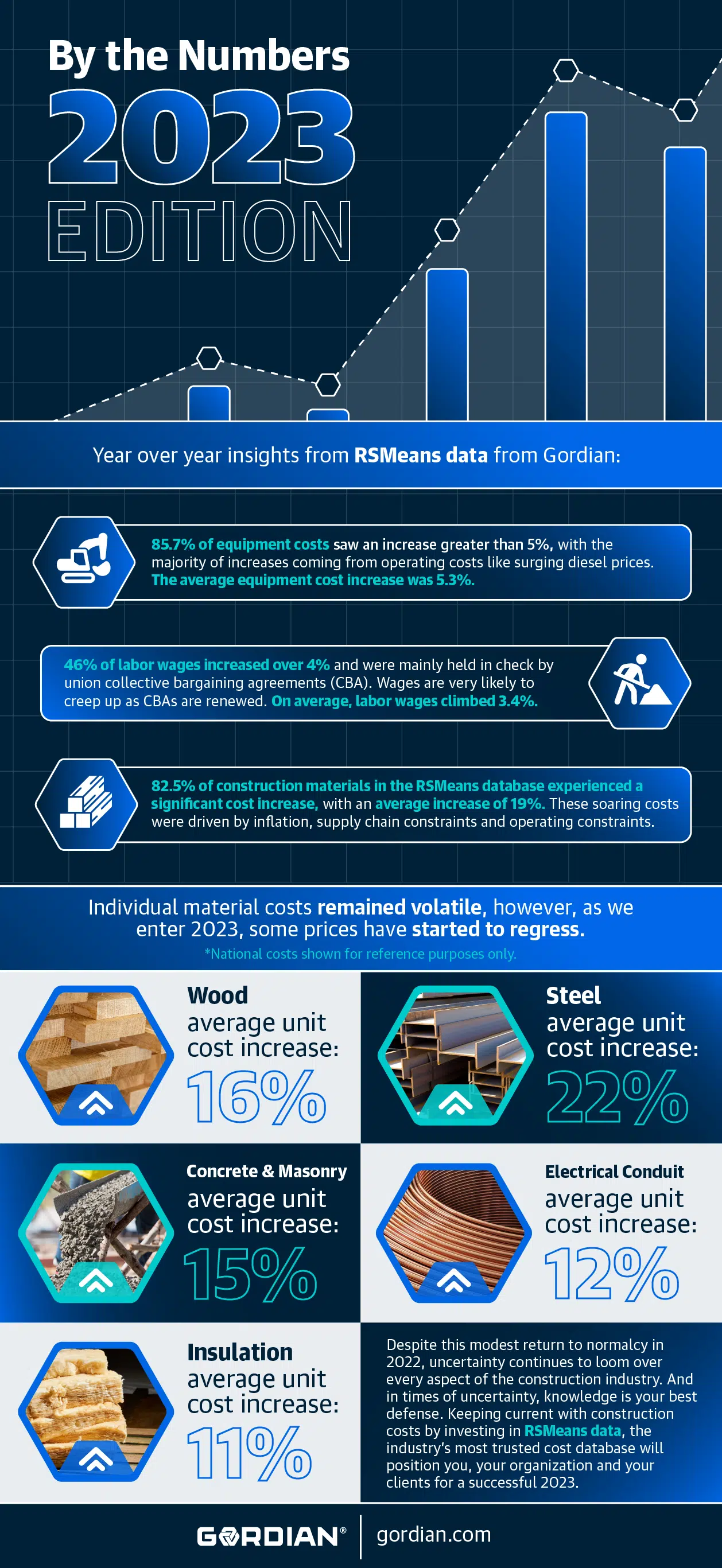
Tools like RSMeans are popular in the construction industry and are essentially detailed cost databases. These tools are used by professionals to estimate costs accurately and efficiently. They provide valuable insights into the costs of different materials, labor, and even the potential impact of economic factors on a project.
Having access to these tools can be a real advantage, especially for larger construction companies. It allows them to provide accurate quotes and plan projects effectively. For homeowners, it's a great way to get a realistic idea of what your renovation might cost.
Big Players and the Industry
The construction industry is diverse, with companies of all sizes. The big players often have the advantage of economies of scale, allowing them to take on larger projects and offer more specialized services. They might have access to better resources, like advanced cost databases and tools, which can give them an edge in the market.
However, smaller companies can offer a more personalized service and often have a strong local presence. It's a balance between size and specialization, and both types of companies play a vital role in the industry.
So, there you have it! The construction cost database is a valuable resource for anyone involved in construction, whether you're a homeowner, a contractor, or a company owner. It's a great way to get a handle on costs and plan effectively.