How to Access Your Avera Chart Login?
Learn how to use the Avera chart login for clear reference values. Get practical tips and an easy guide to reading the chart, and discover its benefits.
"Avera Chart Login" is a handy tool for accessing your health records and managing your medical information. This guide will walk you through the process, ensuring you can navigate this resource with ease.
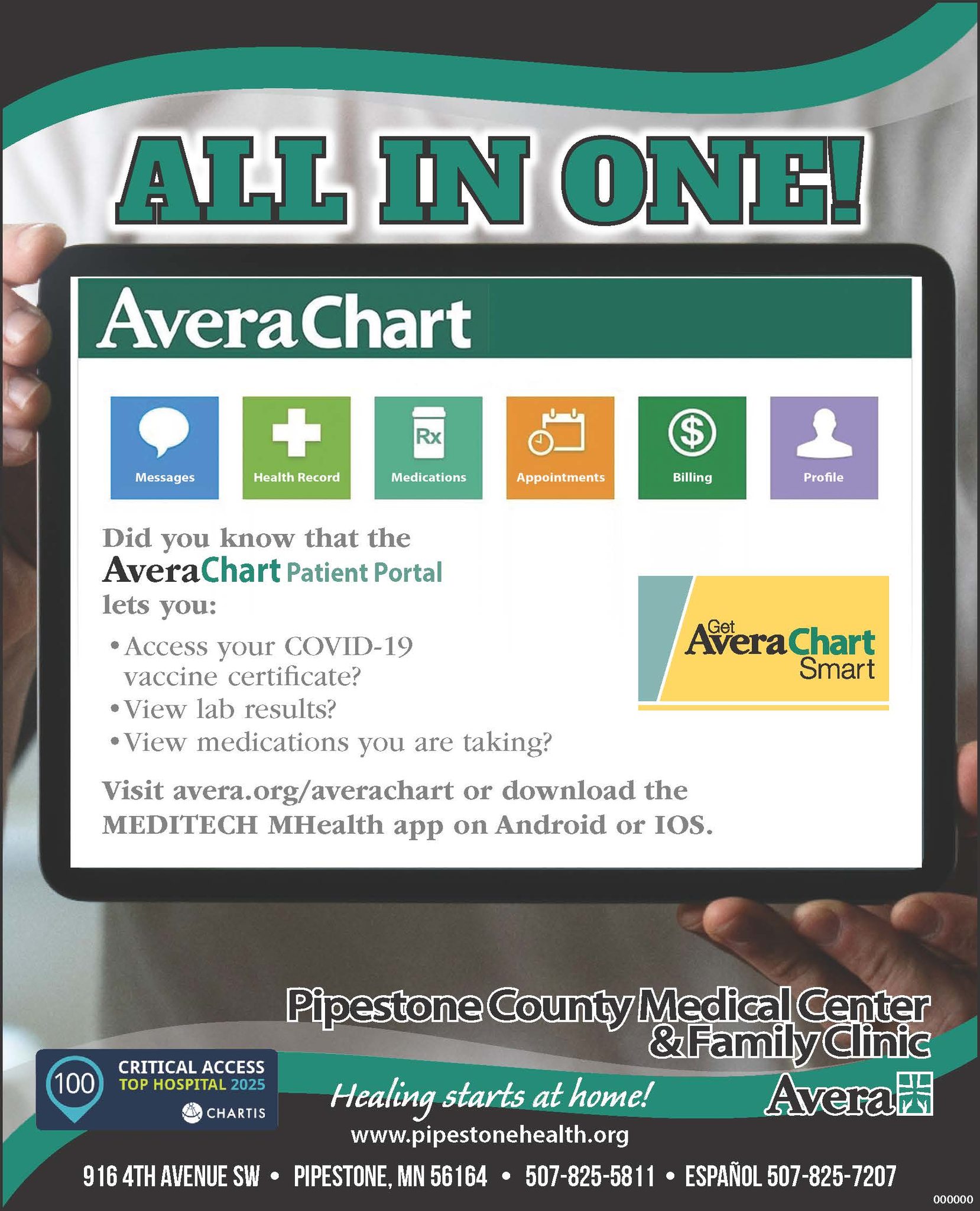
The Avera Chart Login system is a secure gateway to your personal health data. It offers a straightforward way to view and manage your records, and it's a great resource for staying on top of your healthcare journey. You can access your Avera medical records, view test results, and even connect with healthcare providers through the patient portal. It's a simple, yet powerful, way to take control of your health information.
Understanding Your Avera Chart Login
The Avera Chart Login is your gateway to accessing and managing your personal health records through the Avera Health system. It's like having a digital health companion, giving you control over your medical information and providing a clear overview of your health journey.
Key Details and Prerequisites
Before diving into the chart, it's essential to know a few key details. The Avera Chart Login typically displays information in a table format, with rows representing different health parameters and columns showing the corresponding values. You'll find categories such as vital signs (like blood pressure and heart rate), lab results, medications, allergies, and more. Each category has its own set of units and measurements, which are standardized for accuracy.
Navigating the Portal: A Step-by-Step Guide
Accessing and reading your Avera Chart Login is straightforward:
- Visit the Avera Health website and locate the "Avera Chart Login" or "Avera MyChart" section.
- Enter your username and password. If you're a new user, you'll need to create an account first.
- Once logged in, you'll see an overview of your health records.
- To explore specific categories, click on the relevant tabs or use the search function.
- When viewing a category, pay attention to the units and ranges. For example, blood pressure is typically measured in mmHg (millimeters of mercury), and normal ranges are usually indicated.
- For lab results, understand the reference ranges provided. These ranges are specific to the test and can vary based on factors like age and gender.
- If you have any questions or concerns, the portal often provides tooltips or additional information icons to clarify certain values or categories.
Variations and Differences: Why They Happen
It's important to note that health charts, including the Avera Chart Login, can vary based on several factors. These variations ensure accuracy and relevance to your specific health situation:
- Age: Reference ranges for various health parameters often differ for children, adults, and the elderly.
- Gender: Some health indicators, like certain lab results, can vary between males and females.
- Medical Conditions: Pre-existing conditions or recent illnesses can impact your health readings and their interpretation.
- Lifestyle Factors: Diet, exercise, and other lifestyle choices can influence your health metrics.
- Time of Day: Certain readings, like blood pressure, can vary throughout the day.
Common Mistakes and How to Avoid Them
To ensure you're using your Avera Chart Login accurately, watch out for these common mistakes:
- Misinterpreting Reference Ranges: Understand that reference ranges are guidelines, and your results might fall outside these ranges without being cause for concern. Discuss any anomalies with your healthcare provider.
- Ignoring Units: Always pay attention to the units of measurement. For instance, weight can be recorded in pounds or kilograms, and the difference matters.
- Assuming Consistency: Health metrics can fluctuate, so don't assume your results will always be the same. Regular monitoring provides a more accurate picture.
Practical Tips for Accurate Results
Here are some tips to make the most of your Avera Chart Login:
- Customize Your Chart: Personalize your chart by adding or removing categories based on your specific health needs.
- Set Reminders: Use the portal's reminder function to stay on top of upcoming appointments, medication refills, or lab tests.
- Share with Your Provider: Discuss your chart with your healthcare provider to ensure they have a complete picture of your health.
- Stay Informed: Regularly review your chart to stay informed about your health status and any changes.
Double-Checking and Handling Exceptions
While the Avera Chart Login provides a comprehensive overview, it's always a good idea to double-check certain details, especially when:
- Dealing with Critical Values: If a health parameter falls significantly outside the reference range, verify the result with your healthcare provider.
- New Diagnoses or Treatments: When starting a new medication or treatment, confirm any expected changes in your health metrics with your doctor.
- Unusual Symptoms: If you experience unusual symptoms, compare your chart data with your symptoms to identify any potential correlations.
Remember, your Avera Chart Login is a powerful tool for managing your health, but it's always best to consult with healthcare professionals for personalized advice and guidance.
Well, that's a wrap on our Avera Chart Login guide! You should now feel confident in understanding the basics, reading the chart, and avoiding common pitfalls. Remember, every context is unique, so be sure to check your specific requirements and double-check the values and units to ensure accuracy.
We've covered a lot of ground, but there's always more to explore. If you're keen to dive deeper into related topics, feel free to browse our other guides and resources. They're a great way to expand your knowledge and keep your skills sharp!
Images