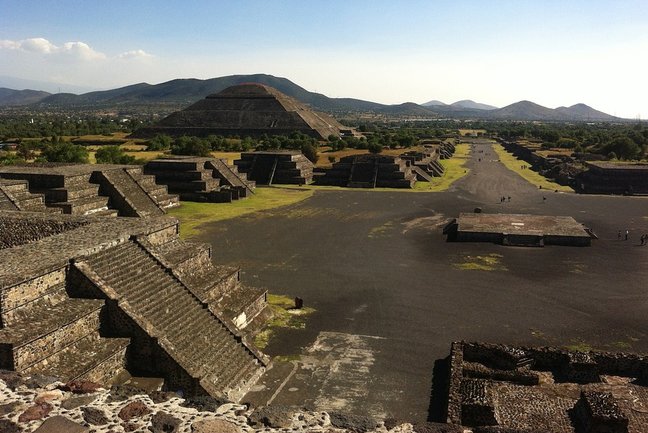
The ancient civilizations of the Aztecs and Mayans have long fascinated historians and enthusiasts alike, with their rich cultural heritage, intricate architecture, and mysterious mythology. The Aztecs, who flourished in central Mexico from the 14th to the 16th century, and the Mayans, who inhabited the southeastern regions of Mexico, Guatemala, Belize, and Honduras from 2000 BCE to 1500 CE, left behind a wealth of knowledge, traditions, and artifacts that continue to captivate us today.
One of the most significant aspects of Aztec and Mayan history is their sophisticated understanding of astronomy and mathematics. The Aztecs, for example, developed a complex system of interlocking calendars, including the Tonalpohualli (a 260-day calendar) and the Xiuhpohualli (a 365-day solar calendar), which allowed them to track time with remarkable accuracy. Similarly, the Mayans developed a positional notation system, which enabled them to perform complex calculations and record astronomical events with great precision.
The Aztecs and Mayans were also skilled architects, engineers, and artisans, as evidenced by the magnificent structures they built. The Aztecs constructed the majestic Templo Mayor in Tenochtitlán (modern-day Mexico City), a massive temple complex dedicated to their patron deity, Huitzilopochtli. The Mayans, on the other hand, built elaborate cities, such as Tikal, Palenque, and Chichen Itza, featuring intricate stone carvings, ornate temples, and sophisticated irrigation systems.
Both civilizations placed great emphasis on trade, commerce, and diplomacy, with extensive networks of merchants, ambassadors, and messengers facilitating the exchange of goods, ideas, and cultural practices. The Aztecs, for instance, traded extensively with neighboring tribes, exchanging goods such as cacao, feathers, and textiles for precious metals, gems, and other valuable commodities. The Mayans, meanwhile, developed a complex system of trade and commerce, with merchants traveling long distances to exchange goods such as obsidian, jade, and copper.
The mythology and spiritual practices of the Aztecs and Mayans are equally fascinating, with a rich pantheon of gods, goddesses, and supernatural beings. The Aztecs believed in a complex cosmology, with multiple layers of heaven and hell, and a vast array of deities, including Quetzalcoatl, the feathered serpent god, and Coatlicue, the mother goddess. The Mayans, on the other hand, worshipped a diverse range of gods and goddesses, including Ahau, the sun god, and Ixchel, the goddess of fertility and childbirth.
Despite their many achievements, the Aztecs and Mayans faced numerous challenges, including warfare, drought, and disease. The Aztecs, for example, were eventually conquered by the Spanish conquistador Hernán Cortés in 1521, marking the beginning of a long period of colonization and cultural suppression. The Mayans, meanwhile, faced significant challenges from rival city-states and the eventual arrival of European colonizers, which led to the decline of their civilization.
In recent years, there has been a growing interest in the history and cultural heritage of the Aztecs and Mayans, with many museums, cultural institutions, and archaeological sites around the world showcasing their artifacts, art, and traditions. The Mexican government, for example, has launched numerous initiatives to preserve and promote the cultural heritage of the Aztecs and Mayans, including the restoration of ancient sites, the development of cultural festivals, and the creation of educational programs.
For those interested in exploring the rich heritage of the Aztecs and Mayans, there are many resources available, including:
- The National Museum of Anthropology in Mexico City, which features an extensive collection of Aztec and Mayan artifacts, including the famous Aztec calendar stone.
- The Maya Archaeological Site of Tikal in Guatemala, which offers a glimpse into the daily life and culture of the ancient Mayans.
- The Aztec Temple of Templo Mayor in Mexico City, which provides a unique insight into the spiritual practices and mythology of the Aztecs.
- The Mayan Museum in Cancun, Mexico, which features a comprehensive collection of Mayan artifacts, including pottery, sculpture, and textiles.
In addition to these resources, there are many books, documentaries, and online courses available that provide a deeper understanding of Aztec and Mayan history, culture, and traditions. Some recommended books include:
- The Aztecs: An Very Short Introduction by Matthew Restall and Felipe Fernández-Armesto
- The Maya by Michael D. Coe and Rex Koontz
- A True History of the Conquest of New Spain by Bernal Díaz del Castillo
These resources offer a wealth of information and insights into the history and cultural heritage of the Aztecs and Mayans, and are an excellent starting point for anyone interested in exploring the rich and fascinating world of these ancient civilizations.
By following these steps and exploring the many resources available, you can gain a deeper understanding and appreciation of the rich cultural heritage of the Aztecs and Mayans, and discover the many fascinating aspects of their history, mythology, and traditions.
What were the main achievements of the Aztecs and Mayans?
+The Aztecs and Mayans made significant contributions to astronomy, mathematics, architecture, and engineering. They developed sophisticated systems of interlocking calendars, positional notation systems, and intricate stone carvings, and built elaborate cities and temples.
What were the main challenges faced by the Aztecs and Mayans?
+The Aztecs and Mayans faced numerous challenges, including warfare, drought, and disease. The Aztecs were eventually conquered by the Spanish conquistador Hernán Cortés, while the Mayans faced significant challenges from rival city-states and the eventual arrival of European colonizers.
How can I learn more about Aztec and Mayan history and culture?
+There are many resources available to learn more about Aztec and Mayan history and culture, including online resources, books, documentaries, and online courses. You can also visit archaeological sites, attend cultural events, and join online communities to gain a deeper understanding and appreciation of these ancient civilizations.
The Aztecs and Mayans were highly advanced civilizations that made significant contributions to our understanding of astronomy, mathematics, architecture, and engineering. Their cultural heritage continues to inspire and fascinate us today, offering a unique window into the past and a glimpse of the sophistication and complexity of ancient human societies. By exploring the many resources available and following the steps outlined above, you can gain a deeper understanding and appreciation of the rich cultural heritage of the Aztecs and Mayans, and discover the many fascinating aspects of their history, mythology, and traditions.