



Bad Qualities In A Person Overview
I was having a coffee with a friend the other day, and they were telling me about their plans to renovate their kitchen. It got me thinking about remodeling companies and how they can help transform a space. So, let's chat about what these companies do and how to navigate the world of home remodeling.
What's the Deal with Remodeling Companies?
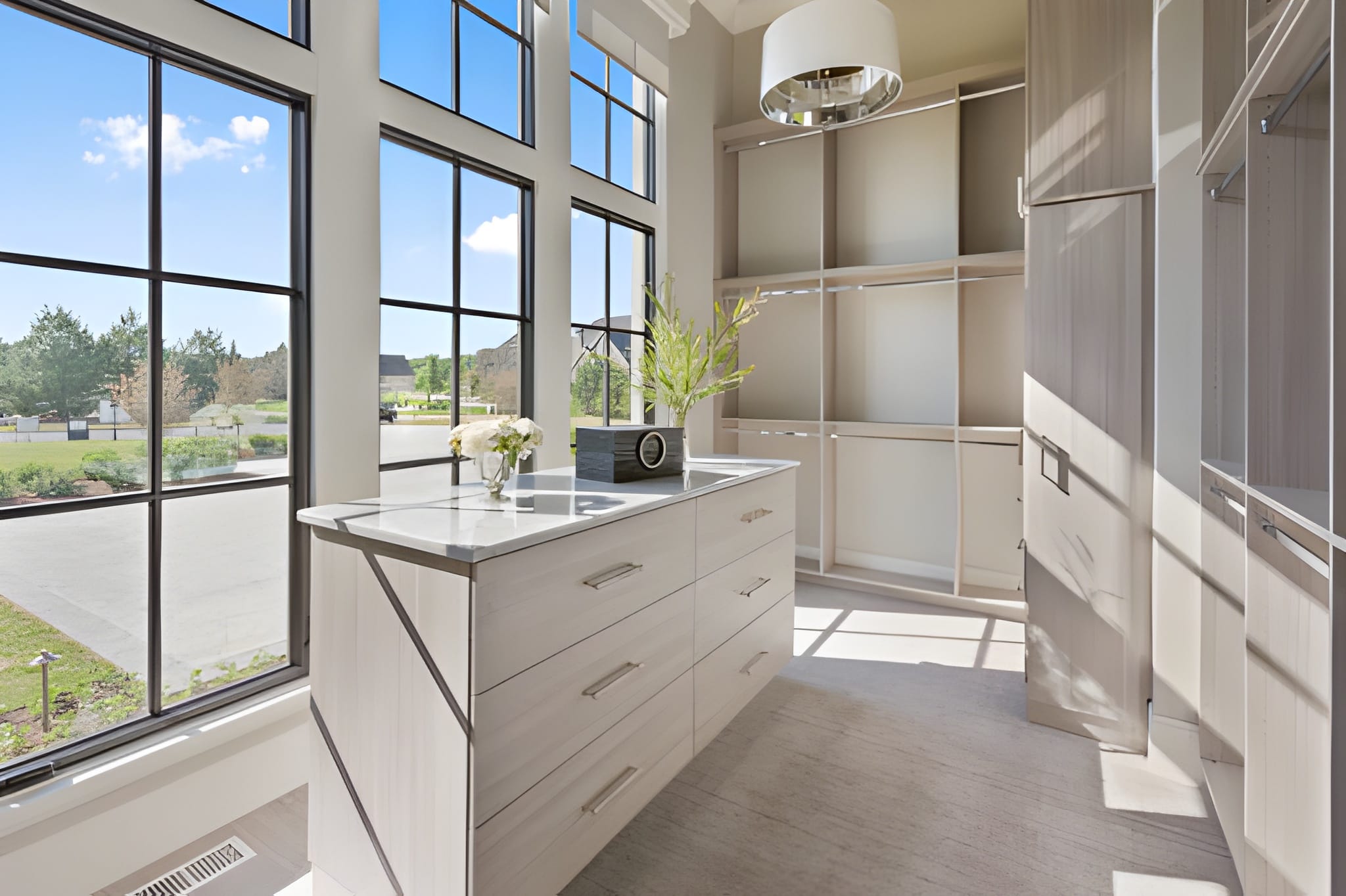
Remodeling companies are the experts in transforming your living space. Whether you want to update your bathroom, add an extension, or give your entire home a facelift, these companies can help bring your vision to life. They handle the whole process, from design and planning to construction and finishing touches. It's a one-stop shop for your renovation needs!
When it comes to costs, it's a bit like a puzzle. The price can vary depending on the size of the project, the materials you choose, and the complexity of the work. It's always a good idea to get multiple quotes to compare and ensure you're getting a fair deal. Don't be afraid to ask questions and understand what's included in the quote.
Hiring the Right Team
Choosing the right remodeling company is key. You want a team that listens to your ideas, offers expert advice, and provides a clear plan and timeline. Check their credentials, ask for references, and look at their past projects. A good contractor will guide you through the process and ensure your vision is realized. Don't be rushed into a decision; take your time to find the right fit.
Naming the Business
If you're thinking of starting your own remodeling company, the name is important. It needs to be memorable and reflect your business. Keep it simple, catchy, and easy to remember. Some fun and unique name ideas could be:
- Build-It-Better
- Renovate and Revive
- Home Transformation Team
- The Remodelers
- Space Makers
- Dream Builders
Remember to check the availability of the name and secure your domain and local registration.
Jobs and Opportunities
The remodeling companies industry offers a range of roles. From estimators who calculate costs to project managers who oversee the entire process, and skilled tradespeople who bring the plans to life. These jobs are in demand, and you'll often find opportunities through online job boards or by reaching out to local companies. It's a great field to be in if you love creating and transforming spaces.
Industry Tools and Insights
There are some handy tools and resources used in the industry. For example, RSMeans is a popular cost-estimating tool that helps contractors and estimators calculate project costs accurately. It's a valuable resource for the trade. There are also cost databases and indexes that provide up-to-date information on construction costs, helping to ensure fair pricing. These tools keep the industry informed and efficient.
Large vs. Small Firms
The remodeling companies industry has a mix of large and small businesses. Larger firms often have more resources and can take on bigger projects, but smaller companies can offer a more personalized service. It's a balance between scale and attention to detail. Both have their advantages, so it's about finding the right fit for your needs.
So, there you have it! A little insight into the world of remodeling companies. Whether you're planning a renovation or thinking of joining the industry, it's a fascinating and rewarding field. Remember, it's all about finding the right team and creating a space you love.
Related: What is the pork temp chart and how do I use it?
You're in the middle of cooking a delicious pork dish and need to ensure it's cooked perfectly. A pork temp chart is your reliable guide, offering a simple visual reference to nail the ideal internal temperature. This handy tool ensures your pork is cooked safely and to your preferred doneness. While values may vary slightly, the pork temp chart is a trusted companion in the kitchen, helping you achieve culinary success with ease.
Understanding the Chart: A Quick Overview
The pork temp chart is your handy guide to achieving perfectly cooked pork every time. It's a simple reference tool that shows the ideal internal temperatures for different cuts of pork and their doneness levels. This chart ensures your pork dishes are not only delicious but also safely cooked to avoid any foodborne illnesses.
Comparing Standards and Formats
Pork temp charts can vary slightly depending on the standard used. The most common ones follow either the USDA (United States Department of Agriculture) guidelines or international food safety standards. These charts typically provide temperature ranges and doneness categories like rare, medium, and well-done. However, it's crucial to note that some charts may offer more precise temperature readings for specific cuts, ensuring an even more accurate cook.
Using the Chart: A Step-by-Step Guide
Choose the Right Cut: Different pork cuts have varying cooking times and temperatures. The pork temp chart will guide you on the ideal internal temperature for your chosen cut, whether it's a tenderloin, chop, or roast.
Insert the Thermometer: Use a reliable meat thermometer and insert it into the thickest part of the meat, avoiding any bones. This ensures an accurate reading of the internal temperature.
Check the Temperature: Refer to the pork temp chart and match the temperature reading with the recommended range for your chosen cut. If it's below the minimum, continue cooking until it reaches the desired doneness.
Rest and Serve: After cooking, let the pork rest for a few minutes before serving. This resting period allows the juices to redistribute, ensuring a juicy and flavorful meal.
Common Misreadings and Pitfalls
One common mistake is relying solely on cooking times without checking the internal temperature. Remember, pork cooking times can vary due to factors like thickness and cooking method. Always use a meat thermometer to ensure accuracy. Additionally, some charts may provide a range of temperatures for each doneness level. It's best to aim for the middle of this range for the perfect cook. If you're cooking a large roast, consider checking the temperature in multiple spots to ensure even cooking.
The pork temp chart is a valuable tool, but it's essential to double-check specific guidelines for rare or exotic cuts of pork. Some cuts may require higher temperatures to ensure food safety. Always prioritize your health and follow the recommended temperatures for a safe and delicious meal. With a reliable thermometer and this handy chart, you'll become a master of cooking pork to perfection!
Well, there you have it! A handy pork temp chart can be a real game-changer in the kitchen. It's a simple yet effective tool to ensure your pork dishes are cooked to perfection every time.
Remember, while this guide provides a solid framework, it's always a good idea to consider your specific needs and preferences. Exact values may vary slightly, so it's worth double-checking the recommended temperatures for your chosen cut and cooking method.
Consider bookmarking this page for future reference. It's a quick and easy way to ensure you always have the right information at your fingertips! Happy cooking, and don't forget to enjoy the delicious results.
Related: Understand Voice Level Charts: A Quick Guide
You're probably familiar with the concept of a voice level chart, whether you're a teacher, a parent, or just someone looking for a way to visualize and manage sound levels. This simple yet effective tool provides a quick reference guide, offering a clear and concise way to understand and interpret sound intensity. It's a handy resource, especially when you need to communicate and enforce specific volume expectations. While the exact values and formats may vary, the voice level chart remains a reliable and accessible way to measure and control acoustic environments.
Understanding the Voice Level Chart: A Quick Overview
The voice level chart is a valuable tool for measuring and understanding sound intensity, particularly when it comes to human speech. It provides a visual representation of different voice volumes, offering a practical guide to help individuals and professionals assess and manage sound levels. This chart is especially useful in environments where maintaining appropriate voice levels is crucial, such as classrooms, offices, and public spaces.
Decibel Scale and Voice Volume Categories
The voice level chart typically operates on the decibel scale, which is a logarithmic unit used to measure sound pressure. This scale allows for a wide range of sound intensities to be represented, from the faintest whispers to the loudest shouts. The chart categorizes voice levels into distinct ranges, often represented by colors or symbols, making it easy to identify and communicate different volume levels.
Step-by-Step Guide to Using the Voice Level Chart
- Identify the standard being used: Different regions and industries may employ various voice level chart standards. Ensure you are referencing the correct chart for your specific context.
- Observe the decibel scale: The chart will display a range of decibel values, typically from the lowest audible sound to a level considered harmful.
- Match your voice level: Compare your voice's volume to the categories or symbols on the chart. This will help you gauge whether your voice is at an appropriate level for the environment.
- Adjust as needed: If your voice falls outside the recommended range, adjust your volume accordingly. This could mean speaking softer or louder to match the desired level.
- Consider environmental factors: Remember that the chart provides a general guide. External factors like room acoustics and background noise can influence the perceived volume, so adjust your voice level accordingly.
Common Misinterpretations and How to Avoid Them
- Voice level charts are not absolute: They provide a reference, but individual perceptions of sound can vary. Trust your own judgment and the feedback of those around you.
- Avoid over-reliance: While the chart is a useful tool, it should not be the sole determinant of appropriate voice levels. Consider the context and the comfort of those around you.
- Decibel scale variations: Different charts may use slightly different decibel ranges or categories. Always refer to the specific chart you are using to ensure accuracy.
- Environmental factors: Be mindful of the environment's unique characteristics. A busy street may require a higher voice level than a quiet library, even if they fall within the same decibel range on the chart.
Remember, the voice level chart is a practical tool to promote clear communication and a comfortable environment. By understanding and accurately interpreting the chart, you can contribute to a more harmonious and productive space.
A voice level chart is a handy tool, offering a simple yet effective way to manage noise levels and create a harmonious environment. It's a great reference point, providing a clear guide to maintain a calm and focused atmosphere.
Remember, while this chart offers a standard framework, your unique context might require some adjustments. So, take a moment to tailor it to your specific needs, ensuring it fits your environment perfectly. Bookmark this page, and you'll always have a quick reminder for those moments when you need to keep the peace!